New Mexico Elk Are Why the Gila Draws Everyone
There's a whisper that travels through the hunting community, a dream often spoken of in hushed tones around campfires and gear shops: hunting elk in New Mexico. More specifically, the Gila. It’s a place that captures the imagination like few others, promising towering ponderosas, deep canyons, and the echoes of bugling bulls. But for many, especially those who haven't experienced it, the Gila remains a mystique—a tough draw, a challenging landscape, and an unparalleled adventure. This guide aims to pull back the curtain on why New Mexico, particularly its Gila country, is such a renowned destination for elk hunters and what it truly takes to chase those legendary bulls.
The Allure and Reality of New Mexico Elk Hunting
New Mexico's reputation as a premier elk hunting destination isn't just a rumor; it's built on a foundation of diverse habitats, well-managed herds, and the sheer challenge and reward of hunting in some of the wildest country left in the Lower 48. Yet, like any grand adventure, it comes with its own set of trials and tribulations that every hunter should understand before they even think about applying for a tag.
Why the Gila Captures Hunters' Imaginations
The Gila National Forest, home to the country's first designated wilderness area—the Gila Wilderness—is more than just a place on a map; it's a living legend. For generations, tales of monster bulls and epic backcountry hunts have emerged from its vast canyons and timbered slopes. When you think of "trophy elk," images of the Gila often come to mind. It's a vast landscape where elk have the space and solitude to grow old, and consequently, grow impressive antlers. The sheer scale of the place, with its rugged mountains, deep canyons, and diverse vegetation ranging from high-elevation pines to oak brush and open meadows, provides ideal conditions for elk. It’s not just about antler size, though; it’s the profound sense of wilderness, the opportunity to truly disconnect and test oneself against nature, that draws so many. The Gila isn't a "gimmick" hunt; it’s an authentic, hard-earned experience that resonates deeply with those who value the challenge as much as the outcome.
The Challenges That Come With the Legend
While the Gila's reputation is well-deserved, it's crucial to approach it with a realistic mindset. The challenges are as significant as the rewards. First and foremost, drawing a coveted New Mexico elk tag, especially in prime Gila units, is notoriously difficult. The state employs a pure lottery system, meaning there are no preference points, so every applicant has an equal chance, whether it's their first year or their twentieth. This "all or nothing" approach can be frustrating, leading to many years of failed applications. Beyond the draw, the terrain itself is physically demanding. You’ll be navigating steep ascents, deep canyons, and often, thick timber, frequently at elevations that can take a toll on unprepared bodies. Understanding Altitude Preparation for a Gila Elk Hunt is absolutely critical if you're coming from sea level. Furthermore, the Gila is wild country. Cell service is virtually non-existent in most areas, water sources can be scarce in dry years, and game can be spread out, making scouting and locating animals a significant undertaking. This isn't a hunt for the faint of heart or those looking for a "guaranteed" outcome.
Understanding New Mexico's Elk Population and Management
New Mexico's elk herds are a testament to effective wildlife management, providing healthy populations across various habitats. Understanding how the state manages these animals is key to appreciating your hunting opportunity.
Overall Elk Numbers and Distribution Across the State
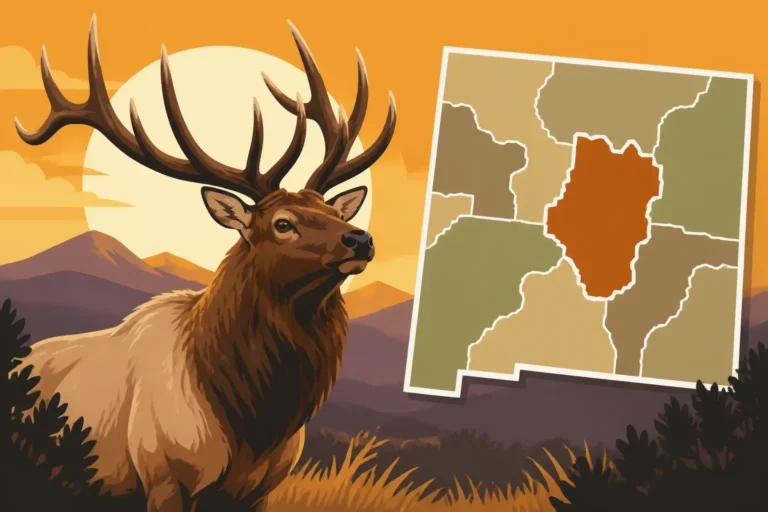
New Mexico boasts a robust and healthy elk population, estimated to be well over 70,000 animals, depending on the most recent surveys. These elk are not uniformly distributed, however. They thrive in various ecosystems, from the high, forested mountains of the north, including areas like the Carson and Santa Fe National Forests, to the iconic, rugged drainages and plateaus of the Gila in the southwest. The Gila region, which encompasses several game management units, consistently holds a significant portion of the state's largest bulls, a reputation that's been built over decades. Other notable elk hotbeds include the Sacramento Mountains in the south-central part of the state and the Sangre de Cristo Mountains in the north. Each region offers a unique hunting experience, with different challenges and terrain. However, it's the sheer density and quality of elk in the Gila that truly sets it apart.
How Harvest Limits and Draw Odds Shape the Experience
New Mexico Game and Fish manages elk populations through a controlled draw system, issuing a limited number of tags for specific units and hunt dates. This system is designed to maintain healthy herd numbers, balance bull-to-cow ratios, and provide quality hunting experiences. The state has a unique allocation system, where New Mexico Splits Every Hunt 84, 10 and 6 Percent. This means 84% of tags go to residents, 10% to nonresident hunters who use a New Mexico registered outfitter, and 6% to nonresidents applying independently. This structure significantly impacts draw odds, especially for non-residents. The low percentage for independent non-residents makes those tags incredibly difficult to obtain, pushing many to consider the outfitter draw, which we'll discuss more later.
Understanding Where New Mexico Publishes Draw Odds is essential for planning your applications. While high-demand units like those in the Gila will always have extremely low odds, researching past draw statistics can help you make informed decisions about your unit and hunt choice selections. This transparent approach, while sometimes frustrating, ensures that the state's elk resource is sustained for future generations, prioritizing the health of the herd over maximizing tag numbers.
The Gila National Forest: A Deeper Dive Into Elk Country
When hunters talk about "the Gila," they're often referring to a vast, interconnected landscape that offers unparalleled elk hunting opportunities. It’s a place that demands respect and thorough preparation.
Key Units Within the Gila Known for Elk
The Gila National Forest is a huge area, and within it lie several units that consistently produce exceptional elk hunting. Units like 15, 16A, 16B, 16D, and 17 are the ones that consistently make headlines for their trophy potential. Unit 15, in particular, often gets called "the finest in the Gila," and for good reason. It's a primitive weapons-only unit with a history of producing monster bulls, a place where the elk grow old and wise. What Makes New Mexico Unit 15 the Gila's Finest often comes down to its wilderness character and limited pressure. Units 16A and 16D also have a sterling New Mexico Units 16A and 16D Elk Reputation, known for their rugged backcountry and mature bulls. Then there's Unit 17, which, with its New Mexico Unit 17 Bulls and Two Wilderness Areas, offers a similar level of challenge and reward. Each of these units presents unique terrain, access points, and specific hunt dates, making it crucial to research them thoroughly before applying. Online resources like GoHunt, for instance, provide excellent mapping tools and draw odds data that can help you dissect these units down to the last topo line.
Terrain and Habitat That Holds Trophy Bulls
The Gila's terrain is a mosaic of habitats, all contributing to its ability to grow and hold big elk. You'll find everything from vast expanses of Ponderosa pine and Douglas fir forests in the higher elevations, which provide crucial cover and bedding areas, to open mountain meadows and parks where elk feed during dawn and dusk. Deep, rugged canyons crisscross the landscape, offering escape routes and thermal cover during the heat of the day. Oak brush thickets provide both forage and security, especially during archery seasons. Water sources, often in the form of secluded springs, seeps, and intermittent creeks, are magnets for elk, particularly in drier periods. Understanding how elk utilize these varied habitats is paramount. During the rut, bulls will often be found in the timbered benches adjacent to open parks, while in colder months, they might gravitate towards south-facing slopes for warmth. Hunting New Mexico From 4,000 Feet to 10,000 feet means experiencing a wide range of vegetation zones and understanding how elk relate to each.
Navigating the Gila Wilderness and Its Demands
A significant portion of the Gila National Forest is designated wilderness, meaning no motorized vehicles or mechanized equipment are allowed. This is both a blessing and a curse. It limits hunter access, which helps preserve the quality of the hunting experience and allows elk to thrive with minimal human disturbance. However, it also means that hunters must be prepared to go deep on foot or horseback. Getting Into New Mexico's Gila National Forest often involves driving miles of dirt roads to reach a trailhead, and then potentially packing in several miles further. Trailheads That Open the Gila Wilderness are gateways to true backcountry adventures, but they demand a high level of physical fitness, navigation skills, and self-sufficiency. You need to be prepared to pack out an elk, potentially over several miles of rough terrain. Many hunters opt for horses or mules, or hire a pack string, to navigate these remote areas. The wilderness experience is truly immersive, but it's not to be underestimated; come prepared for anything the Gila throws at you.
Strategies for Drawing a New Mexico Elk Tag
Drawing a New Mexico elk tag can feel like winning the lottery, and in many ways, it is. With no preference points, everyone starts fresh each year. However, there are strategies to consider that can subtly influence your odds and help you navigate the system.
Deciphering the New Mexico Draw System
The New Mexico Game and Fish Department operates a true random lottery system for big game draws. This means that unlike many other Western states, you don't accumulate "points" for unsuccessful applications that would improve your odds in future years. Every applicant's name goes into the digital hat each year with an equal chance of being drawn for a specific hunt code. This can be both a blessing and a curse; a blessing because a first-time applicant has the same chance as someone who has been applying for decades, and a curse because consistent effort doesn't guarantee success. The key is understanding Reading a New Mexico Hunt Code Before You Apply, which is a combination of numbers and letters that specifies the game species, unit, weapon type, and season dates.
For example, a hunt code like "ELK-16A-ARCH1" specifies an elk hunt, in Unit 16A, for archery season 1. Knowing these codes and their corresponding draw odds is paramount. Many hunters use the resources available from various hunting consultants or online platforms, like GoHunt, which compile and analyze this data to help applicants make informed decisions. While it’s still a gamble, understanding the demand for certain hunts can help you decide between high-odds, lower-success rate hunts and low-odds, high-success rate trophy hunts.
Maximizing Your Odds: Resident vs. Non-Resident Pools
As mentioned earlier, New Mexico allocates tags into three distinct pools: 84% for residents, 10% for non-residents applying with a registered outfitter, and 6% for non-residents applying independently. This structure is critical for non-residents to understand.
| Applicant Type | Tag Allocation | Typical Draw Odds (Prime Units) |
|---|---|---|
| Resident | 84% | Moderate to Low (still tough for top units) |
| Non-Resident (Outfitter) | 10% | Better than independent non-resident, but still low |
| Non-Resident (Independent) | 6% | Extremely Low (often single-digit percentages) |
For non-residents, the choice between the 10% outfitter pool and the 6% independent pool is a significant one. While the outfitter pool offers slightly better odds, it comes with the requirement of hiring a registered New Mexico outfitter for at least two days of your hunt if you draw. The New Mexico Outfitter Draw and Its Two-Day Rule is specific and must be adhered to. This means you must have a signed contract with an outfitter before applying and they must provide The New Mexico Guide-Client Contract Requirement. This commitment can be costly, but for many, it's a calculated risk to improve their chances of drawing a coveted tag. Residents, of course, have the best odds by far, but even for them, drawing an elk tag in a trophy unit like Unit 15 or 16A is still a challenging feat.
Considering the Outfitter Draw and EPLUS Tags
For those committed to hunting New Mexico elk, particularly the elusive bulls of the Gila, the outfitter draw is one avenue, but there's another system to be aware of: EPLUS tags. The New Mexico Outfitter Draw Pool is a common strategy for non-residents, where a portion of tags is reserved specifically for those who contract with a licensed outfitter. It doesn't guarantee a tag, but it does mean you're competing in a smaller pool, which can marginally increase your statistical chances.
Beyond the draw, there's the How EPLUS Puts New Mexico Elk Tags in Landowner Hands program. EPLUS (Elk Private Land Use System) authorizations are tags issued directly to private landowners based on the elk habitat on their property. These landowners can then sell these authorizations to hunters. EPLUS tags typically bypass the public draw entirely, offering a "guaranteed" tag, albeit at a significantly higher cost. These tags can be unit-wide or ranch-only, with unit-wide tags allowing you to hunt public land within that specific unit, provided you have permission to access it across private land, if necessary. Many outfitters have access to EPLUS tags, bundling them into guided hunt packages. While expensive, an EPLUS tag is often the most reliable way for a non-resident to secure a New Mexico elk tag without relying on the pure luck of the draw.
Preparing for Your New Mexico Elk Hunt
Successfully hunting elk in New Mexico isn't just about drawing a tag; it's about being physically and mentally prepared for the rigors of the hunt. This is especially true when you're targeting the demanding terrain of the Gila.
Physical Conditioning for Mountainous Terrain
Let's be blunt: New Mexico elk hunting, particularly in units like those in the Gila, is not a sedentary sport. You will be walking, often at high elevations, through steep, rugged country. If you're not in shape, you're not going to enjoy it, and your chances of success will plummet. Intense cardio is paramount – think hiking with a weighted pack, trail running, and stair climbing. Focusing on leg strength, core stability, and endurance months before your hunt will pay dividends. Many hunters practice Packing an Elk Out of the Gila Alone or with partners, understanding the effort involved in moving hundreds of pounds of meat over miles of steep terrain. Don't just walk on flat ground; find hills, find trails, and get your body accustomed to the kind of abuse it will take. This isn't just about physical exertion, it's about mental fortitude. The Gila will test you, and being physically ready helps you push through those moments of doubt.
Essential Gear for a Backcountry Elk Hunt
Having the right gear is crucial for both comfort and success, especially when venturing into the Gila's remote backcountry. Your packing list will vary slightly depending on whether you're doing a day hunt from a truck camp or a multi-day spike camp, but some items are universally critical.
Optics: High-quality binoculars (10×42 or 10×50 are popular choices) are non-negotiable for Glassing New Mexico's Gila for Trophy Bulls. A spotting scope can also be invaluable for long-range observation, especially in open country or when trying to judge a bull from a distance.
Clothing: Layering is key due to significant temperature swings. Pack moisture-wicking base layers, insulating mid-layers, and a waterproof/windproof outer shell. Early season archery hunts can see temperatures from freezing mornings to 80+ degrees Fahrenheit by midday.
Navigation: A reliable GPS device (like a Garmin inReach or a smartphone with an app like onX Maps) is essential, along with a compass and paper maps as a backup. There's no cell service in many areas.
Shelter & Sleep System: For spike camps, a lightweight tent, sleeping bag rated for the expected lows, and a sleeping pad are critical.
Food & Water: High-calorie, lightweight food. A water filter or purification tablets are a must. In the desert units, Water You Must Carry on a Desert Day Hunt can be substantial, as sources are scarce.
First Aid: A comprehensive first-aid kit, including blister care and emergency supplies.
Weapon: Your chosen weapon, whether it's a bow, muzzleloader, or rifle, should be sighted in and practiced with extensively.
Game Processing: Knife, bone saw, game bags, and perhaps a small tarp for keeping meat clean.
Remember, every ounce counts when you're packing into the wilderness. Prioritize durable, lightweight, and multi-functional gear.
Scouting Tactics: From E-Scouting to Boots on the Ground
Successful elk hunting often begins long before you set foot in the unit.
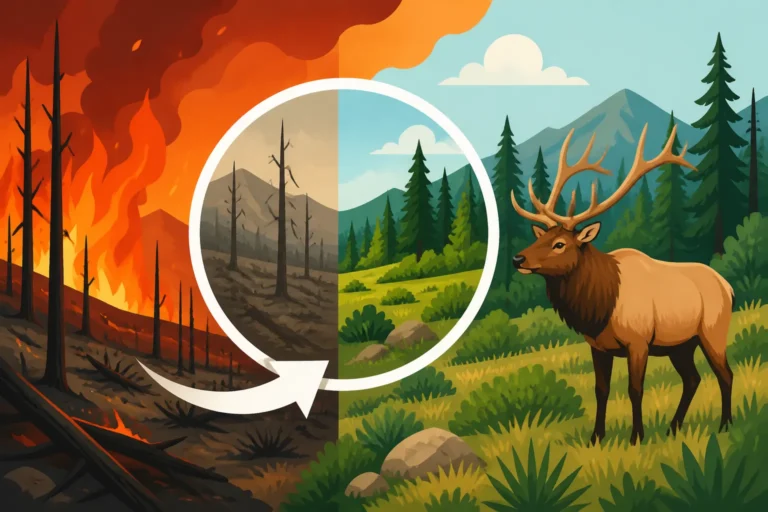
E-Scouting: Start with satellite imagery and topographic maps. Platforms like Google Earth or onX Maps allow you to identify potential bedding areas, feeding grounds, water sources, natural funnels, and access routes. Look for changes in vegetation, north-facing slopes for bedding, and areas with good glassing potential. Pay attention to historical burn scar data, as new growth in these areas can be elk magnets. E-Scouting a New Mexico Unit Before the Season can save you countless miles of walking later.
Boots on the Ground Scouting: If possible, visit your unit a few months or weeks before the season. Even if you don't draw that specific year, the knowledge gained is invaluable for future applications. Look for fresh elk sign: tracks, droppings, rubs, and wallows. Pinpoint specific water sources. Get a feel for the terrain, note potential camp spots, and identify hidden benches or saddles that elk might use.
Talking to Locals and Biologists: Sometimes, the best information comes from those who know the area intimately. Respectfully engaging with local ranchers, forest service personnel, or New Mexico Game and Fish biologists can provide invaluable insights into elk movements, water conditions, and recent herd activity. Combine all these layers of information to form a comprehensive hunting plan.
Hunting Tactics for New Mexico Elk
Once you've drawn your tag and prepared your body and gear, it's time to talk strategy. New Mexico's diverse units and varied seasons require adaptable hunting tactics.
Early Season Archery: Bugles and Spot-and-Stalk
New Mexico's early archery season often coincides with the peak of the elk rut, making for some of the most exhilarating hunting experiences. When the Elk Rut Peaks in New Mexico usually falls in mid-September, creating a symphony of bugles echoing through the canyons.
Bugling: During the rut, calling is a primary tactic. Locator bugles at dawn or dusk can help you pinpoint a bull's location. Once you hear one, careful navigation and tactical calling are key. A common Two-Hunter Calling Setups That Actually Work involves one caller staying back to mimic a cow or rival bull, drawing the bull in, while the shooter sets up 50-80 yards ahead, ready for the shot. Remember, Bugling Bulls Through New Mexico's Mid-September Rut requires patience, reading the bull's mood, and knowing when to push and when to back off. Over-calling can easily educate a Gila bull.
Spot-and-Stalk: In more open country or when bulls are less vocal, spot-and-stalk tactics become crucial. This involves using high-quality optics to locate elk from a distance, then carefully planning an approach to get within bow range. This demands exceptional woodsmanship, wind awareness, and stealth. Playing Thermals on a Canyon Stalk is especially critical in the Gila, as rising and falling air currents can give away your position in an instant.
Muzzleloader and Rifle Strategies in Diverse Terrain
Later seasons, or specific muzzleloader and rifle hunts, often mean elk are less vocal and more spread out or in larger herds.
Muzzleloader: New Mexico offers fantastic muzzleloader opportunities. These hunts provide a unique challenge, bridging the gap between archery and rifle seasons. Muzzleloader Caliber Minimums for Elk apply, and while Can You Use a Scope on a Muzzleloader is a common question, some traditional hunts may restrict optics. Success often comes from patience, stalking skills, and being prepared for a single, well-placed shot.
Rifle: Rifle hunts open up longer-range possibilities, though shot opportunities in thick timber can still be close-quarters. Rifle Zero Distance for Canyon Country is often a point of debate, but understanding bullet drop and Holding for Wind Across a Deep Canyon are essential for ethical long-range shots.
Glassing and Patience: Regardless of the weapon, glassing is your most potent tool. Find a vantage point and systematically Grid Glassing a Basin Without Missing Bucks (or bulls!). Elk often bed down for hours in thick cover during the day, so patience to watch and wait for them to move is vital. Still-hunting through prime bedding areas, moving slowly and deliberately, can also be effective, especially in timbered units.
Adapting to Weather and Elk Behavior
New Mexico weather is famously unpredictable. Early fall can bring scorching heat, while late seasons can dump feet of snow. Elk behavior is intrinsically linked to these conditions.
Heat: During warm spells, elk will seek dense cover, higher elevations, and especially water sources. Hunting near Finding Water in New Mexico's Dry Country can be highly effective. They'll be most active at dawn and dusk, possibly even through the night.
Cold/Snow: Snow can push elk to lower elevations or south-facing slopes. Fresh snow can also make tracking easier and quiet your approach. Understanding their winter range movements is important for late-season success.
Pressure: Elk quickly become educated once hunting season begins. If a unit sees heavy pressure, elk will become more nocturnal, move into thicker cover, or relocate to more remote, harder-to-reach areas. This is where fitness and the willingness to go deeper into the wilderness really pays off. Reading Fresh Elk Sign in Ponderosa Timber becomes crucial to understanding their recent movements and predicting where they might be headed next.
Beyond the Gila: Other New Mexico Elk Opportunities
While the Gila is famous, it's not the only place to find elk in New Mexico. The state offers diverse hunting experiences across its varied landscapes.
Northern New Mexico's High Country Elk
Beyond the Gila, the northern part of New Mexico, particularly within the Carson and Santa Fe National Forests, holds significant elk populations. Areas like the Chama region and the Sangre de Cristo Mountains offer spectacular high-country hunting. These units often feature vast aspen groves, spruce-fir forests, and high alpine meadows. While the bull quality might not consistently match the Gila's most legendary animals, opportunities for mature bulls certainly exist. The terrain is equally demanding, with high elevations and steep ascents, but the sheer beauty of the landscape is a reward in itself. These areas tend to have strong resident elk populations, and depending on the unit, draw odds can sometimes be slightly better than the most coveted Gila tags. It’s a different kind of challenge, often involving different tactics due to varied vegetation and typical hunting pressure. For those who want to experience New Mexico Mule Deer Across Northern New Mexico or other species, these northern units are often great multi-species opportunities.
Over-the-Counter and Leftover Tag Possibilities
While most prime elk tags are part of the draw, New Mexico does occasionally offer opportunities for over-the-counter (OTC) or leftover tags, though these are typically for cow elk or specific game management units that didn't fill in the draw.
Leftover Tags: After the primary draw results are announced, any tags that were not allocated (usually due to a lack of applicants or failed payments) are offered in a "leftover" sale. These hunts are often in less popular units, sometimes with lower success rates, or for cow-only tags, but they represent a chance to still get an elk hunt for the year without going through the draw again. New Mexico Leftover License Sales are highly competitive and sell out very quickly, often within minutes of becoming available online.
OTC Opportunities: True OTC elk opportunities are rare for bull elk in New Mexico. However, some private land or specific game management units might offer limited OTC cow tags or youth-only opportunities. It’s crucial to check the most current New Mexico Game and Fish regulations booklet annually, as these opportunities can change from year to year. These opportunities are not going to be in the famous trophy units, but they do provide valuable experience and a chance to fill the freezer. For many, a cow elk tag is a fantastic way to experience the thrill of the hunt and put delicious, organic meat on the table.
Ethical Hunting and Conservation in New Mexico
Hunting in New Mexico, especially for iconic species like elk, carries with it a profound responsibility not just to the game animals, but to the land and the tradition of hunting itself. Every hunter plays a role in conservation.
Respecting the Land and Wildlife
Hunting in New Mexico's vast public lands, especially in wilderness areas, means embracing a "leave no trace" ethic. Pack out everything you pack in, and then some. This includes all trash, spent casings, and any remnants of your camp. Minimize your impact on the land by staying on designated trails or roads where possible, and by making conscious decisions about where you establish camp.
Respecting wildlife goes beyond just adhering to bag limits and legal shooting hours. It means making ethical shots, minimizing tracking time, and ensuring a humane harvest. It also means The Meat Salvage Requirements for Big Game are followed diligently, ensuring that all edible meat is retrieved and utilized. These practices demonstrate respect for the animal and prevent waste. Additionally, be mindful of other users of public land—hikers, campers, and other hunters. A courteous and responsible demeanor in the field contributes positively to the public perception of hunting.
Contributing to Elk Management Efforts
As hunters, we are often the primary financial contributors to wildlife conservation through license and tag fees, which directly fund habitat improvements, research, and enforcement. But our contributions can extend beyond that.
Reporting Harvests: Mandatory Reporting After a New Mexico Harvest is not just a legal requirement, it's a critical tool for biologists to gather data on herd health, harvest rates, and population trends. This information helps shape future regulations and ensures sustainable hunting opportunities.
Staying Informed: Read the annual New Mexico Rules and Information Booklet thoroughly. Understand current regulations, season dates, and any special provisions for your unit. The more informed you are, the better equipped you are to make responsible decisions in the field.
Support Conservation Organizations: Organizations dedicated to wildlife and habitat conservation, such as the Rocky Mountain Elk Foundation, play a vital role in protecting and enhancing elk habitat in New Mexico and across the West. Their efforts often include land acquisitions, water development projects, and forest restoration. Supporting these groups, whether through membership, donations, or volunteer work, is another way to ensure the future of elk hunting.
Chasing elk in New Mexico's Gila country is more than just a hunt; it's an immersive wilderness experience that challenges your body, sharpens your mind, and connects you deeply with the raw beauty of the American West. The draw may be tough, and the mountains even tougher, but for those who commit to the preparation and respect the land, the rewards are immeasurable, etching memories that last a lifetime.
Disclaimer
Please note that hunting regulations, fees, and season dates are subject to change. Always consult the official New Mexico Department of Game and Fish website and the current year's hunting proclamation before planning and undertaking any hunting activities. This guide is for informational purposes only and does not supersede official state regulations.