The New Mexico Outfitter Draw Pool
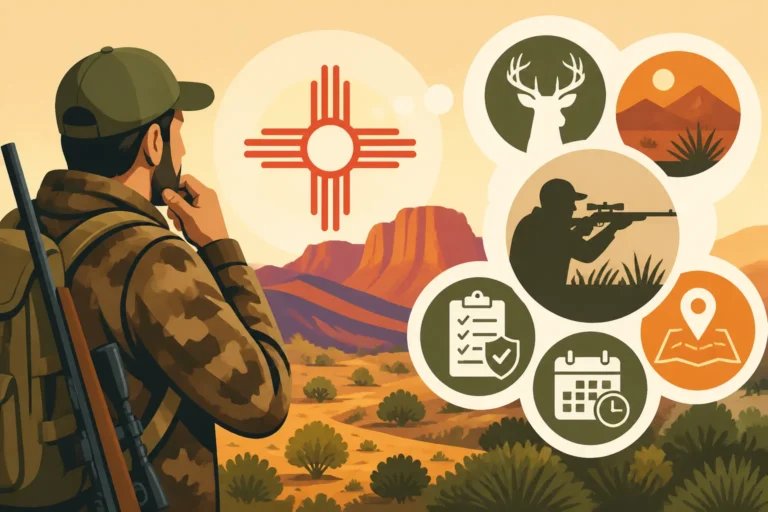
For many hunters, the New Mexico draw process can feel like navigating a maze blindfolded, especially when you start hearing about different "pools" and percentages. It's enough to make you throw your hands up and wonder if you'll ever draw that dream elk or mule deer tag. One of the most talked-about, and often misunderstood, aspects of this system is the New Mexico Outfitter Draw Pool. This guide is here to demystify that process, explaining exactly what it is, why it exists, and how it might impact your strategy for drawing a coveted New Mexico tag.
Understanding New Mexico's Outfitter Draw Pool
Let's cut right to the chase: New Mexico operates a unique tag allocation system that sets aside a specific percentage of licenses for hunters who apply with a registered outfitter. This isn't just a quirk; it's a fundamental part of how tags are distributed in the Land of Enchantment, and understanding it is crucial for anyone hoping to hunt big game here.
The Basics of the 10 Percent Allocation
New Mexico carves up its available big game tags into three distinct pools during the annual draw. First, you have the largest share, the 84 percent pool, which is reserved exclusively for New Mexico residents. This is where most local hunters place their bets, and for good reason, as it holds the vast majority of tags. Then, there's the 6 percent pool, which is allocated to non-resident hunters who apply without the aid of an outfitter. This pool is notoriously competitive, often leading to very low draw odds for those dreaming of a DIY New Mexico adventure.
And finally, we arrive at the focus of our discussion: the 10 percent outfitter pool. This segment of tags is specifically set aside for any hunter – resident or non-resident – who contracts with and applies under a registered New Mexico outfitter. It's a significant chunk of tags, and its existence changes the dynamics of the draw entirely. When you hear about the "outfitter draw," this is the pool they're talking about, dedicated to clients who are engaging professional guiding services.
How It Differs from Resident and Nonresident Pools
The most immediate difference, as we've already touched upon, is the percentage of tags available. The 10 percent outfitter pool is larger than the general non-resident pool, giving non-residents who utilize an outfitter a statistically larger share of the pie than if they went it alone. For residents, it offers an alternative path to a tag, bypassing the highly competitive 84 percent pool if they choose to go guided.
But it's more than just percentages. The outfitter pool comes with specific obligations. For starters, you must name a registered New Mexico outfitter on your application. This isn't a casual mention; it requires a legitimate, signed guide-client contract. This commitment is what separates an outfitter application from a standard one. You're not just buying a chance at a tag; you're buying into a guided experience, and the tag comes with that package. This distinct requirement is designed to support the state's outfitting industry while offering another avenue for hunters to secure tags. You can dive deeper into the specifics by reading The 10 Percent New Mexico Outfitter Pool.
Historical Context: Why This Pool Exists
It's natural to wonder why New Mexico decided to create such a specific allocation. The origin of the outfitter pool is rooted in a desire to provide opportunities for both hunters and the state's outfitting businesses. By setting aside a percentage of tags for guided clients, the state acknowledges the economic contribution that outfitters and their clients bring to local economies, especially in remote, rural areas. These businesses provide jobs, support local vendors, and often invest heavily in conservation efforts and access agreements with private landowners.
Think about it from a policy perspective: if all non-resident tags were lumped into one general pool, the draw odds would be even more abysmal, potentially discouraging out-of-state hunters who contribute significant revenue. The outfitter pool incentivizes these hunters to come, knowing they have a slightly better chance at a tag, and in doing so, they also support the local guiding industry. It's a balance of fostering tourism, providing hunting access, and supporting small businesses. This whole system has been a topic of much discussion over the years, and understanding Why New Mexico Created an Outfitter Pool helps paint a clearer picture.
Navigating the Outfitter Draw: Rules and Requirements
Alright, so you're thinking about applying through the outfitter draw. Great! But before you jump in, you need to understand the very specific hoops you'll have to jump through. This isn't a "set it and forget it" kind of application; there are contractual obligations and in-field requirements that are unique to this pool.
The Mandatory Guide-Client Contract
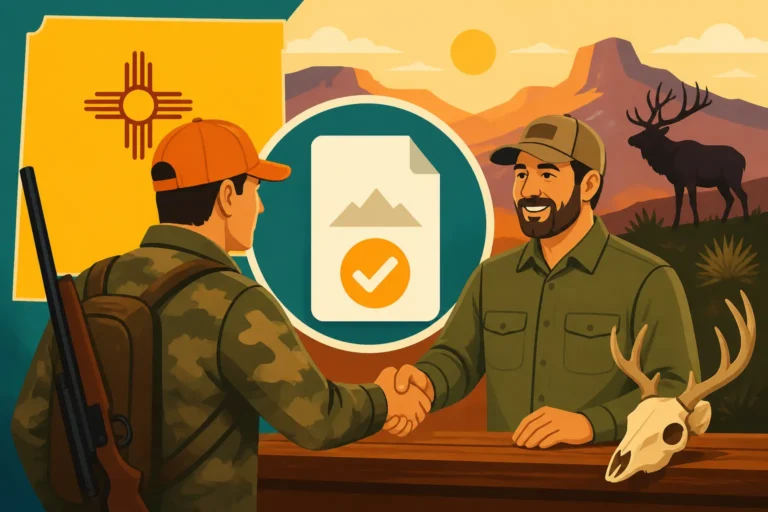
This is probably the biggest hurdle for many hunters considering the outfitter draw. To be eligible for the 10 percent pool, you absolutely must have a signed contract with a New Mexico registered outfitter. This isn't just a handshake deal; it's a formal, written agreement that outlines the services the outfitter will provide, the dates of your hunt, the fees involved, and other critical details.
Why is this so important? The state needs to ensure that you are genuinely planning a guided hunt and that the outfitter is a legitimate, licensed professional. This contract is your proof of intent. It protects both you and the outfitter, laying out clear expectations. Without this signed document, your application into the outfitter pool won't even be considered. You literally cannot proceed with an outfitter application without providing the specific outfitter's license number, which implies this prior agreement. Understanding The New Mexico Guide-Client Contract Requirement is paramount before you proceed.
Applying with Your Outfitter's Number
Once you've done your research, talked to potential guides, and committed to an outfitter, they will provide you with their registered outfitter number. This isn't just a casual piece of information; it's a critical component of your online application. When you fill out your New Mexico Game and Fish application, there will be a specific field where you enter this outfitter number.
This number links your application directly to that outfitter's client roster. It's how the state verifies your eligibility for the 10 percent pool. If you omit it, or if you enter an invalid number, your application will likely be processed in the general non-resident pool (if you're out-of-state) or the resident pool, nullifying any perceived advantage you were hoping to gain from applying with an outfitter. It's a simple, but crucial, step that can make or break your outfitter draw strategy. Ensure you have the correct number and enter it accurately. For more details on this step, check out Applying Under a New Mexico Outfitter Number.
The "Two-Day Accompaniment" Rule Explained
Here's another specific requirement that often catches hunters by surprise: the "two-day accompaniment" rule. If you draw a tag through the outfitter pool, your contracted outfitter (or one of their licensed guides) must physically accompany you in the field for a minimum of two calendar days of your hunt.
This isn't just a formality; it's a legal requirement designed to ensure that the guided service is genuinely provided. It means your outfitter can't just provide you with a tag and send you on your way. They have to be present and actively involved in your hunt for at least two days. This could involve scouting with you, calling for you, tracking, or simply sharing their knowledge of the unit. These two days don't have to be consecutive, but they must occur within the dates of your actual hunt. Many hunters appreciate this as it adds significant value to the overall experience, especially if they are unfamiliar with the terrain or hunting style. If you're wondering about the specifics, reading New Mexico's Two-Day Accompaniment Requirement will give you a comprehensive overview.
Impact on Your Draw Odds: Fact vs. Fiction
Now for the million-dollar question: does applying with an outfitter actually improve your chances of drawing a tag in New Mexico? This is where a lot of speculation and misinformation can circulate, and it's important to separate the facts from the common myths.
Do Outfitters Really Improve Your Chances?
For non-resident hunters, the answer is often a resounding "yes," but with an asterisk. When you compare the 6 percent general non-resident pool to the 10 percent outfitter pool, the outfitter pool inherently offers a larger share of tags. This means, statistically, there are more tags available to be drawn by outfitter clients.
However, it's not a magic bullet. The number of applicants in the outfitter pool also fluctuates, and highly coveted units or seasons can still be incredibly competitive, even within that 10 percent. The advantage isn't that you get "preference" for being with an outfitter, but rather that you're competing in a pool with more available tags than the general non-resident pool, which often has thousands of applicants vying for very few tags. For residents, the "improvement" is less about better odds on specific units, and more about having a second bite at the apple if their resident-only choices are long shots. Ultimately, the question of Does the New Mexico Outfitter Pool Improve Odds? is complex, but generally, yes, it can, especially for non-residents.
Analyzing the Different Draw Scenarios
To truly understand the impact, let's look at it through different lenses:
- Non-Resident, No Outfitter: You're competing in the 6 percent pool. This is often the toughest path, with very high demand and very limited supply, especially for popular units and elk. Your odds here can be incredibly slim, even for secondary choices.
- Non-Resident, With Outfitter: You're competing in the 10 percent pool. While still competitive, the larger allocation means more opportunities. For many non-residents, this is considered the most viable strategy for drawing a tag in New Mexico. Platforms like GoHunt often publish detailed draw odds that include the outfitter pool, allowing you to see the historical success rates and make informed decisions. This is where you might find your best chance for that coveted Gila elk tag.
- Resident, No Outfitter: You're in the 84 percent resident pool. This is your primary advantage as a New Mexico resident, with the vast majority of tags reserved for you. Your odds are generally much higher here than any non-resident options.
- Resident, With Outfitter: You can choose to apply in the 10 percent outfitter pool as a resident. Why would you? If you have specific, highly competitive unit choices that are long shots even in the resident pool, applying with an outfitter gives you another opportunity to draw a tag for those units. It’s like having a second lottery ticket for the same prize, albeit at a higher cost.
It’s about understanding where the demand and supply curves meet for your specific species and unit choice. Using resources that break down these draw statistics can be incredibly helpful in developing your application strategy.
Can Residents Apply in the Outfitter Pool?
Absolutely, yes! This is a common misconception that many hunters, even those living in New Mexico, have. While the outfitter pool is often seen as a benefit primarily for non-residents looking to increase their odds, residents are equally eligible to apply in this pool.
As mentioned above, a resident might choose to do this for a few key reasons. Perhaps they've been trying to draw a specific, trophy-caliber elk or deer tag in a highly desirable unit for years through the 84 percent resident pool with no success. By contracting with an outfitter, they gain access to the 10 percent pool, essentially getting another chance at that elusive tag. It does mean committing to a guided hunt and its associated costs, but for some, the chance to hunt a dream unit is worth the investment. It’s a strategic choice, not a mandatory one, but it's an option that opens up more possibilities for anyone holding a New Mexico resident license.
Choosing an Outfitter for the Draw Pool
So, you've decided the outfitter draw is the path for you. Fantastic! But the next, equally critical step is finding the right outfitter. This isn't a decision to take lightly, as your investment and your hunt experience depend heavily on who you choose.
Vetting a Reputable New Mexico Outfitter
Finding a good outfitter is like hiring any other professional: you need to do your homework. Start by looking for outfitters who are licensed and insured in New Mexico. This is a non-negotiable first step. Don't be afraid to ask for proof of their licensing. Reputable outfitters will be transparent and proud of their credentials. Many online platforms, like BookYourHunt, allow you to browse and compare licensed outfitters, often with client reviews and detailed service descriptions.
Next, consider their experience with the species and units you're interested in. An outfitter who specializes in desert mule deer might not be the best choice for a high-country Gila elk hunt, and vice-versa. Ask for references from past clients, and make sure to actually call them. Ask about their hunting style, success rates, camp conditions, and how they handle unexpected situations. A good outfitter will have a proven track record and happy clients. Finally, evaluate their communication. Do they respond promptly and thoroughly to your questions? A lack of communication upfront could be a red flag for what your experience might be like down the road.
Essential Questions to Ask Before Signing a Contract
Before you put pen to paper on that guide-client contract, you need to have a very clear understanding of what you're getting into. Don't be shy; this is your money and your hunting adventure on the line. Here are some essential questions:
- What's included in the price? Does it cover food, lodging, transportation in the field, trophy care, and initial meat processing? What about airport pickup or taxidermy referrals? What a Fully Guided New Mexico Elk Hunt Includes provides a good checklist.
- What are the full costs beyond the base price? Are there tag fees, license fees, habitat stamp fees, or HMAV validation fees that you're responsible for? What about potential trophy fees or gratuities?
- What are the specific dates and duration of the hunt? How many actual hunting days are included?
- What is the outfitter's success rate for the specific unit and species I'm applying for? Ask for harvest statistics rather than just "opportunity" rates.
- How many hunters are in camp at one time, and what's the guide-to-hunter ratio? This impacts the personalized attention you'll receive.
- What happens if I don't draw the tag? This is critical for the outfitter draw. Will your deposit be fully refunded, partially refunded, or rolled over to the next year? This needs to be explicitly stated in the contract.
- What's their cancellation policy? Life happens. If you need to cancel, what are the terms?
- What is the physical intensity of the hunt? Be honest about your fitness level and ensure the outfitter can accommodate you.
- What gear do I need to bring, and what do you provide?
- What are the arrangements for the "two-day accompaniment" rule? Will the outfitter or a specific guide be with you?
Getting clear answers to these questions will help prevent misunderstandings down the road. Always get everything in writing in the contract. For more pointers, refer to Questions to Ask a New Mexico Outfitter.
What Happens if Your Outfitter Falls Through?
This is a nightmare scenario for any hunter, but it's important to consider. What if, for unforeseen reasons, your chosen outfitter can't fulfill their end of the contract or becomes unavailable? Maybe they have a medical emergency, a family crisis, or worse, they cease operations.
First, your contract should ideally have clauses addressing such situations. This is why a detailed contract is so crucial. It should outline what happens to your deposit and your hunt. Second, New Mexico Game and Fish rules dictate that if your outfitter is unable to provide the required "two days in the field," you might still be able to hunt, but it could impact your ability to apply with an outfitter in the future or even lead to complications with your drawn tag.
In some cases, a reputable outfitter might have arrangements with other licensed guides to cover their clients, ensuring the two-day accompaniment rule is met. However, it's a risk you need to be aware of. When vetting an outfitter, ask them directly about their contingency plans. A solid operation will have a plan B, or at least a clear policy on refunds or deferrals in such events. Reading What Happens If Your New Mexico Outfitter Cannot Attend will give you more context on the official rules.
The Logistics of a Guided Hunt Through the Draw
Alright, you've committed to the outfitter draw, signed your contract, and now you're waiting for those draw results. The excitement is building! But securing a tag is just one piece of the puzzle. The practicalities of a guided hunt, especially one tied to the draw, require careful consideration.
Booking Timelines Around the March Deadline
The New Mexico big game application deadline is a firm one: March 18th at 5 p.m. Mountain Time. This date is critical for everyone, but particularly for those applying through the outfitter pool. You need to have your outfitter chosen, your contract signed, and their outfitter number in hand well before this deadline.
Don't wait until the last minute! Reputable outfitters often book up months, if not a year or more, in advance. Starting your outfitter search in January or February for a draw that closes in March is probably too late for the most sought-after guides and hunts. Begin your research in the fall or early winter of the preceding year. This gives you ample time to vet outfitters, have conversations, negotiate terms, and get the contract signed without feeling rushed. Missing the deadline means missing the draw entirely for that year, and all your planning goes out the window. Keep this in mind: The March Deadline for New Mexico Applications isn't just for residents!
Understanding Hunt Costs Beyond the Tag
This is where reality often hits hard for many hunters. While drawing a tag through the outfitter pool might increase your odds, it also comes with a significant financial commitment beyond the cost of the hunting license itself. A fully guided New Mexico elk hunt, for example, can range considerably based on the duration, species, unit, accommodations, and the outfitter's reputation.
Your outfitter's fee typically covers guiding services, meals, and lodging during your hunt. However, it usually does not include:
- Your New Mexico hunting license and tag fees (these are separate and you'll pay them to the state directly if you draw).
- Travel expenses to and from New Mexico.
- Gratuities for your guides and camp staff.
- Meat processing and shipping costs for your harvest.
- Taxidermy services.
- Any personal gear you need (clothing, optics, weapon, etc.).
It’s easy to focus on the outfitter's quoted price and forget these additional expenses. When budgeting for your hunt, create a comprehensive list of all potential costs. Ask your outfitter for a detailed breakdown, and research typical costs for things like meat processing and shipping from New Mexico to your home state. Understanding the true "all-in" cost is essential for financial planning.
What to Expect During Your Accompanied Hunt
If you're successful in the draw and your outfitter contract is confirmed, then it's time for the actual hunt! What can you expect? A guided hunt, particularly one through the outfitter draw, is an immersive experience where your outfitter and their guides are there to maximize your chances of success and provide a safe, memorable adventure.
During your hunt, your outfitter or a designated guide will be with you for at least two calendar days, as per the state requirements. This accompaniment often extends throughout the entire hunt, providing continuous support, expertise, and assistance. They will lead you to prime hunting areas, interpret sign, help with calling (especially for elk!), and assist with tracking and field dressing if you're successful. They're there to manage the logistics, allowing you to focus on the hunt itself.
Expect comfortable but often rustic accommodations, whether it's a wall tent camp deep in the wilderness (like a drop camp scenario) or a more permanent lodge. Meals are usually provided and designed to fuel your days in the field. The atmosphere is typically one of camaraderie, shared passion, and hard work. Your guides will be working tirelessly to put you on game, and your success is their priority. It’s an incredible opportunity to learn from experienced professionals and explore some of New Mexico's most stunning hunting grounds. What a Fully Guided New Mexico Elk Hunt Includes can give you a better idea of what these services typically entail.
| Draw Pool | Allocation Percentage | Who Can Apply | Key Requirement |
|---|---|---|---|
| Resident General | 84% | New Mexico Residents | Valid NM Hunting License |
| Non-Resident General | 6% | Non-Residents | Valid NM Hunting License |
| Outfitter Pool | 10% | Residents & Non-Residents | Signed Contract with NM Outfitter |
Disclaimer
This article is for general informational purposes only and does not constitute professional advice. Laws, prices and regulations vary by location and change over time. Consult a qualified professional for guidance on your specific situation.