Elk Quality Inside Unit 16A
Anyone who has spent a minute researching elk hunting in New Mexico has undoubtedly heard whispers, or perhaps outright shouts, about the Gila. It’s a vast, rugged, and sometimes unforgiving landscape, but it’s also the stuff of legend for many hunters. When the conversation turns to specific units within this iconic region, Unit 16A often comes up as a top contender for quality elk. But what does "elk quality" truly mean in a unit like 16A, and what can you realistically expect? This guide will dive deep into what makes Unit 16A stand out, the environmental factors at play, and how you can approach a hunt there with informed expectations.
Understanding Unit 16A's Reputation for Elk Quality
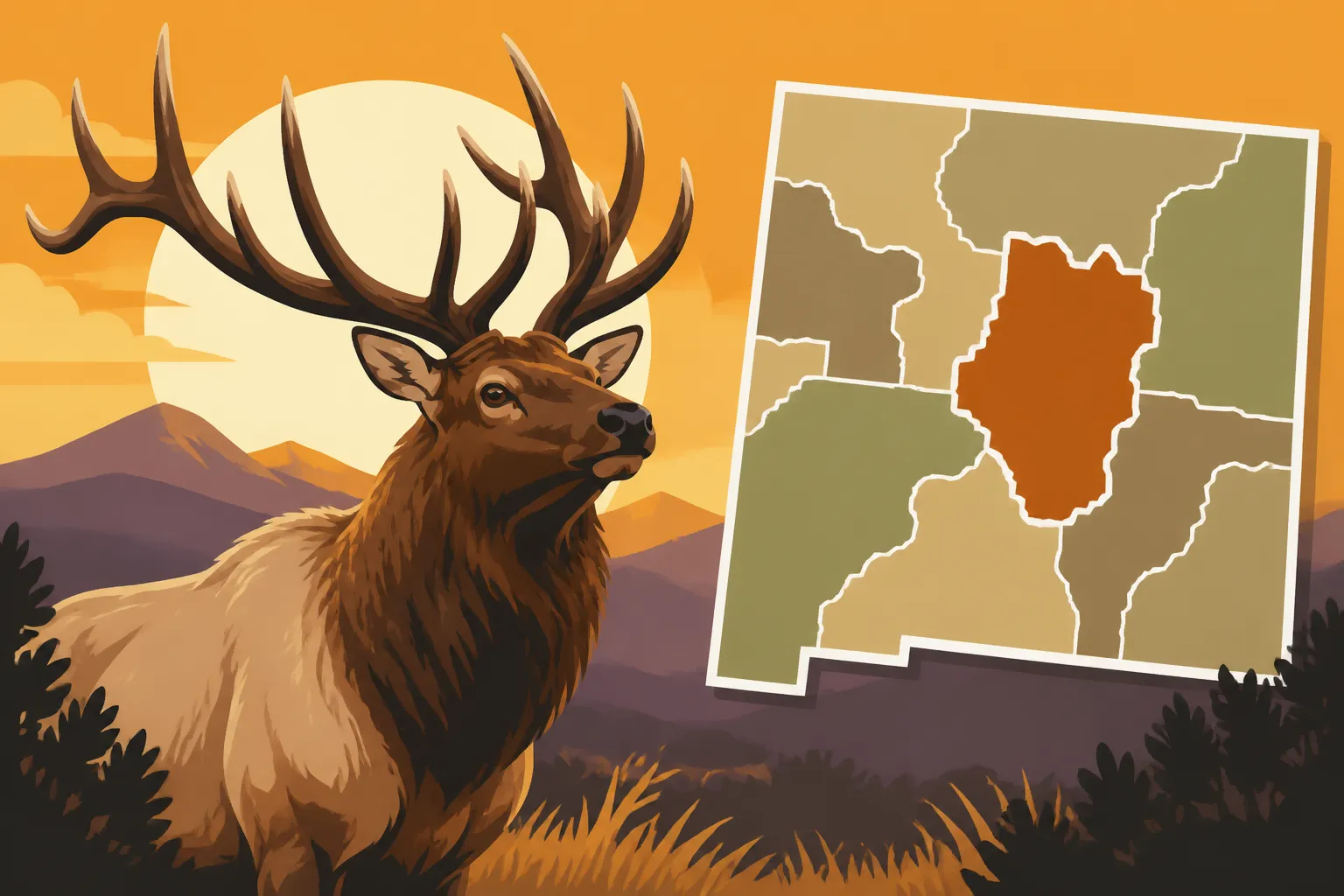
Unit 16A is nestled deep within the Gila National Forest, part of that sprawling wilderness complex that defines much of southwestern New Mexico's big game hunting. It's a unit that consistently garners attention, not just for its beauty, but for the potential it holds for mature, heavy-antlered bulls. The reputation isn't built on casual sightings, but on a combination of factors that cultivate a truly wild and challenging hunting experience, often rewarding those who put in the effort.
The Gila Wilderness Influence on Unit 16A
At the heart of Unit 16A's allure is its significant wilderness component. A large portion of this unit falls within the Gila Wilderness, one of the first designated wilderness areas in the United States. This isn't just a pretty name; it profoundly impacts the elk quality. Wilderness status means no motorized vehicles are allowed beyond its boundaries, forcing hunters to go in on foot or horseback. This inherent difficulty creates a natural buffer against excessive pressure. Bulls, especially the older, wiser ones, can find sanctuary in these remote, inaccessible pockets, allowing them to age and grow larger racks.
Imagine strapping on a heavy pack, leaving the truck behind, and knowing that every step deeper into the Gila means fewer human footprints ahead of you. This is the reality of hunting 16A's wilderness. It demands physical stamina and a willingness to embrace solitude. The rugged terrain, deep canyons, and thick timber provide cover and escape routes for elk, contributing directly to their ability to mature without constant disturbance. This protection from constant human interaction is a cornerstone of the unit’s reputation for producing high-quality animals.
Habitat and Forage for Trophy Potential
Elk quality isn't just about age; it's also about what those elk are eating. Unit 16A boasts a diverse and rich habitat that directly supports impressive antler growth and overall herd health. You'll find a mix of ponderosa pine forests, aspen groves, oak brush thickets, and high-elevation meadows. These diverse vegetation zones provide critical forage throughout the year, adapting to the seasonal needs of the elk.
During spring and summer, the high-country meadows burst with nutrient-rich grasses and forbs, fueling rapid body growth and antler development. As the seasons change, elk move into the timbered slopes and canyons, finding shelter and browse from oak brush and other woody plants. The consistent availability of varied, high-quality forage throughout their annual cycle means that bulls have the nutritional resources they need to express their genetic potential. A healthy bull is a bull with big antlers, and Unit 16A generally provides what's needed for that growth. Understanding these habitat types is key to your scouting, as elk will utilize different areas based on weather and time of year.
Historical Harvest Data and What It Suggests
While the New Mexico Department of Game and Fish (NMDGF) doesn't typically publish "trophy scores" for public consumption, reviewing historical harvest data and hunter success rates offers strong clues about elk quality in a unit like 16A. Data points to a consistent harvest of mature bulls, often with impressive antler characteristics. What you won't find is a unit where every hunter walks away with a record-book bull; that’s simply not realistic anywhere. However, the potential for encountering a bull of that caliber is undeniably higher here than in many other units across the state.
When you look at the draw odds and success rates for Unit 16A, particularly for rifle and prime archery seasons, you'll see why it's so coveted. Hunters are willing to wait years and face tough odds because the payoff can be significant. Resources like GoHunt often compile and analyze this data, offering insights into harvest trends, average antler size, and the age structure of harvested animals, which can be invaluable when making your application choices. This type of information helps you gauge the realistic chances of encountering a truly exceptional animal, rather than just any legal bull. It's about looking beyond simple success rates to understand the quality of success.
Factors Influencing Elk Quality Year-to-Year in Unit 16A
Even in a unit as historically productive as 16A, elk quality isn't a static thing. It's a dynamic equation influenced by numerous environmental and biological factors that can shift from one season to the next. Understanding these variables can help you temper expectations and adjust your strategies, acknowledging that Mother Nature always has the final say.
Rainfall and Forage Availability
The most significant driver of antler growth and overall herd health in a semi-arid state like New Mexico is precipitation. A wet spring and summer mean lush, abundant forage for elk. This directly translates to better body condition for cows (leading to healthier calves) and, crucially, superior antler development for bulls. Think of it like a bodybuilder's diet: if the nutrients aren't there, the growth stalls.
Conversely, a dry year can significantly reduce forage quality and quantity. When drought conditions persist, elk expend more energy searching for food and water, which diverts resources away from antler growth. Bulls might produce smaller racks or even "regress" in antler size compared to previous years. Hunters often look at annual precipitation trends in the Gila region, which GoHunt and other platforms track, to get a sense of the potential for the upcoming season. While you can't control the weather, knowing its historical impact allows for more informed expectations. This ecological dance between rainfall and forage availability plays a crucial role in the annual story of Unit 16A's elk quality.
Herd Management and Population Dynamics
The New Mexico Department of Game and Fish actively manages elk herds across the state, and Unit 16A is no exception. Management strategies, including tag quotas for various hunt types (archery, muzzleloader, rifle) and season lengths, are designed to balance hunter opportunity with herd health and population objectives. These decisions directly influence the age structure of the bull population and the bull-to-cow ratio.
In units known for quality, like 16A, management often aims to maintain a healthy proportion of older-age-class bulls. If too many young bulls are harvested, it can reduce the number of mature animals available in future years. The NMDGF analyzes harvest data, population surveys, and environmental factors annually to set tag numbers. While Unit 16A typically maintains a reputation for quality, changes in these management strategies or unexpected population shifts (like significant winter mortality) can subtly alter the dynamics. Keeping an eye on the state's annual rule and information booklet for changes in tag allocations can offer clues about the department's assessment of herd health and quality for the upcoming season. Understanding how herd management works is a critical part of Reading a New Mexico Hunt Code Before You Apply.
Winter Severity and Overwinter Survival
The brutal reality of the wild is that not all animals survive winter, especially the young, old, or weak. The severity of winter conditions can have a substantial impact on elk quality in subsequent seasons. A harsh winter with deep snow and prolonged cold can lead to higher mortality rates, particularly among calves and older bulls who may already be stressed from the rut.
If a particularly severe winter hits the Gila, it might mean fewer mature bulls entering the next season, temporarily affecting the "quality" of the unit. Conversely, mild winters allow more animals to survive, contributing to a stronger age class moving forward. While hunters often focus on the excitement of the rut and the antler growth of summer, the quiet, unforgiving months of winter play a huge role in determining what kind of elk will be available when hunting season rolls around again. Being aware of the preceding winter's conditions can help you set realistic expectations for your hunt.
Strategies for Finding Quality Elk in Unit 16A
Hunting Unit 16A for quality elk is not a casual endeavor. It requires meticulous planning, physical preparation, and an understanding of elk behavior within its unique terrain. Simply showing up with a tag is rarely enough; success often hinges on how well you prepare and adapt.
E-Scouting and Topographical Analysis
Before you even set foot in Unit 16A, the serious work begins with e-scouting. This involves using digital mapping tools, like those offered by GoHunt, to virtually explore the unit. Focus on identifying key topographical features that elk are likely to use. Look for north-facing slopes, which retain moisture and offer cooler bedding areas during warmer months. Identify saddles and benches that serve as travel corridors between feeding and bedding grounds. Pay close attention to water sources – springs, seeps, and seasonal tanks – as these are vital in the arid New Mexico landscape, especially during early seasons.
Elevation bands are also crucial. Elk will move between elevations depending on temperature, hunting pressure, and forage availability. Map out potential glassing points that offer expansive views into timbered canyons and open parks. Understanding the lay of the land from a bird's-eye perspective allows you to develop a strategic plan for your hunt, identifying primary and secondary areas, and planning approaches that minimize your impact. This kind of detailed virtual reconnaissance is the foundation for any successful backcountry hunt in a unit as vast as 16A. For a deeper dive, consider E-Scouting a New Mexico Unit Before the Season.
On-the-Ground Scouting and Sign Reading
While e-scouting gets you in the ballpark, nothing replaces boots on the ground. If you have the opportunity, a pre-season scouting trip to Unit 16A is invaluable. Focus on finding fresh sign: large tracks, recent rubs on trees (especially larger diameter trees, indicating mature bulls), active wallows, and heavy game trails. Learn to differentiate fresh sign from old, paying attention to details like mud in tracks or the dryness of rub bark.
During the pre-rut and rut, listening for bugles at dawn and dusk can help you pinpoint active areas. Note feeding areas, escape routes, and bedding thickets. Pay attention to how the wind and thermals behave in different parts of the terrain, as this will dictate your approach during the actual hunt. Reading Fresh Elk Sign in Ponderosa Timber is a skill that takes time to develop but is essential for consistently finding elk in a unit like 16A. Your e-scouting plan provides the framework, but on-the-ground validation fills in the critical details that digital maps can't convey.
Adjusting Tactics for Different Seasons
Unit 16A offers various hunt choices, and the tactics for finding quality elk will vary significantly depending on the season you draw.
- Archery Season (Early September): This is often during the early stages of the rut or just before it truly explodes. Locator bugles are effective for finding bulls, but calling tactics need to be nuanced, as bulls might be less aggressive than during the peak. Focus on water sources and cool, shady bedding areas during the warmer parts of the day. Bowhunters need to master How Close a Bowhunter Needs to Get on Elk for a shot.
- Muzzleloader Season (Mid-September): This often coincides with the peak of the rut. Aggressive calling can be highly effective, as bulls are more territorial and vocal. Being prepared to move quickly and set up strategically is key. Understanding Bugle Timing Through New Mexico's Rut will be crucial.
- Rifle Seasons (Late September/Early October): After the intensity of the rut, bulls can become more reclusive and will likely retreat to thicker cover to recover. Spot and stalk tactics, focusing on glassing large areas at dawn and dusk, become more important. Elk will still be feeding but might be less vocal. Understanding Best Time of Day to Glass for Elk and identifying escape routes is paramount.
Each season presents its own set of challenges and opportunities for finding that quality bull, requiring different skill sets and approaches.
The Realities of Hunting Unit 16A for Quality Bulls
Let's be real: hunting Unit 16A, especially for a mature bull, is not for the faint of heart. The rewards can be immense, but they come with significant demands. It's crucial to go into this hunt with a clear understanding of what you're up against, both from the elk and the environment.
Physical Demands and Wilderness Navigation
The Gila Wilderness, where much of 16A lies, is magnificent but unforgiving. The terrain is relentlessly steep, with deep canyons, rugged ridges, and often dense timber. You will be walking miles, gaining and losing thousands of feet in elevation, often in thin air. This is not a hunt for someone who hasn't committed to serious physical preparation. Being in top shape is not just about comfort; it's about safety and your ability to hunt effectively for days on end.
Beyond the physical exertion, navigation skills are paramount. While GPS devices and mapping apps are incredibly useful, you must know how to use them proficiently and have backup analog maps and a compass. Getting lost in the vastness of the Gila is a serious concern, and cellular service is non-existent in most areas. Packing an elk out of a remote canyon in 16A is one of the most physically demanding aspects of the hunt, requiring strength, endurance, and often, a dedicated team or pack animals. Many opt for professional help, looking at Gila Outfitters Sell Access to Country You Cannot Reach Alone.
Hunting Pressure and Finding Seclusion
Despite its wilderness status, Unit 16A is a popular unit, and it does receive hunting pressure. While the deeper wilderness areas offer refuge, access points and areas closer to roads can see significant numbers of hunters, especially during opening weekends of rifle seasons or peak rut for archery. The challenge isn't just finding elk, it's finding unpressured elk, which often means venturing further than most other hunters are willing to go.
This requires a strategy to find seclusion. It might involve packing in several miles, utilizing rougher trails, or navigating difficult terrain that deters others. Planning your approach to avoid popular trailheads or using less-traveled access points can significantly improve your experience. While GoHunt can show you where public access generally lies, it's up to you to push beyond the initial layers of pressure to find those hidden pockets where mature bulls feel safe. Finding low-pressure ground on opening weekend means understanding human behavior as much as elk behavior.
Managing Expectations for a Trophy Hunt
The allure of a trophy bull in Unit 16A is powerful, but it's vital to manage your expectations. While the unit has the potential to produce world-class animals, it's still hunting, and nothing is guaranteed. Many hunters spend years applying for this tag, and even with a tag in hand, a successful harvest, let alone a trophy, is never a given.
Focus on the overall experience: the beauty of the Gila, the challenge of the hunt, the satisfaction of a fair chase. A quality elk hunt isn't solely defined by antler size; it's about the effort, the learning, and the memories made. Unit 16A offers a true wilderness experience, where you can test your skills against one of North America's most magnificent game animals in a spectacular setting. Go into it well-prepared, determined, and with a realistic outlook, and you'll come away with an unforgettable adventure, regardless of the score of your bull.
| Season Type | Typical Timing (Approx.) | Elk Behavior | Hunter Density (General) | Potential for Quality Bulls | Key Tactics |
|---|---|---|---|---|---|
| Archery | Early to Mid-September | Pre-rut to early rut, vocal but cautious | Moderate to High | Excellent, but physically demanding | Calling, still-hunting, water holes, precise stalking |
| Muzzleloader | Mid to Late September | Peak rut, highly vocal and aggressive | High | Excellent, exciting | Aggressive calling, close-quarters hunting |
| Early Rifle | Late September/Early October | Post-rut, moving to thick cover, less vocal | High | Good, but challenging | Glassing, spot & stalk, patience, finding seclusion |
| Late Rifle | Mid to Late October | Recovering, less active, focusing on feeding | Moderate | Moderate to Good | Glassing, focusing on forage, cover, and travel corridors |
Disclaimer
This article is for general informational purposes only and does not constitute professional advice. Laws, prices and regulations vary by location and change over time. Consult a qualified professional for guidance on your specific situation.