Mandatory Reporting After a New Mexico Harvest
The excitement of a successful hunt in New Mexico is something truly special, but that moment of triumph often comes with a quickly approaching responsibility: mandatory harvest reporting. It’s easy to get caught up in the relief of a filled tag, the hard work of field dressing, and the planning for meat care, only to have the administrative side of things feel like an afterthought. However, understanding and fulfilling New Mexico’s harvest reporting requirements is crucial, not just for compliance, but for the health of our wildlife and the future of hunting. This guide will walk you through everything you need to know about reporting your harvest, ensuring you stay on the right side of the law and contribute positively to wildlife management.
Understanding New Mexico's Mandatory Harvest Reporting
Harvest reporting can feel like just another piece of red tape, a bureaucratic hurdle after you’ve already put in the work and earned your animal. But I promise you, there’s a much bigger picture here, one that directly impacts the quality of hunting we all enjoy in New Mexico.
Why Reporting Matters Beyond Just Compliance
When you report your harvest, you're not just checking a box; you're providing vital data to the New Mexico Department of Game and Fish (NMDGF). This information is the backbone of sound wildlife management. Every reported animal tells biologists a story: which units are seeing higher success rates, the age and sex ratios of harvested animals, and how different weapon types or season dates perform. This data directly influences future tag allocations, season dates, and even conservation efforts.
Think about it this way: without accurate reporting, NMDGF would be flying blind when it comes to understanding herd health and population trends. That’s why, even when it feels like a chore, your compliance is a direct contribution to ensuring that future generations can experience the same incredible opportunities we have today. The NMDGF takes this data and uses it to make informed decisions, often publishing detailed reports on New Mexico Publishes Harvest Data, giving us all a look behind the curtain. It's a critical tool in how biologists assess herd dynamics and ultimately, How Biologists Count a Desert Big Game Herd.
What Species Require Mandatory Reporting?
Not every species harvested in New Mexico requires mandatory reporting, but most big game species do. Generally, if you drew a specific tag for an animal, you’ll be required to report your success, or lack thereof, within a certain timeframe.
The primary species requiring mandatory harvest reporting include:
- Elk: This is probably the most commonly reported big game animal, given the popularity of elk hunting in units like the Gila.
- Mule Deer: Whether you're hunting high-country bucks or desert mule deer, successful harvests need to be reported.
- Oryx: These unique hunts, especially on places like White Sands Missile Range, have strict reporting protocols.
- Pronghorn: Eastern plains antelope hunters are also required to report their take.
- Bighorn Sheep & Ibex: Due to the rarity and specialized nature of these tags, reporting is absolutely critical for these species.
- Barbary Sheep: Hunts for Aoudad (Barbary sheep) also fall under mandatory reporting.
- Bear & Cougar: These species often have specific reporting requirements, sometimes including checking in the hide and skull with NMDGF, in addition to the initial harvest report, to track harvest limits and management zones.
Small game, furbearers, and birds typically do not require individual harvest reporting, though bag limits and season dates are still strictly enforced. Always double-check the current New Mexico Hunting Rules & Information booklet for the most up-to-date and species-specific requirements.
The Legal Ramifications of Non-Compliance
Let's be blunt: failing to report your harvest isn't just a minor oversight; it's a violation of game laws. The New Mexico Department of Game and Fish takes these regulations seriously, and the consequences can be more significant than you might expect.
If you fail to report a mandatory harvest within the specified timeframe, you could face:
- Fines: These can vary depending on the species and the severity of the infraction, but they are never cheap.
- Suspension of Hunting Privileges: This is perhaps the most painful consequence for any dedicated hunter. Your ability to apply for or purchase licenses and tags in New Mexico, and potentially other states through the Interstate Wildlife Violator Compact, could be revoked for a period of time.
- Misdemeanor Charges: In some cases, a serious failure to comply could even lead to criminal charges.
The NMDGF isn't looking to trip up honest hunters, but they rely on these reports for conservation. Ignorance of the law is generally not a valid defense. It’s always your responsibility as a hunter to know and abide by the regulations. You might consult resources like GoHunt, which often compile state regulations and provide summaries, to help ensure you're up to speed before you head into the field.
The Step-by-Step Reporting Process
Okay, so you’ve successfully harvested an animal, and the adrenaline is starting to wear off. What’s next, beyond the immediate field dressing and meat care? Getting that harvest reported correctly and on time.
When and How to Tag Your Animal
The very first step, even before you think about reporting online, is to tag your animal. This isn't optional; it's mandatory and must be done immediately. New Mexico regulations are clear: How Soon You Must Tag a Downed Animal after it’s been killed.
Here’s the basic rundown:
- Locate Your Tag: Your physical license/tag will have tear-off sections or a designated area to mark your harvest. Make sure you have a pen with permanent ink.
- Fill It Out Accurately: This is crucial. You’ll need to write down:
- Date of kill
- Time of kill
- Unit number where the animal was harvested (e.g., Unit 16A)
- Sex of the animal (buck/doe, bull/cow, ram/ewe, etc.)
- Your signature
- Attach the Tag: The tag must be securely affixed to the animal. For most big game, this means attaching it to the carcass in a way that it cannot be removed or transferred to another animal. Often, this is through a slit in the ear, leg tendon, or secured to antlers if present. The tag must remain attached until the animal reaches its final destination for processing or storage.
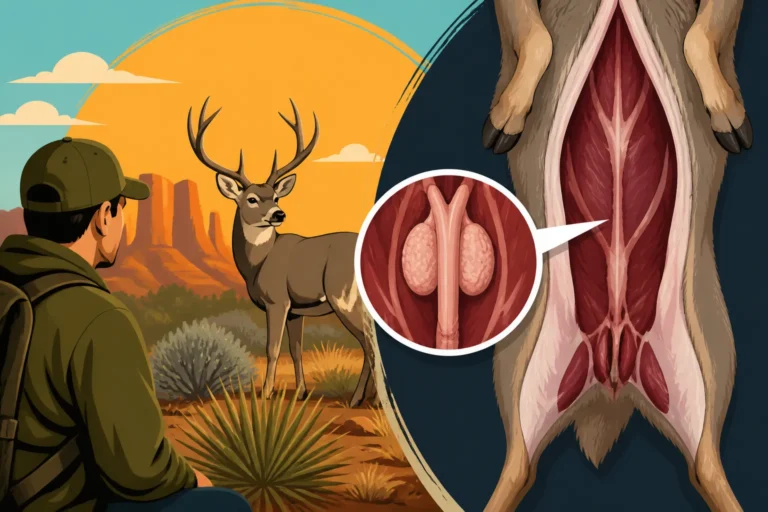
- Evidence of Sex: For certain species, especially deer and elk, Evidence of Sex Requirements on a Carcass must remain naturally attached to a portion of the carcass until it reaches the hunter's home or a processing plant. This ensures that game wardens can verify the sex of the animal harvested, matching it with your tag.
Failing to properly tag your animal immediately is a serious offense, often carrying the same penalties as not having a tag at all. So, make it your first priority after the shot.
Online Reporting Through the NMDGF Portal
In today's digital age, the most convenient and common method for harvest reporting in New Mexico is online through the NMDGF website. It's usually a straightforward process, but it requires attention to detail.
Here’s a general walkthrough:
- Access the NMDGF Website: Navigate to the New Mexico Department of Game and Fish website. Look for a section related to "Online Services," "Licenses & Permits," or specifically "Harvest Reporting."
- Log In to Your Account: You’ll need your customer ID and password, the same credentials you use to apply for tags or purchase licenses. If you don't have an account, you'll need to create one.
- Initiate a Harvest Report: Once logged in, find the option to report a big game harvest.
- Enter Tag Information: You’ll typically be prompted to select the specific license/tag number associated with your harvest. This usually corresponds to the physical tag you filled out in the field.
- Provide Harvest Details: This is where you input all the critical information from your physical tag and more:
- Date of Harvest: The exact day you harvested the animal.
- Hunt Unit: The specific game management unit (GMU) where the animal was taken (e.g., 15, 34, 45).
- Sex of Animal: Male or female.
- Weapon Used: Archery, muzzleloader, or any legal weapon (rifle).
- Harvest Location (optional but helpful): Some systems allow you to pinpoint the location on a map or provide more granular details.
- Age Class/Antler Points (for some species): For elk, you might need to report if it was a spike, legal bull, or antlerless. For deer, sometimes point counts are requested.
- Number of Days Hunted: How many days you spent actively hunting for that species before success.
- Review and Submit: Carefully review all the information you’ve entered. A small typo in the unit number could throw off valuable data. Once you're confident, submit the report.
- Confirmation: You should receive a confirmation number or email after successful submission. Keep this for your records! It’s your proof that you’ve fulfilled your obligation.
Many hunters find it helpful to use mapping applications like GoHunt's Insider to verify unit boundaries and gather details about the specific area where they harvested, ensuring accuracy when entering location data into the NMDGF reporting portal. This kind of preparation can really streamline the post-harvest process.
Reporting Via Phone or In-Person
While online reporting is the most common method, NMDGF understands that not everyone has reliable internet access, especially after returning from a remote backcountry hunt. If you’re truly unable to report online, there are alternative methods, though they might take a bit more effort.
- Reporting by Phone: The NMDGF typically provides a phone number for harvest reporting. This option is usually available during business hours, so plan accordingly. You'll need to have all your tag information and harvest details ready to relay to the representative. Be patient, as call volumes can be high, especially after popular seasons conclude. It’s wise to have a pen and paper handy to jot down any confirmation numbers or instructions they provide.
- Reporting In-Person: If you live near or can visit a NMDGF regional office, you may be able to report your harvest in person. This can be a good option if you have specific questions or need assistance. Check the NMDGF website for office locations and hours before you make the trip. Again, bring all your tag and harvest information with you.
It's important to remember that these alternative methods are primarily for situations where online reporting isn't feasible. The NMDGF encourages online reporting due to its efficiency and accuracy in data collection. Always confirm the specific reporting deadlines, regardless of the method you choose, to avoid any penalties.
Common Questions and Nuances of Harvest Reporting
Even for seasoned hunters, the nuances of harvest reporting can sometimes lead to questions. Let's tackle some common scenarios and clarify what's expected.
What If You Have a Zero-Harvest Season?
This is a really common question, and thankfully, the answer is usually simpler than you might think. For most New Mexico draw tags (like elk, deer, pronghorn), if you don't harvest an animal, there is generally no mandatory reporting requirement for a zero-harvest season. Your tag simply goes unused.
However, there can be exceptions, so always refer to the specific rules for your hunt code. For instance, very specialized or limited hunts might occasionally require a "no harvest" report to track hunter effort even if no animal was taken. Additionally, if you're part of a New Mexico Mentored Youth Program Explained, and especially if you're a mentor or parent, you might want to confirm if there are any specific requirements for youth tags, though typically the same rule applies. But for the vast majority of regular draw tags, if you didn't punch a tag, you don't need to report.
Dealing with Unique Scenarios CWD, Game Damage, etc.
Sometimes, a hunt throws you a curveball, or specific management efforts intersect with your harvest. Knowing how to navigate these unique scenarios is key.
- Chronic Wasting Disease (CWD): New Mexico has an active CWD monitoring program. If you harvest a deer or elk in a CWD-positive unit, or if your animal exhibits any symptoms of CWD, you have an obligation to assist with testing. NMDGF often sets up Where New Mexico CWD Sampling Stations Are during certain seasons, or you might be asked to drop off a sample at a regional office. Reporting your harvest might trigger a request for a sample, and cooperation is vital for tracking and managing this disease. Be sure to understand How Chronic Wasting Disease Testing Works if you're hunting in a known CWD area. There are also strict Carcass Transport Rules After a CWD Detection to prevent the spread of the disease.
- Game Damage or Roadkill: If you find a dead animal or are involved in a collision that kills big game, you generally cannot just tag it and take it home. These situations often require immediate contact with NMDGF or local law enforcement. There are specific provisions for The Meat Salvage Requirements for Big Game, but these are usually granted by NMDGF personnel, not a blanket right. Do not assume you can claim the animal without proper authorization.
- Accidental Harvest/Rule Violations: If, for any reason, you accidentally harvest the wrong sex, species, or exceed a bag limit, your immediate action should be to contact NMDGF. Do not try to conceal it or tag it illegally. Self-reporting, though difficult, often leads to more lenient outcomes than being discovered later.
These situations are rare, but being prepared for them ensures you act responsibly and legally.
Leveraging Technology for Simpler Reporting
In our modern hunting world, technology isn’t just for e-scouting; it can also make post-harvest reporting smoother. While NMDGF's online portal is the primary tool, other digital resources can support your efforts.
- NMDGF Mobile App (if applicable): Some state game and fish departments have developed mobile apps that allow for harvest reporting directly from your phone. Check the NMDGF website or app stores to see if such an app is available and supports big game reporting. If it does, it can be a convenient way to report even before you get back to reliable internet.
- Mapping Applications (GoHunt, onX Hunt): While these aren't reporting tools themselves, they are invaluable for gathering the precise data needed for reporting. With apps like GoHunt, you can confirm the exact unit boundaries where your animal was taken, mark the kill site, and even track the date and time. This ensures accuracy when you fill out the online form. Using a platform like GoHunt also helps you stay organized with all your hunt details, from planning to execution to post-harvest tasks.
- Digital Notetaking: Instead of a soggy paper and pencil, consider using a notes app on your phone or a dedicated hunting app to record the necessary harvest details (date, time, unit, sex, weapon) immediately after the kill. This ensures the information is legible and readily available when you sit down to report.
The goal is to simplify the process and minimize errors. By taking advantage of these technological aids, you can ensure your mandatory harvest reporting is accurate, timely, and stress-free.
Best Practices for a Seamless Reporting Experience
Nobody wants the excitement of a successful hunt to be overshadowed by administrative headaches. By adopting a few best practices, you can make the harvest reporting process smooth and worry-free.
Preparation Before the Hunt
The key to a seamless reporting experience often lies in preparation before you even set foot in the field.
- Read the Regulations: This seems obvious, but it's often overlooked. Before your hunt, thoroughly review the current New Mexico Hunting Rules & Information booklet, specifically the sections pertaining to your species and hunt code. Pay close attention to reporting deadlines and specific tagging requirements. Don't rely on what you "heard" or what was true last year. Understanding Reading a New Mexico Hunt Code Before You Apply can give you a heads-up on potential special rules.
- Understand Your Unit: Familiarize yourself with the exact boundaries of your hunting unit. This is critical for accurate reporting. Tools like GoHunt's mapping features or the NMDGF unit maps are invaluable for this. Knowing if you're hunting New Mexico From 4,000 Feet to 10,000 also means different terrain and access points, which can sometimes impact how quickly you can get to a reporting point.
- Gather Supplies: Make sure you have your physical tag, a waterproof pen with permanent ink, and a small notepad or a reliable method for recording details in the field. Some hunters even carry a small zip-tie to ensure the tag is securely fastened.
- Confirm Your NMDGF Account: Log into your NMDGF online account before the season starts. Make sure your login credentials work and that you know where the harvest reporting section is. This saves a lot of frustration if you're trying to do it for the first time after a long, tiring hunt.
Recording Information in the Field
After the shot, with adrenaline pumping and the hard work of recovery and field dressing ahead, it's easy to forget small but critical details. This is why having a system for recording information immediately is so important.
- Immediate Detail Capture: As soon as you've tagged your animal and had a moment to catch your breath, take out your notebook or phone and jot down the crucial details:
- Exact Date and Time of Kill: Not just the day, but the specific hour.
- Precise Unit Number: Double-check this against a map if there's any ambiguity.
- Sex of the Animal: Clearly note if it's a bull, cow, buck, doe, ram, ewe, etc.
- Weapon Used: Archery, muzzleloader, or rifle (any legal weapon).
- Antler Points/Legal Requirements: If hunting a specific type of bull (e.g., 6-point or better) or buck, record the details that make it legal.
- Weather Conditions: While not always required for reporting, this can be helpful for your personal hunting journal and understanding patterns.
Using a small, waterproof notebook or a durable hunting app on your phone (like a feature within GoHunt that allows custom notes) can be a lifesaver. This ensures that when you finally get around to sitting in front of a computer, you have all the accurate information at your fingertips, reducing the chances of errors and saving you time.
Double-Checking Before Submission
You’ve done the hard work in the field and painstakingly entered all the data into the NMDGF online portal. Now, resist the urge to hit "submit" right away. Take a few extra moments to double-check everything.
- Review All Fields: Go through each entry carefully. Is the date correct? Is the unit number accurate? Did you correctly identify the sex of the animal? Even small mistakes can invalidate your report or skew NMDGF’s data.
- Confirmation Number: Once submitted, always look for and save the confirmation number. This is your proof that you completed the reporting process. Take a screenshot, print it, or write it down. Keep it with your hunting license for the remainder of the season, just in case.
- Understand Deadlines: Most big game harvests must be reported within 24 or 48 hours of the kill, though specific species or hunt types may have different timelines. Be mindful of these deadlines, especially if you’re coming out of a remote area with limited connectivity. Knowing when the When New Mexico Posts Draw Results or When New Mexico's New Fee Schedule Took Effect is great, but knowing your harvest reporting deadline is critical. For example, if you harvested an elk high in the Gila, where you might be wearing Layering for Gila Temperature Swings to manage the fluctuating temperatures, you'll need a plan for getting to service to report within the window.
By being meticulous and taking these extra steps, you can ensure your mandatory harvest report is accurate, submitted on time, and completely compliant with New Mexico's regulations. This contributes to vital wildlife management efforts and allows you to fully enjoy the fruits of your successful hunt without any lingering worries.
New Mexico Harvest Reporting Checklist
To make sure you've covered all your bases after a successful New Mexico harvest, here's a quick checklist to keep handy.
| Action Item | Status (✓) | Notes / Deadline |
|---|---|---|
| 1. Immediate Field Tagging | Fill out tag completely (Date, Time, Unit, Sex, Sig). | |
| 2. Secure Tag Attachment | Firmly attach tag to carcass. | |
| 3. Preserve Evidence of Sex | Ensure required evidence remains attached. | |
| 4. Record Field Data | Jot down all details for online entry. | |
| 5. Access NMDGF Online Portal | Log in to your NMDGF account. | |
| 6. Select Correct Tag for Reporting | Choose the license corresponding to your harvest. | |
| 7. Input All Harvest Details | Date, Time, Unit, Sex, Weapon, Days Hunted. | |
| 8. Double-Check All Entries | Verify accuracy before submission. | |
| 9. Submit Report & Save Confirmation | Store confirmation number/email for records. | |
| 10. Adhere to Deadline | Typically 24-48 hours post-harvest (check regulations). | |
| 11. Special Circumstances (if applicable) | CWD sampling, game damage, etc. Contact NMDGF. |
Disclaimer
The information provided in this guide is for general informational purposes only and is not intended to be legal advice. Hunting regulations can change, and it is the responsibility of every hunter to consult the official New Mexico Department of Game and Fish (NMDGF) Rules and Information Booklet for the current year. Always verify all regulations, seasons, and requirements directly with NMDGF before engaging in any hunting activities.