The New Mexico Guide-Client Contract Requirement
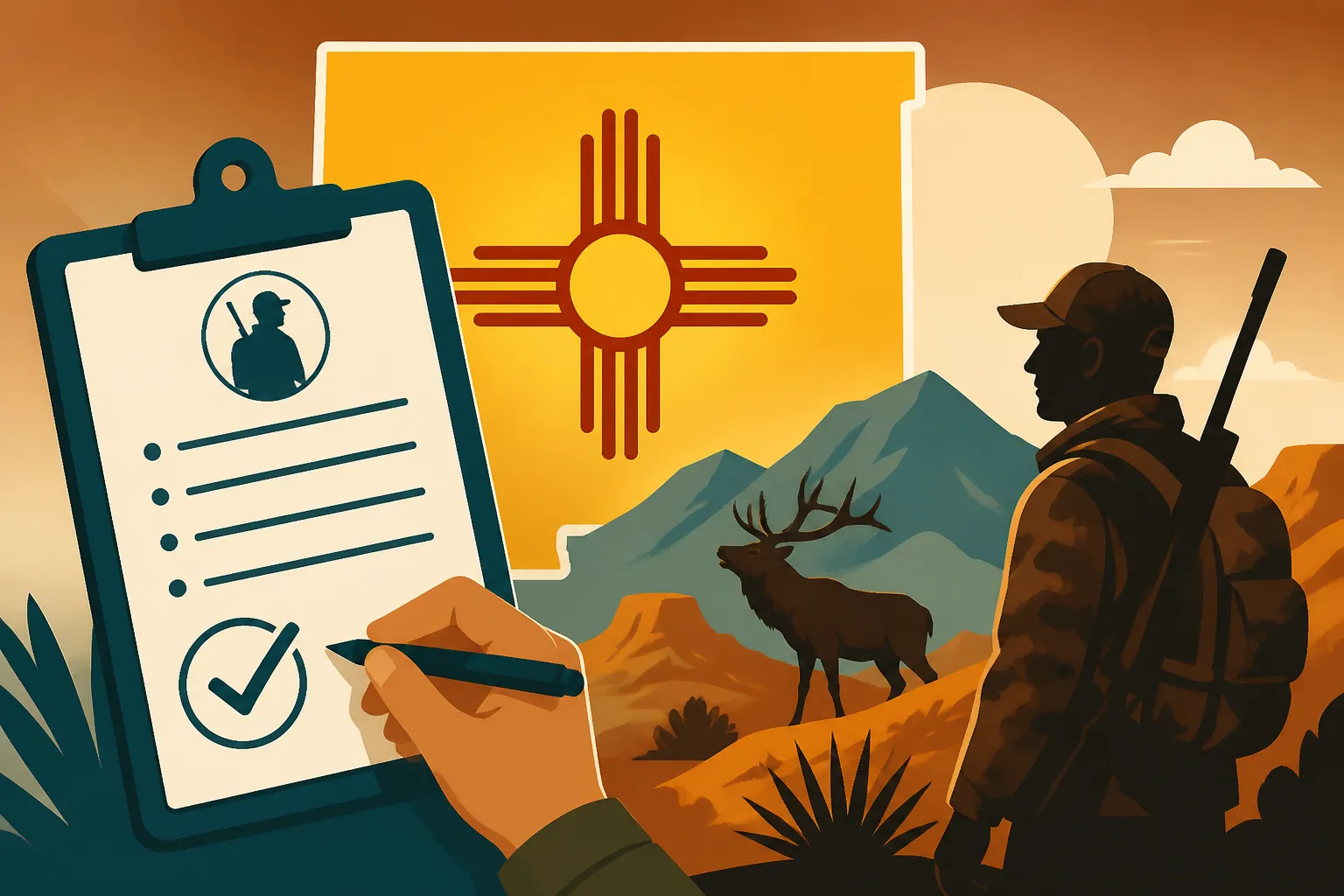
Applying for a guided hunt in New Mexico can feel like navigating a maze, especially for hunters new to the state or those considering the outfitter draw. One of the most critical, yet often overlooked, aspects of this process is the guide-client contract. It's not just a formality; it's a foundational document that defines your hunt, protects your investment, and sets clear expectations for both you and your outfitter. This guide aims to demystify the New Mexico guide-client contract, explaining why it's required, what it should contain, and how it impacts your entire hunting experience.
The Mandate Behind the Guide-Client Contract
For many hunters, the idea of a formal contract for a hunting trip might seem a bit, well, corporate. We're used to handshake deals or simple phone calls, especially in the good old days. But New Mexico, like many states, has very specific reasons for requiring a signed guide-client contract, and understanding these reasons can help you appreciate its importance rather than just viewing it as red tape.
Why New Mexico Requires a Formal Agreement
Let's be honest: hunting, especially for big game in challenging terrain like the Gila Wilderness, is a significant investment of time, money, and effort. The New Mexico Department of Game and Fish (NMDGF) recognized a long time ago that having clear, written agreements in place was essential for protecting both the hunter and the outfitter. Think of it this way: without a formal contract, if something goes awry—say, the services provided don't match what was promised verbally, or payment disputes arise—it quickly devolves into a "he said, she said" situation. That's a nightmare for everyone involved and certainly not the memory you want from your dream hunt.
The state's intent is to foster professionalism and accountability within the outfitting industry. A contract codifies the responsibilities of both parties. It spells out exactly what services the outfitter will provide and what the client agrees to pay and abide by. This clarity is crucial. It helps prevent misunderstandings that could ruin a hunt, leading to disgruntled clients and damaged reputations for outfitters. This legal framework ensures that when you arrive in camp, there are no surprises about lodging, meals, guide-to-hunter ratios, or even what happens if you harvest an animal on the last day. Without this framework, it would be much harder for NMDGF to oversee and regulate the industry, leaving hunters vulnerable to unscrupulous operators.
The Regulatory Framework and Who It Covers
In New Mexico, the requirements for guide-client contracts apply specifically to licensed outfitters and their registered guides. It's important to understand what "outfitter" and "guide" mean in the eyes of the state. Generally, an outfitter is an individual or business that provides services for a fee to aid a person in taking or attempting to take game animals, birds, or fish. Guides are typically individuals employed by or working under the outfitter to directly assist hunters in the field. This distinction matters because not every person who offers to help you hunt falls under these strict regulatory requirements. For instance, a private landowner who allows access to their property for a fee, but does not provide guiding services, would likely not be considered an outfitter under these rules, and thus no such contract might be required for the land access itself.
The NMDGF is the primary regulatory body overseeing outfitters and guides in the state. They license outfitters, ensuring they meet certain qualifications and adhere to established rules. Part of those rules includes the mandatory use of a guide-client contract. This oversight means that if an outfitter is licensed by New Mexico, they must have a formal contract, and that contract must contain certain elements. This provides a layer of protection, knowing that a state agency has an interest in ensuring these agreements are fair and transparent. When you're looking for an outfitter, it's always a good idea to verify their licensing status with the NMDGF, as this is your first step in ensuring you're dealing with a legitimate and accountable business.
Essential Elements of a Valid Contract
So, you understand why a contract is necessary. But what exactly should be in it? A well-drafted guide-client contract isn't just a generic form; it's a detailed blueprint of your upcoming hunt, leaving as little to chance as possible.
Key Information Every Contract Must Include
When you sit down to review a contract from a New Mexico outfitter, there are several pieces of information that simply must be present for it to be considered comprehensive and valid. First and foremost, it needs to clearly identify both parties: your full legal name and contact information, and the outfitter's legal business name, license number, and contact details. This seems basic, but it's the foundation of accountability.
Next, the contract needs to specify the hunt details with unwavering clarity. This includes the species you'll be hunting (elk, deer, oryx, etc.), the exact hunt dates (start and end), and the game management unit (GMU) or units where the hunt will take place, often including the specific New Mexico hunt code. Imagine signing a contract that vaguely says "September elk hunt" only to find out it's for a unit you didn't expect or a season that doesn't align with your draw success. That's a recipe for disaster. The contract should also clearly state the type of service being provided—is it a fully guided hunt with one-on-one guide service, a semi-guided experience, or simply a drop camp where they pack you in and out? The level of service directly impacts the price and your expectations.
Finally, the financial details are paramount. The total price of the hunt, the deposit amount required, and a clear payment schedule (when balances are due) must all be explicitly stated. It should also detail what the price does and does not include. For example, does it cover your hunting license and tag fees, or are those separate? What about meat processing, taxidermy, or transportation to and from the nearest airport? Clarity on these points prevents those uncomfortable surprises later on.
Services, Expectations, and Limitations
Beyond the basic identification and financial terms, a good contract delves into the specifics of the services you'll receive and what you can realistically expect from your outfitter. This section is where the rubber meets the road. For instance, a fully guided hunt often includes transportation from a designated meeting point to camp, all meals, comfortable lodging (whether a wall tent, lodge, or spike camp), and daily guiding by a professional. It should detail the guide-to-hunter ratio, which often determines the level of individual attention you'll receive. Will you have a dedicated guide, or will one guide be responsible for two or three hunters? The contract should also specify responsibilities for game retrieval and initial field dressing, which can be a huge undertaking, especially with a downed elk in the backcountry.
Equally important are the limitations clearly outlined in the contract. No ethical outfitter will ever "guarantee" a kill or a specific trophy size, and if a contract does, that's a massive red flag. Hunting is inherently unpredictable, and success depends on countless variables, from weather to animal behavior to your own shooting ability. A realistic contract will manage expectations by focusing on providing the opportunity for a successful hunt, rather than a guarantee of a harvest. It might also detail what happens in adverse weather conditions, such as blizzards that make travel impossible or fire restrictions that impact camping. Understanding these limitations upfront helps you go into the hunt with a clear head and realistic expectations, allowing you to focus on the experience rather than feeling shortchanged. For a detailed breakdown of what a guided hunt might offer, you might want to read What a Fully Guided New Mexico Elk Hunt Includes.
The Contract's Role in the New Mexico Draw
The guide-client contract isn't just about your experience in the field; it plays a critical, and sometimes frustrating, role in New Mexico's big game draw system, particularly for nonresidents. If you're considering applying for tags through the outfitter pool, this contract becomes an integral part of your application strategy.
Applying Through the Outfitter Pool
New Mexico allocates its hunting tags into three distinct pools: 84% for residents, 10% for nonresident clients of licensed outfitters, and 6% for nonresidents applying independently. This 10% outfitter pool is a significant avenue for many nonresidents hoping to draw a coveted New Mexico tag, especially for high-demand species like elk. However, to apply in this outfitter pool, you must have a signed guide-client contract with a licensed New Mexico outfitter before the application deadline. This isn't something you can decide after the draw results are posted.
The necessity of this contract upfront can be a source of considerable frustration for hunters. You're asked to commit financially and formally to an outfitter, often with a non-refundable deposit, without any guarantee that you'll actually draw a tag. Many hunters wrestle with this commitment, wondering if it truly improves their odds enough to justify the financial outlay. The theory is that the outfitter pool, being smaller and often less subscribed by independent applicants, can offer slightly better draw odds in certain units for certain species compared to the general nonresident pool. The contract serves as proof of your legitimate intent to use an outfitter's services if you draw, ensuring the integrity of this allocation system. Your outfitter will provide you with their license number, which you'll need to enter on your application. For more information on how this pool works, check out The New Mexico Outfitter Draw and Its Two-Day Rule and New Mexico Reserves Ten Percent of Every Hunt for Outfitter Clients.
The Two-Day Accompaniment Rule
Another unique aspect tied directly to applying through the outfitter pool, and thus to your guide-client contract, is New Mexico's "two-day accompaniment rule." This regulation states that if you draw a tag through the outfitter pool, your contracted outfitter or one of their registered guides must be physically present and accompany you in the field for a minimum of two days of your hunt. The intent behind this rule is crystal clear: it's designed to prevent outfitters from merely selling a hunt application slot or their license number without actually providing legitimate guiding services. It ensures that the outfitter pool truly benefits hunters who engage a professional service, not just those looking to game the draw system.
This rule has practical implications for your hunt planning. It means you can't just pay an outfitter for the draw number and then go off on a fully DIY hunt. The outfitter or guide needs to be there with you, actively participating in the hunt, for at least two days. Your contract should explicitly acknowledge this requirement and outline how it will be fulfilled. This might mean the guide is with you for the first two days, or perhaps split across different days, depending on the hunt structure. It's a critical detail to confirm and understand, as non-compliance could lead to penalties for both the hunter and the outfitter. Make sure to discuss with your chosen outfitter how they plan to meet this requirement. Further details can be found in New Mexico's Two-Day Accompaniment Rule Explained and What Counts as Accompaniment Under New Mexico Rules.
Financial Aspects and Cancellation Policies
Let's talk money, because a guided hunt in New Mexico is a significant financial commitment. The contract is your key document for understanding every penny involved, from initial deposits to potential refunds.
Deposits, Payments, and Refunds
Nearly every outfitter will require a deposit to secure your booking, especially if you're applying through the outfitter draw. This deposit typically ranges from 25% to 50% of the total hunt cost. Your contract needs to clearly state the exact deposit amount, when it's due, and more importantly, its refundability. This is where things can get tricky, particularly with the New Mexico draw. Most outfitters structure their contracts to address what happens if you fail to draw a tag. Some might offer a full refund of the deposit, others a partial refund, and some might allow you to roll your deposit over to the next year's application or transfer it to another hunt.
It's absolutely critical to read these clauses with a fine-tooth comb. A common scenario: you pay a substantial deposit, apply in the outfitter pool, and then don't draw your tag. If your contract doesn't explicitly state a refund policy for this situation, you could be out of pocket. Don't be afraid to ask for clarification or even negotiate these terms before signing. Many reputable outfitters understand the uncertainty of the draw and try to be fair, but their policies can vary. Platforms like BookYourHunt often provide a space for outfitters to list their cancellation and refund terms, allowing you to compare options before engaging directly. Always remember that the contract supersedes any verbal promises. You can learn more about this specific issue in Refunds When You Fail to Draw in New Mexico.
Contingencies, Disclaimers, and Force Majeure
Life happens, and sometimes it throws a wrench into even the best-laid hunting plans. This is where "force majeure" clauses and other disclaimers in your contract become incredibly important. These sections outline what happens in unforeseen circumstances that are beyond the control of either the hunter or the outfitter.
Imagine you've booked a coveted Oryx hunt on the White Sands Missile Range. Suddenly, military operations are ramped up, and the base cancels all civilian access, shortening or outright canceling your hunt. Or perhaps a massive wildfire sweeps through your elk unit in the Gila, forcing closures. What about extreme weather that makes travel to camp impossible, or a medical emergency for you or your outfitter? A good contract will have clauses addressing these kinds of situations. It might specify options for rescheduling, receiving a partial refund, or applying the funds to a future hunt.
Disclaimers also protect the outfitter from liabilities related to the inherent risks of hunting. This could include acknowledging the dangers of wilderness travel, wildlife encounters, or accidental injury. It's not about being alarmist, but about being realistic. You should understand that hunting carries risks, and by signing the contract, you're accepting those risks. My advice: read these sections carefully. If a contract is silent on what happens in a major unforeseen event, that's a red flag. Ask hypothetical questions: "What if the roads are snowed in?" "What if I break my leg?" A transparent outfitter will have clear answers, and those answers should be reflected in your contract.
Vetting an Outfitter and Reviewing Your Contract
Signing a contract is a serious commitment. Before you put pen to paper, you need to do your homework. Vetting your chosen outfitter and meticulously reviewing their contract are non-negotiable steps.
Due Diligence Before Signing
Choosing an outfitter isn't like picking a hotel. You're entrusting them with a significant investment and, often, a once-in-a-lifetime opportunity. Your due diligence should be exhaustive. Start by asking for references—not just a couple, but several, spanning different years if possible. Call these references and ask specific questions about their experience: was the outfitter professional? Were the services as described? How was the food, lodging, and most importantly, the guiding? Ask about difficult situations or challenges during their hunt and how the outfitter handled them.
Beyond references, look for online reviews, but take them with a grain of salt. Social media can offer insights but be wary of overly polished or overly negative accounts. Check if the outfitter is a member of any professional associations, like the New Mexico Council of Outfitters and Guides. You can also contact the NMDGF to verify their current licensing status and inquire if there have been any formal complaints against them. Transparent communication is key. Ask the outfitter every question you have, no matter how small. Clarify everything from the number of hunters in camp to specific gear requirements. Resources like GoHunt can be invaluable for researching specific units and hunt strategies, which can then inform your questions to potential outfitters. For a comprehensive list of questions, consider reviewing Questions to Ask a New Mexico Outfitter. This upfront work minimizes the chance of surprises later.
What to Look For and What to Question
When you finally receive the contract, don't just skim it and sign. This document is your protection. Look for clear, unambiguous language. Vague terms like "reasonable effort" or "standard services" should prompt immediate questions. Every aspect of the hunt that you discussed, from the type of camp to the specific dates, should be explicitly written down.
Pay close attention to any clauses that seem overly restrictive or ones that place all the risk on you, the client. For instance, a clause that states "no refunds for any reason" without accounting for draw results or force majeure events is highly questionable. Similarly, if the contract gives the outfitter broad powers to change hunt dates, units, or services without your consent, you should absolutely push back or reconsider. Don't hesitate to ask for amendments or clarifications in writing. A reputable outfitter will appreciate your thoroughness and be willing to explain or adjust minor details. If you're dealing with a particularly high-value hunt or a complex agreement, it's not unreasonable to have an attorney review the contract. It's a small investment compared to the potential cost of a bad experience. Remember, once you sign, you're bound by those terms.
Post-Contract Responsibilities and Resolution
Signing the contract is a major step, but it's not the end of your engagement with the document. Both you and your outfitter have responsibilities that continue right up to and through the hunt itself.
What Happens After the Contract is Signed
Once the ink is dry and your deposit is paid, the contract effectively becomes the living guide for your upcoming adventure. For you, this means fulfilling your end of the bargain. This typically involves making any remaining payments by their due dates as outlined in the contract. It also means preparing yourself for the hunt. If you're chasing elk in the Gila, your physical conditioning will be paramount, and your outfitter might even provide a suggested fitness regimen. Gathering the necessary gear, arranging travel plans, and ensuring all your licenses and tags are in order are also your responsibilities. Many outfitters will send out detailed gear lists and pre-hunt information packets, all of which align with the expectations set in your contract. Checking in with your outfitter periodically, especially as the hunt dates approach, is a good practice to confirm logistics and address any last-minute questions. Think of the contract as the baseline; clear, ongoing communication keeps everything running smoothly. To get a head start on your preparation, consider resources like Physical Conditioning for a Gila Hunt.
Resolving Disputes and Filing Complaints
Ideally, your hunt will go off without a hitch, and your contract will simply be a piece of paper in your file. However, sometimes issues arise, and it's important to know your avenues for resolution. If a significant problem occurs during the hunt—perhaps the services provided fall far short of what was contractually agreed upon, or there's a serious ethical concern—your first step should always be to communicate directly with your outfitter. Many issues can be resolved through open and honest discussion. Document everything: keep records of communications, photos, and any witnesses.
If direct communication fails to resolve the issue to your satisfaction, and you believe the outfitter breached the terms of the contract or acted unprofessionally, you have recourse through the New Mexico Department of Game and Fish. As the licensing body, NMDGF takes complaints against licensed outfitters seriously. They can mediate disputes, and in cases of clear violations, they have the authority to impose penalties, up to and including license suspension or revocation. Your signed contract, along with all your documentation, will be crucial evidence in any formal complaint process. Knowing these avenues exist provides a crucial layer of consumer protection and underscores why having a clear, legally binding contract is so important. For more guidance on this process, see Filing a Complaint About a New Mexico Guide.
| Contract Element | What to Expect (Good Contract) | What to Question (Red Flag) |
|---|---|---|
| Services Included | An itemized list: specific meals, type of lodging, detailed transport, guide ratio (e.g., 1×1), provided gear (e.g., horse, packs). | Vague promises like "All services necessary for a successful hunt" or general "trophy hunt." |
| Hunt Dates/Unit | Explicit start and end dates, clearly stated game unit, and the specific hunt code. | Flexible dates (e.g., "any week in October"), or "best available unit" without prior agreement. |
| Pricing Structure | Total cost, non-refundable/refundable deposit amount, clear payment schedule, what's not included (e.g., tags, meat processing). | Hidden fees that emerge later, unclear trophy fees, or "prices subject to change without notice." |
| Cancellation Policy | Clear, specific terms for client cancellation, outfitter cancellation, and refunds related to failing to draw a tag. | No explicit refund policy, or a non-negotiable deposit regardless of draw results or unforeseen events. |
| Accompaniment | Explicit mention of the two-day accompaniment rule for outfitter pool clients, including who (outfitter/guide) and when. | No mention of accompaniment, or implies the guide will simply "check in" periodically. |
| Success Guarantees | Realistic statements, focusing on ethical effort, opportunity, and the challenges of hunting, never a "guaranteed success." | Explicit "guaranteed success" or unrealistic promises of specific trophy size or Boone & Crockett scores. |
| Force Majeure | Clauses detailing actions for extreme weather, military closures, wildfires, or other acts of God, with clear resolution options. | No mention of unforeseen events, leaving both parties vulnerable to total loss without recourse. |
Disclaimer
This article is for general informational purposes only and does not constitute professional advice. Laws, prices and regulations vary by location and change over time. Consult a qualified professional for guidance on your specific situation.