Altitude Preparation for a Gila Elk Hunt
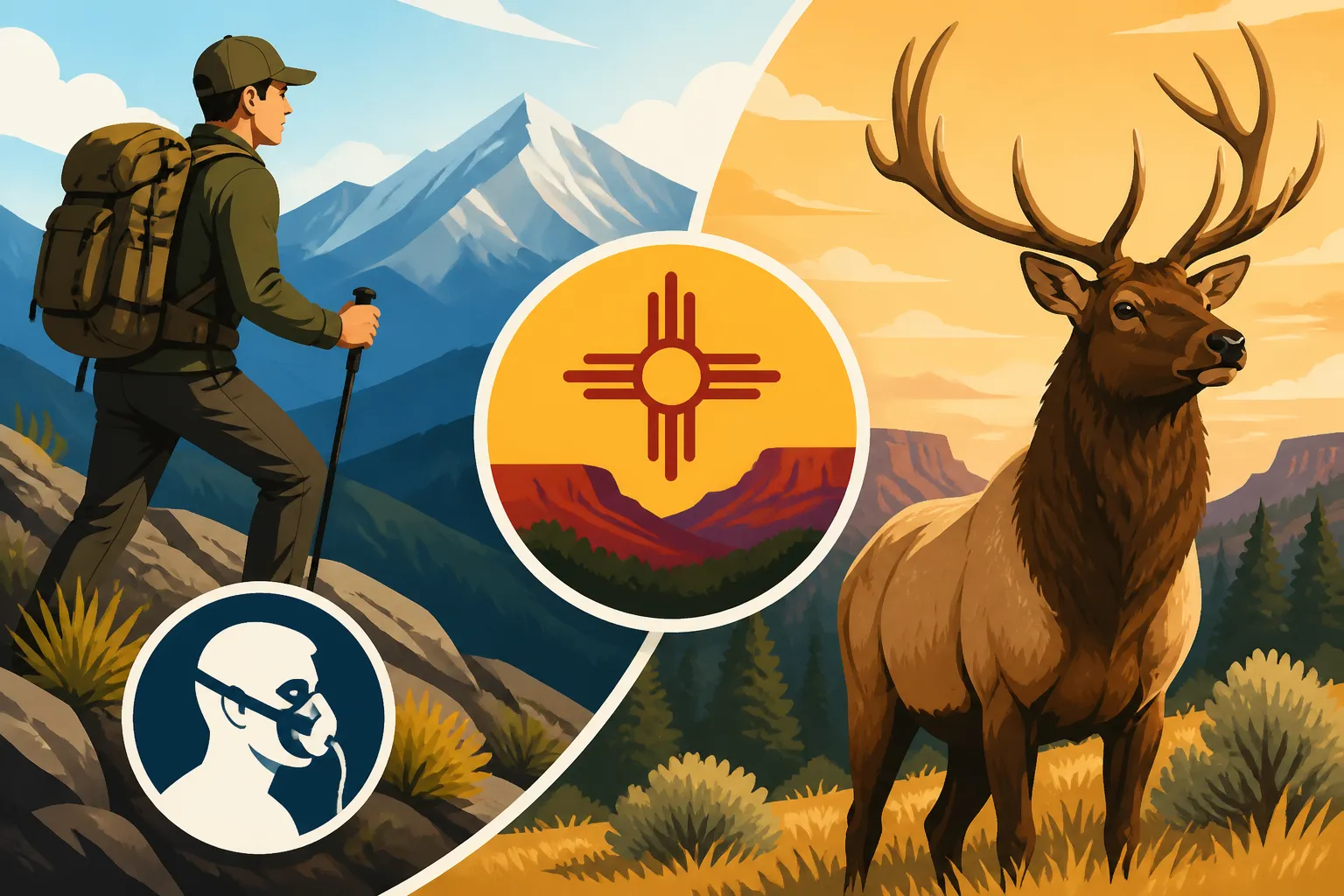
There's nothing quite like the dream of a New Mexico Gila elk hunt, with its towering ponderosas and vast canyons, but that dream can quickly turn into a grueling nightmare if you're not prepared for the brutal reality of high elevation. Many hunters underestimate how profoundly thin air can impact their physical performance and even their safety. This guide is here to walk you through the essential steps, from pre-season training to on-the-mountain strategies, ensuring you’re ready to chase those bugling bulls without altitude dragging you down.
Understanding Altitude Sickness and Its Impact on Hunting
Heading into the New Mexico high country, especially the Gila National Forest, means you’ll be pushing your body in ways you might not be accustomed to. Elevations can easily range from 7,000 feet up to well over 10,000 feet in some areas. For many, particularly those coming from sea level or lower elevations, this drastic change in atmospheric pressure and oxygen content can be a real shock to the system. It’s not just about feeling a little winded; altitude sickness is a genuine concern that can derail your entire hunt and even pose serious health risks.
Common Symptoms and What They Feel Like
Altitude sickness, often referred to as Acute Mountain Sickness (AMS), manifests in various ways, and it's crucial to recognize the signs early. At its mildest, it feels like a terrible hangover: a throbbing headache that won’t quit, nausea that makes you lose your appetite, and an overwhelming fatigue that turns a simple walk into a monumental effort. You might also experience dizziness, shortness of breath even at rest, and difficulty sleeping through the night. Imagine trying to make a crucial stalk on a trophy bull when your head is pounding, your stomach is churning, and every step feels like you’re carrying an extra hundred pounds. It’s not just uncomfortable; it severely impairs your judgment, coordination, and ability to hunt effectively.
More severe forms, though less common for most hunters who take proper precautions, include High Altitude Cerebral Edema (HACE) and High Altitude Pulmonary Edema (HAPE). HACE is swelling of the brain, leading to severe confusion, loss of coordination, and eventually coma. HAPE is fluid in the lungs, causing extreme shortness of breath, a persistent cough, and crackling sounds in the chest. These are life-threatening conditions that demand immediate descent and medical attention. Understanding these symptoms isn't meant to scare you, but to empower you with knowledge. A headache might seem minor, but if it persists and is accompanied by other symptoms, it’s your body sending a clear warning signal.
Why the Gila's Terrain Amplifies the Challenge
The Gila is breathtakingly beautiful, but it's also relentlessly unforgiving. It’s a vast wilderness, characterized by steep canyons, rugged mountains, and thick timber. This isn’t a place where you can just hop out of your truck and expect to walk a flat trail. The constant up-and-down nature of the terrain means your heart and lungs are working overtime, even at lower elevations. When you add the thin air of 8,000 to 10,000 feet, every incline feels steeper, every pack-out feels heavier, and recovery from exertion takes significantly longer.
Imagine cresting a ridge after a strenuous climb, only to find yourself gasping for air, lightheaded, and unable to steady your binoculars, let alone make a precise shot. The sheer scale of the Gila also means that help is often hours, if not days, away. This remote environment makes recognizing and addressing altitude sickness even more critical. You won't have the luxury of a quick trip to the nearest clinic. That's why being proactive about altitude preparation for a Gila elk hunt is absolutely non-negotiable. Tools like GoHunt's mapping features can help you visualize the elevation changes in your chosen unit well before you ever set foot on the ground, allowing for more strategic scouting.
Physical Preparation for High-Elevation Hunts
You can't just wish away the effects of altitude. Your body needs to be a finely tuned machine, ready to perform under stress. This isn't about becoming a marathon runner, but about building functional strength and cardiovascular endurance that will serve you well when the air gets thin and the terrain gets steep. Thinking about packing an elk out of the Gila alone? Without proper physical preparation, that thought alone could send shivers down your spine.
Cardio and Strength Training Regimens
The cornerstone of altitude preparation is a solid cardio and strength training program. For cardiovascular fitness, focus on activities that mimic the demands of mountain hunting. Stair climbers, incline treadmill walking, and trail running are your best friends. Aim for at least 3-5 sessions per week, with a mix of steady-state efforts (longer duration, moderate intensity) and interval training (short bursts of high intensity followed by recovery periods). For example, try walking on an incline at a brisk pace for 45-60 minutes, or incorporate sprints up a local hill. Your goal is to build a strong aerobic base that will allow your body to efficiently use oxygen, even when it’s scarce.
Strength training should focus on your legs, core, and back – the muscle groups that bear the brunt of mountain hunting. Incorporate squats, lunges, deadlifts, step-ups onto a box, and core exercises like planks and Russian twists. Don't forget your shoulders and upper back; they’ll be crucial for carrying a heavy pack. Consider adding weighted pack hikes to your routine, gradually increasing the weight to simulate what you'll carry on the hunt. Start with a lighter pack (20-30 lbs) and work your way up to 50-60 lbs or more, depending on your fitness level and hunting goals. This not only builds strength but also gets your body accustomed to moving with a load. For a deeper dive into effective routines, check out our guide on Preparing Physically for a High Elevation Hunt.
Building a Practice Routine Before Opener
Consistency is key, and a practice routine that starts months before your hunt is far more effective than a last-minute scramble. Ideally, you should begin your serious training 3-6 months out. Don’t just hit the gym; get outside as much as possible. Hike local trails, even if they’re not as steep or high as the Gila. The goal is to build resilience and muscle memory. If you can find hills or stairs, make them a regular part of your routine.
As your hunt approaches, dial up the intensity and specificity of your training. If you plan to hunt with a rifle, practice shooting after a strenuous activity to simulate shooting with an elevated heart rate. If you're a bowhunter, practice drawing your bow and holding steady after a steep climb. This helps you understand how your body reacts under pressure and allows you to refine your technique. Think about how many times you’ll be glassing benches and parks for elk; holding binoculars steady after a climb requires a surprising amount of core and shoulder strength. Make sure your gear, especially your boots, is broken in and comfortable during these training sessions to avoid blisters and discomfort on the actual hunt.
Acclimatization Strategies on the Ground
Even with the best physical conditioning, your body still needs time to adjust to the thinner air. Rushing into a high-elevation hunt without proper acclimatization is a recipe for disaster. This is where strategic planning for your arrival and initial days in New Mexico really pays off.
Arriving Early and Staged Ascent
One of the most effective ways to combat altitude sickness is to arrive a few days early. If your hunt starts on a Saturday, try to get to New Mexico by Wednesday or Thursday. This gives your body a critical 2-3 days to begin the acclimatization process before you’re putting it under the stress of a full hunting day. During these initial days, take it easy. Don't immediately charge up the steepest mountain you can find. Focus on light activity, staying hydrated, and getting good rest.
A staged ascent is another excellent strategy, especially if you're planning to hunt really high. Instead of driving directly to a 9,000-foot trailhead and setting up camp, consider spending a night or two at a slightly lower elevation, maybe around 6,000-7,000 feet, before moving higher. This allows your body to gradually adjust. While the Gila might not have distinct "base camps" like some of the massive peaks elsewhere, you can simulate this by choosing a lower elevation campsite for your first night or two, then moving to a higher spike camp later. When you’re hunting New Mexico From 4,000 Feet to 10,000, being mindful of those elevation changes is paramount.
Camp Selection and Initial Exploration
When choosing your initial camp, especially if you haven't fully acclimated, consider setting it at a slightly lower elevation within your hunting unit, even if it means a longer walk to your preferred hunting grounds. While everyone wants to be right in the action, a good night's sleep and proper recovery at a slightly lower altitude can make all the difference for your performance the next day. A GoHunt subscription can be incredibly useful here, allowing you to view detailed topographic maps and elevation profiles to strategically plan your camp locations.
During your first day or two, use your time for light scouting and familiarization, rather than strenuous hunting. Take short walks, glass from accessible vantage points, and try to identify key terrain features like benches and parks where elk might be. This allows your body to adapt to the new environment while you're also gathering valuable intel for your hunt. Don't push yourself too hard. Listen to your body and recognize that even minor symptoms like a persistent headache are signals that you need to slow down, hydrate, and rest.
Nutrition, Hydration, and Gear Considerations
Your body is a machine, and like any machine, it needs the right fuel and maintenance to perform optimally, especially at altitude. What you eat, how much you drink, and the gear you carry all play a significant role in your ability to withstand the challenges of a high-elevation Gila hunt.
Essential Dietary Adjustments
At altitude, your body’s metabolic rate increases, and you burn more calories. You also tend to have a reduced appetite, making it a challenge to consume enough energy. To combat this, focus on nutrient-dense foods that are easy to digest. Complex carbohydrates are your best friend: oatmeal, pasta, rice, and whole-grain breads provide sustained energy. Pair these with lean proteins like jerky, nuts, and protein bars to aid in muscle recovery. High-fat foods can be harder to digest at altitude, so consume them in moderation.
Snack frequently throughout the day to keep your energy levels stable. Small, regular caloric intake is often better than trying to force down large meals. Keep a supply of quick-energy snacks in your pack, such as trail mix, energy gels, and fruit chews. Think about the need for sustained energy when you're glassing for hours or trying to make a difficult approach at 10,000 feet. Packing enough food that you'll actually want to eat, even with a reduced appetite, is critical.
Hydration in Arid Mountains
Dehydration is a significant contributor to altitude sickness and can sneak up on you quickly in the dry, often windy conditions of the New Mexico mountains. You'll lose more fluid through respiration at high altitude, and it’s easy to underestimate how much water you need. Aim to drink significantly more water than you normally would – at least 3-4 liters per day, potentially more on strenuous days. Don't wait until you're thirsty; sip water continuously.
Electrolytes are equally important. Water alone isn't always enough to replace the salts and minerals lost through sweat. Incorporate electrolyte tablets, powders, or sports drinks into your hydration plan. Brands like Liquid IV or Nuun are popular among hunters. Start hydrating well before your hunt even begins, and maintain this regimen throughout. On early season hunts, especially during archery season when temperatures can still be warm, managing heat and staying hydrated is even more critical. Our guide on Water You Must Carry on a Desert Day Hunt has some excellent advice for this.
Layering for Temperature Swings and Comfort
The weather in the New Mexico mountains can be incredibly unpredictable, with drastic temperature swings from dawn to dusk. You might start your day in freezing temperatures, only to be sweating through layers by midday, and then facing a cold rain or snow shower in the afternoon. Proper layering is not just about comfort; it's about safety and efficiency.
Start with a moisture-wicking base layer against your skin to pull sweat away. Add an insulating mid-layer, such as fleece or a puffy jacket, for warmth. Your outer shell should be waterproof and windproof to protect against the elements. Zippers and vents are your friends, allowing you to regulate your body temperature on the go. Don't just pack clothes; think about a system that allows you to add or shed layers quickly. Hats, gloves, and a buff or neck gaiter are also essential. Our article on Layering for Gila Temperature Swings provides a detailed breakdown of how to prepare for the fickle mountain weather.
Recognizing and Responding to Altitude Issues
Even with thorough preparation, altitude sickness can still strike. The key is to be vigilant, recognize the signs, and know exactly how to respond. Your life, or the life of a hunting partner, could depend on it.
Early Warning Signs and Self-Assessment
The moment you feel even mild symptoms, take them seriously. Don’t try to "tough it out." The most common early signs are a headache, fatigue, nausea, and dizziness. Regularly check in with yourself and your hunting partners. Ask direct questions: "How are you feeling?" "Any headache?" "Are you eating and drinking?" A simple self-assessment tool is to ask yourself if you feel "off." If the answer is yes, then you need to take action.
One critical sign to watch for is a worsening of symptoms, especially after a period of rest. If your headache intensifies, your nausea gets worse, or you start to feel disoriented, it's a clear signal that your body is struggling to adapt. This is not the time to push for that extra mile or make that difficult climb. Being honest about how you feel is paramount. Your hunting partners also need to be aware of the signs and be willing to call you out if they notice changes in your behavior or appearance, such as unusual clumsiness or slurred speech.
Here's a quick reference table for common altitude sickness symptoms:
| Symptom Category | Mild Altitude Sickness (AMS) | Severe Altitude Sickness (HACE/HAPE) |
|---|---|---|
| Head | Headache (often throbbing) | Severe, persistent headache |
| Digestion | Nausea, loss of appetite, vomiting | Persistent vomiting, abdominal pain |
| Energy | Fatigue, weakness, lethargy | Extreme weakness, inability to walk |
| Neurological | Dizziness, lightheadedness, insomnia | Confusion, disorientation, ataxia (loss of coordination), hallucinations |
| Respiratory | Shortness of breath (on exertion) | Shortness of breath (at rest), chest tightness, persistent cough, crackling breath sounds |
When to Descend and Emergency Planning
The golden rule of altitude sickness is: if you feel worse, go down. If your symptoms are mild and stable, rest, hydrate, and consider taking a mild pain reliever like ibuprofen for headaches. But if symptoms worsen, or if you develop any signs of severe altitude sickness (like extreme shortness of breath at rest, severe confusion, or inability to walk in a straight line), immediate descent is absolutely critical. Even a few hundred feet of elevation loss can make a significant difference.
Before you even leave for your hunt, have an emergency plan in place. This should include:
- Communication: How will you contact help if needed? Satellite communicators (like Garmin inReach or Zoleo) are essential in the Gila, where cell service is non-existent.
- Evacuation Route: Know the nearest accessible road or trailhead and how you would get there. Use mapping tools like GoHunt to mark potential escape routes.
- Medical Kit: Carry a comprehensive first-aid kit that includes medications for pain relief, nausea, and, if prescribed by a doctor, altitude sickness medications like Diamox.
- Designated Leader: If hunting in a group, identify who will take charge in an emergency.
- "Turnaround Point" Mentality: Be willing to turn back from a stalk or even end a hunt if someone's health is at risk. A successful hunt is never worth a life-threatening situation.
Maintaining Focus and Enjoying the Hunt
Even with the best preparation, the Gila will test you. It’s physically demanding, mentally taxing, and the altitude is just one more layer of challenge. But by being prepared, you can mitigate these risks and truly immerse yourself in the incredible experience of a New Mexico elk hunt.
Mental Fortitude and Realistic Expectations
A significant part of hunting at altitude is mental. The physical discomfort can be draining, and it’s easy to get discouraged. Cultivate a positive mindset, understand that there will be tough days, and remind yourself why you’re out there. Break down your goals into smaller, manageable steps. Instead of thinking about the entire multi-day pack-out, focus on getting to the next ridge, or taking a few more steps.
Set realistic expectations for your hunt. You might not be able to cover as much ground as you would at lower elevations, and that’s okay. Prioritize quality over quantity of effort. If you need to rest more, then rest more. Listen to your body and don’t push past its limits. The Gila is a place of immense beauty and challenge, and simply being there, experiencing it, is a victory in itself.
The Rewards of a High-Elevation Hunt
Despite the challenges, hunting elk in the Gila National Forest at high elevation is an incredibly rewarding experience. The crisp mountain air, the stunning vistas, the sound of a bugling bull echoing through a canyon – these are moments that stay with you forever. Successfully navigating the physical and mental demands of such a hunt builds confidence, resilience, and a deeper appreciation for the wild.
When you’ve put in the work, trained diligently, and respected the mountains, the sense of accomplishment is profound. Whether you punch your tag or not, the memories forged in the high country, knowing you pushed your limits and overcame the unique challenges of altitude, will be priceless. These are the experiences that define what it means to be a New Mexico hunter.
Disclaimer
The information provided in this guide is for informational purposes only and is not a substitute for professional medical advice. Always consult with a healthcare professional before undertaking strenuous physical activity or traveling to high altitudes, especially if you have pre-existing medical conditions.