Two-Hunter Calling Setups That Actually Work
There’s nothing quite as frustrating as being out in the field, hitting your calls perfectly, only to have that elk hang up just out of range, or a wary buck circle downwind and bust you before you ever get a shot. Hunting solo can be incredibly rewarding, but it often means you’re trying to be the caller, the spotter, and the shooter all at once, which is a tall order, especially in big country like New Mexico. This guide is all about changing that dynamic, showing you how two-hunter calling setups can dramatically increase your success rates by allowing you and a partner to work together to seal the deal on those tricky animals.
Why Two-Hunter Calling is a Game Changer
Let's be honest, trying to fool a mature bull or a cagey mule deer by yourself with a call can feel like playing chess against a grandmaster while also trying to direct an orchestra. It's exhausting, often ineffective, and can lead to a lot of missed opportunities. Bringing a partner into the mix fundamentally changes the game.
The Limitations of Solo Calling
When you're out there alone, every move, every sound, every decision rests squarely on your shoulders. You're trying to create a realistic calling scenario, whether it's the mournful whine of a cow elk or the aggressive challenge of a dominant bull, and simultaneously remain undetected, read the animal's approach, and get into a shooting position. It's a logistical nightmare. Often, you'll find yourself stuck in a less-than-ideal spot because moving to a better shooting lane might give away your position or interrupt the calling sequence.
Think about it: you're trying to replicate a dynamic interaction – a group of elk, a challenging male, or a distressed fawn. A single caller, no matter how good, struggles to project that multi-faceted soundscape while also tracking the animal's approach, judging distance, and ensuring a clear shot. The animal often gets "hung up" at a certain distance, just outside your comfortable shooting range, because the calling sounds don't quite match what it expects visually or spatially. The pressure to perform all these roles at once often means something gives, and it's usually the shot opportunity. You might have to compromise your shooting angle or make a rushed shot, leading to less ethical outcomes.
Advantages of a Dynamic Duo
With two hunters, you're no longer performing a solo act; you're orchestrating a symphony. One person can focus solely on making realistic calls, drawing the animal's attention away from the shooter, while the other can concentrate entirely on getting into the best possible shooting position, remaining still, and preparing for the shot. This division of labor is incredibly powerful. The caller can simulate a much more natural and convincing scenario, using different calls, moving slightly to mimic an actual animal, and truly creating an illusion.
This setup helps draw animals closer, often right into the shooter's lap, because their focus is entirely on the source of the sound, not the perfectly still hunter ready to take the shot. It dramatically improves shot opportunities, especially for bowhunters who need to get incredibly close. For rifle hunters, it means a more relaxed, ethical shot at a closer distance. Beyond the practical advantages, having a partner adds a layer of safety and confidence. You have another set of eyes and ears, someone to share the experience with, and an extra hand if things get tough, which can be invaluable in the vast wilderness areas like the Gila National Forest.
Classic Calling Setups That Get Results
Alright, let’s get down to the nitty-gritty of how these two-hunter setups actually work. It’s all about teamwork, understanding your roles, and having a plan before that animal ever shows up.
The Caller/Shooter Duo
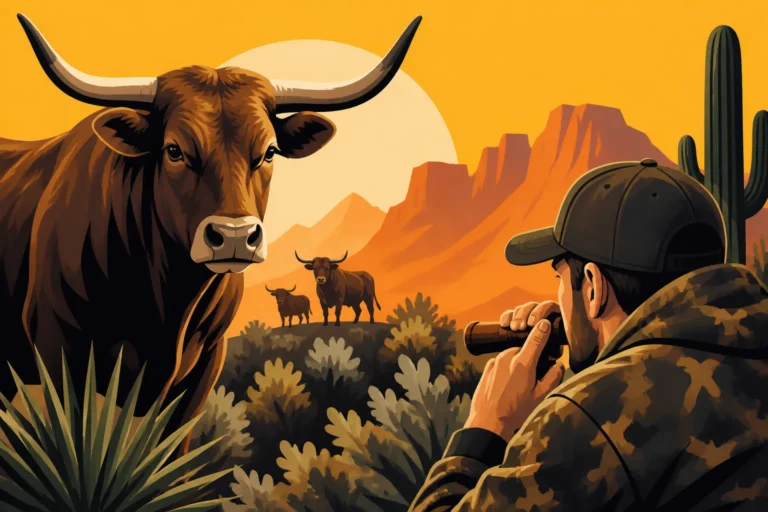
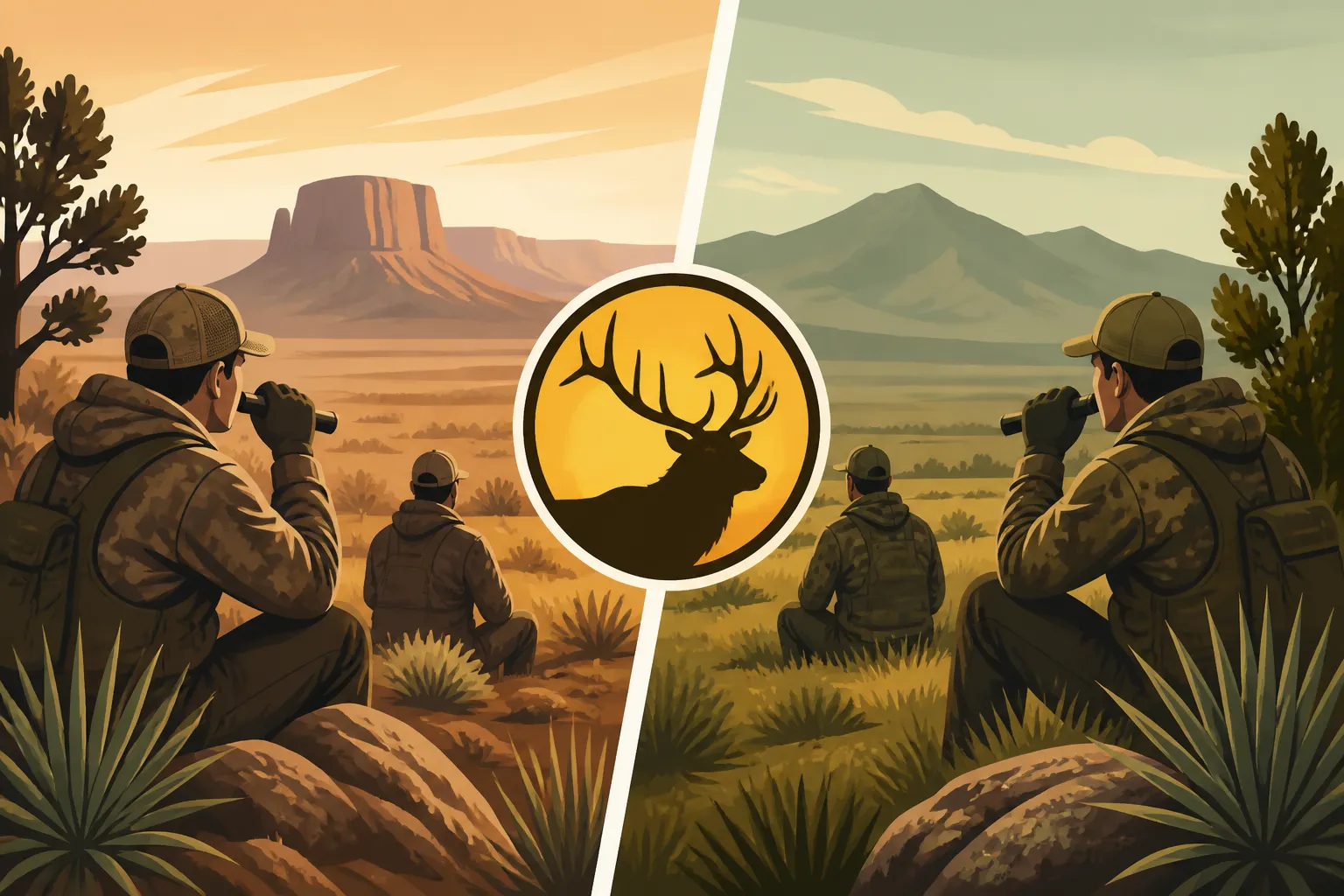
This is probably the most common and often the most effective two-hunter setup, especially for elk hunting but adaptable for other species. Here’s how it works: the shooter positions themselves forward, usually 30-70 yards ahead of the caller, depending on terrain, cover, and weapon (bow vs. rifle). The caller then takes a position that offers good concealment but allows their calls to carry. The goal is for the animal to focus all its attention on the caller, thinking the sounds are coming from behind or to the side of the shooter.
The caller's job isn't just to make noise; it's to create an entire story. If you’re calling elk, you might start with some soft cow chirps, then perhaps a more demanding challenge bugle, or a series of excited growls to simulate a hot bull. The caller should be moving subtly, raking a tree, or even breaking a small branch to mimic natural sounds, all while keeping the animal engaged. This dynamic calling pulls the animal's focus directly to the caller's position, allowing the shooter to remain motionless, waiting for the perfect broadside shot. In the thick timber of northern New Mexico, a distance of 30-40 yards between caller and shooter can be ideal, offering tight shooting lanes where elk often appear suddenly. Meanwhile, if you’re trying to call in a wary bull, understanding when to use a locator bugle for finding bulls at dawn versus a full challenge might just be the ticket.
Wind direction is paramount in this setup. The shooter and caller must position themselves so the wind is in their favor relative to the approaching animal. If the animal smells either of you, the game is over. Communication, often through pre-arranged hand signals or subtle movements, is critical. The caller needs to know when the animal is approaching, its direction, and if it’s circling downwind so they can adjust their calling or movement to maintain the illusion. This setup allows the shooter to stay locked onto their shooting lane, anticipating the animal's appearance without the distraction of calling.
The Ambush/Flank Strategy
This setup is a little more advanced and requires a higher level of coordination, but it can be absolutely deadly, especially for game that tends to hang up or circle extensively. In the ambush/flank strategy, the caller is positioned to draw the animal's attention from one direction, while the shooter is positioned to intercept the animal as it tries to circle downwind or approach from an unexpected angle. This is particularly effective in broken country or when dealing with highly pressured animals that have heard it all.
Imagine you're trying to call a smart mule deer in the desert foothills. The caller might set up on one side of a ridge, using fawn distress calls or even a soft snort-wheeze, while the shooter is positioned on the opposite side, perhaps 100-200 yards away, concealed in a wash or behind a rocky outcrop. The deer, wary of direct confrontation, might try to circle the source of the sound, using terrain features for cover. This is where the shooter comes in, intercepting the animal as it tries to get downwind or approach from what it thinks is a safe angle. The success of this strategy hinges on anticipating the animal's most likely travel route, often informed by understanding how they play thermals on a canyon stalk.
Effective communication is even more crucial here. Sometimes, radio communication (where legal) can be used for very subtle updates, but often, it relies on experienced partners knowing how an animal will react to a call in a given situation. The caller might need to adjust the intensity or type of call to keep the animal moving towards the shooter's predetermined ambush point. This setup is fantastic for covering larger areas and creating a truly inescapable scenario for the animal, forcing it into a bad decision for itself, but a good one for the hunters.
Mastering Communication and Coordination
Even the best individual callers or marksmen won't succeed in a two-hunter setup without seamless communication and coordination. It’s like a well-oiled machine – every part has to move in sync for the whole system to function.
Silent Signals and Hand Movements
Out in the wilderness, especially when an animal is approaching, verbal communication is often impossible without blowing your cover. This is where a pre-arranged set of silent signals becomes invaluable. Before you even step foot in the field, sit down with your hunting partner and establish a clear, concise system of hand signals. These should cover basic, yet critical, information:
- Stop/Freeze: A flat palm held up.
- Move Forward/Come to Me: A beckoning finger or hand.
- Animal Spotted: A pointed finger in the direction, sometimes followed by a quick signal for species (e.g., thumb up for bull, flat hand for cow).
- Getting Closer/Hang On: A slow, deliberate closing of the fist.
- Shooter Ready: A subtle nod or thumbs up.
- Go Downwind/Circle: A circular motion with the hand.
Practice these signals in your backyard or even just casually. The more intuitive they become, the less you'll have to think about them in the heat of the moment. Remember, minimal movement is key. A slight twitch of the hand is often all you can afford. The caller might use hand signals to communicate the animal's position and demeanor to the shooter, allowing the shooter to adjust their body or aim point without being detected. This is especially important when you’re trying to determine how close a bowhunter needs to get on elk, where every yard counts.
Reading the Animal's Reaction
A big part of successful two-hunter calling is continuously assessing the animal's reaction. It’s a dynamic conversation, not a monologue. Both the caller and the shooter need to be acutely aware of how the animal is responding to the calls and the environment. Is it coming in hot and aggressive? Is it wary and circling? Is it stopping to listen intently?
If an elk or deer is approaching aggressively, the caller might back off slightly on the intensity to avoid over-pressuring it. If it’s hanging up, the caller might need to increase realism, add some raking, or change the type of call entirely – perhaps shifting from an aggressive bugle to soft cow calls to pique its curiosity, especially if you're working with a bull that has heard it all. For elk, paying attention to bugle timing through New Mexico's rut is critical; sometimes less is more, or the specific cadence can make all the difference. The shooter, in turn, needs to be ready to adjust their stance or prepare for a quick shot if the animal suddenly decides to break cover or change direction. This continuous feedback loop between caller and animal, and between caller and shooter, is what makes the setup truly effective.
Practicing Together Before the Hunt
This cannot be stressed enough: practice makes perfect. Don't wait until opening morning to figure out your calling sequences and hand signals. Get out into a local park, a friend's property, or even just your backyard. Practice different calling scenarios. Have one person act as the animal, approaching from various angles, reacting to calls. This helps you both learn to anticipate each other's moves and the potential reactions of the game.
Practice moving quietly and setting up quickly. Discuss different scenarios: what if the animal comes in silently? What if it circles far downwind? What if it gets hung up? Having contingency plans will save you valuable time and prevent panic in the moment. Utilize modern tools like GoHunt for e-scouting your unit beforehand. You can use their mapping features to identify potential calling setups, mark terrain features, and visualize where the shooter and caller might position themselves, which really helps with terrain that hides an approach at 10,000 feet. Simulating these situations will build confidence and make your team a formidable force in the field. This also ties into a larger strategy of building a practice routine before opener to ensure all your skills are sharp.
Specific New Mexico Scenarios
New Mexico offers an incredibly diverse landscape, from high-alpine forests to vast deserts, and each environment presents unique challenges and opportunities for two-hunter calling setups. Tailoring your strategy to the specific terrain and species is key.
Elk in the Gila Wilderness
The Gila National Forest, with its sprawling wilderness areas and rugged canyons, is prime elk country. Here, two-hunter calling setups truly shine. The vastness and dense timber can make solo hunting incredibly challenging, as elk have endless places to hide and use the terrain to their advantage. For elk, the caller will typically use a mix of cow calls, chuckles, and bugles, depending on the phase of the rut and the bull's temperament. During the mid-September rut, aggressive bugles followed by soft cow calling can bring a bull charging in. This is where the caller/shooter setup is phenomenal.
The caller might set up 50-70 yards behind and slightly to the side of the shooter, using loud, aggressive bugles to grab the bull's attention. As the bull approaches, the caller might switch to softer cow calls or growls, making the bull believe he's closing in on a receptive cow. This keeps the bull's focus intently on the caller, often causing him to trot past the silent, concealed shooter. The broken terrain and dense Ponderosa pine forests of the Gila offer incredible cover for the shooter. Remember to use the thermals to your advantage; in the mornings, thermals generally rise, carrying your scent uphill, and in the evenings, they fall, pushing your scent downhill. Position yourselves accordingly. When you're dealing with pressured Gila bulls, sometimes the best strategy is soft cow calling and patience, letting the animal come to you on its own terms.
Mule Deer in Broken Desert Country
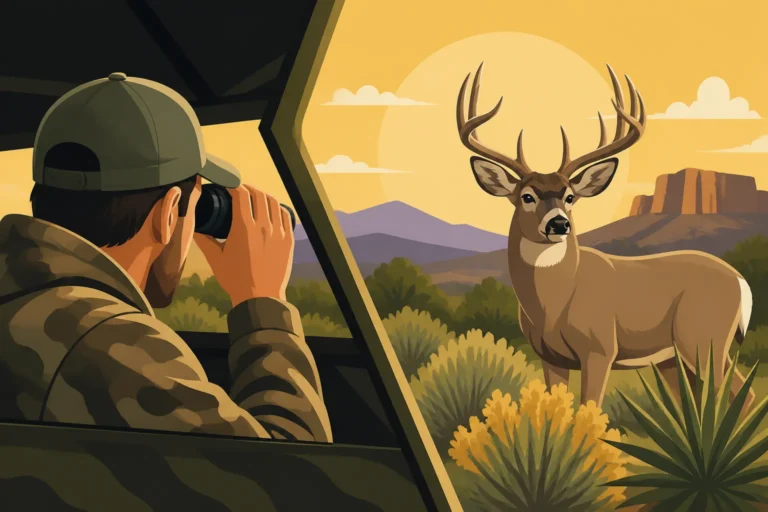
Hunting mule deer in New Mexico’s more arid, broken desert units, like those in the southern part of the state, presents a different challenge. The terrain is often more open, with sparse cover, meaning long-range visibility but also fewer places to hide. Here, a combination of calling and spot-and-stalk tactics, augmented by a two-hunter setup, can be very effective. While elk hunting often involves bugling, mule deer calling can include fawn distress calls, snort-wheezes, or even rattling during the rut.
The ambush/flank strategy can work particularly well here. One hunter might spot a buck bedded on a distant hillside. Instead of a direct, potentially exposing stalk, the caller can move to a position that draws the deer's attention, perhaps using a fawn distress call or a soft bleat. The shooter can then use that distraction to close the distance, using draws, washes, and scattered brush for cover. The mule deer's focus will be on the perceived source of distress, allowing the shooter to gain an advantage. This setup reduces the risk of the deer spotting a lone hunter trying to stalk in open country. Always consider how far to stalk a bedded mule deer, balancing the desire for closeness with the risk of being seen in sparse cover.
Predators in the Foothills
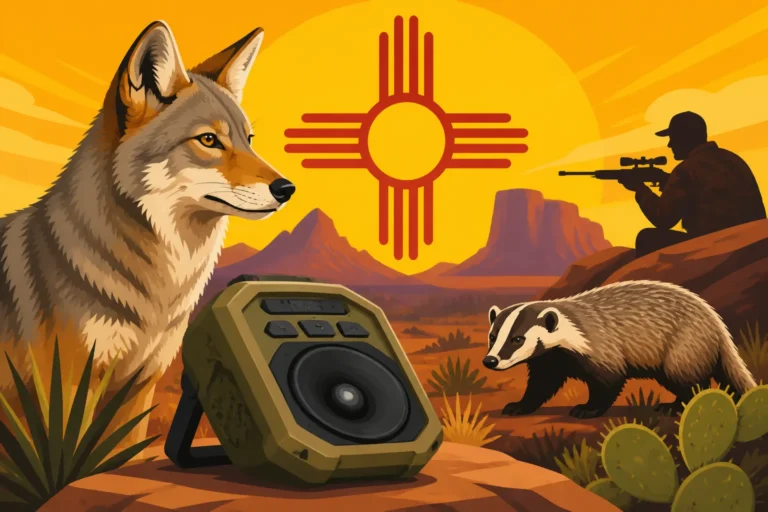
While our main focus is often on big game, two-hunter calling setups are also incredibly effective for predator hunting, particularly for coyotes and bobcats in New Mexico's foothills and plains. These animals are notoriously wary and have excellent senses. Trying to call them in solo often results in them circling downwind and busting you before you even know they're there.
With two hunters, one person can set up the call (often an electronic call playing distress sounds), positioning themselves 50-100 yards behind or to the side of the shooter. This allows the caller to remain hidden and control the sound, while the shooter covers a wide field of fire. Coyotes, especially, will often come in quickly, looking for the source of the distress, and their focus will be on the caller. The shooter can then pick them off as they come into range, often without the animal even knowing the shooter is there. This is a fantastic way to increase your harvest rates on these intelligent predators, and it makes for an exciting hunt where hunting coyotes year round in the desert is a real possibility.
| Aspect | Solo Hunter Calling | Two-Hunter Calling Setup |
|---|---|---|
| Roles | Caller, Spotter, Shooter, Tracker all in one. | Roles are divided: one caller, one shooter/spotter. |
| Realism of Calling | Limited ability to create dynamic, multi-faceted sounds while also preparing for a shot. | Higher realism; caller can focus entirely on creating convincing sounds and movement to mimic real animals. |
| Animal Focus | Animal often focuses directly on the hunter, increasing risk of being busted. | Animal's focus is on the caller, distracting it from the shooter's position, allowing closer approaches. |
| Shot Opportunity | Often compromised by the need to call/move, leading to rushed or poorly angled shots. | Shooter can remain still, concealed, and prepare for an ideal, ethical shot without distraction. |
| Concealment | Difficult to maintain perfect concealment while calling and moving into position. | Enhanced concealment for the shooter, as the animal's attention is diverted elsewhere. |
| Flexibility | Limited ability to adapt quickly to animal's movements or unexpected approaches. | Greater flexibility to adapt; caller can adjust calls based on animal's reaction, shooter can shift position subtly. |
| Safety & Confidence | Lower, as all responsibility rests on one person. | Higher, with an extra set of eyes, ears, and hands, plus shared decision-making. |
| Effective Range | Often results in animals hanging up just outside optimal shooting range due to wary behavior. | Can draw animals significantly closer, especially for bowhunting, maximizing ethical shot opportunities. |
| Communication | Internal thought process. | External communication (silent signals) and coordinated strategy are essential and practiced. |
Disclaimer: Hunting regulations and rules can change frequently. Always consult the official New Mexico Department of Game and Fish regulations booklet before planning any hunt to ensure you are in compliance with all current laws.