When the Elk Rut Peaks in New Mexico
If you've ever spent countless hours practicing your elk calls, meticulously scouting, and dreaming of that magical September morning when the timber just explodes with bugles, you know the frustration of trying to pinpoint the New Mexico elk rut. It’s a dance between biology, weather, and a bit of pure mystery, making it incredibly tough to predict with absolute certainty. This guide is here to break down the peak of the elk rut in New Mexico, offering insights to help you be in the right place at the right time.
Understanding the New Mexico Elk Rut Cycle
The elk rut isn't like flipping a switch; it's a dynamic, drawn-out process that unfolds over several weeks. It's dictated by a combination of photoperiod—the changing length of daylight—and the readiness of the cows to breed. Think of it as a biological symphony, starting with a few tentative notes and building to a powerful crescendo before fading out.
For New Mexico hunters, understanding this cycle is paramount. Early in the season, typically in late August and early September, you'll hear those initial "testing" bugles. These are usually from satellite bulls or younger guys trying to gauge the scene, maybe even a dominant bull letting everyone know he’s around but not quite ready for the main event. The cows aren't in full estrus yet, so while there might be some chasing, intense breeding activity is still a little ways off. This period is often characterized by bulls establishing their dominance hierarchy, pushing and shoving, and generally getting into shape for the marathon to come. Hunters during this time might find success by being patient and using more subtle cow calls to entice curious bulls rather than aggressive bugling. As September progresses, the intensity builds, and those scattered bugles begin to turn into a chorus.
Pinpointing the Peak Rut Window in New Mexico
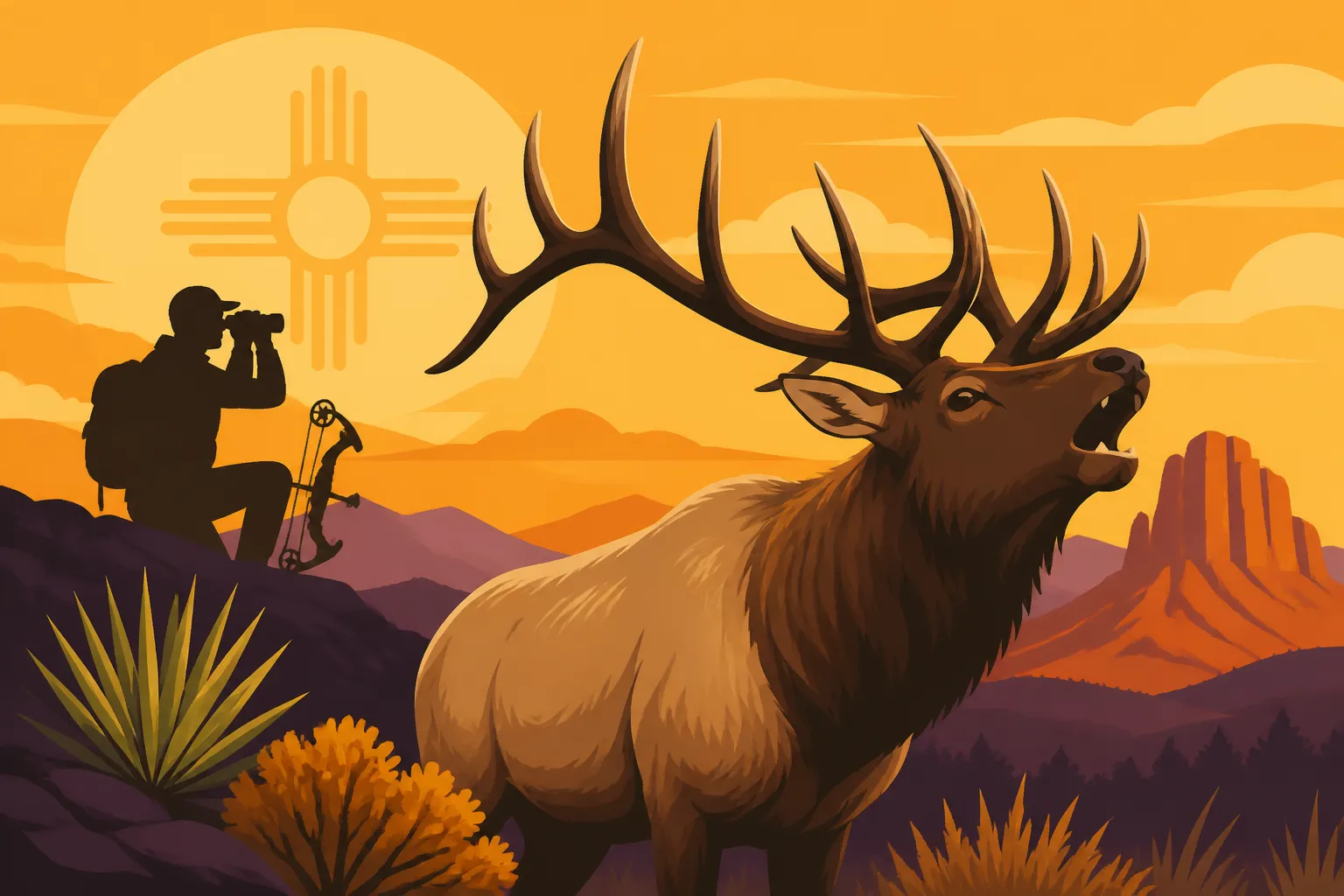
When we talk about the "peak rut" in New Mexico, we're generally referring to that sweet spot when the majority of cows are receptive to breeding, and the biggest, most dominant bulls are actively trying to gather and hold harems. This is when the woods come alive with a symphony of sounds: guttural chuckles, aggressive roars, constant cow calls, and the unmistakable sound of antlers clashing.
Historically, the peak of the elk rut in New Mexico consistently falls within the second and third weeks of September. You can usually count on things really heating up from around September 10th to September 25th. This is when you'll experience the most intense bugling, the most active herd movements, and the highest likelihood of witnessing those epic bull fights everyone dreams about. During this period, bulls are less cautious, driven by an overwhelming urge to breed. They'll often respond aggressively to calls, and sometimes, you can even catch them challenging rival bulls right out in the open. For hunters, this translates to higher odds of calling a bull into range or intercepting a traveling herd. It’s also the time when bulls are at their most vulnerable, often so consumed by the rut that they let their guard down, making them more approachable. If you’re planning your hunt, aiming for this window gives you the best statistical chance of hitting the most explosive activity. This peak can be particularly electric in areas like the Gila National Forest, where large numbers of elk converge. It’s during these dates that you might also hear the most intense bugling from bulls through New Mexico's mid-September rut, echoing through canyons and across mountain meadows.
To give you a clearer picture, here’s a general breakdown of elk rut activity across New Mexico's diverse terrain:
| Region/Elevation | Early Rut (August 20 – Sept 5) | Peak Rut (Sept 10 – Sept 25) | Late Rut (Sept 26 – Oct 10) |
|---|---|---|---|
| High Country (9000'+) | Isolated bugles, bull sparring, velvet shed. | Intense bugling, widespread breeding, aggressive bull behavior. | Decreased bugling, bulls fatigued, satellite bulls still active. |
| Mid-Elevation (6000'-9000') | Scattered calls, bulls seeking cows, some light chasing. | Peak breeding, strong vocalizations, herd establishment. | Bulls becoming quieter, focusing on feeding and recovery. |
| Lower Elevations (Below 6000') | Very minimal activity, bulls moving towards higher ground. | Consistent bugling, focused breeding activity in localized areas. | Less vocal, some secondary rut activity with younger bulls. |
Factors Influencing Rut Timing and Intensity
While the general window for the peak rut in New Mexico is fairly consistent, a few key factors can subtly shift its exact timing and overall intensity. These aren't always predictable, but understanding them can help you adjust your expectations and strategies on the fly.
Weather and Temperature Conditions
One of the biggest wildcards for the New Mexico elk rut is the weather. Elusive as it might be, temperature plays a huge role in how and when elk express the rut. When you experience unusually hot temperatures, especially during the early and mid-September period, it can really put a damper on things. Elk, particularly mature bulls, are big animals, and they generate a lot of body heat during activity. If the daytime highs are in the 80s or even 90s, they're simply not going to be as active or vocal. They’ll conserve energy, often retreating to dark timber or north-facing slopes, only becoming active during the cooler hours of dawn and dusk, or even well into the night. This often leads to a "muted" rut where you hear less bugling and see less movement.
Conversely, a cold front moving through, bringing cooler daytime temperatures and crisp nights, can ignite the rut like kindling. When those temps drop into the 50s and 60s during the day, with frosty mornings, bulls feel much more comfortable moving, chasing, and bugling throughout the day. It’s like the switch flips, and suddenly, the activity level intensifies dramatically. This is when you might find yourself in the thick of it, with bulls responding vigorously and the sounds of the rut filling the air. Keep an eye on long-range forecasts as your hunt approaches; it can give you a vital clue about the potential intensity of the rut you’ll experience. For hunters dealing with early season heat, managing your own body temperature and staying hydrated can be just as crucial as the elk's comfort.
Moon Phase and Its Impact
Ah, the moon phase! This is one of those topics that hunters love to debate around the campfire. Many old-timers swear by the moon, claiming that a full moon during the rut means elk will be "moonlighting" – active at night and quieter during the day – while a new moon encourages more daytime activity. The truth, however, is a bit more nuanced.
Scientifically, the impact of the moon phase on elk rut activity is generally considered less significant than factors like photoperiod and temperature. Elk are crepuscular animals by nature, meaning they are most active during dawn and dusk regardless of the moon. While a bright full moon might allow them to be more comfortable moving and feeding through the night, potentially reducing some daytime vocalizations, it doesn't typically shut down the rut entirely. The biological drive to breed is so powerful that it often overrides subtle influences like lunar cycles. What a full moon can do, however, is offer hunters a chance to see and hear elk in the open during bright night hours, which might feel like a delay in daytime activity. Don't let a full moon completely dictate your strategy, but be aware that you might need to hunt a bit later into the morning or earlier in the evening to catch them on the move if it's exceptionally bright at night. Focus more on weather patterns and the general timing of the season, and you’ll likely be more successful.
Herd Health and Bull-to-Cow Ratios
The overall health of the elk herd and the ratio of mature bulls to cows in a particular unit can significantly influence the intensity and duration of the rut. In units with a healthy, balanced population—meaning a good number of mature bulls for the number of cows—the rut tends to be much more competitive and vocal. With more dominant bulls vying for breeding rights, there's increased bugling, more aggressive behavior, and a generally higher level of activity as bulls constantly challenge each other and try to keep their harems together.
Conversely, in areas where bull numbers are low or skewed towards younger animals, the rut might feel less intense. Fewer mature bulls mean less competition, which can result in less vocalization and more subtle breeding activity. The cows will still come into estrus, but the dramatic displays of dominance, the constant challenging bugles, and the fierce fights might be less common. Wildlife management agencies like the New Mexico Department of Game and Fish strive to maintain healthy ratios to ensure robust breeding seasons and strong genetics. Before applying for a tag, researching unit-specific herd data or success rates on platforms like GoHunt can give you a sense of the population dynamics and what to expect in terms of rut intensity. Sometimes, understanding a unit's history and current conditions is more predictive than any other factor.
Strategies for Hunting the Peak Rut
When the New Mexico elk rut is truly peaking, it’s an exhilarating time to be in the woods. The increased activity and vocalizations can provide incredible opportunities, but success still comes down to smart strategies and adaptability.
Effective Calling Tactics
During the peak rut, bulls are actively seeking cows and defending their harems, making calling incredibly effective. You don't just need to know how to call, but when and how aggressively. Early in the morning, a good strategy is to use soft cow calls or locator bugles for finding bulls at dawn. This helps you pinpoint active bulls without immediately alerting them to your exact location. Once you locate a bull, you can ramp up the intensity. Aggressive bugling can often challenge a dominant bull, drawing him in for a fight. However, sometimes a more subtle approach, like a series of excited cow calls mixed with a few soft chuckles, can entice a bull who’s looking for a lone cow or trying to steal one from another bull.
It's crucial to listen to the bull's response. Is he bugling back immediately and moving toward you? Is he raking trees and sounding agitated? Or is he silent, seemingly ignoring your calls? Adjust your strategy based on his reaction. If he's hot, stay aggressive. If he's hesitant, try toning it down or circling to get a different angle. Remember, during the peak, bulls are often surrounded by cows, so you might need to call loudly enough to be heard over his herd or try to draw him away from his cows. Don't be afraid to experiment with different calls and intensities. Sometimes, the most pressured bulls have heard it all, and a unique series of calls can make the difference. Knowing how close a bowhunter needs to get on elk will significantly influence your calling approach, often requiring you to lure them within bow range.
Locating Active Bulls
Finding where the elk are during the peak rut can be less about subtle sign reading and more about listening and reacting. The sheer volume of vocalizations is your biggest clue. Get to your hunting area well before first light, find a high vantage point, and just listen. Those first few locator bugles will tell you where the action is. Remember to read the wind in a deep Gila canyon before you make your move.
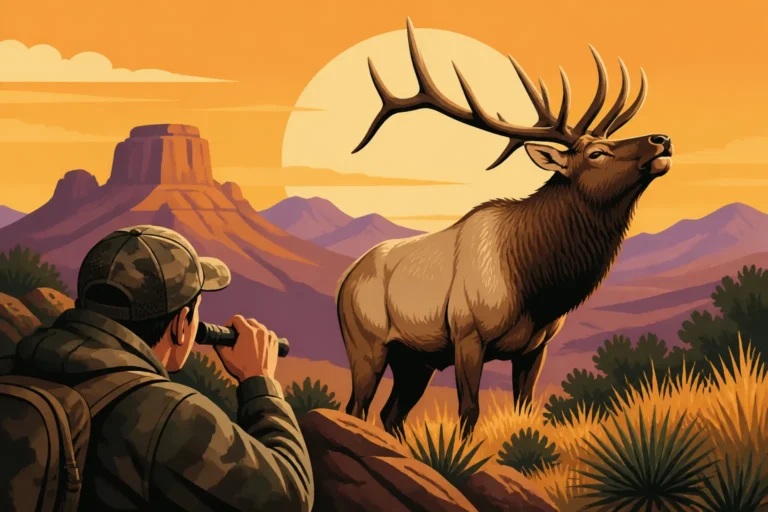
Once you hear a bull, don't just charge in. Use binoculars or a spotting scope to glass benches and parks for elk, trying to identify herd movements, the terrain they prefer, and where they might be bedding down during the day. Often, bulls will herd their cows into dense timber or secluded draws after the initial morning frenzy. E-scouting a New Mexico unit before the season using tools like GoHunt can help you identify these natural travel corridors and bedding areas. Look for fresh rubs, wallows, and heavy tracks, which are clear signs of recent elk activity. Learning how to read fresh elk sign in ponderosa timber or other habitats is essential. Also, pay attention to satellite bulls; sometimes, these younger, unattached bulls are easier to call in, especially if they’re trying to sneak in on a hot cow. Mobility is key; if one area is quiet, don't be afraid to pack up and move to where the sound is.
Staying Mobile and Persistent
The peak rut is a marathon, not a sprint. Elk, especially bulls, are constantly on the move, chasing cows, defending their territory, and engaging rivals. If you sit in one spot for too long, you might miss the action entirely. Be prepared to cover a lot of ground, adapting to where the elk are moving. This often means being able to quickly pack up a spike camp or re-position yourself to intercept a herd.
Persistence is equally vital. There will be lulls in activity, times when the woods fall silent, and you might start to question if the rut is truly peaking. Don't give up. Elk behavior can change quickly. A cold front, a new moon phase, or simply a shift in herd dynamics can reignite the action. Stick with it, keep calling, keep moving, and keep observing. Early against late New Mexico elk hunts each have their advantages, but the peak rut demands a tenacious approach. The hunters who find success during this intense period are almost always the ones who are willing to put in the miles, adapt their tactics, and remain confident that the next bugle is just around the corner.
The New Mexico elk rut is a truly incredible experience, often centered around that intense period in mid-September. While factors like weather and herd health can subtly shift the exact timing and intensity, being in the field during that peak window, adapting your strategies, and remaining persistent will give you the best chance at a memorable hunt.
Disclaimer
Please note: Hunting regulations and seasons are subject to change. Always consult the official New Mexico Department of Game and Fish regulations prior to any hunting activity. This content is for informational purposes only and does not supersede state laws or regulations.