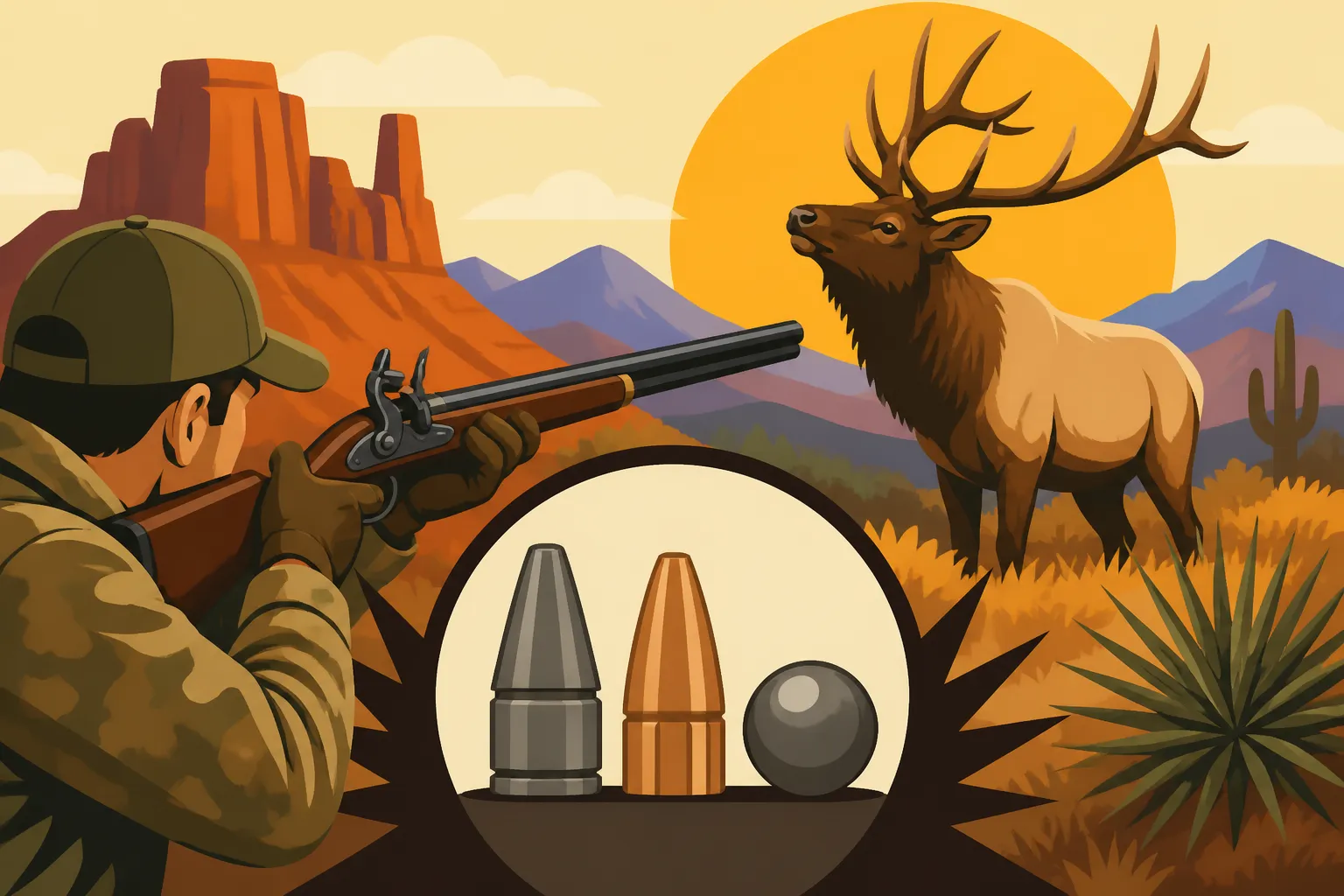
Muzzleloader Caliber Minimums for Elk
Trying to make sense of the myriad hunting regulations across different states can feel like deciphering ancient texts, especially when it comes to specific weapon requirements like muzzleloader caliber minimums for elk. It’s easy to get lost in the details, worrying if your trusty smoke pole is even legal for the New Mexico elk tag you’ve been dreaming of. This guide is here to untangle those rules, specifically focusing on what you need to know about muzzleloader calibers to ethically and legally pursue elk in the Land of Enchantment.
Understanding New Mexico's Muzzleloader Regulations
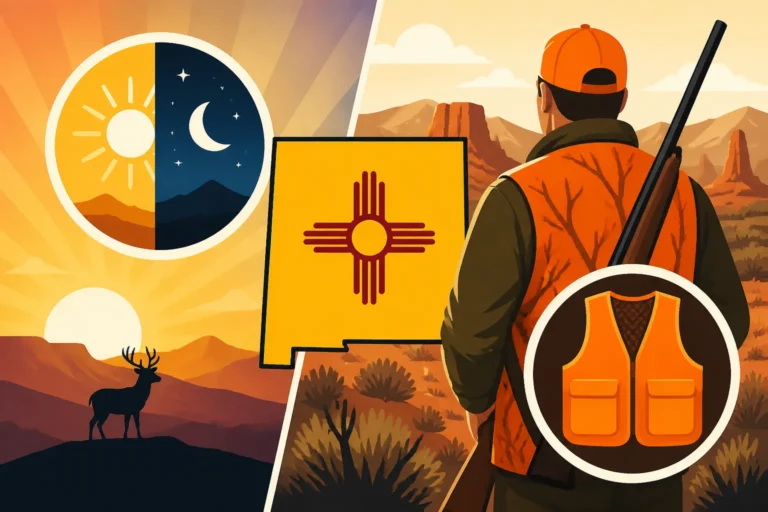
New Mexico is a state that takes its hunting heritage seriously, and with that comes a responsibility to ensure ethical hunting practices and fair chase. The regulations around muzzleloaders, especially for big game like elk, are designed to ensure that hunters are using adequate equipment to achieve a clean, humane harvest. It's not just about what feels right; it's about what the law explicitly states to protect the animals and uphold the integrity of the sport.
The Specific Caliber Requirements for Elk
When you dive into the New Mexico Department of Game and Fish (NMDGF) regulations, you'll find clear guidelines for muzzleloader use on big game. For elk, the rule states that a muzzleloader must be at least .45 caliber for both rifle and pistol. This minimum isn't arbitrary; it's based on ballistics and the energy transfer required to effectively take down an animal as large and resilient as an elk. You can’t just show up with any old muzzleloader and expect to be legal. You absolutely must verify that your firearm meets or exceeds this .45 caliber threshold.
Now, let's talk about the nuances. While .45 caliber is the minimum, many experienced elk hunters will tell you that stepping up to a .50 caliber or even a .54 caliber muzzleloader can provide an additional margin of ethical performance. Larger calibers often allow for heavier projectiles, which means more kinetic energy delivered on impact, especially at varying ranges. This isn't just about knocking an animal down; it's about ensuring a quick, clean kill to minimize suffering. Remember, these regulations are designed for responsible hunting, and going beyond the minimum, when possible, can only enhance your ethical commitment.
Why These Regulations Are in Place
These specific caliber requirements aren't just bureaucratic hurdles; they're rooted in wildlife management principles and ethical hunting practices. The primary reason for a minimum caliber is to ensure sufficient energy and penetration to dispatch big game animals efficiently. Elk are robust creatures, capable of absorbing a significant amount of impact, and an underpowered shot can lead to a wounded animal and a difficult, if not impossible, recovery.
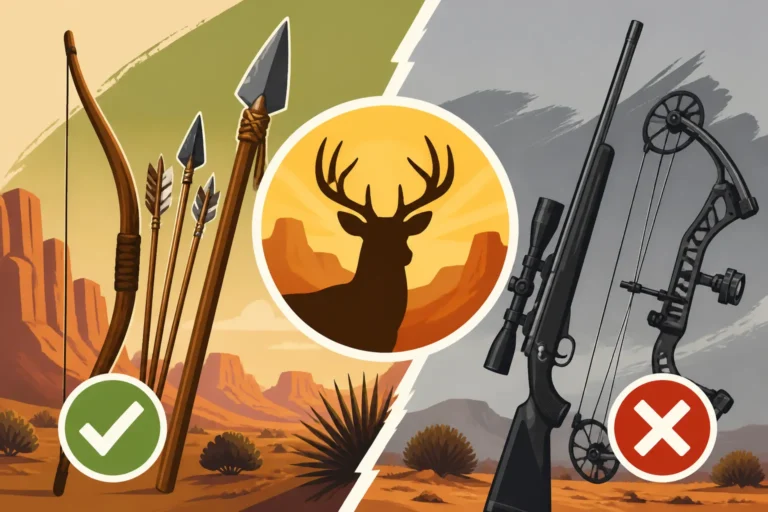
Historically, primitive weapons seasons, including muzzleloader hunts, were often designed to offer a different challenge and extend hunting opportunities while maintaining a fair chase standard. The regulations aim to strike a balance: allowing hunters to use traditional or "primitive" methods while still guaranteeing a reasonable probability of a clean kill. Without these minimums, there's a higher risk of hunters using inadequate equipment, leading to prolonged suffering for the animal and frustration for the hunter. This also aligns with the state's conservation efforts, ensuring that harvest methods are humane and sustainable for the herd. It's all about respect for the game and the land.
Choosing the Right Muzzleloader for New Mexico Elk
Once you understand the regulations, the next step is selecting the right muzzleloader for your New Mexico elk adventure. This decision involves more than just meeting the .45 caliber minimum; it's about matching the weapon to your hunting style, the terrain, and your personal proficiency. The Gila National Forest, for example, can present widely varied shot opportunities, from dense timber to open parks, and your chosen muzzleloader needs to be versatile enough to handle it.
Modern vs. Traditional Muzzleloaders
When people talk about muzzleloaders, they might picture a flintlock rifle from the 18th century, but the reality for most modern hunters, especially in the West, is often quite different. There are generally two categories:
- Traditional Muzzleloaders: These typically include flintlocks and percussion cap rifles that load loose powder and a patched round ball or conical bullet. While they certainly offer a unique challenge and a deep connection to hunting history, they often have limitations in terms of effective range and ease of loading under field conditions. If you're considering a traditional muzzleloader for elk, you'll want to ensure it still meets the .45 caliber minimum and that you can consistently achieve the accuracy and energy needed. Some hunters specifically seek out primitive weapon units in New Mexico to fully embrace this traditional challenge, but even there, the caliber rules apply.
- Modern Inline Muzzleloaders: These are what most contemporary muzzleloader hunters use. They feature a modern breach plug that uses a shotgun primer (209 primer) for ignition, often have rifled barrels, and can shoot sabotaged bullets. They are significantly more accurate, easier to clean, and offer a much greater effective range than traditional designs. For elk hunting in New Mexico, an inline muzzleloader in .50 caliber or even .54 caliber is often the preferred choice for its power and precision. Brands like CVA, Traditions, and Thompson/Center are popular among hunters for their reliability and performance. When considering your setup, remember that Can You Use a Scope on a Muzzleloader? is a common question, and New Mexico generally allows optics on muzzleloaders during general muzzleloader seasons, though specific hunt codes might have further restrictions, so always check your hunt code.
The choice largely comes down to what kind of experience you're looking for and your comfort level with the weapon. For maximum effectiveness and ethical dispatch of elk, a modern inline muzzleloader is often the more practical choice for most hunters.
The Impact of Bullet Type and Weight
Just as important as caliber is the type and weight of the projectile you send downrange. A .45 caliber round ball, for instance, will behave very differently than a .45 caliber conical bullet or a sabotaged bullet. For elk, you want a bullet that will retain enough weight and momentum to penetrate deep into the animal and disrupt vital organs.
- Conical Bullets: These are solid lead projectiles, heavier than round balls, and offer better ballistic coefficients and energy retention. They come in various designs, from full bore to hollow points. For a .45 caliber muzzleloader, a heavy conical bullet (e.g., 300-400 grains) is far superior for elk than a round ball, providing much-needed penetration.
- Sabotaged Bullets: These consist of a smaller-caliber bullet (like a .40 or .45 caliber bullet designed for a centerfire rifle) encased in a plastic sabot that allows it to be fired through a larger bore (e.g., a .50 caliber barrel). This combination offers excellent accuracy and ballistics. Common sabot loads for .50 caliber muzzleloaders include .45 caliber bullets weighing between 250 and 300 grains. Brands like Barnes, Hornady, and Nosler offer purpose-built muzzleloader bullets that expand reliably on impact while retaining weight for deep penetration. When comparing bullet types, consider how they perform in terms of expansion and weight retention, which are critical for elk. A good resource for comparing ballistic performance and ensuring you're choosing an effective load can be found on sites like GoHunt, which often compile data for various hunting scenarios.
The heavier the bullet, generally, the more energy it carries and the better its penetration. For elk, prioritizing heavy, controlled-expansion bullets that retain their mass is crucial for humane kills. Always test different bullet and powder combinations with your specific muzzleloader to find the most accurate and effective load.
Beyond Caliber: Other Muzzleloader Considerations for Elk Hunting
While meeting the minimum caliber requirements is non-negotiable, a successful and ethical muzzleloader elk hunt involves much more. It's about preparation, practice, and understanding the unique challenges of hunting with a single-shot, slower-loading firearm.
Shot Placement and Ethical Hunting
With a muzzleloader, every shot counts – perhaps even more so than with a modern rifle, given the slower follow-up shot potential. This means shot placement is absolutely paramount. For elk, the goal is always a shot into the vital lung and heart area, often referred to as the "boiler room." This area offers the largest target zone for a lethal hit.
- Understanding Elk Anatomy: Before your hunt, spend time studying elk anatomy. Know precisely where the heart and lungs are located relative to the shoulder bone from various angles (broadside, quartering away). Practice visualizing this on 3D targets or even life-sized cutouts.
- Waiting for the Right Shot: Patience is a virtue, especially with a muzzleloader. Never rush a shot. If an elk isn't broadside or slightly quartering away, presenting a clear shot at the vitals, wait for a better opportunity. It's far better to pass on a marginal shot and go home empty-handed than to take a risky shot and wound an animal. Ethical hunting dictates that we minimize suffering, and precise shot placement is the cornerstone of that principle.
- Knowing Your Limitations: Understand your muzzleloader's effective range and your personal effective range with that weapon. Don't attempt shots beyond what you've confidently practiced. For most muzzleloaders and hunters, this often means keeping shots under 150-200 yards, sometimes even closer depending on conditions and the specific setup. Factors like Holding for Wind Across a Deep Canyon become even more critical when you have only one shot.
Practice and Proficiency with Your Muzzleloader
A muzzleloader is not a "set it and forget it" weapon. Consistent practice is essential to become proficient and confident. This isn't just about hitting a target at the range; it's about mastering the loading process, understanding your weapon's quirks, and being able to perform under pressure.
- Range Time is Crucial: Spend significant time at the shooting range. Practice loading and shooting your muzzleloader until the process becomes second nature. Experiment with different powder charges and bullet combinations to find the most accurate load for your specific rifle. Don't just shoot off a bench; practice shooting from various field positions – kneeling, standing, prone, using shooting sticks. This simulates real-world hunting scenarios.
- Cleaning and Maintenance: Muzzleloaders, especially black powder firearms, require diligent cleaning after every shooting session. Black powder fouls quickly and can corrosive. Develop a thorough cleaning routine and stick to it. Knowing your weapon intimately, including how to disassemble and reassemble it, will build confidence and ensure reliability in the field.
- Simulating Hunting Conditions: Try practicing in the clothes and gear you'll wear hunting. This helps identify any snags or discomforts. If you’re hunting in cold weather, practice with gloved hands. If you plan on a physically demanding hunt, like Packing an Elk Out of the Gila Alone, consider incorporating physical training into your routine. The more you simulate actual hunting conditions, the better prepared you'll be when that shot opportunity arises.
Navigating the Regulations and Planning Your Hunt
The New Mexico Game and Fish Department does an excellent job of compiling all the regulations into one comprehensive document. However, it can still be a lot to digest. Knowing where to look and what specifically to pay attention to will save you a lot of headaches.
Where to Find the Official Rules
The single most important document for any New Mexico hunter is the New Mexico Hunting Rules & Info Booklet. This annual publication is available both online on the NMDGF website and in print at license vendors across the state. This booklet is your definitive source for all regulations, including specific weapon requirements, season dates, unit boundaries, and more.
- Online Access: The NMDGF website (wildlife.state.nm.us) is continually updated and usually has the current year's rulebook in PDF format. It’s always a good idea to download it to your phone or tablet so you have it in the field, even without cell service.
- Pay Close Attention to Hunt Codes: When you apply for a draw or purchase an over-the-counter license, you'll be dealing with specific "hunt codes." Each code represents a particular unit, species, weapon type, and season. It is absolutely critical to understand that some hunt codes might have additional restrictions beyond the general muzzleloader rules. For example, some "primitive weapons" hunts might specifically prohibit scopes on muzzleloaders, even if general muzzleloader seasons allow them. Always double-check your specific hunt code in the rulebook. If you're unsure, don't hesitate to call the NMDGF office for clarification. Reading a New Mexico Hunt Code Before You Apply is an invaluable skill that can prevent costly mistakes.
Practical Tips for a Successful Muzzleloader Elk Hunt
Beyond the regulations and weapon choice, there are several practical tips that can significantly increase your chances of success on a New Mexico muzzleloader elk hunt.
- Scouting is Key: Elk are intelligent animals, and knowing their habits in your chosen unit is paramount. E-scouting using tools like Google Earth or hunting apps such as onX Hunt can help you identify potential bedding areas, feeding grounds, and water sources. Then, if possible, conduct in-person scouting trips to confirm your observations, look for fresh sign, and learn the terrain. Pay attention to how the elk are using the land, especially if you're hunting during specific seasons like Bugle Timing Through New Mexico's Rut.
- Weather Preparedness: New Mexico weather can be unpredictable, especially in the mountains. Muzzleloaders can be particularly sensitive to moisture. Carry a small plastic bag or rubber glove to cover your muzzle to keep rain or snow out of the barrel. Protect your primers from moisture. Layering clothing is essential for temperature swings, from frosty mornings to warm afternoons.
- Physical Conditioning: Elk hunting, particularly in units like the Gila, is physically demanding. You'll likely be covering challenging terrain at high altitudes. Being in good physical shape will not only make the hunt more enjoyable but also increase your endurance for stalking, packing out meat, and recovering a downed animal. Consider starting a fitness regimen months before your hunt; Preparing Physically for a High Elevation Hunt is not something to be taken lightly.
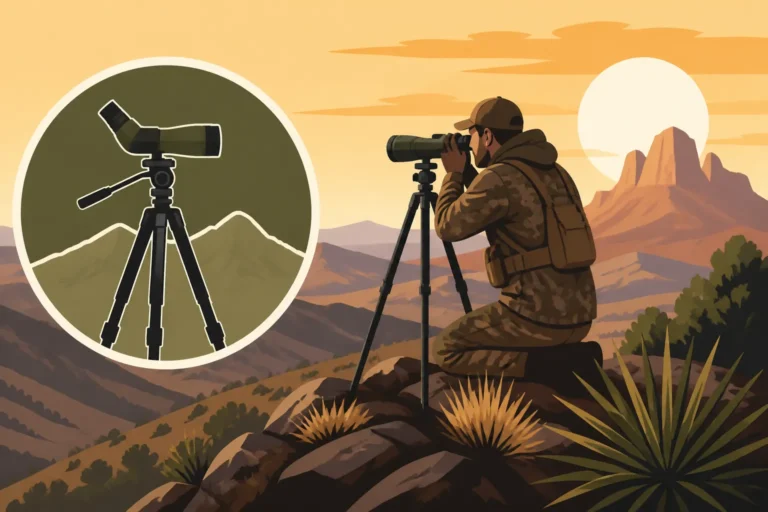
- Carrying Essentials: Always carry a reliable navigation system (GPS, compass, and map, even if you rely on a phone app), a first-aid kit, water, emergency shelter, and fire-starting tools. Given the single-shot nature of muzzleloaders, a good pair of binoculars and a spotting scope are indispensable for identifying legal animals and planning your stalk to get within effective range. GoHunt also offers some great gear recommendations tailored for Western hunting.
Remember, a muzzleloader hunt is about slowing down, connecting with the hunting tradition, and embracing a different kind of challenge. By adhering to the regulations and preparing thoroughly, you set yourself up for a rewarding experience in the vast and beautiful landscapes of New Mexico.
Muzzleloader Caliber Comparison for New Mexico Elk
To help you visualize the common calibers and their suitability, here's a quick comparison:
| Caliber | Minimum Requirement | Common Bullet Weights (Grains) | Primary Projectile Type | Effective Range (Approx.) | Suitability for Elk | Notes |
|---|---|---|---|---|---|---|
| .45 | Yes | 250-400 | Conical, Sabot | 100-150 yards | Legal, but challenging | Requires careful bullet selection (heavy conicals/sabots) for adequate energy. |
| .50 | Yes | 250-450 | Conical, Sabot | 150-200 yards | Excellent | Most popular choice, offers great balance of power and manageable recoil. |
| .54 | Yes | 350-500 | Conical | 175-225 yards | Excellent | Heavier hitting, good for those seeking maximum energy. Can be harder to find components. |
It's clear that while .45 caliber is the minimum, stepping up to a .50 or .54 caliber offers a noticeable increase in ethical stopping power and expands your effective range slightly, which can be a huge advantage in New Mexico's expansive landscapes.
Disclaimer
Please be aware that hunting regulations can change. While I strive to provide the most current and accurate information, it is always your responsibility to consult the official New Mexico Department of Game and Fish (NMDGF) Hunting Rules & Info Booklet for the current year. This guide is for informational purposes only and should not be considered a substitute for the official regulations.