How Oryx Came to New Mexico
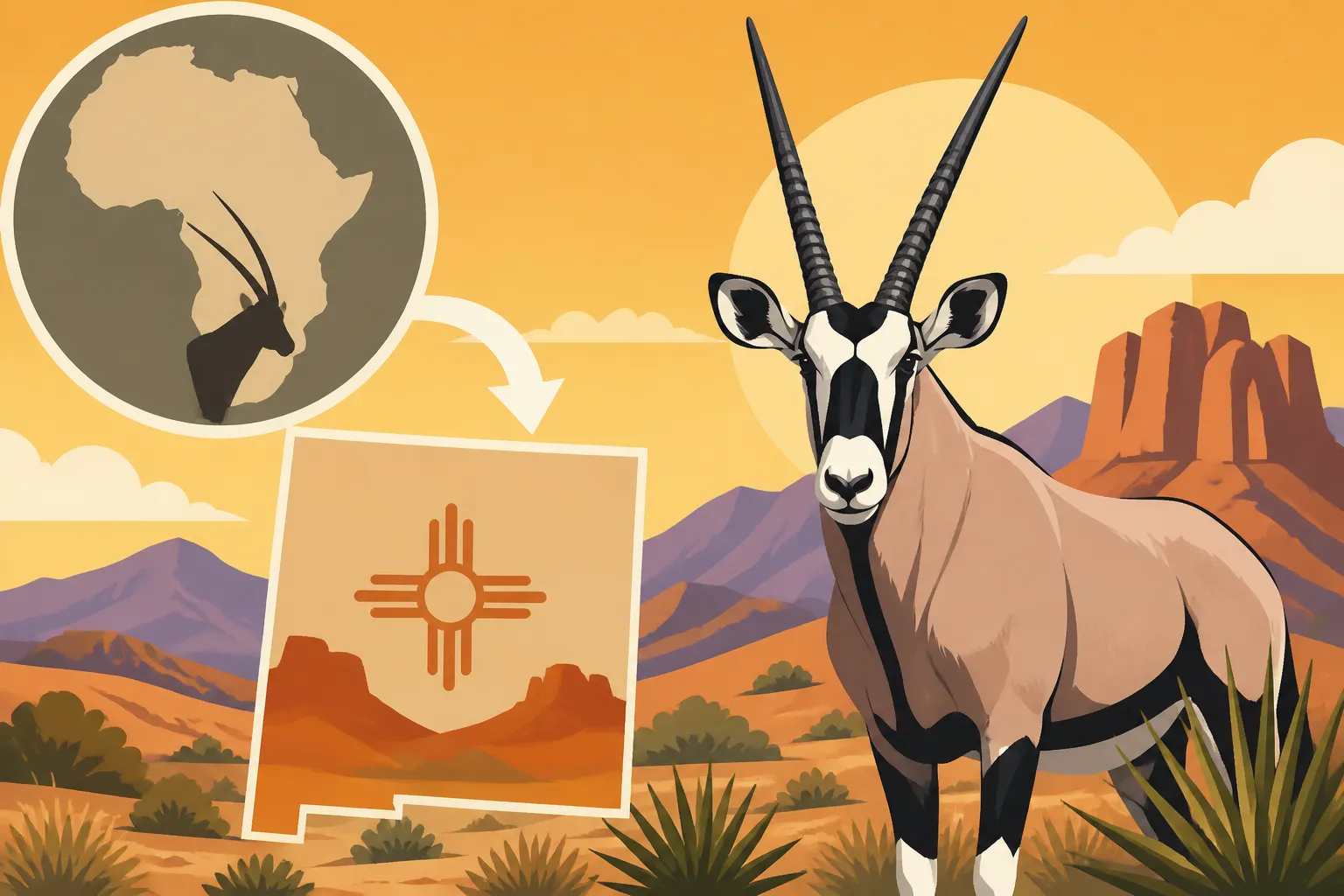
If you've ever found yourself scrolling through New Mexico's hunt draw statistics, pondering the incredible array of big game species available, one animal probably stands out as truly unique: the oryx. These majestic, saber-horned antelope are utterly striking, and their presence here often sparks a question: how did an animal native to the African desert find its way into the arid landscapes of New Mexico? This guide will take you through the fascinating journey of how oryx came to call our corner of the Southwest home, transforming the state's hunting opportunities in the process.
The Visionary Introduction: Why Oryx in New Mexico?
The idea of introducing an exotic big game species might seem a little out there at first glance, but it wasn't a decision made lightly. Back in the mid-20th century, wildlife managers in New Mexico were grappling with specific ecological challenges and opportunities, leading them to look beyond native species for potential solutions.
Seeking a Solution for Arid Lands
Imagine the landscape of south-central New Mexico in the mid-1900s. Vast expanses of desert and semi-arid grasslands, often with limited water sources and vegetation that native species sometimes struggled to fully utilize. The New Mexico Department of Game and Fish (NMDGF), along with other wildlife agencies, was keenly interested in finding a large game animal that could thrive in these conditions, providing both recreational opportunities for hunters and an efficient use of available forage. The goal wasn't just to add another species; it was to find one that could genuinely adapt to and even flourish in an environment that often presented challenges to indigenous wildlife. They were looking for something hardy, something self-sustaining, and something that could capture the imagination of the hunting public.
Researching Global Candidates
The search wasn't confined to a single species or even a single continent. Wildlife biologists and managers cast a wide net, evaluating numerous exotic ungulates from around the world. They looked at animals known for their resilience in harsh environments, their dietary flexibility, and their ability to reproduce successfully without intense human intervention. A significant factor was how these potential candidates might interact with existing native wildlife, like mule deer and pronghorn. The last thing anyone wanted was to introduce a species that would outcompete or negatively impact New Mexico’s cherished indigenous game. After extensive research, a few species rose to the top, but the East African oryx, specifically the gemsbok subspecies (Oryx gazella gazella), quickly became a frontrunner due to its remarkable adaptations to desert life. Its ability to go long periods without water, tolerate extreme heat, and subsist on sparse, tough vegetation made it an almost perfect fit for the Chihuahuan Desert.
From African Plains to New Mexico Deserts: The Journey Begins
Once the decision was made, the ambitious project of bringing oryx across an ocean and integrating them into a completely new ecosystem began. This wasn't just a matter of shipping them over; it involved careful planning, significant resources, and a good bit of hopeful anticipation.
The Initial Stock and Transport Challenges
The first oryx arrived in New Mexico in 1969. These pioneering animals weren't wild-caught from the African plains but rather sourced from the White Oak Animal Farm in Maryland and the London Zoo. This was a strategic choice, as animals accustomed to captivity often fare better during long-distance transport and initial acclimatization to a new environment. Imagine the logistics involved: coordinating international transfers, ensuring the animals' health and safety during travel, and preparing them for a completely alien landscape. The initial shipment consisted of only 93 animals, a relatively small number for such an ambitious undertaking. These individuals were the genetic foundation of what would become a thriving population, so their well-being during transit was paramount. Each animal represented a piece of the puzzle, and their successful arrival was a critical first step.
Establishing a Foothold: The Release Site
The chosen release site was one of the most unique and protected areas in New Mexico: the White Sands Missile Range (WSMR). This vast, restricted military installation offered an ideal environment for several reasons. Firstly, its sheer size provided an expansive, uninterrupted habitat, minimizing human disturbance and allowing the oryx to establish themselves without immediate hunting pressure. Secondly, the terrain and climate of WSMR closely mirrored the arid grasslands and scrublands of the oryx's native habitat in Africa, offering familiar challenges and resources. The initial release was carefully managed, with biologists monitoring the animals closely to assess their adaptation, reproductive success, and overall health. The goal was to provide them with every possible advantage to ensure they could not only survive but truly thrive. This controlled environment was crucial in the early years, giving the small herd a chance to grow and spread their genetic legacy across the desert. If you're wondering how the population expanded, a great resource for understanding how biologists monitor these animals is "How Biologists Count a Desert Big Game Herd".
The Oryx Thrive: Adaptation and Expansion
What followed the initial introduction was nothing short of a biological success story. The oryx, against some odds, didn't just survive; they truly prospered in their new home.
Why New Mexico Was a Perfect Fit
The success of the oryx in New Mexico wasn't just luck; it was a testament to their incredible adaptability and the thoughtful selection of their new home. The Chihuahuan Desert, particularly within the White Sands Missile Range, offered a mosaic of habitats remarkably similar to their native African range. They found abundant food sources in the form of various grasses, forbs, and even shrubs that native species sometimes avoided. Their unique digestive system allows them to extract maximum moisture from even dry vegetation, a crucial adaptation for desert life. Furthermore, the environment lacked the primary predators they faced in Africa, such as lions and hyenas, which allowed their numbers to increase rapidly and unimpeded. The combination of suitable habitat, available forage, and reduced predation created a perfect storm for population growth. This is a big part of why "Oryx Is New Mexico's Strangest Big Game Animal" – their very existence here is a biological marvel.
Population Growth and Management Challenges
The oryx population on WSMR exploded faster than even the most optimistic projections. From those initial 93 animals, their numbers swelled into the thousands within a couple of decades. While this was a triumph of wildlife management, it also presented new challenges. A rapidly growing population of large ungulates in a sensitive ecosystem can have impacts on native vegetation and potentially compete with native species for resources. The NMDGF recognized the need for active management to maintain a healthy herd and balance the ecosystem. This meant transitioning from a purely introduction phase to a sustainable management phase, which inevitably involved establishing regulated hunting seasons. This decision, while sometimes controversial among those unfamiliar with wildlife management principles, was crucial for controlling numbers, preventing overgrazing, and funding ongoing research and conservation efforts. It's a prime example of how successful introductions require dynamic management.
The Unique Hunt: Why Oryx Are So Special
The thriving oryx population soon opened up extraordinary hunting opportunities, creating some of the most sought-after and unique big game hunts in North America.
The White Sands Experience
Hunting oryx on the White Sands Missile Range is an experience unlike any other. It’s not just the impressive animal you're after; it's the surreal backdrop of gleaming white gypsum dunes, the vastness of a restricted military area, and the palpable sense of adventure. Permits for these hunts are highly coveted and awarded through a lottery draw system, making success a long shot for many. The NMDGF works closely with military personnel to coordinate hunt dates, which often means that "Why a White Sands Hunt Can Be Cut Short" due to military operations. Hunters must adhere to strict safety protocols and range rules, adding another layer of uniqueness to the experience. The hunts themselves are typically spot-and-stalk affairs across challenging desert terrain, testing a hunter's glassing skills, physical endurance, and shooting accuracy. This incredible opportunity has made "Oryx on White Sands Missile Range" legendary among hunters. Organizations like GoHunt provide invaluable resources for researching draw odds and hunt strategies for these unique tags, making the application process a bit less daunting.
Off-Range Opportunities and Management
While the White Sands hunts grab most of the headlines, the oryx population didn't stay confined to the missile range. Over the years, animals dispersed and established "off-range oryx herds in New Mexico" in surrounding Game Management Units (GMUs). These off-range populations, while generally smaller and more scattered, offer different types of hunting experiences. They are often found on a mix of public lands, including BLM and State Trust Land, and private ranches. Managing these off-range herds presents its own set of challenges, as they are not within the controlled environment of WSMR. Hunting pressure, habitat fragmentation, and interactions with other wildlife all play a role in their management. NMDGF issues tags for these areas as well, again through the draw, and while the draw odds might sometimes be slightly better than the super-tough WSMR tags, they are still highly competitive. Understanding "New Mexico Oryx Draw Odds" is crucial, and tools like those provided by GoHunt can help applicants strategize their choices.
The Economic and Conservation Impact of Oryx
The introduction of oryx wasn't just about adding a new game animal; it has had a significant and positive ripple effect on wildlife conservation and the economy of New Mexico.
Funding Conservation Through Tags
The revenue generated from the sale of oryx hunting licenses and tags is substantial, especially given the high cost of nonresident tags. For example, "A Nonresident New Mexico Oryx Tag Runs $1,623", and when you factor in the additional general hunting license fees and application costs, it's a significant investment. This money, like all hunting and fishing license revenue in New Mexico, is constitutionally dedicated to the NMDGF for wildlife management, research, habitat improvement, and law enforcement. This means that every oryx tag sold directly contributes to the conservation of all wildlife, native and introduced, across the state. It's a powerful example of the "user-pays, user-benefits" model of conservation that is the backbone of wildlife funding in the United States. Without these funds, many critical conservation programs would simply not exist. For those looking to apply, understanding the complex "New Mexico Hunt Codes and How to Read Them" is the first step in contributing to this system.
Ongoing Monitoring and Future Outlook
The success of the New Mexico oryx program isn't taken for granted. The NMDGF continues to actively monitor the populations, conducting aerial surveys, assessing herd health, and researching their ecological impacts. This ongoing scientific approach ensures that management strategies remain adaptive and responsive to changes in the environment and the oryx population itself. The goal is long-term sustainability, ensuring that these magnificent animals continue to thrive in New Mexico for generations to come, providing unique hunting experiences while minimizing any potential negative impacts on the broader ecosystem. Organizations like GoHunt regularly disseminate information gleaned from these studies, keeping hunters informed about herd status and future opportunities. The future of oryx in New Mexico looks bright, a testament to thoughtful conservation planning and the resilience of a truly remarkable species.
Here's a quick look at the journey of the New Mexico oryx:
| Year | Event | Details |
|---|---|---|
| 1960s | Research & Planning | NMDGF evaluates exotic species for introduction to arid lands. |
| 1969 | Initial Introduction | 93 gemsbok oryx sourced from zoos and farms, released on White Sands Missile Range. |
| 1970s | Population Growth | Oryx rapidly adapt and reproduce in the favorable desert environment. |
| 1974 | First Hunt Season | Limited hunting seasons established to manage growing population. |
| 1980s | Population Expansion | Oryx numbers continue to climb, begin to establish off-range herds. |
| Present | Ongoing Management | Regular hunts (draw-only), population monitoring, and habitat studies continue. |
Disclaimer
Please remember that hunting regulations, fees, and season dates can change. Always consult the official New Mexico Department of Game and Fish regulations booklet for the most current and accurate information before planning any hunt.