Mule Deer Across New Mexico’s High Country and Desert
New Mexico’s vast and varied landscapes present a unique and often daunting challenge for mule deer hunters. From the rugged peaks of the northern mountains to the sprawling, arid plains of the south, these magnificent animals adapt to incredibly diverse conditions, making consistent success feel like a moving target. This comprehensive guide is here to break down the complexities of pursuing mule deer across New Mexico, helping you understand their habitats, the draw system, effective hunting strategies, and the critical preparation needed to fill your tag.
The Allure of New Mexico Mule Deer
There’s something truly special about chasing mule deer in New Mexico. Maybe it’s the silence of the high timber, broken only by the crunch of pine needles underfoot, or the endless vistas of the desert where a buck can materialize from seemingly nowhere. Whatever it is, these hunts test your resolve, your scouting skills, and your physical endurance in ways few other places can. But with those challenges come immense rewards: the chance at a mature buck in truly wild country.
The Diverse Habitats Mule Deer Call Home
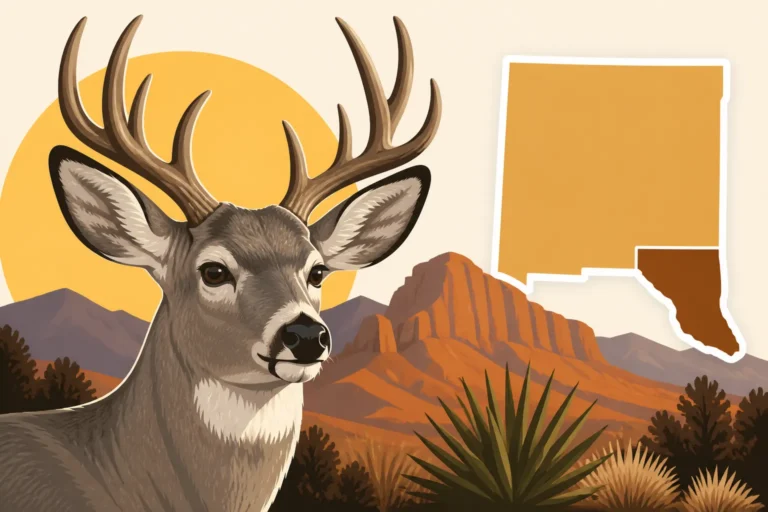
New Mexico is a land of extremes, and mule deer thrive in almost every corner of it. You’ll find them tucked away in the dense conifer forests of the northern mountains, where the air is thin and the terrain unforgiving. These are your classic high-country muleys, often darker in coat, with thick antlers developed from rich forage. Then, you head south, and the landscape opens up dramatically. Here, in the Chihuahuan Desert, mule deer navigate arroyos, mesquite flats, and rocky hillsides, blending seamlessly into the sparse cover. Their coats are lighter, adapted to reflect the intense desert sun, and they’re masters of finding water and shade in seemingly barren expanses.
The shift in habitat dictates everything from their diet and movement patterns to their escape routes. A buck in the Sacramento Mountains might rely on a thick patch of ponderosa pines for security, while his desert cousin might disappear into a maze of dry washes with surprising speed. Understanding this fundamental difference is the first step to unlocking success, because what works in one environment will almost certainly fail in another. It’s easy to feel overwhelmed by the sheer scale and variety, but with a focused approach, you can learn to read the signs no matter where you find yourself.
Understanding Mule Deer Behavior Across Environments
Mule deer behavior is a fascinating study in adaptation. In the high country, during the early archery seasons, bucks might be found in bachelor groups, often at higher elevations, feasting on summer forage. As hunting pressure mounts and temperatures drop, they’ll start to move to lower, more protected areas, or seek out dense timber where they feel secure. Their movements are often predictable, following distinct trails between bedding areas and feeding grounds, especially if they’ve learned where hunters concentrate.
In the desert, however, the rules change. Water sources become paramount, especially during dry spells. Bucks might travel significant distances between bedding areas in isolated hills and vital water holes, often moving at night to avoid the brutal daytime heat. The cover is typically sparser, forcing them to rely more on stillness and their incredible camouflage to avoid detection. The rut, too, can play out differently. While the general timing remains consistent across the state, the intensity and visibility of rutting activity can vary based on terrain and population density. Knowing whether you're hunting deer that move through thick junipers or across wide-open sagebrush will completely change your approach to glassing, stalking, and even shot placement.
Identifying Key Mule Deer Habitats in New Mexico
New Mexico’s mule deer population is widely distributed, but certain areas are renowned for specific types of hunting experiences. Whether you dream of a high-country monster or a desert monarch, knowing where to focus your efforts is half the battle.
High Country Mule Deer in Northern Units
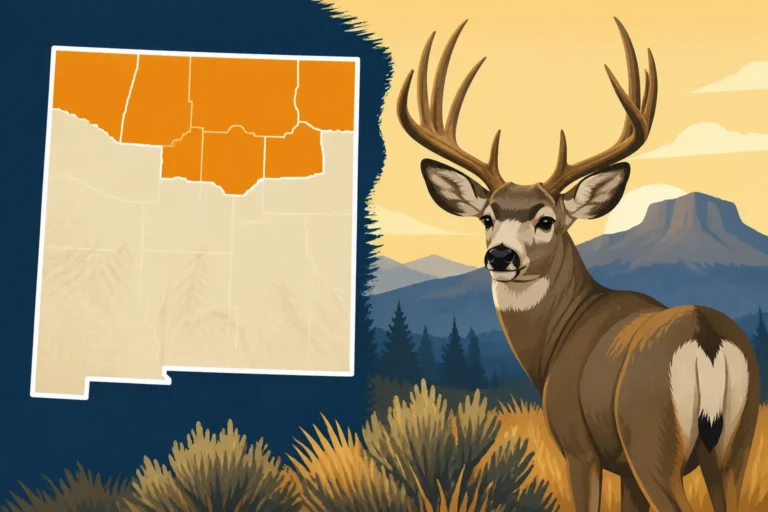
When most people think of classic mule deer country, they often picture the majestic northern units of New Mexico. Areas within the Carson and Santa Fe National Forests, for instance, offer breathtaking scenery and challenging terrain. These units are characterized by vast expanses of Ponderosa pine, Douglas fir, and spruce-fir forests, often interspersed with aspen groves, open parks, and steep canyons. Bucks here can grow impressively large, benefiting from rich forage and often older age classes due to the difficulty of accessing some of their strongholds. Hunters targeting these areas should expect to work hard, covering significant vertical gain and navigating dense timber.
The hunting pressure can be substantial in some accessible areas, especially during rifle seasons, but venturing deeper into the backcountry often yields better results for those willing to put in the effort. These are often cold weather hunts, with early season archery or muzzleloader hunts offering beautiful fall colors, while late season rifle hunts might mean snow on the ground, pushing deer to lower elevations. Understanding Mule Deer Across Northern New Mexico means appreciating the role of elevation, aspect, and water in dictating deer movement, especially as the season progresses.
Desert Mule Deer in Southern New Mexico
Head south, and the landscape transforms dramatically into the rugged beauty of the Chihuahuan Desert. Units in New Mexico’s bootheel, or those characterized by rolling hills, mesas, and extensive arroyo systems, are home to a different breed of mule deer. These desert deer are incredibly tough and masters of their environment. Cover often consists of mesquite, creosote bush, prickly pear cactus, and juniper, offering surprisingly good camouflage for a vigilant buck. Water is the lifeblood of these arid zones, and understanding where permanent and ephemeral water sources exist is critical.
Hunting desert mule deer often involves extensive glassing from high points, patiently scanning vast landscapes for the tell-tale horizontal line of a bedded deer or the flick of an ear in the shade. Stalks can be long and require extreme stealth, navigating thorny brush and loose rock. While trophy potential might sometimes be overshadowed by the high country, the challenge and unique experience of hunting desert mule deer are immensely rewarding. They are perfectly adapted to their environment, making for a truly engaging hunt. Dive deeper into these specific areas with resources like Desert Mule Deer in Southern New Mexico to understand the nuances of hunting these hardy animals.
Transitory Zones and Winter Ranges
Beyond the distinct high-country and desert habitats, New Mexico also has crucial transitory zones and winter ranges that are vital for mule deer survival and, consequently, hunting success. As harsh winter weather approaches in the northern units, deer will begin their migration from high-elevation summer feeding grounds to lower, more sheltered winter ranges. These transitional areas, often characterized by piñon-juniper woodlands and scrub oak, become important hunting grounds during late-season tags. Deer concentrate in these areas, making them prime spots if you draw a late hunt, but also increasing competition with other hunters.
Conversely, desert mule deer don't typically undertake such dramatic vertical migrations, but they do have distinct wintering and fawning grounds that offer different hunting opportunities. During periods of drought, these deer might concentrate around the few reliable water sources available, a factor that can be both a blessing and a curse for hunters. Understanding Where New Mexico Mule Deer Winter is not just about knowing where to find them, but also about appreciating the conservation efforts required to protect these critical habitats for future generations of deer and hunters. Always be mindful of ethical hunting practices in these sensitive areas.
Navigating the New Mexico Mule Deer Draw System
The New Mexico Game and Fish draw system can feel like a labyrinth, especially for those new to it. With no preference points, every applicant starts on equal footing each year, which is both exciting and frustrating. Success hinges on understanding the nuances of the draw, from hunt codes to allocation percentages, and crafting a thoughtful application strategy.
Decoding Hunt Codes and Application Strategy
Every hunt in New Mexico is identified by a unique hunt code, and deciphering these codes is fundamental to applying correctly. A code like "MD-1-100" tells you the species (Mule Deer), the hunt type (e.g., archery, muzzleloader, any legal weapon), and the specific unit. But it's more than just that; the hunt code also specifies the dates of the hunt. Missing a detail here could mean applying for a season or weapon type you don't actually want. Before you even think about units, you need to understand exactly what each digit and letter in that code represents.
It's crucial to go through the current year's "Rules & Information Booklet" with a fine-tooth comb. This document is your bible for the draw. Once you're clear on the hunt code specifics, you can begin to strategize your choices. New Mexico allows you to apply for multiple species, and for each species, you can list several hunt choices in order of preference. Many hunters dream of the premier units with huge bucks, but the reality is those tags are incredibly difficult to draw. A smart strategy often involves balancing a "dream tag" choice with a more realistic second or third choice in units that still offer good hunting but have slightly better odds. Remember, your research into Reading a New Mexico Hunt Code Before You Apply is paramount; it’s the gateway to everything else.
Analyzing Draw Odds and Unit Choices
The heart of any New Mexico draw strategy lies in understanding draw odds. Since there are no preference points, every applicant has an equal chance, but that chance varies wildly from unit to unit and hunt to hunt. The New Mexico Department of Game and Fish publishes draw statistics from previous years, showing the number of applicants versus the number of tags issued for each hunt code. This data is invaluable, but it's important to remember that past odds are not a guarantee of future success. Trends, however, can be illuminating.
Resources like GoHunt, a popular online platform, consolidate this data and often provide additional insights, making it easier to research units and hunt codes. You can filter by species, weapon type, and unit to see detailed breakdowns of applicant numbers, successful draws, and even public land percentages within units. This kind of in-depth analysis helps you identify units that might be less popular but still offer excellent hunting opportunities, improving your chances of drawing a tag. Remember, a common frustration is seeing seemingly random draw results; understanding How New Mexico Draw Odds Work Without Points highlights that it truly is a lottery each year. Your best bet is to make informed choices based on available data, not just hopeful guesses.
Important Deadlines and License Requirements
Missing a deadline in the New Mexico draw system is perhaps the most painful mistake a hunter can make. The application period for most big game species is relatively short, typically from late January to mid-March. The absolute, non-negotiable deadline for most applications is All New Mexico Applications Close March 18 at 5 p.m. (Mountain Daylight Time). Mark your calendar, set multiple reminders, and don't wait until the last minute. Technical glitches or last-minute questions can derail your application if you're not proactive.
Beyond the application deadline, there are several crucial license requirements. All big game hunters, residents and non-residents alike, must first purchase a Game Hunting License. For non-residents, this is specifically the Nonresident New Mexico Game Hunting License, which is purchased annually and is required before you can apply for draw tags. Additionally, most hunters will need to purchase a Habitat Management and Access Validation (HMAV) and a Habitat Stamp, depending on where they plan to hunt. These fees, though sometimes seen as an added burden, are essential for funding critical wildlife management and access programs across the state. Failing to have these prerequisite licenses in place will result in your application being rejected, a heartbreaking scenario you definitely want to avoid.
Effective Hunting Strategies for New Mexico Mule Deer
Mule deer hunting in New Mexico is rarely a "walk-in-the-park" affair. It demands patience, physical fitness, and a sound understanding of the landscape. Your strategy will largely depend on the terrain you're hunting and the specific season, but a few core principles remain constant.
Spot and Stalk Tactics for Open Country
For vast stretches of New Mexico's mule deer country, especially the desert units and alpine basins, spot and stalk is the undisputed king of hunting methods. This isn't about aimless wandering; it's a highly methodical approach that relies heavily on quality optics and disciplined glassing. The process begins by gaining elevation to survey as much country as possible. You'll spend hours, sometimes entire days, behind your binoculars and spotting scope, meticulously picking apart distant hillsides, juniper patches, and shadowed draws. The goal is to locate deer before they ever know you're there.
Once a buck is spotted, the real chess match begins. You need to plan your approach carefully, using terrain features – ridges, arroyos, rock formations – to shield your movement from the deer's acute eyesight. Wind direction is absolutely critical; mule deer have an incredible sense of smell, and a shifting breeze can ruin a stalk in an instant. This phase can take hours, even crossing miles, involving crawling, waiting, and slow, deliberate steps. Patience is your most powerful tool. For those wanting a structured approach to covering ground, understanding The Grid Glassing Method, Step by Step can dramatically increase your efficiency and reduce the chances of overlooking a hidden buck in expansive country.
Still Hunting and Tracking in Timbered Areas
While spot and stalk dominates the open, still hunting and tracking are incredibly effective in the dense timber of New Mexico's northern mountains. This method demands a completely different mindset: slow, deliberate movement, paying attention to every detail on the forest floor. You're not looking for distant animals, but rather for subtle signs of recent activity: fresh tracks, rubbed trees, droppings, and the faint outline of a deer through the trees. The key is to move at a snail's pace, often taking just a few steps every minute, then stopping to listen and scan.
Reading the wind and understanding thermals becomes even more critical in timbered canyons. As the sun rises, warm air flows uphill (up-drafts), and as it sets, cool air sinks (down-drafts). A deer's nose is constantly testing the air, so moving with the wind (or ensuring your scent cone is blowing away from where you expect deer) is paramount. Being able to read the nuances of air movement, especially when trying to approach an animal undetected, is a skill that takes years to master. Resources like Reading Wind in a Deep Gila Canyon (though focused on elk) offer principles that apply perfectly to still hunting mule deer in similar mountainous, timbered environments.
Hunting the Mule Deer Rut
The mule deer rut is arguably the most exciting, and often the most productive, time to hunt mature bucks. In New Mexico, the rut typically peaks in late November and into December, depending on elevation, weather, and population dynamics. During this period, bucks become far more active and less cautious as they pursue does. They'll often be seen cruising open areas, pushing does, or challenging other bucks, making them more visible and vulnerable to hunters.
Hunting the rut means focusing on areas where does congregate, such as prime feeding areas or transitional zones between winter ranges and higher elevations. Bucks will often follow doe groups, so finding the does is often the fastest way to find a buck. You might employ rattling or grunting calls to simulate a sparring match or a buck looking for a doe, but be aware that heavily pressured deer can become call-shy. Often, simply being in the right place at the right time, and having the patience to sit and glass known doe congregating areas, is the most effective strategy. Understanding When the Mule Deer Rut Actually Starts in your specific unit will greatly inform your hunt planning and maximize your chances of encountering a rut-crazed buck.
Essential Gear and Preparation for Mule Deer Hunts
A successful New Mexico mule deer hunt isn't just about strategy; it's also about having the right gear and being physically prepared for the demands of the terrain. The wrong equipment can turn a challenging hunt into a miserable one.
Optics for Distant Glassing
In New Mexico, good optics are not a luxury; they are a necessity. Whether you're in the vast open spaces of the desert or peering into distant canyons of the high country, your binoculars and spotting scope will be your primary scouting tools. For binoculars, something in the 10×42 to 12×50 range is ideal for all-day glassing without excessive fatigue. Pair these with a quality tripod adapter to stabilize the image, reducing eye strain and allowing you to pick out subtle details. Many seasoned hunters swear by premium brands like Swarovski, Zeiss, or Vortex for their clarity and durability in harsh conditions.
A high-quality spotting scope is equally vital, especially for judging antler size from extreme distances or confirming if that speck on a far ridge is indeed a deer. A 60-80mm objective lens with 20-60x or 20-70x magnification is standard. Again, a sturdy tripod is non-negotiable for maximizing the scope's effectiveness. When you're spending hours staring at a distant hillside, every bit of optical performance matters. If you're wondering about specifics, checking out advice on Spotting Scope Power for Open Country can give you a better idea of what magnification truly benefits you in New Mexico's expansive terrain.
Footwear and Clothing for Varied Terrain
Your feet are your most valuable asset on a mule deer hunt. A comfortable, supportive, and durable pair of hiking boots is paramount. In the rocky, often unforgiving desert terrain, a stiffer sole with good ankle support can prevent countless sprains and bruises. For the high country, waterproof boots are often preferred, especially during early or late seasons when dew or snow can be an issue. Break in your boots long before the hunt; new boots are a common source of blisters and misery.
New Mexico's weather can be notoriously unpredictable, especially during shoulder seasons. You might start your day with frosty temperatures in the mountains, only to be sweating by midday in direct sunlight, or encounter sudden monsoon showers in the late summer. A layering system is your best friend. Start with a moisture-wicking base layer, add insulating layers (fleece or puffy jackets), and top it off with a waterproof and windproof outer shell. This allows you to add or shed clothing as conditions change, ensuring you stay comfortable and focused. Adapting to fluctuating temperatures is key, and understanding advice on Layering for Gila Temperature Swings (even if you're not in the Gila) provides excellent principles for any mountain hunting.
Firearms and Ballistics for Mule Deer
Choosing the right firearm for mule deer in New Mexico depends on your personal preference, the type of hunt (archery, muzzleloader, or rifle), and the terrain. For rifle hunters, mule deer are tough animals, and shots can often be long, especially in open country. A flat-shooting caliber that can deliver sufficient energy at extended ranges is often preferred. Common choices include .270 Win, 7mm Rem Mag, .30-06, .300 Win Mag, and 6.5 Creedmoor. Precision and practice are far more important than caliber choice, but having enough bullet weight and velocity to humanely take a mule deer at distance is critical.
Zeroing your rifle correctly for the expected shot distances is non-negotiable. Many hunters choose to zero their rifles at 200 yards, which provides a versatile point-blank range for most scenarios. However, in country with deep canyons and open flats, you need to know your bullet's trajectory out to 400 or even 500 yards. Practice shooting from various field positions – prone, kneeling with shooting sticks, or using a backpack rest – to be confident when the moment of truth arrives. Consider specific guidance on topics like Rifle Zero Distance for Canyon Country to dial in your setup for long-range engagements. Always know your effective range and stick within it to ensure an ethical harvest.
After the Shot: Field Care and Regulations
Taking down a mule deer is the culmination of hard work, but the job isn't over. Proper field care is crucial for preserving the meat and trophy, and strict regulations must be followed to ensure legality.
Field Dressing and Meat Care in Warm Climates
New Mexico, particularly in its desert regions or during early season hunts, can get incredibly hot. This poses a significant challenge for meat preservation. The moment an animal is down, the clock starts ticking. Rapid and thorough field dressing is paramount to cooling the carcass as quickly as possible. This involves removing all internal organs, including the windpipe and esophagus, to facilitate airflow and prevent bacterial growth. If you’re in a very warm environment, splitting the brisket and pelvis can further open up the cavity for cooling.
Once field dressed, the deer needs to be moved to shade immediately. Elevating the carcass off the ground allows for better air circulation. Consider packing game bags specifically designed for breathability and protection from flies. If you’re far from your vehicle, boning out the meat into game bags can significantly reduce weight and make the pack-out easier, allowing the meat to cool even faster. Failing to cool meat rapidly, especially in temperatures above 40 degrees Fahrenheit, can lead to spoilage. For detailed instructions on preparing your harvest in challenging conditions, refer to Field Dressing in Desert Heat.
Tagging and Reporting Requirements
New Mexico has clear and concise regulations regarding tagging and reporting harvested big game. Immediately after you kill a mule deer, you must validate and attach your tag to the carcass. This means punching out the date of kill and unit and physically attaching the tag to the animal's antler or ear, ensuring it remains with the animal until it reaches its final destination or is processed. Failing to tag your animal properly and promptly is a serious violation. The specific requirement for How Soon You Must Tag a Downed Animal is immediate, so don't delay.
Additionally, some species or specific hunts may require mandatory reporting to the New Mexico Department of Game and Fish within a certain timeframe after harvest. This is typically done online or via telephone and helps the department gather crucial harvest data for wildlife management purposes. Always double-check your hunt rules for any specific reporting obligations associated with your tag. Keep your validated tag with you while transporting the animal, as it serves as proof of legal harvest.
Navigating Public and Private Land
New Mexico is a patchwork of public and private land, and navigating these boundaries legally is a critical aspect of hunting. Before your hunt, thoroughly scout your unit using maps (like those offered by GoHunt or OnX Hunt) that clearly delineate land ownership. You must know where public land ends and private property begins. A New Mexico hunting license grants you an easement to access A New Mexico License Is Your State State Trust Land Easement, which is invaluable, but this access comes with specific rules and ethical responsibilities.
Crossing private property to access public land without explicit written permission from the landowner is considered trespass and can result in severe penalties, including fines and loss of hunting privileges. Even if you down an animal on public land and it runs onto private property, you are legally required to obtain permission from the landowner before retrieving it. This can be a challenging and sometimes frustrating situation, but respecting private property rights is paramount. Understanding Retrieving Game From Private Land in New Mexico rules before you ever step foot in the field can save you a lot of headache and legal trouble. Always carry maps, and if in doubt, err on the side of caution.
Beyond the Hunt: Conservation and Ethics
Hunting mule deer in New Mexico is more than just drawing a tag and pulling a trigger. It’s a privilege that comes with significant responsibilities towards the animals, the land, and the hunting community.
Respecting the Resource and Other Hunters
Every hunter has a role to play in preserving the integrity of the sport and the health of the wildlife. This means adhering to ethical practices at all times. Only take shots you are confident will be lethal, ensuring a quick and humane harvest. Never leave a wounded animal; exhaust every effort to track and recover it, no matter how difficult the terrain or how late it gets. This commitment to recovery is a fundamental tenet of ethical hunting.
Beyond the animal, respecting the land means practicing "Leave No Trace" principles. Pack out everything you pack in, including spent shell casings, food wrappers, and flagging tape. Avoid unnecessary off-road vehicle use, sticking to designated roads and trails to prevent habitat damage and erosion. Respecting other hunters means giving them space, not crowding their hunting areas, and being courteous if you encounter them in the field. Remember, we are all ambassadors for hunting.
Mule Deer Population Trends and Management
Mule deer populations across the West, including New Mexico, are influenced by a complex interplay of factors. Habitat quality, disease, predation, and especially weather patterns, all play a significant role. Prolonged drought, for instance, can severely impact fawn survival rates and antler growth, leading to declines in overall herd health and numbers. Conversely, good moisture years can result in abundant forage, healthier deer, and better fawn recruitment.
The New Mexico Department of Game and Fish actively manages mule deer populations through annual surveys, habitat improvement projects, and carefully regulated hunting seasons and tag allocations. These efforts are designed to maintain healthy, sustainable herds for future generations. Understanding factors like How Drought Affects Desert Deer Numbers helps contextualize why certain units might have higher or lower deer densities in a given year. As hunters, our license fees and active participation in conservation organizations directly contribute to these vital management efforts, ensuring the long-term health of New Mexico's mule deer.
Contributing to Conservation Efforts
As hunters, we are often the most ardent conservationists, and our financial contributions are critical to wildlife management. Every dollar spent on licenses, tags, and excise taxes on firearms and ammunition (through the Pittman-Robertson Act) goes directly back into wildlife research, habitat restoration, land acquisition for public access, and law enforcement. Beyond these mandatory contributions, consider joining and supporting conservation organizations dedicated to mule deer, such as the Mule Deer Foundation. These groups often work on specific projects within New Mexico, such as water development in arid areas, habitat enhancement, or advocating for sound wildlife policies.
Volunteering your time for habitat projects, such as fence removal, water tank maintenance, or planting native forage, is another powerful way to give back. By actively engaging in these efforts, you not only improve conditions for mule deer but also gain a deeper connection to the land and its wildlife. Your involvement ensures that the tradition of mule deer hunting in New Mexico remains vibrant and healthy for generations to come.
| Feature | High Country Mule Deer | Desert Mule Deer |
|---|---|---|
| Typical Habitat | Dense conifer forests, aspen, open parks, steep canyons | Mesquite, creosote, arroyos, rocky hills, sparse brush |
| Typical Elevation | 7,000 – 11,000+ feet | 3,000 – 7,000 feet |
| Primary Challenge | Steep terrain, dense cover, elevation sickness | Heat, sparse cover, vast distances, water scarcity |
| Key Strategy | Still hunting, tracking, some spot & stalk | Extensive spot & stalk, patient glassing |
| Rut Timing (Peak) | Late November – Early December | Late November – Mid-December |
| Recommended Optics | 10x-12x binoculars (tripod recommended) | 12x-15x binoculars, powerful spotting scope (tripod essential) |
| Footwear | Waterproof, stiff-soled boots with good ankle support | Durable, breathable boots, good for rocky/thorny ground |
| Water Strategy | Filter, purification tablets, hydration bladder | Carry ample water (1 gallon/person/day minimum) |
| Average Shot Distance | Shorter (100-300 yards) due to cover | Potentially longer (200-500+ yards) due to openness |
Disclaimer
The information provided in this guide is for general informational purposes only and is not intended as legal advice. Hunting regulations, seasons, and licensing requirements in New Mexico are subject to change. It is the hunter's sole responsibility to consult the official New Mexico Department of Game and Fish (NMDGF) Rules & Information Booklet for the current year, as well as any relevant federal or local regulations, before planning or engaging in any hunting activities. Always ensure you are in compliance with all applicable laws and regulations.