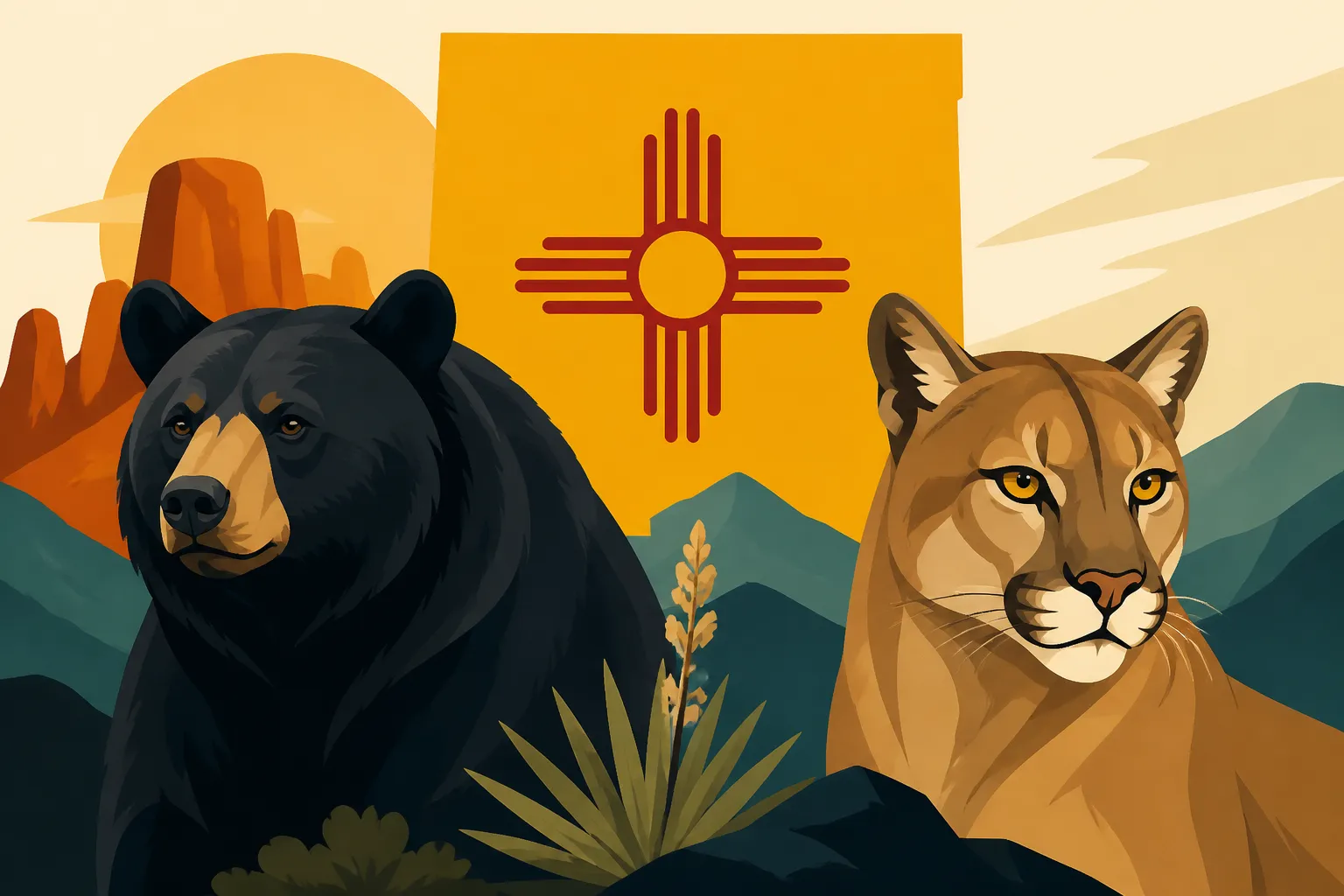
New Mexico Bear and Cougar Season Structure
Trying to make sense of New Mexico's bear and cougar seasons can feel like navigating a dense thicket without a compass. Unlike most big game, these seasons aren't just about fixed dates on a calendar; they involve dynamic harvest limits and management zones that can change on a dime. It's enough to make even a seasoned hunter scratch their head, wondering if their planned hunt will even be open when they arrive. This guide is here to clear the air, breaking down the intricacies of hunting bear and cougar in the Land of Enchantment so you can plan with confidence.
Understanding New Mexico's Bear Hunting Seasons
Bear hunting in New Mexico is a different beast entirely compared to deer or elk. You can’t just buy a tag and head out on opening day without keeping a close eye on the pulse of the season. It’s a dynamic system designed to manage populations effectively, which means hunters need to be extra vigilant.
The Unique Structure of Bear Seasons
One of the biggest frustrations for bear hunters is the fluid nature of the seasons. Unlike a fixed deer season that runs from specific date to specific date, New Mexico's bear seasons operate on a quota system within designated Bear Management Zones (BMZs). This means that a season, even if scheduled to run for months, can close instantly once the predetermined harvest limit for that zone is met. Imagine driving hundreds of miles, setting up camp, only to check your phone (if you have service!) and discover the zone you planned to hunt has been closed for days. It's a real gut punch that many hunters have experienced, and it highlights the critical need to understand how these seasons work. The Game and Fish Department does its best to update hunters, but the responsibility ultimately falls on you to stay informed.
Bear Management Zones and Harvest Limits
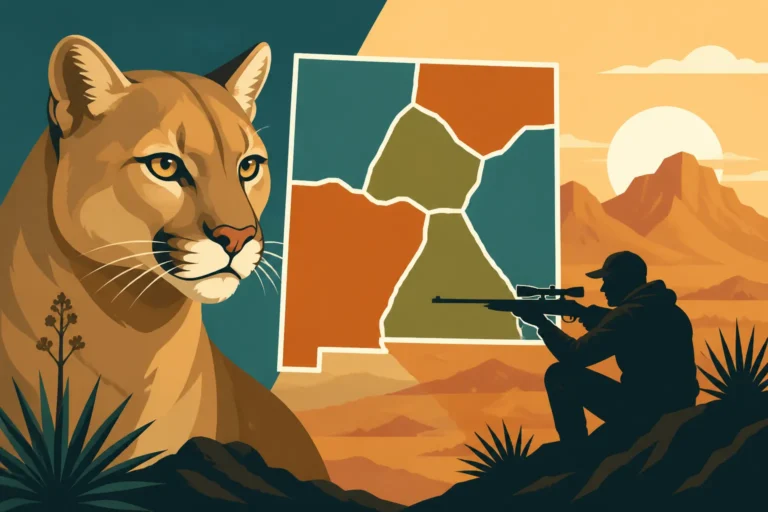
New Mexico is divided into several Bear Management Zones, and each one has its own specific harvest limit, often broken down into both an overall bear limit and a separate limit for female bears, or sows. These limits are set by biologists based on population data, habitat conditions, and other factors to ensure the long-term health and sustainability of the bear population. For instance, a particular BMZ might have an overall limit of 20 bears, with no more than 8 being sows. Once either of those numbers is reached, the season for that zone closes immediately.
This system is crucial for managing the population because female bears are vital to the species' reproductive capacity. Over-harvesting sows can have a much greater impact on future bear numbers than harvesting a similar number of boars. The New Mexico Game and Fish Department meticulously tracks these harvest numbers in real-time. Hunters are required to report their harvests swiftly, allowing the department to make timely decisions about closures. If you're wondering how the state calculates these numbers, it's often based on robust studies, and you can learn more about the New Mexico Black Bear Population Estimate through their resources. Understanding these limits is key to navigating bear hunting successfully, as knowing How New Mexico Bear Harvest Limits Close a Zone can save you a wasted trip. The focus on Female Harvest Limits on New Mexico Bears really underlines the state's commitment to responsible wildlife management.
Season Dates and Application Process
While the actual closure dates are fluid, there are general periods when bear seasons are typically open. New Mexico usually offers both spring and fall bear seasons, though specific dates vary by zone and year. Spring seasons often run from mid-April through May, while fall seasons can stretch from August well into November, sometimes even December in certain areas. It’s always critical to consult the most current New Mexico Hunting Rules & Information booklet for precise dates and any zone-specific regulations.
One vital piece of information that often catches hunters off guard is the bear application deadline. Unlike most other big game species, for which applications close in March, bear applications have an earlier deadline, typically in February. This earlier deadline is a common point of frustration for hunters who are used to the later March deadline and miss their chance to apply. It’s easy to overlook this detail, especially if you're juggling applications for multiple species. While many bear tags are often available over-the-counter once you have your game hunting license, certain units or specific hunt codes might still require a draw or have additional permit considerations. Always double-check if you need to apply for a draw permit, or if it's strictly a quota hunt where you purchase a license and simply monitor the harvest numbers. The NMDGF website is your best friend here, or reliable third-party platforms like GoHunt that provide updated application information. This is Why New Mexico Bear Applications Close in February is such a critical detail, and knowing When New Mexico Bear Applications Close can make or break your plans. It's a crucial distinction from the general The March Deadline for New Mexico Applications.
Navigating New Mexico's Cougar Hunting Seasons
Cougar, also known as mountain lion, hunting in New Mexico also operates under a system that prioritizes conservation through management zones and harvest quotas, but with some notable differences from bear seasons. These elusive predators offer a challenging hunt that requires persistence and a deep understanding of their habits.
Cougar Zones and Quota Systems
Just like bears, cougar hunting in New Mexico is managed through a system of Cougar Management Units (CMUs), each with its own specific harvest quota. However, the quota system for cougars can sometimes be a bit less dynamic than bears. While zones can and do close, cougar hunts often have longer season dates, and in many areas, the general bag limit is one cougar per hunter per license year. The challenge often comes from the sheer difficulty of finding and harvesting a cougar, rather than constantly battling against a closing season.
The excitement of drawing a cougar tag, or simply buying a license for an over-the-counter area, is palpable. But even with a tag in hand, the real work begins. You're not just looking at a general quota for the state; you need to understand the specific CMU you’re hunting in and any particular regulations that apply there. These zones are designed to ensure localized populations remain healthy and balanced within their ecosystems. Understanding New Mexico Cougar Zones and Limits is the first step toward a successful hunt.
Season Lengths and Legalities
Cougar seasons in New Mexico generally run for much longer periods than bear seasons, often spanning from April 1st of one year to March 31st of the next, effectively a year-round opportunity in many CMUs. However, the critical caveat is always the harvest limit for that specific zone. Even if the season is technically open for a full year, if the quota is met, the season closes immediately. This long season gives hunters more flexibility, but it doesn't diminish the need to stay informed.
When it comes to legalities, the use of dogs is a significant aspect of cougar hunting in New Mexico. Many hunters utilize trained hound packs to track and tree cougars, which is a traditional and highly effective method for these cunning animals. However, there are strict regulations regarding the use of dogs, including specific training requirements and rules about how hounds can be used and managed in the field. Other methods, like calling or incidental encounters, are also legal, but pursuing a lion with hounds requires careful adherence to the rules. It's essential to familiarize yourself with all applicable regulations to ensure a legal and ethical hunt. The state provides detailed guidelines on Hunting New Mexico Cougars Behind Hounds to ensure both hunter safety and animal welfare.
Obtaining a Cougar License and Staying Informed
Obtaining a cougar license in New Mexico is typically a straightforward process, often an over-the-counter purchase. You usually don't have to apply in a draw like you would for elk or deer. However, you will need a valid New Mexico Game Hunting License first. Once you have that, you can purchase your cougar license directly from the New Mexico Department of Game and Fish website, through a licensed vendor, or by calling their customer service line.
Even though it’s an over-the-counter license, staying informed about zone closures is absolutely critical. The NMDGF website is the primary source for real-time updates on cougar harvest data and zone closures. They often have dedicated pages or hotlines where you can check the current status of each CMU. Many hunters also rely on third-party resources and apps like GoHunt, which can aggregate this data and send notifications, making it easier to track the status of your chosen CMU while you’re planning or even out in the field. Missing a closure, even if you’ve legally purchased a license, can lead to severe penalties, so make it a habit to check before every hunt and frequently during your hunt.
Critical Considerations for Bear and Cougar Hunters
Hunting predatory species like bear and cougar in New Mexico comes with a unique set of responsibilities and considerations. Beyond understanding the season structure, there are several key elements that every hunter must master to ensure a legal, ethical, and successful experience.
Staying Up-to-Date on Closures
This cannot be stressed enough: for both bear and cougar, staying informed about zone closures is paramount. The system of dynamic quotas means that a hunting unit can close without much advance warning once the harvest limit is met. Imagine the frustration of planning a multi-day backcountry hunt, driving for hours, only to find out the night before or the morning of your trip that your target zone has been closed for days. It’s a costly mistake in terms of time, fuel, and emotional investment.
The New Mexico Department of Game and Fish (NMDGF) provides several resources to help hunters monitor these closures. The most reliable method is typically the official NMDGF website, which usually has a dedicated page for current bear and cougar harvest statistics and zone status updates. Many hunters also bookmark specific phone numbers to call for recorded updates. Additionally, technology has made this easier than ever. Platforms like GoHunt often integrate NMDGF data to provide real-time updates and even push notifications for zone closures directly to your phone. Make it a habit to check the status of your intended hunting zone daily, especially as the season progresses and harvest numbers climb. Legal ramifications for hunting in a closed zone are serious, ranging from hefty fines to license revocation, so it's a risk simply not worth taking.
Tagging and Reporting Requirements
Once you've successfully harvested a bear or cougar, your responsibilities don't end there. New Mexico has specific regulations regarding how you must tag and report your animal, and adhering to these rules is crucial. The first step is usually to immediately detach, sign, and date your physical tag and attach it to the animal. This must be done at the site of the kill, before the animal is moved. This requirement is universal for big game, and you can delve into How Soon You Must Tag a Downed Animal for more specifics.
Beyond tagging, reporting your harvest is mandatory and often has a strict timeline. For many species, this involves contacting the NMDGF within a specified number of hours or days. This is how the department tracks harvest numbers and determines when a zone needs to close. You’ll typically need to provide information about the date and location of the kill, the species and sex of the animal, and possibly some measurements. In some cases, such as with cougars, there might be additional requirements for presenting the skull and hide to an NMDGF officer for inspection and to receive a pelt tag. This pelt tag is often required for lawful possession and transportation of the animal. Always ensure you retain Evidence of Sex Requirements on a Carcass until the animal is checked or transported home. It's vital to follow the Mandatory Reporting After a New Mexico Harvest protocol to the letter.
Baiting and Trail Camera Rules
Understanding baiting and trail camera regulations is another critical aspect for bear and cougar hunters. For big game in New Mexico, baiting is generally prohibited. This means you cannot place food, salt, or any other attractant to lure animals for the purpose of hunting. This rule applies to both bear and cougar, ensuring fair chase principles are upheld. Attempting to bait a bear or cougar could lead to severe penalties. For a detailed breakdown, you might want to look into Baiting Rules That Apply to New Mexico Bears, which covers the nuances specific to these animals. Generally, the rules found in Baiting and Trail Camera Rules in New Mexico apply broadly.
Trail cameras, however, are typically permitted for scouting purposes on public land, but with specific stipulations. You can use them to monitor wildlife activity, identify travel corridors, or even pattern a specific animal, but they cannot be used to aid in the direct take of an animal (e.g., placing one directly over a bait pile, which itself is illegal, or using real-time feeds to guide a stalk). Make sure your cameras are clearly marked with your name and contact information, and always retrieve them in a timely manner. Over time, there have been evolving discussions and regulations surrounding trail camera use, so always check the latest regulations to ensure compliance, especially concerning Trail Camera Rules on New Mexico Public Land.
Ethical Hunting Practices and Conservation
Hunting bear and cougar is a privilege that comes with significant ethical responsibilities. As hunters, we are often the first line of conservation, and our actions directly impact both wildlife populations and public perception of hunting. Embracing ethical practices ensures the sustainability of these species and the future of our hunting heritage.
The Role of Quotas in Wildlife Management
The quota system for bear and cougar in New Mexico isn't just a bureaucratic hurdle; it's a sophisticated, scientifically-backed tool for wildlife management. Biologists meticulously collect data on population size, reproductive rates, habitat health, and mortality factors to determine sustainable harvest levels. These quotas prevent overharvesting, particularly of breeding females (sows for bears, and female cougars), which are essential for population stability and growth.
When a quota is set at, say, 20 bears for a particular BMZ, it means that based on current population assessments, that number of bears can be harvested without negatively impacting the overall health of the local population. It's a precise balance, ensuring that we can continue to enjoy these incredible animals for generations to come. This management approach validates the frustrations of dynamic season closures, because those closures are a direct result of the system working as intended – protecting the resource.
Responsible Hunting and Public Perception
As hunters of apex predators, our actions are often under scrutiny from the non-hunting public. Therefore, responsible hunting practices are not just about following the law; they're about upholding the integrity of the sport and fostering a positive image of hunting. This means prioritizing clean, ethical kills, ensuring quick and efficient retrieval of harvested animals, and respecting the animal even after it's down.
Responsible hunting also extends to how we share our experiences. Social media, while a great tool for connecting, can also be a double-edged sword. Presenting a harvested animal respectfully, focusing on the challenge of the hunt and the reverence for the animal, rather than sensationalism, helps to educate and inform others about the conservation role of hunters. It's about demonstrating stewardship, not just success.
Contributing to Conservation Efforts
Every bear and cougar license purchased in New Mexico directly contributes to wildlife conservation. The funds generated from license and tag fees are often earmarked for habitat improvement projects, wildlife research, law enforcement, and other programs that benefit not only the hunted species but also the broader ecosystem. This user-pay, public-benefit model is the backbone of wildlife conservation in North America.
Beyond financial contributions, hunters can further contribute to conservation by participating in data collection efforts, such as providing accurate harvest information and reporting any unusual wildlife observations to the NMDGF. If you're passionate about these species, consider volunteering with local conservation groups or becoming involved in policy discussions. Our engagement ensures that wildlife management decisions are informed by those who care deeply about the outdoors and its inhabitants.
Comparing Bear and Cougar Seasons in New Mexico
To help you get a clearer picture, here's a quick comparison of some key aspects of bear and cougar hunting seasons in New Mexico:
| Feature | New Mexico Bear Seasons | New Mexico Cougar Seasons |
|---|---|---|
| Application Process | Earlier deadline (typically Feb) for draw permits; OTC for some units. | Primarily over-the-counter (OTC) license. |
| Season Length | Spring (April-May) and Fall (Aug-Dec); dynamic, quota-driven closures. | Often year-round (April 1 – March 31); dynamic, quota-driven closures. |
| Quota System | Bear Management Zones (BMZs) with overall & female harvest limits. | Cougar Management Units (CMUs) with overall harvest limits. |
| Harvest Limit per Hunter | Varies by draw or specific tag; typically one bear. | Typically one cougar per license year. |
| Methodologies | Fair chase; no baiting. | Fair chase; no baiting; hounds often utilized. |
| Closure Monitoring | Critical, real-time tracking via NMDGF & third-party apps (e.g., GoHunt). | Critical, real-time tracking via NMDGF & third-party apps (e.g., GoHunt). |
| Reporting Requirements | Mandatory, swift reporting to NMDGF. | Mandatory, swift reporting to NMDGF; often includes pelt tagging. |
Disclaimer
Please remember that hunting regulations, season dates, and specific requirements can change. Always consult the most current New Mexico Department of Game and Fish (NMDGF) Hunting Rules & Information booklet or their official website before planning any hunt. This guide is for informational purposes only and should not be considered a substitute for the official regulations.