Hunting New Mexico Cougars Behind Hounds
Hunting a cougar in New Mexico, especially with the aid of hounds, is an experience unlike any other big game pursuit. It’s physically demanding, mentally taxing, and requires a deep understanding of the animal, the terrain, and the crucial role your canine partners play. Many hunters find themselves intrigued but intimidated by the complexities of hound hunting, from navigating the specific regulations to understanding the intricate dance between dogs and quarry. This guide aims to demystify the process, offering insights into how these hunts are conducted, what to expect, and the essential preparations needed to pursue a New Mexico cougar behind a pack of skilled hounds.
Understanding New Mexico's Cougar Regulations and Zones
One of the biggest hurdles for any hunter, but especially for those targeting cougars with hounds, is wrapping their head around the ever-evolving regulations and zone structures in New Mexico. Unlike elk or deer seasons that often have fixed dates, cougar seasons can be dynamic, influenced by harvest limits that can close zones at a moment's notice. This often creates frustration for hunters trying to plan their trips well in advance, wondering if their chosen area will even be open when they arrive.
Dynamic Harvest Limits and Zone Closures
New Mexico's cougar management strategy often relies on specific harvest limits within designated zones. This means that a season, while having an advertised start and end date, can actually close prematurely if the harvest quota for that particular zone is met. It’s a conservation measure designed to manage cougar populations sustainably, but it adds a layer of complexity for hunters. Imagine planning a week-long trip, driving for hours, only to find out the day before that the zone you intended to hunt has already been closed. This scenario, while rare, is a real possibility and underscores the need for diligent monitoring of the New Mexico Department of Game and Fish website. They are usually very prompt in updating harvest statistics and closures, sometimes even providing text alerts or email notifications if you sign up. Staying informed in real-time is absolutely critical for success and avoiding disappointment. You'll often see specific units lumped into larger cougar management zones, and the closure of one zone impacts all units within it.
Required Licenses and Permits
Before you even think about hitting the trail with hounds, you need to ensure all your paperwork is in order. New Mexico requires a standard game hunting license, which is your foundational document. On top of that, you'll need a cougar license or tag specifically for the cat. Don't forget the Habitat Management and Access Validation (HMAV) and potentially a Habitat Stamp if you're venturing onto federal lands like those managed by the Bureau of Land Management (BLM) or the Forest Service. The New Mexico HMAV Validation Explained covers this in more detail. It's a bit like a jigsaw puzzle, making sure every piece fits. Always double-check the current year's regulations booklet, as requirements and fees can shift. For non-residents, the overall cost of licenses and tags adds up, so budgeting for these essentials is the first step in planning. The official Game and Fish website will provide the most up-to-date pricing structure and purchasing options.
The Role of Hounds in New Mexico Cougar Hunting
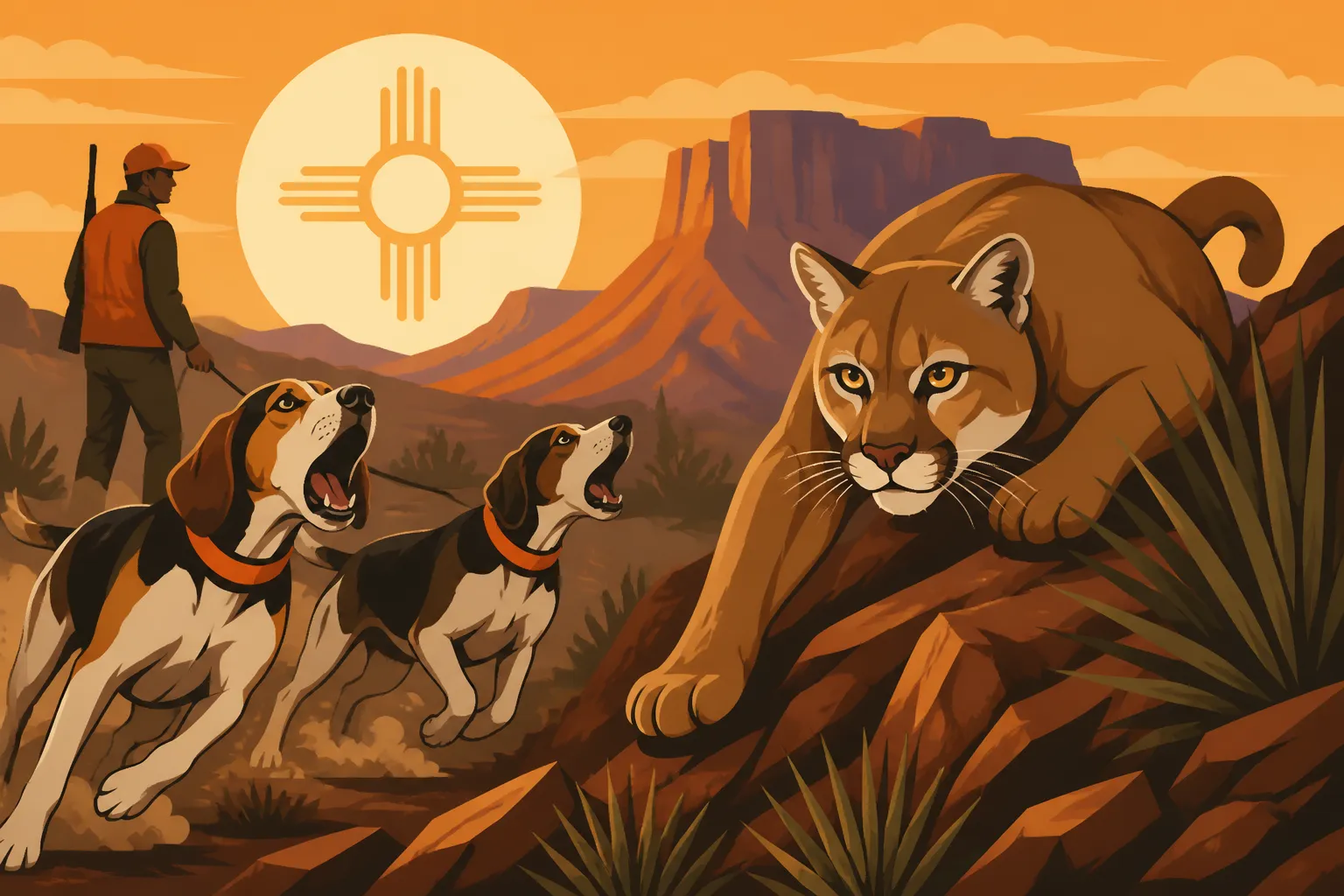
Hunting cougars behind hounds is a truly ancient practice, steeped in tradition and requiring a specialized skillset that blends dog training, tracking, and understanding feline behavior. It's less about spotting and stalking, and more about following a compelling story unfolding in front of you. This is where the hounds become the main characters, leading the narrative.
Cold Trailing and Hot Trailing
The hunt often begins with "cold trailing." This is when the hounds pick up an old scent – perhaps from a cougar that passed through hours earlier, even the night before. These dogs are incredibly sensitive, able to discern faint residual odors. The initial pace can be slow, with the dogs carefully working out the line, their noses to the ground, vocalizing softly or with a focused intensity. It's a patient game, often covering many miles as the dogs unravel the cougar's travel path. The transition from a cold trail to a "hot trail" is palpable. As the dogs get closer to a fresher scent, their demeanor changes, their barks become more urgent, and their pace quickens significantly. This is when the adrenaline starts to flow, and you know you're closing in. You might be scrambling over rocks, pushing through thick brush, or descending into deep canyons, trying to keep up with the excited pack. A good hound hunter knows how to interpret these subtle shifts in the dogs' behavior, reading their body language and barks like a detailed map. Reading Fresh Elk Sign in Ponderosa Timber offers a similar insight into interpreting animal behavior, though with a different species.
The Art of Treed and Bayed Cougars
The ultimate goal of a hound hunt is for the dogs to "tree" or "bay" the cougar. When a cougar is treed, it means the dogs have pushed it up a tree, where it feels safe from the ground-bound predators. The hounds will then "tree bark" – a distinct, continuous vocalization that signals to the hunters that the quarry has been cornered. This is the moment hunters have worked tirelessly for, often hiking miles through rugged terrain. Approaching a treed cougar requires caution and respect. The cat, while up a tree, is not truly "safe" and can still be dangerous. Your guide will ensure a safe approach for viewing and shot placement, if you choose to harvest. In some rare instances, a cougar might be "bayed" on the ground, meaning the dogs have cornered it against a rock face or in a thicket, preventing its escape. This is a much more dangerous situation, requiring even greater caution and quick decision-making from the hunting party. The guide's experience in managing the dogs and assessing the situation is paramount here.
Working with an Outfitter and Their Pack
For many, especially non-residents or those new to cougar hunting, hiring a reputable outfitter is the most practical and often the only way to experience this kind of hunt. Outfitters bring not just their knowledge of the land, but more importantly, their highly trained packs of hounds. These dogs represent years of breeding, training, and experience, capable of distinguishing a cougar track from other cat species or even a bobcat. When you consider the vastness of New Mexico's public lands – New Mexico Holds Over 30 Million Acres of Public Hunting Land – having an expert guide who knows specific cougar haunts and possesses a skilled pack is invaluable. Outfitters also handle the logistics of tracking collars, vehicles, and often the physically demanding pursuit itself, allowing the hunter to focus on the experience and, ultimately, the shot opportunity. The bond between an outfitter and their dogs is a sight to behold, a testament to teamwork and dedication.
Essential Gear and Preparation for a Hound Hunt
Hunting cougars with hounds is not a leisurely stroll; it's an athletic endeavor that will test your physical limits and demand specific equipment. Being unprepared can quickly turn an exciting adventure into a miserable ordeal.
Physical Conditioning and Stamina
Let's be blunt: if you're not in good shape, a cougar hunt with hounds will humble you. These hunts often involve covering many miles over incredibly steep, rocky, and brushy terrain. You'll be climbing in and out of canyons, traversing ridgelines, and pushing through thickets, all while trying to keep pace with an enthusiastic pack of dogs. Sometimes, it feels like you're running a marathon with short bursts of sprinting. Building up your cardiovascular endurance and leg strength long before the hunt is non-negotiable. Think about hiking with a weighted pack, running, or stair climbing as part of your routine. Altitude can also be a factor in some New Mexico units, so if you're coming from lower elevations, conditioning becomes even more crucial. Preparing physically for a high elevation hunt needs careful thought.
Clothing, Footwear, and Hydration
Your clothing needs to be durable, layered, and able to withstand thorns, sharp rocks, and frequent changes in temperature. Good quality hiking boots with excellent ankle support are paramount. Expect to encounter everything from hot, dry desert conditions in the lower elevations to cold, shaded canyons, especially in the winter months. Layering is key, allowing you to shed or add clothing as the intensity of the chase and the weather dictate. For water, carry more than you think you'll need. A good hydration pack is a wise investment, allowing you to drink on the move. Given the intense physical exertion, electrolytes are also a good idea. Consider durable hunting pants, a moisture-wicking base layer, and a tough outer shell. You'll likely be crawling through brush at some point, so thin, flimsy material won't cut it.
Navigation and Communication Tools
While your outfitter will lead the way, having your own navigation tools is always a good idea. A reliable GPS device or a mapping app like GoHunt on your phone with downloaded offline maps can be a lifesaver, especially if you get separated or just want to understand your location relative to terrain features. These tools are fantastic for E-Scouting a New Mexico Unit Before the Season, allowing you to familiarize yourself with the topography. Given that cell service is often non-existent in the remote areas where cougars roam, a satellite communication device (like an inReach or Spot device) is essential for emergencies. It provides a lifeline when you're miles from any road or human contact. A good headlamp with extra batteries is also a must, as you might find yourself hiking out in the dark after a long day's chase.
Ethical Considerations and Best Practices
Hunting cougars with hounds carries a unique set of ethical responsibilities. It's a method that sometimes draws criticism, making it even more important for hunters to uphold the highest standards of fair chase, animal welfare, and respect for the resource.
Respect for the Quarry and the Hounds
The cougar is a powerful, intelligent predator, and hunting it with hounds is a direct, intense confrontation. Your outfitter and their dogs have worked hard to bring you to that moment. It's crucial to treat the animal with respect, whether you intend to harvest it or simply observe. If you do harvest a cougar, make it a clean, ethical shot. The dogs themselves are working animals and deserve immense respect. They've poured their hearts into the chase, and their safety should always be a priority. Never interfere with the dogs' work unless directed by the outfitter, and ensure they are well cared for during and after the hunt. This partnership between human and dog is foundational to the hunt's success and ethics.
Responsible Harvest Decisions
Before the hunt, discuss your harvest goals with your outfitter. Are you looking for a trophy tom? Or are you simply interested in the experience and would be satisfied with any legal cougar? Cougar populations in New Mexico are generally healthy, but responsible harvest still means adhering strictly to regulations, including specific harvest limits and the rules regarding female cougars. For example, New Mexico Cougar Harvest Limits by Zone explains how specific zones might have different rules for female harvest. If a female cougar is treed, especially if she has kittens (which is rare to encounter during typical hunting seasons due to timing), a true ethical hunter will often choose to pass, prioritizing the future of the population. This isn't just about legality; it's about good stewardship.
Post-Harvest Requirements and Care
Once a cougar is harvested, the work isn't over. New Mexico has specific regulations regarding tagging, reporting, and carcass transport. The tag must be immediately affixed to the animal. There are often mandatory reporting requirements within a certain timeframe after harvest. For instance, you'll need to report your kill to the New Mexico Department of Game and Fish. If you plan to have the hide tanned or mounted, proper field care is essential. The hide needs to be cooled quickly, fleshed, and salted, especially if temperatures are warm. Your outfitter will be an invaluable resource in ensuring these steps are followed correctly, preserving your trophy and adhering to all legal requirements. Understanding these rules is just as important as the hunt itself.
| Aspect of Hunt | Typical Experience | Hunter's Preparation | Outfitter's Role |
|---|---|---|---|
| Physical Demands | Very strenuous, long hikes over steep, rugged terrain, sometimes at altitude. | Intensive cardio and strength training; practice hiking with a pack. | Provides vehicles for access, manages dog pace, ensures hunter safety and route planning. |
| Navigation | Often off-trail in remote areas with no cell service. | Carry reliable GPS/mapping app (like GoHunt), downloaded offline maps, satellite communicator. | Expert knowledge of the unit, tracks dog locations via GPS collars, leads the party. |
| Scent Trailing | Dogs meticulously follow faint or fresh cougar scent, vocalizing their progress. | Patience, ability to keep pace, understanding dog behavior. | Trains and manages the hound pack, interprets dog signals, reads tracks and sign. |
| Cougar Location | Cougar is typically treed by the hounds, occasionally bayed on the ground. | Prepared for quick, ethical shot; understanding of cougar behavior. | Assesses safety of approach, positions hunter for a shot, manages the dogs at the tree/bay. |
| Regulations | Dynamic season closures based on harvest limits, specific tagging and reporting rules. | Constant vigilance on NMDGF website, understanding current year's rules. | Stays up-to-date on all regulations, ensures legal compliance during the hunt. |
This article is for general informational purposes only and does not constitute professional advice. Laws, prices and regulations vary by location and change over time. Consult a qualified professional for guidance on your specific situation.