Evidence of Sex Requirements on a Carcass
You've just put in the hard work, made a clean shot, and now your prize is on the ground. The last thing you want is a run-in with a game warden over something as seemingly simple as how you've handled the carcass. Understanding New Mexico's "evidence of sex" requirements is absolutely critical, not just for staying legal, but for respecting the resource. This guide is here to unravel those often-confusing rules, helping you navigate field dressing, transport, and check-out with confidence, ensuring your hard-earned harvest is processed without a hitch.
Why Evidence of Sex Rules Are Even a Thing
It can feel like a nitpicky detail when you're exhausted and exhilarated after a successful hunt, but the requirement to keep evidence of sex naturally attached to your harvested animal isn't some arbitrary bureaucratic hurdle. It's a fundamental pillar of wildlife management and ethical hunting. Ignoring or misunderstanding these rules can turn a triumphant moment into a costly legal headache.
Conservation and Management Needs
At its core, the New Mexico Department of Game and Fish (NMDGF) implements these regulations for precise population management. Different hunt codes and seasons are designed to target specific segments of an animal population – often distinguishing between males and females to control herd growth, maintain healthy sex ratios, and promote trophy quality. For example, some hunts might be bull-only or buck-only, while others allow cow or doe harvest. Without clear evidence of sex, it's incredibly difficult for game wardens to verify that hunters are complying with the specific tag they hold. This helps prevent overharvest of females, which are vital for population growth, and ensures that male animals have a chance to reach maturity where desired. It’s all part of the bigger picture in ensuring sustainable hunting opportunities for future generations, a goal we all share.
Preventing Illegal Harvest
Let's be real, there are always a few bad apples who try to skirt the rules. Evidence of sex requirements serve as a crucial deterrent against illegal take. Imagine a scenario where a hunter illegally harvests a bull elk during a cow-only hunt. If they could simply remove all identifying features, it would be nearly impossible to prove wrongdoing. By mandating that specific anatomical parts remain attached, wardens have a tangible way to verify compliance. This protects the integrity of the draw system and ensures that those who draw legitimate tags are pursuing their game fairly. It's about accountability, and it ultimately safeguards the resources for everyone who plays by the rules. Many hunters use tools like GoHunt to stay on top of all regulations, ensuring they don't miss a beat when it comes to compliance, from understanding unit boundaries to specific hunt codes. Checking the current year’s regulations is paramount, and you can usually find this information by knowing Where the Current New Mexico Regulations Are Posted.
The Nitty-Gritty: What Exactly Does "Evidence of Sex" Mean in New Mexico?
This is where things get really specific, and honestly, it's where most hunters tend to get confused. The "evidence of sex" isn't a one-size-fits-all rule; it varies depending on the species you're hunting. Misinterpreting this can lead to serious consequences, so let's break it down by common big game animals in New Mexico. Remember, the key phrase is "naturally attached," meaning it needs to be part of the carcass, not just bagged up alongside it.
Deer and Elk Requirements
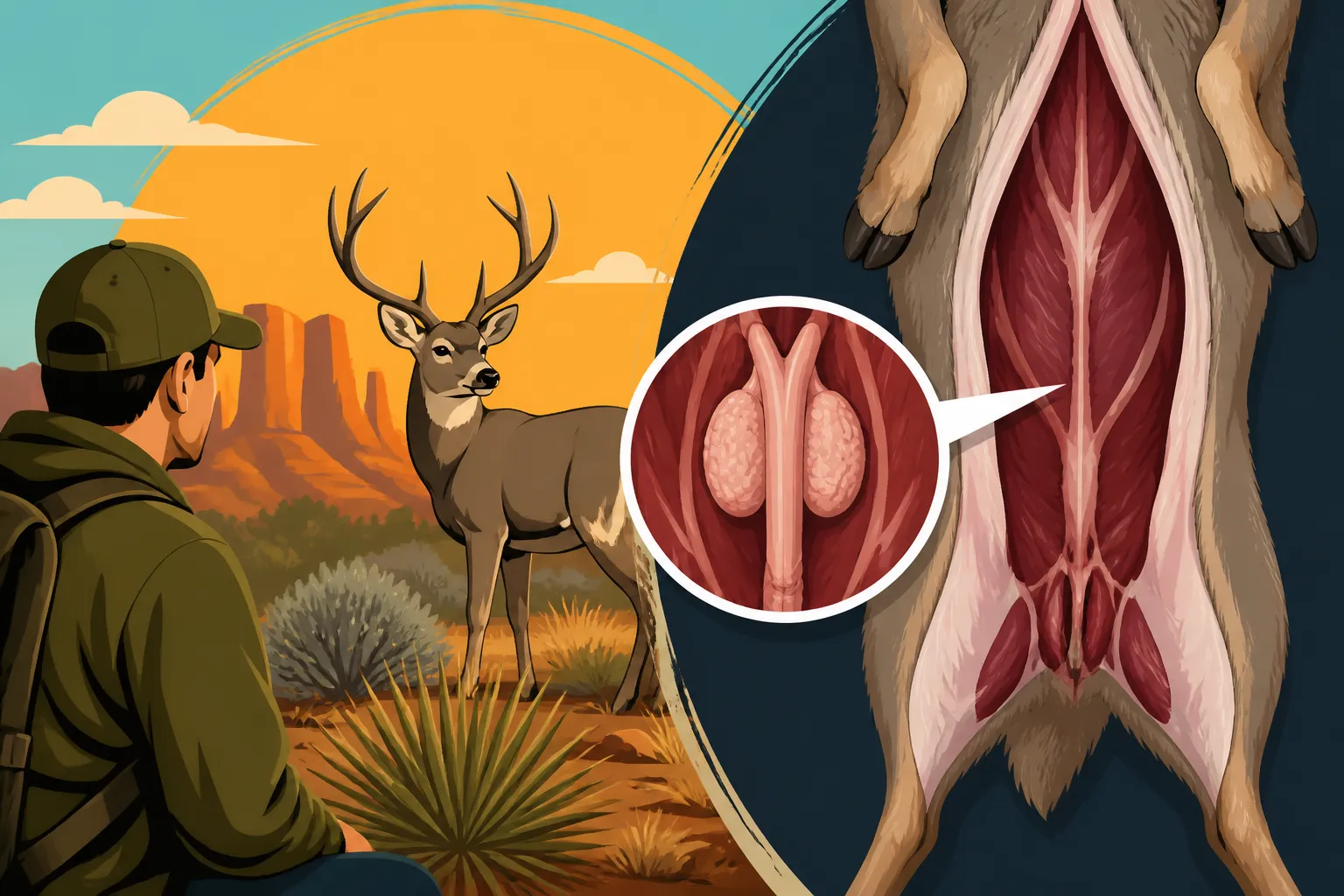
For most deer (mule deer and Coues deer) and elk hunts in New Mexico, the requirements are pretty straightforward, but crucial. If you harvest a buck or a bull, the antlers must remain naturally attached to the skull plate. You can remove the skull cap and antlers together, but they need to stay as one unit, attached to the head. If you harvest a doe or a cow, you need to ensure that either the udder or the external genitalia (vulva) remain naturally attached to the hindquarter until the animal has been transported from the field and reached a place of processing or permanent storage, like your home or a locker plant. You can break down the animal into quarters, but one hindquarter must have that evidence of sex still on it. This is particularly important when Field Dressing in Desert Heat or needing to quickly get meat cooled, as careful cuts are required. For many, reading a specific Reading a New Mexico Hunt Code Before You Apply can clarify these details long before the hunt.
Bear, Cougar, and Other Big Game
When you're dealing with predators like black bear and cougar, the rules shift a bit. For black bears, the head or hide with external genitalia naturally attached must accompany the carcass. If you field dress the bear, the head and hide should stay together as much as possible until you're out of the field. For cougars, the skull and hide with evidence of sex naturally attached are required. This allows game wardens to not only confirm the sex but also to verify the species and ensure all parts are accounted for legally. Similar rules apply to other species like javelina, where you typically need to retain the external genitalia. Always double-check the current regulations for these species, as they can sometimes have additional requirements like mandatory reporting or sealing of hides, as outlined in sections like Black Bear and Cougar Across New Mexico.
Special Cases: Antelope and Oryx
Antelope and oryx present their own unique situations due to their anatomy and specific hunt structures. For antelope, if you harvest a buck, the head with horns still naturally attached is your evidence of sex. For a doe, similar to deer and elk, the udder or external genitalia must remain naturally attached to one hindquarter.
Oryx, being an introduced species, have slightly different nuances. If you harvest a bull oryx, the head with horns naturally attached is the requirement. For a cow oryx, again, the udder or external genitalia must remain naturally attached to one hindquarter. This distinction is vital, especially on limited draw hunts like those for Oryx Is New Mexico's Strangest Big Game Animal, often on places like the White Sands Missile Range, where every detail of compliance is scrutinized. A quick reference table can really help clarify these differences:
| Species | Sex | Evidence Required | Attachment Method |
|---|---|---|---|
| Deer | Buck | Antlers naturally attached to skull plate | Skull plate and antlers as one unit |
| Doe | Udder or external genitalia (vulva) | Naturally attached to one hindquarter | |
| Elk | Bull | Antlers naturally attached to skull plate | Skull plate and antlers as one unit |
| Cow | Udder or external genitalia (vulva) | Naturally attached to one hindquarter | |
| Bear | Either | Head or hide with external genitalia | Naturally attached, accompanying hide |
| Cougar | Either | Skull and hide with external genitalia | Naturally attached, accompanying hide |
| Antelope | Buck | Head with horns naturally attached | Head and horns as one unit |
| Doe | Udder or external genitalia (vulva) | Naturally attached to one hindquarter | |
| Oryx | Bull | Head with horns naturally attached | Head and horns as one unit |
| Cow | Udder or external genitalia (vulva) | Naturally attached to one hindquarter |
Field Dressing Considerations and Common Mistakes
Successfully harvesting an animal is just the first step; properly field dressing and transporting it legally are equally important. This is where most hunters encounter issues with evidence of sex requirements, often inadvertently. The goal is to make sure that identifying parts remain intact and properly associated with the animal, especially until you've left the field and arrived at your final destination for processing.
Keeping the Evidence Attached
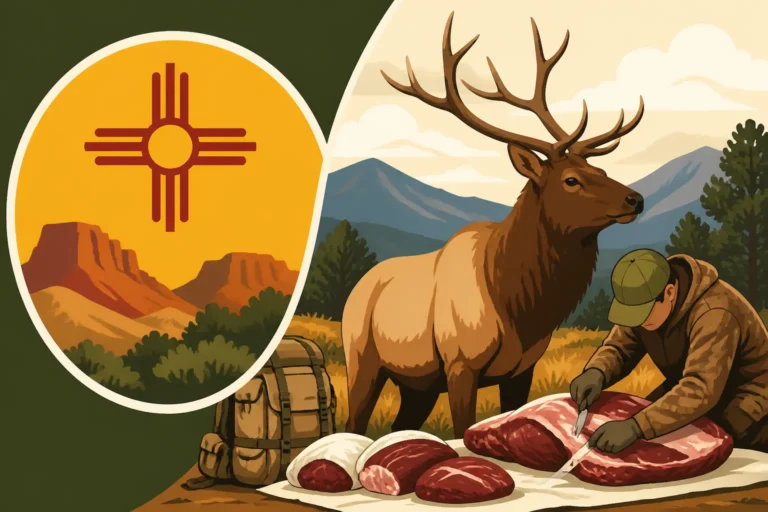
The biggest mistake hunters make is detaching the evidence of sex too early or improperly. For bucks and bulls, the skull plate with antlers needs to stay with the head. If you're quartering the animal, you can remove the head, but don't separate the antlers from the skull cap. For does and cows, if you’re quartering the animal, ensure that one hindquarter retains the udder or external genitalia. This means making your cut around that area, rather than through it. It sounds obvious, but when you're tired, it's dark, and you're racing against time to get the meat cooled, these details can easily be overlooked. Taking a few extra minutes to make clean, deliberate cuts will save you potential grief later. Many hunters rely on detailed e-scouting with apps like GoHunt to understand the terrain and plan their extraction routes, which can indirectly help ensure they have enough time and daylight for proper field dressing without rushing.
Transporting Your Harvest Legally
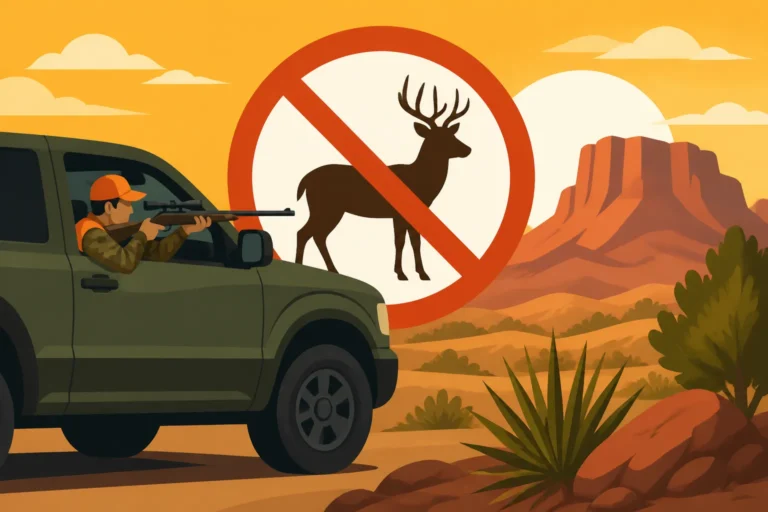
Once your animal is field dressed and cooled, how you transport it matters. The evidence of sex must remain naturally attached during transport from the field. This means you can’t just toss the hindquarter with the udder into a separate cooler from the rest of the meat. It needs to be clear which hindquarter belongs to which animal and that the identifying features are still connected.
If you're bringing an animal out whole, like a smaller deer, this is less of an issue. But for larger game like elk or oryx, which are often quartered or even deboned in the field, careful attention is paramount. Ensure all parts are tagged properly if you're hunting with a group and multiple animals are harvested. This is also where the requirements for Mandatory Reporting After a New Mexico Harvest come into play, as your compliance with evidence of sex rules will likely be verified during that process. Think about your cooling strategy too; knowing Getting Meat Cooled on an Early Season Hunt is just as important as knowing how to dress it correctly.
Common Pitfalls to Avoid
Beyond detaching too early, other common pitfalls include:
- Rushing: Trying to field dress an animal too quickly can lead to accidental removal of vital parts. Take your time, even if it's getting dark or the weather is turning.
- Lack of Knowledge: Not reviewing the specific regulations for your species and unit before you hunt is a recipe for disaster. The rules can change, so always check the most current NMDGF regulations booklet.
- Improper Storage: Once you're out of the field, and at home or a butcher, you can typically remove the evidence of sex. However, if you plan to transport the meat further, or have it processed commercially, some processors might ask you to keep it intact longer. Always communicate with your processor.
- Ignoring the "Naturally Attached" Clause: This isn't about having the part simply with the animal, but connected to it. A severed udder in a plastic bag next to a hindquarter is not compliant.
What Happens If You Mess Up?
Nobody wants to face a game warden with a violation. It’s an incredibly stressful situation that can lead to more than just a stern warning. Understanding the potential consequences of failing to meet the evidence of sex requirements underscores just how important these rules are.
Penalties for Non-Compliance
New Mexico takes its wildlife regulations seriously. Failing to have the required evidence of sex naturally attached to your harvested animal can lead to a range of penalties, from a hefty fine to the confiscation of your game and even your hunting equipment. In some cases, you could face misdemeanor charges, loss of hunting privileges, or even a ban from hunting for a certain period, not just in New Mexico but potentially across multiple states through the Wildlife Violator Compact.
A game warden might encounter you at a vehicle checkpoint on your way out of the Gila National Forest after a successful elk hunt, or during a routine stop on a forest road. They are trained to look for these specific details, and if the evidence is missing or improperly handled, they will address it. The NMDGF doesn't differentiate between an accidental mistake and deliberate poaching when it comes to compliance; the infraction is the infraction. This is why tools that provide accurate, up-to-date regulatory information, like what you can find through services like GoHunt, are so highly valued by responsible hunters. They help you cross-reference what you need to do to avoid these pitfalls, especially when dealing with complex rules or applying for various tags, considering What New Mexico Charges Per Species Application.
Ensuring a Smooth Check-Out
The best way to avoid issues is proactive compliance. Before you even head into the field, ensure you thoroughly understand the requirements for the specific species you're pursuing. When you harvest an animal, take the extra time to field dress it correctly, ensuring all necessary evidence of sex remains naturally attached.
Once you've quartered the animal and are ready for transport, keep the parts easily accessible for inspection if a game warden asks. Don't bury the key hindquarter under a pile of ice and gear in a cooler, making it difficult to verify. Transparency and cooperation go a long way in demonstrating your intent to comply. If you’ve followed all the rules, from understanding Hunting New Mexico From 4,000 Feet to 10,000 feet of varied terrain to practicing ethical shot placement, you’ll have nothing to hide. A smooth check-out means a worry-free ride home, culminating in the enjoyment of your hard-earned wild game. Don't forget that The Meat Salvage Requirements for Big Game are also important to keep in mind, ensuring no part of your animal goes to waste while adhering to all regulations.
Disclaimer
Please note: This article provides general information based on common New Mexico hunting regulations. Wildlife laws and regulations can change, and specific rules may vary by unit, species, or season. It is the hunter's sole responsibility to consult the most current New Mexico Department of Game and Fish (NMDGF) official regulations booklet and any emergency orders before hunting. Always verify information directly with the NMDGF or a certified game warden if you have any doubts.