Baiting and Trail Camera Rules in New Mexico
Navigating the myriad of hunting regulations in New Mexico can feel like trying to solve a complex puzzle, especially when it comes to methods like baiting and using trail cameras. Many hunters find themselves scratching their heads, wondering what's truly permissible and what could lead to serious legal trouble, potentially spoiling an otherwise exciting hunt. This comprehensive guide aims to demystify these rules, offering a clear, detailed breakdown of New Mexico's regulations regarding the use of bait and automated scouting devices, helping you hunt ethically and within the bounds of the law.
New Mexico's Stance on Baiting for Big Game
When you're out in the vast, wild landscapes of New Mexico, the idea of using something to attract game might cross your mind, especially when animals are scarce. However, the rules around baiting, particularly for big game, are quite clear, and often a point of confusion for both residents and non-residents alike. It's not just about what you put out, but also about the intent and the species you're pursuing.
Defining "Bait" in New Mexico Hunting Regulations
First off, let's get a handle on what "bait" actually means in the eyes of the New Mexico Department of Game and Fish (NMDGF). It's more than just a pile of corn. The regulations define bait as any substance, including food, salt, minerals, or any other attractant, that is used to lure, entice, or attract game animals. This definition is broad for a reason: to prevent any loopholes that might allow hunters to gain an unfair advantage. It's about preventing the conditioning of animals to specific feeding sites, which many argue undermines the principles of fair chase. So, whether it's an apple, a block of salt, or a bag of deer pellets, if you're putting it out there with the intention of bringing a big game animal closer for a shot, it's considered bait. This applies regardless of whether the bait is consumed or simply attracts the animal's presence.
Why Baiting is Prohibited for Big Game
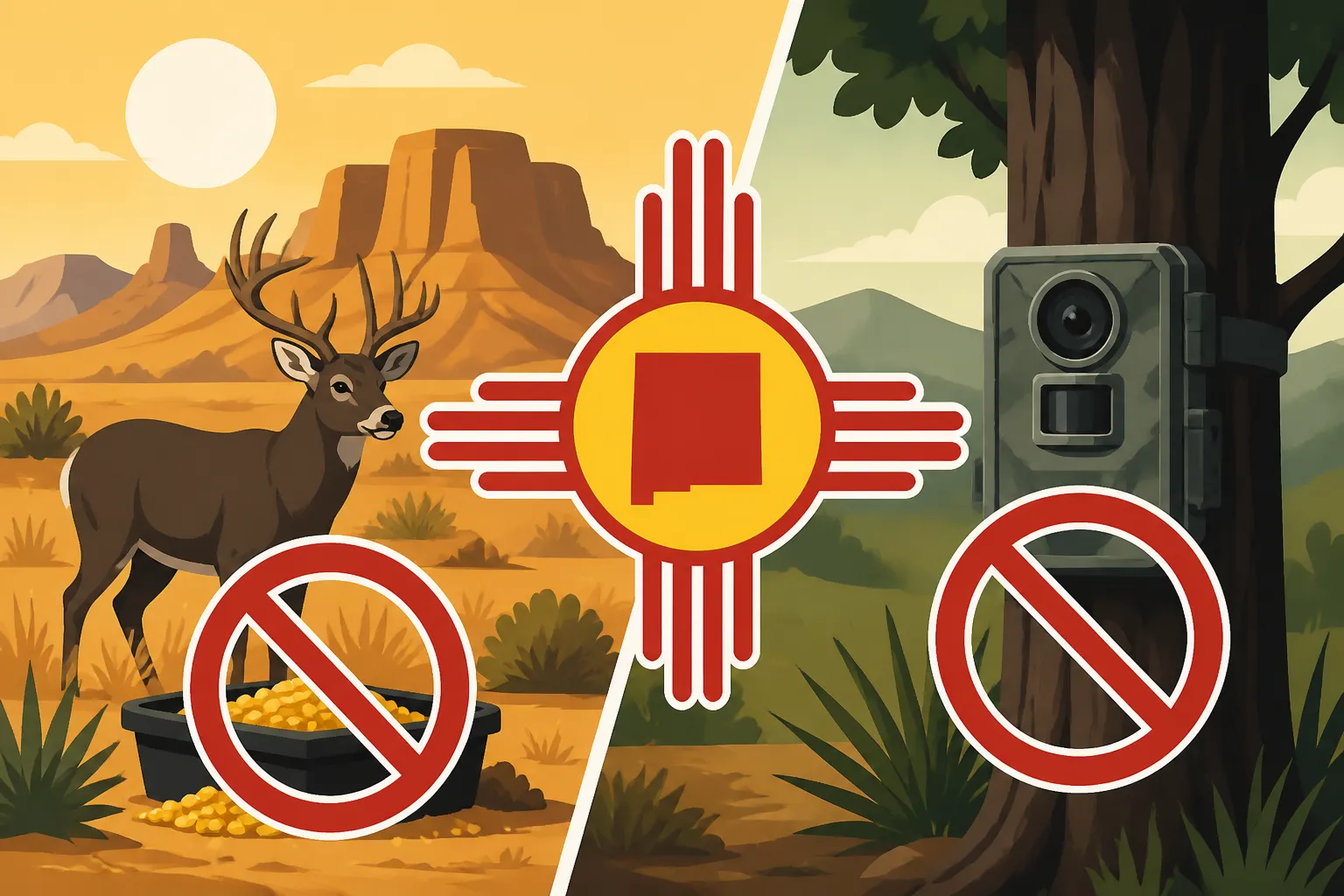
The prohibition on baiting for big game in New Mexico stems from several core principles that guide wildlife management and ethical hunting. At its heart, it's about maintaining fair chase. The philosophy of fair chase dictates that hunters should not have an improper advantage over the animals they pursue. Baiting, by artificially concentrating animals, is seen as tipping the scales too heavily in the hunter's favor, reducing the challenge and skill typically associated with hunting a wild animal in its natural habitat. It also raises concerns about disease transmission. When animals congregate frequently at a bait site, the risk of spreading diseases like Chronic Wasting Disease (CWD) or other pathogens increases significantly. The health of the herd is paramount, and baiting can compromise that. Furthermore, baiting can alter natural movement patterns, making animals more vulnerable and potentially leading to localized over-harvesting. For these reasons, New Mexico, like many other Western states, has a strict "no baiting" policy for species such as elk, deer, pronghorn, oryx, and bighorn sheep.
Exceptions and Misinterpretations of Baiting Rules
While the general rule is clear – no baiting for big game – there are nuances and specific exceptions that can sometimes lead to misunderstandings. For instance, the regulations around Baiting Rules That Apply to New Mexico Bears are different from those for deer or elk. Bear hunters, under specific conditions and zones, are permitted to use bait. However, these regulations are highly specific, often requiring special permits, strict monitoring, and adherence to specific baiting timelines and removal protocols. It's critical not to confuse these species-specific rules.
Another common area of confusion revolves around "attractants" that aren't strictly food, like scents or calls. Generally, using natural scents (like estrus urine or glandular scents) or calling devices (like bugles for elk or fawn bleats for deer) is completely legal and a standard part of hunting. The key distinction lies in whether you're providing a consumable substance that alters natural foraging behavior. You might find a natural salt lick or mineral deposit on public land; hunting near such a naturally occurring feature is generally fine, but creating one yourself with commercial products to attract big game is not. The rule is designed to prevent hunters from artificially creating an advantage, rather than from utilizing natural terrain features or animal behaviors. Always consult the official NMDGF regulations booklet or their website for the most current and specific information on these distinctions.
Understanding the Nuances of Trail Camera Use
Trail cameras have revolutionized scouting, offering hunters a "24/7 eye" in the woods. They provide invaluable data on animal presence, movement patterns, and antler growth, helping hunters make informed decisions about where and when to hunt. However, like baiting, their use is not without specific rules and ethical considerations in New Mexico, especially when it comes to public lands and automated scouting methods.
Legal Use of Trail Cameras on Public Land
For the most part, using trail cameras for scouting on public lands in New Mexico is perfectly legal and a widespread practice. Hunters utilize these devices to gather intelligence on game movements, identify potential target animals, and understand how different areas are being used throughout the season. These cameras are powerful tools for e-scouting, helping hunters to better understand a unit before even setting foot in it. Services like GoHunt, for example, leverage vast amounts of data, and combining that with your own trail camera intel can paint a very complete picture of a unit. You can deploy them weeks or even months before your hunt begins, giving you a comprehensive understanding of what’s happening in a particular area.
The general allowance for trail cameras stems from the understanding that they serve as a scouting tool, not typically as an active hunting aid during the hunt itself. They help you learn the landscape and the animals within it, which is a key part of ethical hunting preparation. Many hunters find that reviewing trail camera footage helps them pattern bucks in the weeks before opener or even gives insights into Reading Fresh Elk Sign in Ponderosa Timber that they might miss during a quick scout.
Prohibitions and Restrictions on Automated Devices
While trail cameras are largely permitted for scouting, New Mexico has specific prohibitions concerning their use for "real-time" or "automated" hunting purposes. The key distinction here is active participation in the hunt versus passive information gathering for future hunts. It is illegal to use any electronic device or automated system that transmits information or imagery of a live game animal for the purpose of locating or harvesting that animal during the hunt. This means no cellular-enabled trail cameras sending live pictures to your phone while you're actively hunting, effectively guiding you to a specific animal. The rule aims to prevent technology from directly replacing the hunter's skill, effort, and traditional scouting methods during the actual pursuit.
This prohibition also extends to other forms of automated scouting during the hunt, like the use of drones. For example, Are Drones Legal for Scouting in New Mexico? outlines that while drones can be used for pre-season scouting, they are generally prohibited for active hunting or locating game during the season. The NMDGF makes a clear distinction: scouting before the hunt to gather information is usually fine; using technology to aid in the actual act of hunting is generally not. It’s a fine line, but one that’s critical to understand to avoid serious penalties.
The Evolution of Trail Camera Technology and Rules
Trail camera technology has advanced at an incredible pace, and wildlife agencies, including the NMDGF, are constantly working to keep regulations relevant to these new capabilities. What started as simple film cameras, then moved to digital cameras with SD cards, has now evolved into sophisticated cellular-enabled devices that can send real-time alerts and images directly to your phone or computer. This rapid evolution is why the rules have become more specific.
Originally, rules might have just addressed "electronic devices," but as cameras became more integrated with wireless communication, the NMDGF had to adapt. The focus shifted from the mere presence of a camera to its functionality during a hunt. The intent is to prevent situations where a hunter could sit miles away, receive a notification that a trophy bull just walked in front of their camera, and then immediately move in for the kill, completely bypassing traditional tracking and stalking. Staying informed about these evolving regulations is crucial, which is where resources like the official NMDGF website and even platforms like GoHunt that often break down regulations can be incredibly helpful. It's a dynamic landscape, and what was legal last season might have subtle changes this season.
Specific Regulations for Different Species and Lands
It's not a one-size-fits-all rulebook. The regulations for baiting and trail camera use can vary significantly depending on the species you're hunting and the type of land you're on, whether it's public or private. Understanding these distinctions is paramount to avoiding unintentional violations.
Small Game and Predator Baiting Rules
While big game baiting is largely prohibited, the rules are different when it comes to small game and predators. For many small game species, like squirrel or rabbit, baiting is often permitted, as the fair chase principles are applied differently. This might involve using specific attractants or feeds to draw these smaller animals into a suitable range. Always double-check the current regulations for the specific small game species you intend to hunt, as rules can vary.
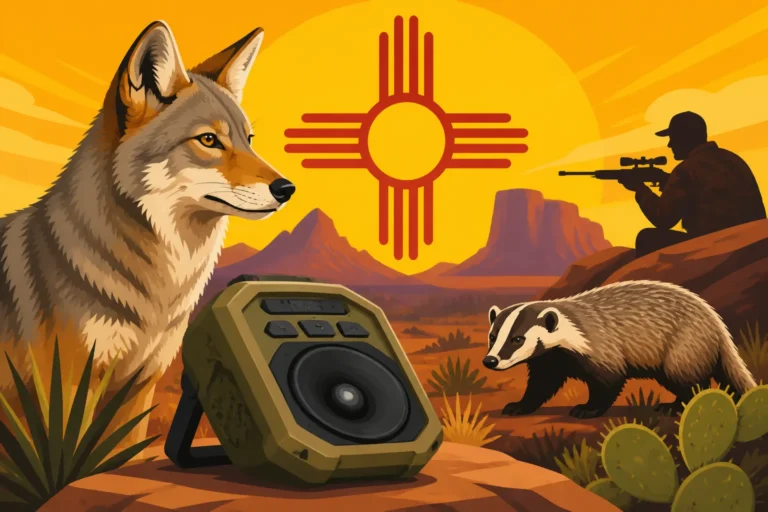
When it comes to predators like coyotes or bobcats, baiting is generally allowed. This often involves placing carrion or other attractants to draw them in for a shot or trapping. In some cases, electronic calls are also legal for predators and varmints, further differentiating them from big game. Electronic Calls for Predators and Varmint Hunting are explicitly permitted, whereas for big game, they are often restricted or prohibited depending on the specific species and method. This distinction is based on the different management objectives for predators versus big game species, often focusing on population control for predators while maintaining fair chase for big game.
Trail Camera Rules on Private vs. Public Land
The ownership of the land where you deploy your trail camera can also influence the rules. On private land, the landowner generally has more discretion. If you have permission from the landowner, you can typically use trail cameras, including cellular models, without the same restrictions that might apply to public land during an active hunt. The core principle is that the landowner sets the rules for their property, as long as it doesn't violate statewide hunting regulations. However, even on private land, you still cannot use a cellular camera to actively direct a hunter to a specific animal during the act of the hunt if that specific action is prohibited by state law.
On public lands – national forests, BLM ground, or state trust lands – you are subject to the NMDGF regulations, as discussed previously, concerning the use of real-time transmission devices during a hunt. When scouting, it's also crucial to remember that your cameras should not interfere with other users of public land. This means being mindful of placement, avoiding areas of high foot traffic, and ensuring your cameras are not intrusive. You must also adhere to any specific rules for things like Camping Limits on State Wildlife Areas or specific unit regulations. Some federal lands might also have their own additional rules regarding equipment placement, so always verify with the managing agency (e.g., Forest Service or BLM) if you plan to leave equipment out for extended periods.
Specific Rules for Water Sources and Ethics in Desert Hunting
New Mexico is an arid state, and water sources are often critical hubs of wildlife activity, especially in desert hunting scenarios. This makes them incredibly attractive spots for game, and consequently, for hunters using scouting methods. The rules around hunting near water sources are particularly sensitive, blending regulation with ethical considerations. While you might be tempted to place a trail camera directly on a stock tank, it's important to understand the broader context.
Firstly, you are generally allowed to Hunting Over a Stock Tank Legally if it's naturally occurring or a legal water source, and you are not creating it yourself or augmenting it to specifically draw big game. The distinction between a natural or established water source and baiting is key. Placing a trail camera near a water source to observe activity is usually permissible as a scouting technique. However, the ethical implications here are significant. Many hunters advocate for giving animals space at critical water points, especially in drought years.
The NMDGF regulations focus on the ethical treatment of game and preventing unfair advantage. While passively observing a natural water source with a camera is typically fine, any attempt to artificially enhance or create a water source to attract big game falls under baiting and is therefore prohibited. It's also important to consider the impact of your presence. Regularly checking a camera at a vital water source can put undue pressure on animals, potentially driving them away from a life-sustaining resource. Being discreet and minimizing your disturbance is always the best practice.
Ethical Considerations Beyond the Letter of the Law
Beyond the black-and-white rules written in the regulation booklet, there's an entire realm of ethical considerations that every responsible hunter should ponder. The spirit of fair chase, respect for the animal, and courtesy towards fellow hunters are cornerstones of the hunting tradition, and technology often brings these discussions to the forefront.
The Fair Chase Debate and Automated Technology
The concept of fair chase is deeply ingrained in hunting ethics. It's not just about what's legal, but what's honorable and respectful to the game. Automated technologies, particularly cellular trail cameras that transmit real-time data, often spark intense debates within the hunting community about whether they compromise fair chase. Critics argue that instant alerts and remote monitoring take away from the fundamental challenge of hunting: pitting your woodsmanship, tracking skills, and patience against the animal's natural instincts. If a device tells you exactly when and where an animal is, some argue, it diminishes the hunt to little more than target practice.
Proponents, however, contend that these tools are merely advanced scouting aids, no different in principle than binoculars, GPS devices, or topographic maps. They argue that the technology helps hunters become more efficient, especially those with limited time for scouting, and still requires the hunter to make a good shot, stalk effectively, and endure the elements. New Mexico's regulations aim to strike a balance, allowing scouting technology but prohibiting its use as a real-time hunting aid. This approach tries to preserve the essence of fair chase during the actual pursuit while acknowledging the utility of modern scouting tools.
Minimizing Impact and Respecting Other Hunters
When using trail cameras or even visiting bait sites (for legal species), minimizing your impact on the environment and showing respect for other hunters is paramount. This means more than just not littering. It means being thoughtful about camera placement – ensuring they are discreet and not easily visible to other hunters or hikers, and certainly not pointing at a road or trail where they might capture unintended images of people.
Leaving cameras in high-traffic areas, or setting up a bait station (if legal for your species) in a spot that clearly infringes on another hunter's space, creates conflict and diminishes the quality of the outdoor experience for everyone. The backcountry is a shared resource, and consideration for others who are also seeking solitude and a challenging hunt is vital. This also extends to the physical disturbance you create. Every time you check a camera or replenish a legal bait site, you're leaving scent and potentially spooking game. Strategic planning for camera checks and bait maintenance, making as little impact as possible, is a sign of a truly ethical hunter.
Making Informed Decisions About Your Hunting Practices
Ultimately, the responsibility rests on each hunter to make informed and ethical decisions about their practices. This involves staying rigorously up-to-date with current New Mexico Game and Fish regulations. Don't rely on word-of-mouth or assumptions from past seasons. Rules can change, and what's legal in one state might be prohibited in New Mexico.
Beyond legality, consider the ethical implications for yourself. What kind of hunt do you want to have? What level of challenge do you seek? Does a particular technology enhance or detract from your personal hunting experience? These are subjective questions, but asking them helps define your personal hunting ethos. Taking the time to understand things like E-Scouting a New Mexico Unit Before the Season and integrating it with traditional methods helps you become a more well-rounded and ethical hunter. Remember, the goal is not just to harvest an animal, but to do so in a way that respects the wildlife, the land, and the hunting tradition.
Common Misconceptions and How to Stay Compliant
The complexity of hunting regulations, combined with evolving technology and diverse opinions, often leads to misconceptions. Clearing these up is essential for staying on the right side of the law and ensuring a smooth, enjoyable hunt.
Differentiating Scouting from Active Hunting Methods
One of the biggest areas of confusion lies in distinguishing "scouting" from "active hunting." Many hunters mistakenly believe that as long as they aren't physically holding a weapon when they check a trail camera, they are merely scouting. However, New Mexico's regulations, particularly concerning real-time data transmission, draw a line specifically at using automated devices to locate or harvest an animal during the hunt. This means if you are actively hunting for an animal, and a cellular trail camera sends you a picture of that animal in real-time, and you then use that information to pursue or harvest it, you could be in violation.
The intent of the law is to keep the hunt dynamic, requiring hunters to actively track, observe, and engage with the environment, rather than being guided remotely by technology. Scouting involves gathering information before or between hunting sessions to inform future strategy. Active hunting involves the actual pursuit and attempt to harvest an animal. If your trail camera is simply recording activity that you'll review later to plan your next hunt, that's generally scouting. If it's acting as a live scout, sending you immediate alerts that directly influence your current hunting actions, that's where you cross into prohibited active hunting methods.
Staying Up-to-Date with Regulations
The single most important step any hunter can take to avoid violations is to stay relentlessly informed about the current regulations. This is not a one-time task; regulations can change annually. The NMDGF publishes a new "Rules and Information Booklet" every year, typically available in print at license vendors and online well before application deadlines. This booklet is your ultimate authority.
Don't just skim it; read the sections pertaining to your chosen species and hunting methods thoroughly. Pay special attention to the definitions, as subtle wording can have significant implications. Beyond the official NMDGF resources, reputable hunting platforms like GoHunt often provide breakdowns of state regulations, which can be helpful for understanding the general landscape, but should always be cross-referenced with the official NMDGF publications. Understanding Where the Current New Mexico Regulations Are Posted is crucial for every hunter, ensuring you always have access to the latest information.
| Feature / Regulation | Big Game (Deer, Elk, Oryx, etc.) | Small Game (Rabbit, Squirrel, etc.) | Predators (Coyote, Bobcat, etc.) | Trail Camera Use (Passive Scouting) | Cellular Trail Camera Use (Real-time) |
|---|---|---|---|---|---|
| Baiting | Generally Prohibited | Generally Permitted | Generally Permitted | N/A | N/A |
| Electronic Calls | Restricted/Prohibited | Permitted (Check Species) | Permitted | N/A | N/A |
| Public Land | N/A | N/A | N/A | Permitted (Scouting Only) | Prohibited (During Hunt) |
| Private Land | N/A | N/A | N/A | Permitted (Landowner Permission) | Restricted (Avoid Active Guiding) |
| Disease Concerns | High (Baiting) | Low | Low | Low | Low |
| Fair Chase Impact | High (Baiting) | Low | Low | Low (Passive) | High (Active) |
Consequences of Non-Compliance
Violating hunting regulations in New Mexico, whether concerning baiting or trail camera use, can lead to serious consequences that can severely impact your hunting future. Penalties can range from significant fines to the forfeiture of your hunting equipment (including expensive cameras), loss of your hunting license, and even imprisonment in more severe cases. A conviction can also result in the loss of hunting privileges in New Mexico for an extended period, and through the Interstate Wildlife Violator Compact, this suspension could extend to many other states as well.
It's not just about the legal repercussions; there's also the damage to your reputation as a responsible hunter and the broader perception of the hunting community. Unethical or illegal practices cast a shadow on all hunters, making it harder to maintain public support for hunting and conservation. The NMDGF takes these violations seriously because they undermine conservation efforts, fair chase principles, and the overall integrity of hunting in the state. Always err on the side of caution, and when in doubt, contact the NMDGF directly for clarification rather than making assumptions.
Disclaimer
Please note that hunting regulations are subject to change. While every effort has been made to provide accurate and up-to-date information, this guide is for informational purposes only and should not be considered legal advice. Always consult the most current New Mexico Department of Game and Fish (NMDGF) Rules and Information Booklet and official NMDGF resources before participating in any hunting activity. It is the hunter's responsibility to know and obey all applicable laws and regulations.