How New Mexico Bear Harvest Limits Close a Zone
It’s a truly unique frustration to prepare for a hunt, spend countless hours scouting, only to have the season you planned around suddenly, unexpectedly, come to a close. For bear hunters in New Mexico, this isn't just a possibility; it's a very real part of the game. Understanding how New Mexico's bear harvest limits work, and more importantly, how they can abruptly shut down a hunting zone, is absolutely crucial for anyone heading into the field. This guide will walk you through the ins and outs of these dynamic closures, helping you navigate the complexities and avoid a heartbreaking — and potentially illegal — mistake.
Understanding New Mexico's Bear Management Philosophy
Hunting bears in New Mexico isn’t like some other big game species where the season dates are set in stone and you just hunt until the calendar says stop. With bears, the state takes a much more dynamic approach, constantly monitoring populations and adjusting seasons on the fly. This can feel frustrating for hunters who just want clear-cut dates, but there’s a solid rationale behind it.
The Importance of Population Management
At the heart of New Mexico's bear hunting regulations is a deep commitment to maintaining healthy, sustainable bear populations across the state. Black bears, while generally robust, can be sensitive to overharvest, especially when it comes to reproductive females. The New Mexico Department of Game and Fish (NMDGF) isn't just guessing; they employ biologists who conduct extensive research, from collecting teeth to estimate age structures, to using GPS collars to understand movement patterns and cub survival rates. All this data feeds into sophisticated models that help determine how many bears a specific area can sustainably yield without jeopardizing the long-term health of the population. They aim for a balance, allowing hunters to pursue bears while ensuring future generations have robust populations to enjoy. You can often find details on the NMDGF website regarding their latest studies and population estimates, which paint a clearer picture of their management efforts.
How Bear Zones Are Established
New Mexico is a big state, and bear populations aren't evenly distributed. What works for a bear management strategy in the high, forested mountains near Taos might not be appropriate for the more arid, lower-elevation areas of the Gila or the Sacramentos. To address this, the NMDGF divides the state into distinct Bear Management Zones. These aren't just arbitrary lines on a map; they're carefully drawn boundaries based on factors like habitat type, bear density, known population movements, and even human-bear conflict history. Each zone has its own unique set of harvest objectives and limits, reflecting the specific conditions and population dynamics within that region. This granular approach allows for more precise management, ensuring that hunting pressure is distributed appropriately and that local populations aren't unduly impacted. Knowing which zone you're hunting in is step one to understanding the rules.
The Mechanics of Bear Harvest Limits
This is where things get really interesting and, frankly, a bit stressful for hunters. New Mexico doesn't just open a season and let it run; they implement a two-tiered quota system that can bring a hunt to an abrupt halt.
Overall Zone Quotas and Female Bear Sub-quotas
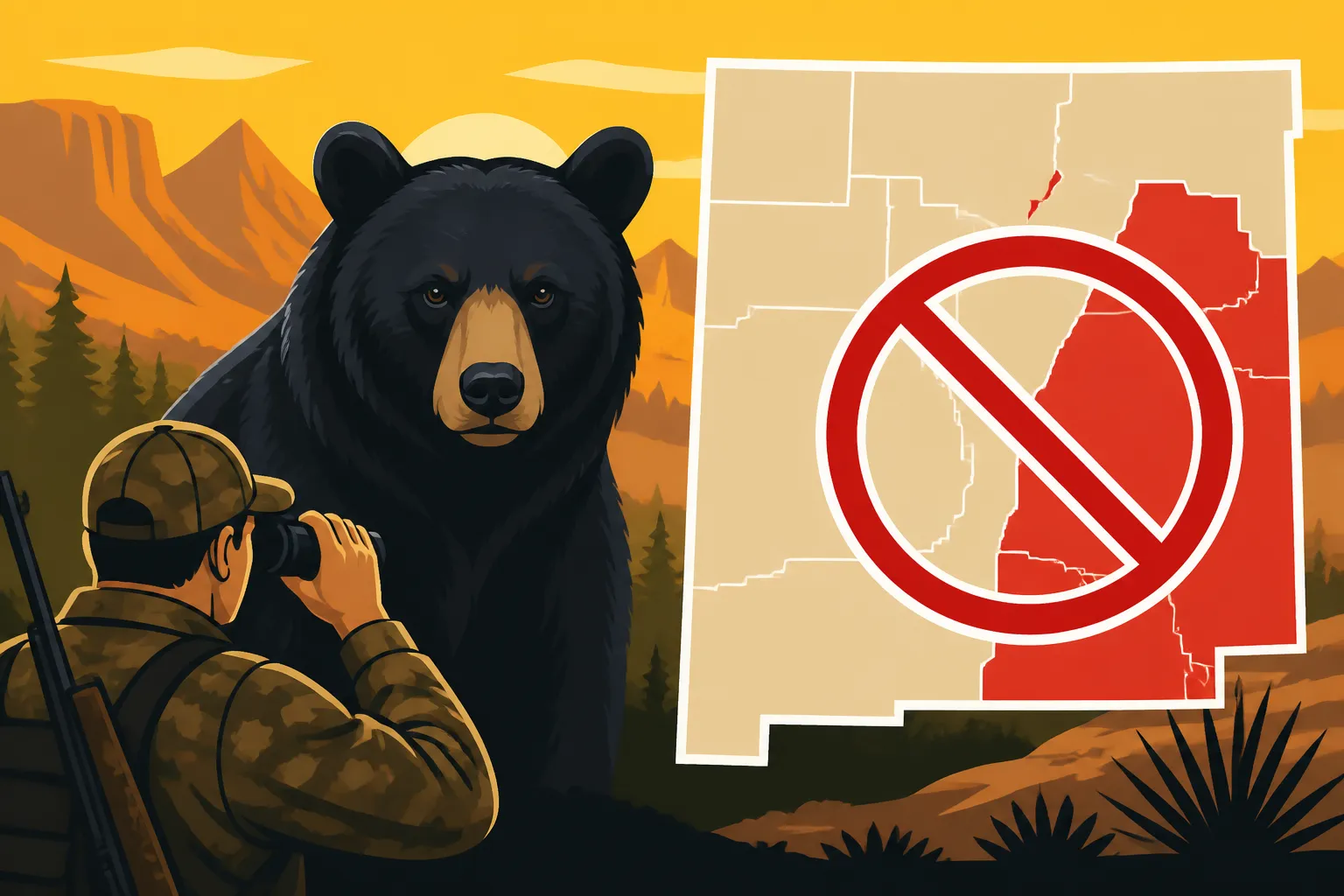
Every single Bear Management Zone in New Mexico is assigned two critical numbers before the season even begins: an overall harvest limit for all bears, and a sub-quota specifically for female bears, or sows. Let's say, hypothetically, Zone X has an overall limit of 30 bears for the year. Within that, it might also have a sub-quota of 12 female bears. Both of these numbers are hard limits. If either the overall quota for the zone or the female bear sub-quota is met, the season for that zone closes immediately.
This distinction is absolutely crucial. You could be halfway through a hunt in a zone where only 15 total bears have been harvested, seemingly well below the overall limit of 30. But if, say, 12 of those 15 bears were sows, then the female sub-quota of 12 has been hit, and the season will close. This emphasis on female bear harvest is because sows are the reproductive engines of the population. Losing too many females too quickly can have a much more significant and detrimental impact on future bear numbers than losing a similar number of males. This is why paying attention to both numbers is vital for any bear hunter.
Tracking the Harvest
So, how does the NMDGF keep tabs on these numbers? It’s a real-time, mandatory reporting system. When a hunter successfully harvests a bear, they are legally required to report that kill to the NMDGF within 48 hours. This isn't just a suggestion; it's a critical part of the management framework. Hunters can usually do this by calling a dedicated NMDGF phone number or by reporting it online through their licensing portal.
Upon reporting, details like the bear's sex, location of harvest, and the date are recorded. This data is then immediately entered into a tracking system. The NMDGF maintains a publicly accessible webpage, often updated daily (or even more frequently during active hunting periods), showing the current harvest numbers for each zone against their respective overall and female sub-quotas. This transparency is invaluable for hunters, though it also means you need to be constantly checking. It’s not enough to check it once before you leave for your trip; you need to check it during your trip, sometimes multiple times a day, especially if you know the numbers are getting close to the limit.
When and How a Zone Can Close
This is the part that causes the most anxiety and frustration for bear hunters. The unpredictability of a season closure can ruin well-laid plans, but understanding why and how it happens can help you be better prepared.
The Critical Role of Sow Harvest
As we touched on earlier, the harvest of female bears, or sows, is often the primary trigger for a season closure. While the overall quota is important, the NMDGF is particularly sensitive to the female sub-quota. Why? Because the long-term health and growth of a bear population depend heavily on the number of breeding females. If too many sows are removed from a population in a short period, it can take years for that population segment to recover, impacting cub production and overall numbers for seasons to come.
Imagine you're deep in the Gila, hunting a prime area, and you've seen the overall quota for your zone is still quite a bit away from being met. You feel good, confident you have time. But unbeknownst to you, several other hunters in different parts of that same zone have harvested sows in the last 24 hours. Even if the total bear count is low, if that sow sub-quota hits, the season is over. This dynamic makes bear hunting in New Mexico a unique challenge, demanding vigilance that other big game hunts often don't. It's a testament to the department's conservative management approach, aiming to prevent long-term damage to the resource.
Notification and Hunter Responsibility
Once either the overall quota or the female sub-quota for a specific zone is met, the NMDGF will issue an official closure notification. This is usually done immediately through their website, sometimes with a public announcement or an alert system. The moment that notification is issued, that bear management zone is closed to hunting, regardless of whether you personally received a direct alert.
This places a significant responsibility squarely on the shoulders of the hunter. It is your duty to know if the zone you are hunting in is open or closed. You cannot rely on a game warden to find you and tell you, nor can you claim ignorance if you harvest a bear after the closure. This is where modern technology comes in handy. Many hunters use services like GoHunt or actively monitor the NMDGF website on their smartphones (where service allows) or through satellite communicators that can pull web data. Before you head out each day, and certainly before you pull the trigger on a bear, you absolutely must check the current harvest totals and status of your zone. Checking the "New Mexico Bear Season Dates" is a good start, but remember those dates are flexible based on quotas.
What Happens if You Harvest After a Closure
Let's be blunt: harvesting a bear after the season for that zone has officially closed is a serious violation. It's not just a slap on the wrist; it can lead to significant penalties, including hefty fines, loss of your hunting license, confiscation of your harvested animal, and potentially even jail time. The NMDGF takes these quota closures very seriously because they are fundamental to their conservation strategy.
Even if you genuinely didn't know the season had closed, the law typically doesn't make exceptions for ignorance. The expectation is that hunters are responsible for staying informed. This is why many experienced New Mexico bear hunters will tell you that if the harvest numbers are getting close to a quota, especially the female sub-quota, you might consider shifting your focus or even calling it a season early to avoid any risk. It’s a tough pill to swallow, especially when you’ve put in the effort, but the consequences of making a mistake are too high to ignore.
Practical Strategies for Hunters
Navigating New Mexico's dynamic bear seasons requires more than just good hunting skills; it demands a proactive approach to information gathering and season management.
Staying Informed During Bear Season
The single most important thing you can do as a New Mexico bear hunter is stay constantly informed. This means making the NMDGF website your best friend during bear season. Bookmark the specific page that tracks bear harvest numbers by zone. Check it daily, even hourly if you're actively hunting and the numbers are creeping up.
Some areas of New Mexico are notoriously spotty for cell service, especially in wilderness units like those often discussed for "New Mexico Elk Are Why the Gila Draws Everyone." So, don't rely solely on your phone. Consider investing in a satellite messenger or device that can pull web data or receive text updates if the NMDGF offers such a service. Before you leave home, plan how you will get information. Will you drive into town each evening to check? Will a friend or family member at home be monitoring for you and sending updates via text or satellite communication? Having a solid communication plan is just as important as having a solid hunting plan. Remember, every time you hear about "New Mexico Bear Harvest Limits by Zone," you're hearing about the numbers that can shut your hunt down.
Having a Backup Plan
Given the unpredictable nature of these quota-driven closures, having a backup plan isn't just smart; it's essential. What if your chosen bear zone closes on day two of your seven-day hunt? Will you simply pack up and go home? Or do you have another strategy?
One approach is to scout multiple bear management zones that might offer hunting opportunities. If Zone A closes, is there a Zone B that's still open and within a reasonable driving distance? Keep an eye on the harvest numbers for these backup zones too. Another option, especially if you're a multi-species hunter, is to hold a tag for another species that has fixed season dates. For instance, you might consider pursuing deer if a bear season ends prematurely. "Reading a New Mexico Hunt Code Before You Apply" can help you understand the full range of possibilities. Always have a contingency in place, whether it's another hunting opportunity or simply a plan for how you'll make the most of an unexpectedly early end to your bear hunt.
Ethical Considerations
Beyond the legal requirements, there are ethical considerations that come into play with New Mexico's bear management. Knowing that sow harvest is so critical to population health, many hunters make a conscious decision to be extra selective, often choosing to pass on sows, especially those with cubs, even if the season is technically still open. This isn't a legal requirement, but it reflects a deep respect for the animal and a commitment to conservative hunting practices that go beyond mere compliance.
Additionally, with the season potentially closing at any moment, ensuring a clean, quick kill is paramount. A wounded bear that runs off, only to be recovered after the zone has closed, puts a hunter in a terrible ethical and legal bind. Taking the time to properly field dress and care for your game, as discussed in articles like "Field Dressing in Desert Heat," also remains crucial. Respecting the land, other hunters, and the wildlife itself are cornerstones of responsible hunting, and these dynamic bear seasons simply underscore that importance.
New Mexico Bear Quota Tracker Example
To illustrate how these quotas work in practice, here's a hypothetical table showing how a zone might progress towards closure. This is the kind of data you'd be monitoring closely during the season.
| Bear Management Zone | Overall Quota | Female Sub-quota | Current Overall Harvest | Current Female Harvest | Status (as of 10/26) |
|---|---|---|---|---|---|
| Zone 10 (Gila North) | 30 | 12 | 22 | 11 | Open – Critical |
| Zone 14 (Sacramento) | 25 | 10 | 18 | 6 | Open |
| Zone 17 (Jemez) | 20 | 8 | 8 | 7 | Open – Critical |
| Zone 20 (San Mateo) | 15 | 6 | 6 | 6 | CLOSED |
As you can see in this example, Zone 20 has reached its female sub-quota of 6, leading to an immediate closure, even though the overall quota of 15 bears wasn't met. Zones 10 and 17 are in "Critical" status because their female harvest is very close to the limit, meaning they could close at any moment. This is why constant vigilance is key!
Disclaimer
Please be aware that hunting regulations, season dates, and harvest limits in New Mexico are subject to change. This guide provides general information based on current practices. Always consult the official New Mexico Department of Game and Fish (NMDGF) website and the current year's hunting proclamation for the most accurate and up-to-date regulations before planning or undertaking any hunting activity. It is the hunter's responsibility to know and comply with all applicable laws and regulations.