New Mexico Cougar Season and Zone Limits
Trying to understand all the nuances of New Mexico's cougar hunting regulations can feel like navigating a maze, especially with ever-changing season dates and dynamic zone limits. It’s not just about knowing when the season starts, but constantly monitoring when it might end for specific areas. This guide aims to demystify New Mexico's cougar season and zone limits, breaking down the complex rules so you can plan your hunt effectively and ethically.
Understanding New Mexico's Cougar Management Approach
New Mexico's cougar management is all about balancing the health of the cougar population with the health of their prey species, like deer and elk. Unlike some other big game animals with fixed season dates, cougar hunting often operates on a quota system. This means that once a certain number of cougars are harvested in a specific area, that area closes to hunting for the remainder of the season, regardless of the calendar date. This dynamic approach can be a real headache for hunters, but it’s crucial for maintaining ecological balance.
The Zone System Explained
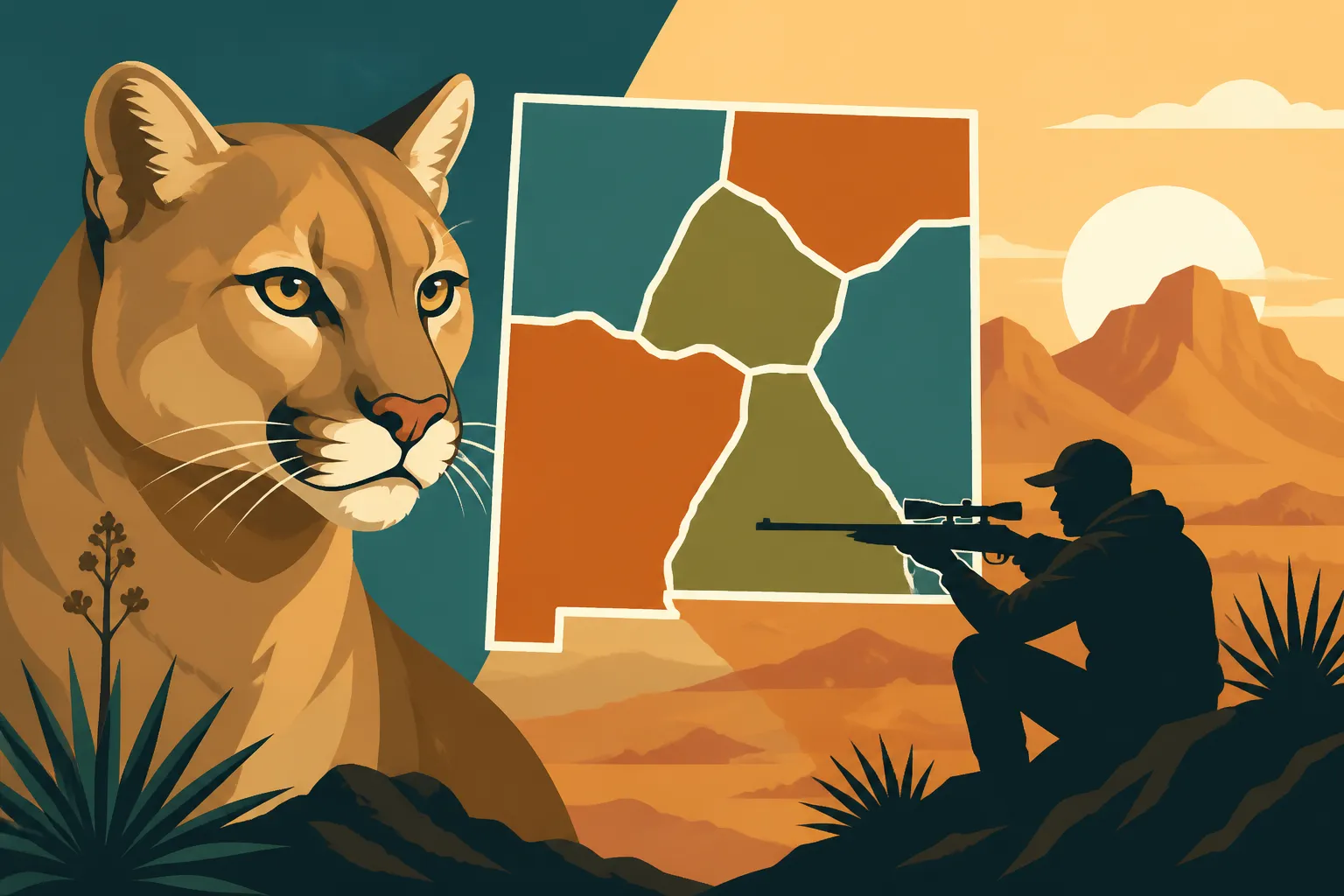
The New Mexico Department of Game and Fish (NMDGF) divides the state into various cougar management zones. These aren't always the same as the larger game management units (GMUs) you might be familiar with for elk or deer. Instead, several GMUs are often grouped together to form a larger cougar zone. This helps biologists manage cougar populations across broader landscapes, recognizing that these animals have huge home ranges. For example, some cougar zones might encompass vast areas like the Gila National Forest, while others cover distinct mountain ranges in the north or desert regions in the south. Each zone has its own specific harvest quota, designed to keep the population within healthy limits. Knowing How New Mexico Numbers Its Hunt Units is a good starting point, but remember cougar zones overlay these in a unique way.
Why Harvest Limits Exist for Cougars
The harvest limits for cougars are not arbitrary. They are carefully determined by NMDGF biologists based on population surveys, historical harvest data, prey availability, and even public input. The primary goals are to:
- Prevent overharvesting: Ensuring cougar numbers remain robust and healthy across the state.
- Mitigate conflicts: In areas where cougars might be impacting livestock or human safety, higher quotas might be considered.
- Support prey populations: By managing cougar numbers, the department aims to ensure that deer, elk, and other prey species have a better chance to thrive, which in turn supports future hunting opportunities for those species.
- Maintain ecological balance: Cougars are apex predators, and their presence helps keep ecosystems healthy. The limits are about ensuring this balance isn't tipped too far in either direction.
Navigating Cougar Season Dates and Quotas
This is where the rubber meets the road for cougar hunters. The general season dates for cougars are usually quite long, often spanning several months. However, simply knowing the start and end dates isn't enough; you must also be aware of the specific harvest quota for your chosen zone and how quickly it might be met.
General Season Dates for Cougar
Typically, New Mexico cougar seasons often begin in April and can extend all the way into March of the following year, providing a very long window of opportunity. However, this extended season is entirely contingent on the harvest limits for each zone. Early spring and late fall/winter are popular times to hunt, with varying conditions depending on whether you're hunting high-elevation timber or lower desert country. For instance, hunting the high country in winter might mean tracking in snow, while a spring hunt in the desert requires careful consideration of Snake Awareness on a September Archery Hunt, even if you're not specifically hunting then. Always consult the current New Mexico Hunting Rules & Information Booklet for the most up-to-date statewide season dates.
Individual Zone Quotas and How They Close
This is the most critical aspect of cougar hunting in New Mexico. Each cougar management zone has an established harvest limit. Once that limit is reached, the zone immediately closes to cougar hunting. This can happen at any time during the open season. The NMDGF makes a concerted effort to keep hunters informed, typically updating closure information on their website and through automated phone lines. Tools like the GoHunt app often integrate this real-time closure data, which can be incredibly useful when you're out in the field or planning a trip.
Let's look at a hypothetical example of how these quotas might function:
| Cougar Management Zone | General Season Dates | Total Harvest Limit | Female Harvest Limit |
|---|---|---|---|
| Northern Mountains | April 1 – March 31 (next year) | 20 | 10 |
| Central Foothills | April 1 – March 31 (next year) | 15 | 8 |
| Southern Deserts | April 1 – March 31 (next year) | 12 | 6 |
As hunters harvest cougars, the NMDGF keeps a running tally. When the total harvest limit or the female harvest limit (which is often a sub-quota within the total limit to protect breeding females) for a zone is met, that zone closes. Imagine you're hunting in the Northern Mountains zone in January, thinking you have two more months. If 20 cougars have already been harvested, or 10 females, the zone will close immediately. This means checking the NMDGF website or your GoHunt app regularly is paramount. This real-time management is a key differentiator from species with simpler, fixed season structures like New Mexico's First and Second Archery Deer Seasons.
Rules and Regulations Beyond the Season Dates
Beyond the season and zone limits, there are several other critical rules and regulations that cougar hunters in New Mexico must adhere to. Ignoring these can lead to serious legal trouble and impact wildlife conservation efforts.
Reporting Your Cougar Harvest
This is non-negotiable. If you harvest a cougar, you are legally required to report it to the NMDGF within a very specific timeframe – often within 24 hours. This reporting is vital for the NMDGF to track the harvest against the quotas and to close zones promptly when limits are met. Typically, you'll need to contact a NMDGF conservation officer or a designated check station. During the report, they will often require you to present the carcass for biological data collection and to have the pelt tagged. This mandatory tagging ensures the legality of your harvest and helps the department manage the population. Make sure you understand How Soon You Must Tag a Downed Animal and what other requirements might exist.
Legal Hunting Methods and Restrictions
New Mexico allows several methods for hunting cougars, but there are important restrictions:
- Hounds: Using trained hounds is a popular and effective method for cougar hunting in New Mexico. Hunters often use dogs to track and tree cougars, allowing for a more controlled harvest. Familiarize yourself with all Hound Rules for Mountain Lion Hunting before heading out.
- Spot and Stalk: This method involves locating cougar sign, such as tracks, scat, or kill sites, and then attempting to stalk the animal. This is a challenging but rewarding method.
- Calling: Predator calls, both electronic and mouth-blown, can be used to attract cougars. However, always double-check the current regulations regarding Where Electronic Calls Are Legal for Big Game to ensure compliance.
- Weapon Types: While not exclusive to cougars, hunters must adhere to minimum caliber and weapon requirements for big game. Standard rifles, bows, and muzzleloaders are generally permitted, provided they meet the legal specifications.
- Baiting: The use of bait to attract cougars is generally prohibited in New Mexico. This is a common rule for many big game species and extends to predators like cougars to ensure fair chase principles. Always review the detailed Baiting and Trail Camera Rules in New Mexico before your hunt.
- Spotlighting: Using artificial light to locate or hunt cougars at night is illegal. Hunting must occur during legal shooting hours, which typically range from one-half hour before sunrise to one-half hour after sunset.
Planning Your Cougar Hunt in New Mexico
Successfully hunting cougars in New Mexico requires thorough planning, adaptability, and a deep understanding of their habitat and behavior. It’s not a hunt to be taken lightly, and preparation can make all the difference.
Scouting for Cougar Sign
Cougars are elusive creatures, and finding them often comes down to finding their sign. When you're E-Scouting a New Mexico Unit Before the Season, look for areas with dense cover, broken terrain, and strong prey populations. Water sources are also critical, especially in the dryer parts of the state. Once on the ground, focus on:
- Tracks: Look for large, round paw prints without claw marks (claws are usually retracted). Check sandy washes, game trails, and around water holes.
- Scat: Cougar scat is typically rope-like and often contains hair and bone fragments from their prey.
- Kills: Fresh kill sites, often partially covered or cached, are a strong indicator of cougar presence. Look for deer or elk carcasses that have been dragged or covered with debris.
- Rub Marks: Cougars, particularly males, will sometimes rub trees or posts to mark their territory, similar to how other big game animals might.
Prime areas for scouting often align with good deer and elk habitat. Think of the rugged canyons and dense timber in the Gila National Forest or the broken rimrock country elsewhere in the state. Hunting New Mexico From 4,000 Feet to 10,000 will put you in a wide variety of terrain that cougars call home.
Staying Informed About Zone Closures
This cannot be stressed enough: you must stay current on cougar zone closures. The NMDGF publishes real-time harvest information and closure notifications on their website. It’s a good habit to check this resource daily, or even multiple times a day, when you are actively hunting. Many hunters also rely on third-party apps and platforms like GoHunt, which often pull directly from NMDGF data and can send push notifications when zones close. This kind of immediate information is invaluable, especially if you're deep in the backcountry without cell service and then come across a signal. Imagine the frustration of harvesting an animal only to find out the zone closed hours earlier!
Additionally, consider linking up with local NMDGF offices or conservation officers for updates. They are the frontline for this information and can provide invaluable insights into current conditions and cougar activity in specific regions. Always remember that ultimately, it's your responsibility as a hunter to know if the area you are hunting is open.
Reading a New Mexico Hunt Code for Cougar
Just like other species, cougar hunts are designated by specific hunt codes in the New Mexico rules booklet. These codes contain important information about the hunt type, weapon restrictions, and open dates. For example, a hunt code might specify a "Cougar Annual Season" or a "Cougar Zone-Specific Hunt." It’s essential to know Reading a New Mexico Hunt Code Before You Apply for any species, and cougar is no exception. While cougars are typically hunted with an over-the-counter license rather than a draw tag, understanding the codes helps ensure you're compliant with any specific local regulations.
Disclaimer
Always consult the official New Mexico Department of Game and Fish (NMDGF) hunting regulations booklet for the most current and accurate information before planning any hunt. Regulations can change annually, and it is the hunter's responsibility to be aware of and comply with all applicable laws and rules.