Why New Mexico Bear Applications Close in February
Applying for bear tags in New Mexico can feel like a race against an invisible clock, especially when you realize the deadline for these applications sneaks up much earlier than all the other big game species. It's frustrating to be meticulously planning your elk or deer hunt only to discover you've completely missed the window for a bear tag. This guide is here to unravel that mystery, explaining precisely why New Mexico bear applications close in February and what that means for your hunting plans and overall success in the field.
The Unique Timing of New Mexico Bear Applications
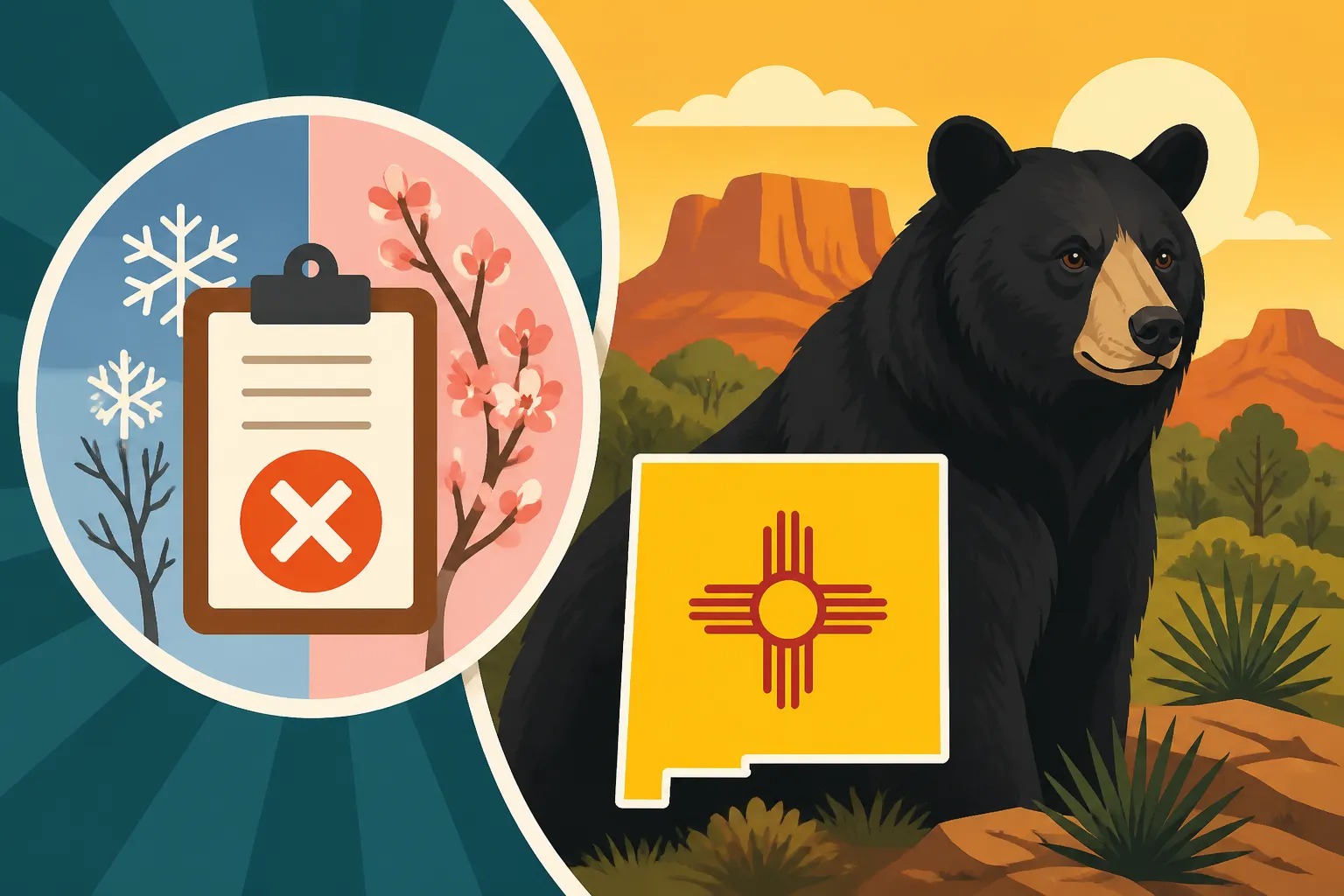
Many seasoned hunters, and especially newcomers to the Land of Enchantment, have experienced that moment of panic. You’re pouring over the New Mexico Game and Fish regulations, mapping out your strategy for a coveted elk or mule deer tag, and then you stumble upon the bear application deadline. It’s February. Not March 18th, like almost everything else. This early closure isn't an oversight or an administrative quirk; it's a deliberate, biologically driven decision designed to protect the state's black bear population and ensure healthy, sustainable hunting opportunities for years to come.
Imagine you're deep into planning a fall hunt, thinking you have all the time in the world until mid-March. Then, suddenly, February rolls around, and you realize you've missed your chance at a bear tag. It's a common frustration, and one that the New Mexico Department of Game and Fish (NMDGF) has set up for specific reasons related to the species' life cycle. The timing is paramount for proper management, emphasizing a proactive approach rather than a reactive one that would risk overharvesting. This early window allows the NMDGF to make critical management decisions well in advance of the hunting season itself.
Why February for Bear, But March for Everything Else?
The core reason for the February bear application deadline, rather than the more universal March 18th deadline for most other big game, lies in the black bear’s unique biology and the NMDGF’s commitment to sustainable population management. Unlike deer or elk, where the harvest generally occurs in the fall, bear management requires a much longer lead time. This early application window allows the department to assess potential harvest pressure and set precise quotas based on the most up-to-date biological data available. They need to ensure that enough sows (female bears) survive to perpetuate the species, making the timing of the draw a critical component of their conservation strategy.
Think about it this way: New Mexico has distinct bear zones, each with its own quota for male and female bears. If they waited until March to collect applications, the NMDGF would have less time to process applications, run the draw, and then monitor harvest numbers as the early seasons potentially open. By moving the deadline up, they create a buffer. This buffer is crucial for several reasons, including the need to incorporate the latest information on bear population health, recent cub production, and even the impacts of previous harvest seasons or environmental factors like drought. It's all about proactive conservation, making sure that when the seasons do open, they're not inadvertently putting the population at risk.
Understanding the Biological Imperative
The biological imperative driving this early deadline is directly tied to the black bear's reproductive cycle and its vulnerability. Black bears typically mate in late spring to early summer, but they experience a fascinating process called "delayed implantation." This means the fertilized egg doesn't implant in the uterus and begin developing until late fall, usually around November or December. Cubs are then born in the den in January or February. This makes the late winter/early spring period particularly sensitive for sows and their new litters.
The NMDGF prioritizes the protection of breeding-age females to maintain a healthy bear population. An early application deadline allows them to establish harvest quotas for each zone that account for the number of available adult bears, with a particular focus on minimizing impacts on females of reproductive age. The goal is to ensure that hunters are targeting males or younger bears, leaving the breeding stock intact. This strategy helps prevent a scenario where too many females are harvested, which could have long-term detrimental effects on the overall population size and stability. By closing applications early, the NMDGF signals to hunters the critical importance of these animals and the department's commitment to their long-term viability.
The Science Behind Bear Management Seasons
New Mexico's black bear population is a significant conservation success story, and the meticulous management of hunting seasons plays a huge part in that. The early application deadline is just one piece of a much larger scientific puzzle designed to keep bear numbers healthy and thriving across the state's diverse habitats, from the high mountain forests to the rugged desert canyons. It's not just about setting dates; it's about understanding the complex life cycles of these incredible animals and adapting regulations to ensure their future.
The NMDGF uses a variety of scientific data to inform its decisions, including population estimates, harvest data from previous years, and reproductive rates. They carefully monitor trends, looking for any signs of decline or overpopulation in specific zones. This robust scientific framework underpins every decision, from setting application deadlines to determining specific unit quotas, and it's why successful bear management is such a dynamic process. It's a continuous cycle of observation, analysis, and adjustment, all aimed at finding that perfect balance between opportunity and conservation.
Black Bear Breeding Cycles and Cub Rearing
As mentioned, black bears in New Mexico have a breeding cycle that makes them particularly sensitive to human impact at certain times of the year. Mating generally occurs between May and July. However, the unique biological twist of delayed implantation means the embryonic development doesn't really kick into gear until several months later. This allows the female's body condition from the summer and fall to dictate whether the pregnancy will proceed successfully. If food resources are scarce, a sow might reabsorb the embryo, ensuring she doesn't try to raise cubs she can't support.
Cubs are typically born in the den in January or February, weighing only a few ounces. They remain with their mother for a year and a half, denning with her for a second winter. This means a sow is reproductively tied up for a considerable period, making her, and by extension, her future offspring, especially vulnerable. The early bear application deadline helps the NMDGF manage the harvest of adult bears before cubs are even out of the den, or before their survival can be accurately assessed, thus protecting the long-term reproductive potential of the population. This foresight is critical for ensuring a stable and healthy bear population year after year.
Managing Harvest Quotas and Population Health
The heart of New Mexico's bear management strategy lies in its system of harvest quotas. Each Game Management Unit (GMU) or a combination of units, referred to as a "bear zone," has a specific annual quota. These quotas are further broken down into "female quotas," which are the absolute critical component for population health. The NMDGF sets these quotas based on population estimates, habitat conditions, and historical harvest data. When the female quota for a particular zone is met, that bear season for that zone closes, regardless of whether the overall male/female quota has been reached. This is a very important distinction for hunters to understand, and it's detailed in articles like "How New Mexico Bear Harvest Limits Close a Zone."
This early closure mechanism is designed to prevent overharvesting of females, which are the reproductive engine of the population. By having applications in early, the NMDGF has a clearer picture of potential hunting pressure. They can then adjust management actions, if necessary, well before the hunting season opens. This includes real-time monitoring of harvest during the season, with closures announced rapidly once quotas are met. This proactive and reactive management ensures that the "New Mexico Black Bear Population Estimate" remains healthy and sustainable, preventing any long-term declines that could occur from an uncontrolled harvest.
Historical Context of Bear Hunting Regulations
Understanding the historical evolution of bear hunting regulations in New Mexico sheds light on why the current system is so carefully structured. Decades ago, wildlife management was often less scientifically refined, and bear populations, like many other large predators, faced different pressures. Over time, as biological understanding grew and conservation ethics evolved, states like New Mexico began implementing more sophisticated management plans. Early regulations might have been simpler, perhaps with longer, less restricted seasons, but experience taught wildlife managers the importance of precision.
The current framework, with its early application deadlines, specific unit quotas, and sex-specific harvest limits, is the result of years of data collection, research, and adaptive management. It reflects a shift from a generalized approach to a highly targeted one, designed to sustain healthy bear populations while still providing hunting opportunities. This historical context underscores the value of the current system, highlighting how NMDGF has refined its strategies to ensure the long-term health of one of New Mexico’s most iconic big game species. It's a testament to ongoing conservation efforts and the willingness to learn and adapt for the benefit of wildlife.
How the Early Deadline Impacts Hunters
For hunters, an early application deadline can feel like an extra hurdle, an unexpected curveball in an already complex planning process. However, understanding why it exists and proactively adapting your planning strategy can turn this challenge into an advantage. It forces a certain discipline and foresight that can actually improve your chances of success, not just for bear, but for your entire hunting season.
The frustration often stems from the mental calendar most hunters keep: "March 18th is the big day." When one species deviates, it's easy to overlook. But once you integrate the February bear deadline into your annual routine, it becomes second nature. It essentially front-loads a portion of your hunting season planning, which can be a good thing, allowing you to finalize certain decisions earlier and reduce stress closer to the general application period.
Planning Your Application Strategy
The early February deadline for bear applications means your hunting application strategy for the year needs to begin sooner than you might initially think. You can't just throw together a bear application a few days before the general March 18th deadline. This requires you to prioritize your bear hunting goals, research potential units, and finalize your application choices much earlier. This advanced planning can actually be beneficial, as it forces you to dig into the regulations and unit data while other hunters might still be casually thinking about the upcoming season.
Consider which units you’re interested in. Are you looking for a unit known for its high bear density or one that offers a better chance at a mature animal? Tools like GoHunt can be invaluable here, providing unit statistics, drawing odds, and harvest data that can help you make informed decisions. Since you're dealing with an earlier deadline, having these resources at your fingertips in January and early February is crucial. You'll want to have your unit choices locked in and your application submitted well before February ends, minimizing the risk of a last-minute scramble or, worse, a missed opportunity. This early decision-making can free up mental bandwidth for your other applications in March.
The Importance of Early Research and Preparation
Given the early application cutoff, thorough and early research becomes non-negotiable for bear hunters in New Mexico. You need to be familiar with the "New Mexico Bear Season Dates" for different zones, understanding that some units might have very short windows or specific opening and closing criteria. It's not just about applying; it's about applying for a hunt that aligns with your capabilities and expectations. Do you prefer an archery bear hunt in the spring or a rifle hunt in the fall? Each option has different dates and unique challenges.
This early preparation should also extend to understanding specific unit regulations and access. Have you looked at maps to see public land access points? Are there any private land considerations? Knowing these details before you apply can prevent future headaches. Using mapping tools like onX Hunt or researching potential access points is part of this crucial early phase. Getting your "Setting Up a New Mexico Online Account" in order well in advance and verifying all your information can save valuable time and prevent application errors when the clock is ticking. Remember, the goal is to make informed choices, not rushed ones.
Avoiding the "Missed Deadline" Frustration
The absolute worst feeling is realizing you've missed a deadline you didn't even know existed. For bear applications, this frustration is particularly acute because it's so far removed from the more commonly known March 18th date. The key to avoiding this is to treat the bear application as its own distinct event on your hunting calendar, separate from the general draw. Mark it prominently, set reminders, and make a conscious effort to complete it weeks, not days, before the actual February closing.
A simple table can help visualize this difference:
| Big Game Species | Application Deadline | Primary Management Goal |
|---|---|---|
| Bear | Late February | Protect breeding sows, manage cub production |
| Elk | March 18th | Population control, trophy quality |
| Mule Deer | March 18th | Population control, habitat balance |
| Pronghorn | March 18th | Herd health, trophy opportunity |
| Oryx | March 18th | Control introduced species, unique opportunity |
By acknowledging this deviation, you can integrate it into your annual planning. Many hunters find it helpful to focus exclusively on their bear application in January, giving it the attention it deserves before shifting focus to the broader "The March Deadline for New Mexico Applications" for other species. This ensures that a unique biological imperative doesn't become a source of avoidable regret.
What Happens After the February Bear Application Deadline
Once you've submitted your bear application by the February deadline, it might feel like a long wait until you hear anything back. However, behind the scenes, the New Mexico Department of Game and Fish is actively working through a sophisticated process to manage the draw and prepare for the upcoming seasons. Understanding this timeline can help manage your expectations and allow you to plan your next steps effectively, whether you drew a tag or not.
This post-deadline period is a critical phase for the NMDGF, as they consolidate all applications, ensure eligibility, and then run the complex algorithms that determine who receives a tag. It's a system designed for fairness and efficiency, ensuring that the process aligns with their management goals for the bear population.
The Draw Process for Bear Tags
After the February deadline, all bear applications are compiled and reviewed by the NMDGF. Just like with other big game species, New Mexico does not use a preference point system, meaning every applicant, whether it's their first time or their tenth, has an equal chance in the random draw for each hunt choice. This system is designed to give everyone a fair shot, regardless of how many years they've applied.
The actual draw for bear tags usually occurs sometime in March or early April, typically around the same time as other species, even though the application deadline was earlier. The NMDGF uses a weighted lottery system that allocates tags based on the different pools (resident, nonresident, outfitter). This means that even if you apply with an outfitter, your application will still go into a draw, albeit a different pool, as discussed in "The New Mexico Outfitter Draw and Its Two-Day Rule." It's a rigorous process to ensure transparency and equitable distribution of tags within the set quotas for each bear zone.
Notification Timelines for Successful Applicants
Once the draw is complete, the NMDGF begins the process of notifying applicants. For bear tags, this notification generally happens around mid-April, in line with the draw results for other species. You won't get a personal phone call, but your online account with the NMDGF will be updated, and successful applicants will often receive an email notification. It's important to make sure your contact information is current in your "Setting Up a New Mexico Online Account" to receive these updates promptly.
Many hunters anxiously check their accounts daily once April rolls around. Websites like GoHunt also often track draw result release dates, which can be a helpful tool for keeping tabs on when to expect news. While the wait can be agonizing, it’s a good time to double-check your gear, refine your physical conditioning, and start digging deeper into the specifics of your unit if you’re fortunate enough to draw. Knowing "Where New Mexico Posts Draw Results" is key to staying informed.
Adjusting Hunt Plans Based on Draw Results
Drawing a bear tag in New Mexico is exciting, but it's just the beginning of your planning. If you are successful, your next steps will involve diving deeper into your specific hunt code, understanding the exact dates, and scouting your chosen unit. If you applied for a spring archery bear hunt, for instance, you'll need to prepare quickly as those seasons can open relatively early. For those who didn't draw, it’s a chance to reassess. There are sometimes leftover tags available for undersubscribed hunts, though bear tags are generally popular and rarely have many leftovers.
If you didn't draw a bear tag, it's not the end of the world. You still have other big game applications in the works, and you can shift your focus to those. Use the experience to refine your strategy for next year’s bear draw, perhaps by researching different units or hunt types. This continuous learning and adaptation are fundamental to successful hunting in a draw-based state like New Mexico. Every application, successful or not, provides valuable insight for future seasons.
New Mexico's Bear Season Structure and Zone Management
New Mexico's approach to bear hunting is sophisticated, utilizing a detailed system of zones and quotas to manage the population effectively. This system ensures that hunting opportunities are sustainable and that the black bear population remains healthy across various habitats. It's far more nuanced than a single statewide season, reflecting the diverse ecology of the state.
Understanding this structure is paramount for any aspiring bear hunter. It's not just about drawing a tag; it's about understanding the specific conditions and limitations that apply to your particular hunt, as these can vary significantly from one corner of the state to another.
Understanding Bear Hunt Zones and Quotas
New Mexico is divided into numerous bear management zones, often encompassing several Game Management Units. Each of these zones has a distinct overall harvest quota, which is then further broken down into a specific female harvest quota. This layered approach allows the NMDGF to manage bear populations at a localized level, accounting for variations in bear density, habitat quality, and cub production across the state. This system is crucial because a healthy bear population in the Gila National Forest might be managed differently from a population in the Sacramento Mountains.
These quotas are not static; they are reviewed annually and can be adjusted based on the latest biological data. This dynamic management helps prevent localized overharvesting and ensures that hunting pressure is distributed appropriately. When applying, it's vital to research not just the unit, but the specific bear zone it falls into and its historical harvest trends. This information is usually available through the NMDGF website and can also be found on platforms like GoHunt, which aggregates this data for easier consumption.
When Bear Seasons Typically Open and Close
New Mexico bear seasons generally encompass several different periods, offering a variety of opportunities from spring archery hunts to fall rifle seasons. The specific "New Mexico Bear Season Dates" will vary by zone and hunt type. Typically, some zones open for archery bear hunting in the spring, often concurrent with turkey season, providing a unique opportunity. Other seasons might open in the late summer or early fall, overlapping with deer or elk hunts, and some extend into late fall.
It's important to recognize that these seasons have flexible closing dates. While a season might be "scheduled" to run until a certain date, it can and often does close earlier if the harvest quota for that zone, particularly the female quota, is met. This makes it imperative for hunters to stay vigilant and monitor the NMDGF website for real-time quota updates once their season begins. This flexibility in closing dates is a key mechanism for population management and a crucial piece of information for all bear hunters.
How Harvest Limits Can Close a Zone Early
This is perhaps the most critical aspect of New Mexico's bear management for active hunters: the harvest limits. As detailed in "How New Mexico Bear Harvest Limits Close a Zone," each bear zone has a hard female quota. Once that specific number of female bears has been reported as harvested within a given zone, the bear hunting season for that entire zone immediately closes for all hunters, regardless of the scheduled end date or whether the overall male/female quota has been met.
This rapid closure mechanism means hunters must be prepared to check the NMDGF website or call the department's bear hotline frequently during their hunt. Ignoring this can lead to an illegal harvest. This system underscores the NMDGF's commitment to protecting the reproductive capability of the bear population. It also highlights why mandatory harvest reporting is so vital—it's not just a formality; it directly impacts the continuation of hunting opportunities for others in that zone. Being ready for an early closure is just as important as being ready for the shot itself.
Beyond the Application: Essential Bear Hunting Regulations
Getting a bear tag is a significant step, but it's just one part of a responsible and legal bear hunt in New Mexico. The state has a comprehensive set of regulations that govern ethical and sustainable hunting practices for black bears. These rules are in place not to make things difficult, but to ensure fair chase, promote animal welfare, and ultimately preserve the integrity of the hunt and the health of the bear population.
Familiarizing yourself with these regulations before you even step into the field is absolutely crucial. Ignorance of the law is never an excuse, and violating these rules can lead to serious penalties, loss of hunting privileges, and damage to the reputation of hunters as a whole.
Age and Sex Restrictions for Harvest
New Mexico has specific regulations regarding the age and sex of bears that can be legally harvested. Generally, it is illegal to harvest a cub or a sow with cubs. A "cub" is typically defined as a bear less than one year old. Distinguishing between a cub and a small yearling, or a sow from a lone bear, requires careful observation and good judgment in the field. This is why thorough identification is paramount before taking a shot.
The emphasis on protecting sows with cubs directly ties back to the biological imperative discussed earlier. It's a critical measure to ensure the next generation of bears survives. Hunters are expected to be able to identify their target clearly, often by observing for an extended period, before pulling the trigger or releasing an arrow. If you're unsure, the safest and most ethical decision is always to pass on the shot. This practice reinforces the NMDGF's commitment to responsible wildlife management and allows for "New Mexico Black Bear Population Estimate" to remain stable.
Baiting and Trail Camera Rules for Bear
When it comes to methods of hunting, New Mexico has specific rules, especially concerning "Baiting Rules That Apply to New Mexico Bears" and the use of trail cameras. Generally, baiting for bear is not allowed on public land in New Mexico. However, it may be permitted on private land with express permission from the landowner and under certain conditions, which can vary. It’s absolutely critical to consult the most current NMDGF regulations booklet or website for the precise rules regarding baiting, as these can change.
Similarly, the use of trail cameras for scouting or monitoring bear activity also falls under specific guidelines. While trail cameras are widely used by hunters, their placement and use must comply with state regulations, especially on public lands. For instance, some states have restrictions on real-time transmission cameras. Always verify the current "Trail Camera Rules on New Mexico Public Land" to ensure you are operating within legal boundaries. These rules are designed to maintain fair chase principles and prevent unethical hunting practices.
Mandatory Reporting and Salvage Requirements
Once you've successfully harvested a bear in New Mexico, your responsibilities as a hunter are far from over. The state has strict "Mandatory Reporting After a New Mexico Harvest" requirements. Typically, you must report your harvest to the NMDGF within a very short timeframe, often within 24 or 48 hours. This usually involves calling a specific number or using an online reporting system. You'll need to provide details about the harvest, including the unit, date, and sex of the bear.
Furthermore, New Mexico, like many other states, has "The Meat Salvage Requirements for Big Game." This means that after a harvest, you are legally required to make every reasonable effort to retrieve and utilize a significant portion of the edible meat. Wasting game meat is not only unethical but also illegal. This ensures that the animal's life is honored and that its resources are not squandered. In the case of bears, specific parts might be required for biological analysis, such as a tooth for aging, which is another crucial aspect of your post-harvest duties.
Resources for Aspiring New Mexico Bear Hunters
Navigating the complexities of New Mexico bear hunting, from early application deadlines to specific harvest regulations, can be a lot. Fortunately, there are many resources available to help you plan, prepare, and increase your chances of a successful and ethical hunt. Leveraging these tools and connecting with informed sources can make all the difference, especially when you're dealing with a species that has unique management requirements.
Don't feel like you have to figure it all out alone. From official government publications to community platforms and specialized hunting tools, a wealth of information is out there waiting for you. The key is knowing where to look and how to interpret the information effectively.
Official New Mexico Game and Fish Resources
Your absolute first and most reliable source of information for all things New Mexico hunting should always be the New Mexico Department of Game and Fish (NMDGF) official website. Here, you'll find the annual "Rules and Information Booklet," which is the definitive guide to all regulations, season dates, unit boundaries, and application procedures. This document contains detailed sections on bear hunting, including specific zones, quotas, and reporting requirements. It's a dense read, but every serious hunter needs to pore over it.
Beyond the annual booklet, the NMDGF website often provides real-time updates on bear harvest quotas, especially important during open seasons when zones can close abruptly. They also publish draw results, harvest statistics ("Where New Mexico Publishes Harvest Data"), and often have FAQs or contact information for direct inquiries. Familiarizing yourself with how to quickly navigate this site and locate critical information is an invaluable skill for any New Mexico hunter. Consider this your primary textbook for hunting in the state.
Leveraging Online Tools for Application Success
In today's digital age, a variety of online tools have emerged that can significantly enhance your hunting research and application strategy. Platforms like GoHunt are prime examples of this. GoHunt offers comprehensive data analysis, including draw odds, harvest statistics, unit profiles, and strategy articles specifically tailored for states like New Mexico. For bear hunters, GoHunt can help you analyze past draw success rates for different bear zones and hunt types, informing your choice order on your application.
These types of tools can synthesize complex NMDGF data into user-friendly formats, making it easier to compare units, understand pressure, and even predict potential success. They also often send out alerts for important deadlines, which can be a lifesaver for that early February bear application. Using these tools in conjunction with official NMDGF information provides a powerful one-two punch for maximizing your application success and building a well-rounded hunting plan. Another useful tool is onX Hunt, which offers detailed land ownership maps, helping you understand public versus private access in your chosen unit.
Connecting with Local Expertise
While official regulations and online tools are indispensable, there's no substitute for connecting with local expertise. This could mean talking to experienced New Mexico hunters, visiting local sporting goods stores, or even engaging with outfitters who specialize in bear hunts. Locals often have a nuanced understanding of specific units, bear behavior, and changing conditions that might not be captured in official statistics. They can offer insights into preferred habitat, common travel corridors, or even the challenges of hunting particular terrain.
Local knowledge can also extend to practical advice, like where to camp, reliable water sources, or how to navigate challenging areas. While an outfitter might be outside your budget, a friendly conversation can yield valuable tips. Attending local hunting seminars or joining online forums focused on New Mexico hunting can also be great ways to tap into this collective wisdom. Just remember to always cross-reference any anecdotal advice with the official NMDGF regulations to ensure legality and accuracy.
Disclaimer
Please remember that hunting regulations, season dates, and application deadlines are subject to change. Always consult the official New Mexico Department of Game and Fish (NMDGF) website and the current year's "Rules and Information Booklet" before planning any hunt or submitting an application. This content is for informational purposes only and does not constitute legal advice or an official interpretation of hunting regulations.