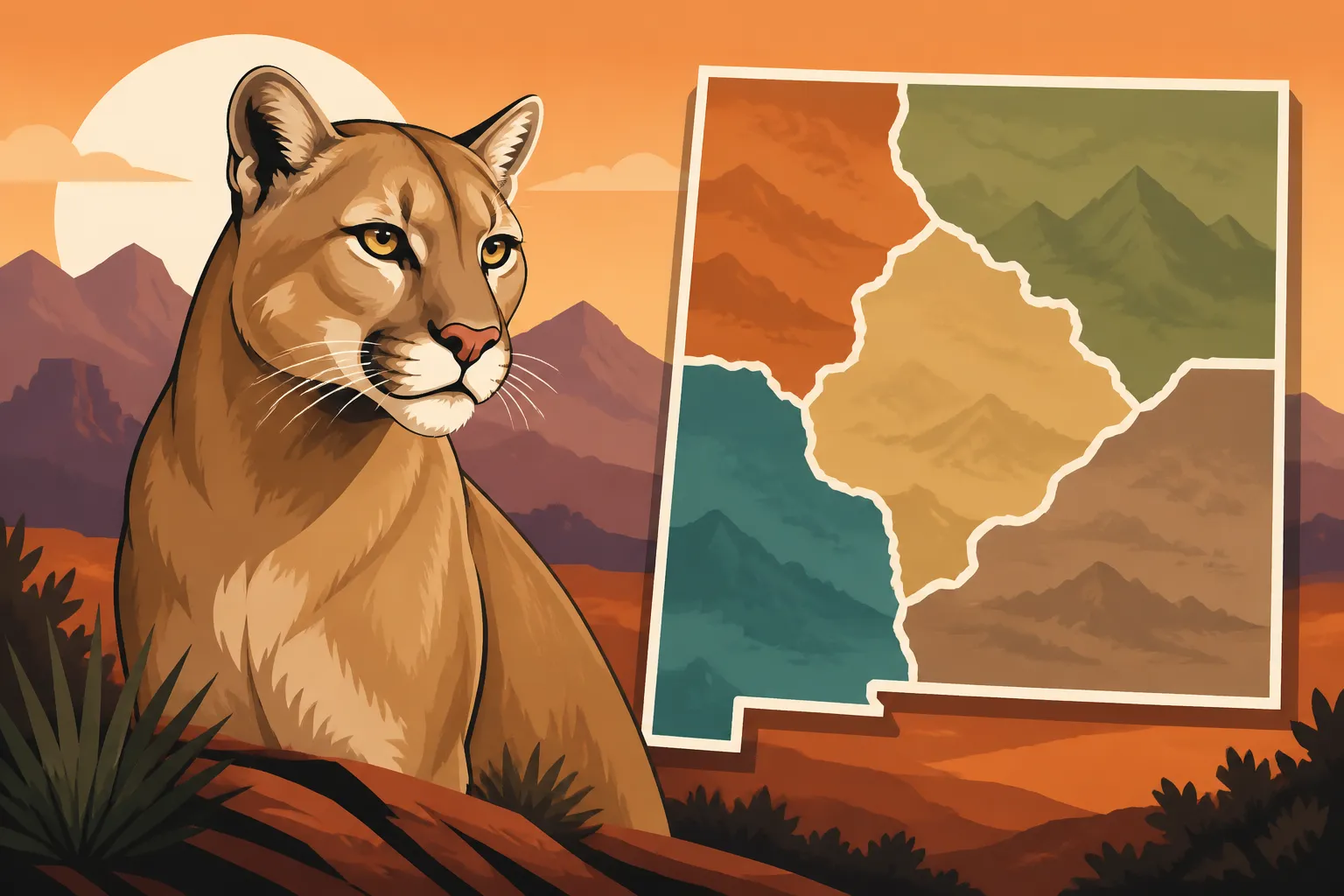
New Mexico Cougar Zones and Limits
Cougar hunting in New Mexico can feel like navigating a complex maze of ever-changing regulations, especially when you factor in the specific zone boundaries and dynamic harvest limits. It's easy for even seasoned hunters to feel overwhelmed trying to keep up with what's permissible, where, and when. This comprehensive guide aims to demystify New Mexico's cougar management zones, thoroughly explaining harvest limits and essential regulations so you can pursue these elusive predators with both confidence and a clear understanding of the rules.
The Philosophy Behind New Mexico's Cougar Management
New Mexico's approach to cougar management isn't just about controlling populations; it’s a nuanced strategy designed to balance ecological health, protect prey species, and address human-wildlife conflicts. The New Mexico Department of Game and Fish (NMDGF) utilizes extensive research and data to ensure sustainable cougar populations while minimizing negative impacts on other wildlife and livestock. This can sometimes feel like a moving target for hunters, as conditions on the ground can lead to adjustments in quotas or zone closures, often without much prior notice.
Why Population Control is Necessary
Cougars, also known as mountain lions, are apex predators that play a critical role in ecosystems. However, left unmanaged, their populations can sometimes impact prey species like mule deer and elk, especially in areas where prey numbers are already stressed by drought or habitat loss. In agricultural areas, cougars can also cause significant depredation on livestock, leading to economic hardship for ranchers. This is where active management, including hunting, becomes a necessary tool. By setting harvest limits, the state aims to maintain a healthy balance, ensuring that cougar populations remain viable while also supporting robust prey populations for both ecological stability and other hunting opportunities. It’s a delicate dance, and hunters are an integral part of collecting the data that informs these crucial decisions.
The Role of Biologists and Data Collection
The backbone of New Mexico's cougar management strategy is the scientific data collected by wildlife biologists. They monitor cougar populations through various methods, including track counts, scat analysis, remote cameras, and den observations. Crucially, mandatory hunter harvest reporting provides invaluable information on age, sex, and location of harvested cougars, offering a direct snapshot of population health and distribution. This data allows the NMDGF to make informed decisions about season lengths, specific harvest limits within each zone, and whether male-only harvest periods are necessary. Without hunter participation in reporting, biologists would have a much harder time getting accurate, real-world data, highlighting just how important your role is beyond simply harvesting an animal. If you’re serious about understanding these trends, online platforms like GoHunt often compile information and statistics that can help you grasp the bigger picture.
Breaking Down New Mexico's Cougar Management Zones
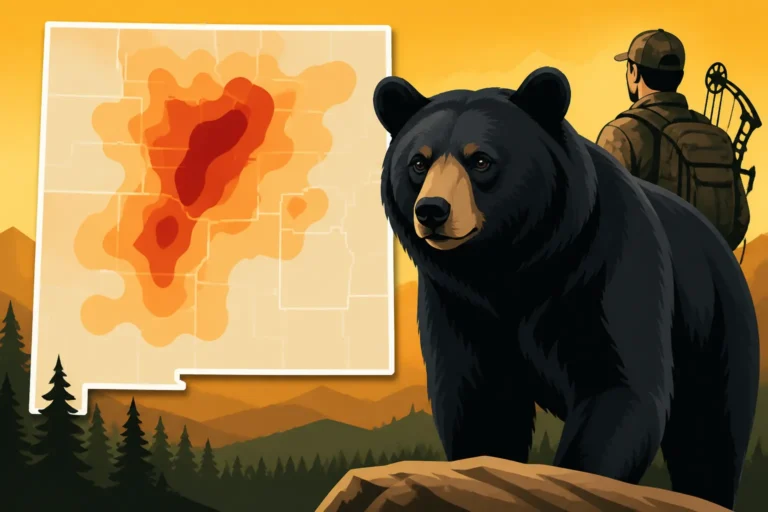
New Mexico is a vast state with diverse landscapes, and its cougar populations reflect this variety. Consequently, the state is divided into multiple Cougar Management Zones, each with its own specific regulations and harvest objectives. These zones aren't just arbitrary lines on a map; they are carefully delineated based on factors like habitat, prey density, historical cougar activity, and human population density. Understanding these zones is paramount, as the rules that apply in one area might be entirely different just a few miles down the road.
How Zones Are Defined and Differentiated
Cougar Management Zones in New Mexico are typically defined by a combination of geographical features, game management unit boundaries, and sometimes even major roadways. For instance, you’ll find zones that encompass vast mountainous forests like those within the Gila National Forest, where elk and mule deer are abundant, supporting denser cougar populations. Other zones might cover open, arid desert regions of the south, where cougars are more spread out and rely on a different suite of prey like desert mule deer and javelina. The NMDGF differentiates these zones to apply targeted management strategies. A zone with high prey populations and minimal human conflict might have a more liberal harvest limit, while a zone bordering urban areas or suffering from low prey numbers might have stricter quotas or be designated as male-only for extended periods. It's a localized approach designed to address specific ecological needs and human-wildlife interactions in each unique landscape. Hunters often use tools like onX Hunt to overlay these zone boundaries with land ownership and topography, giving them a clear visual of where they can and cannot hunt.
Examples of Key Cougar Management Areas
While the exact definitions and designations can shift, some general patterns emerge across New Mexico's cougar country. For example, the vast wilderness areas of the Gila National Forest in the southwestern part of the state are known for robust cougar populations due to abundant prey and expansive, rugged habitat. Units within the Gila, such as those discussed in our article on Hunting New Mexico From 4,000 Feet to 10,000, often have significant cougar activity. In contrast, the northern mountains, like those in the Carson and Santa Fe National Forests, also hold cougars, but their populations might fluctuate based on elk and deer migrations. Then you have the more open, high-desert units of the eastern plains or the rugged rimrock country of the southeast, where cougars are present but often at lower densities, adapting to different prey bases like pronghorn and barbary sheep. Each of these broad regions can fall into different management zones, dictating things like season length, weapon restrictions, and the number of animals that can be harvested. Always check the most current New Mexico Rules and Information Booklet to confirm the specific zone boundaries and associated regulations before heading out.
Navigating Harvest Limits and Season Dynamics
Understanding cougar harvest limits and season dynamics in New Mexico can feel like trying to hit a moving target. Unlike many other species, cougar seasons often have unit-specific quotas and can close without much warning once those quotas are met. This dynamic approach ensures that the NMDGF can react quickly to harvest data, preventing overharvest in specific areas and maintaining healthy cougar populations across the state. It means that checking the NMDGF website frequently, sometimes even daily during a hunt, is not just recommended, but practically mandatory.
Unit-Specific Quotas and Male-Only Periods
Each Cougar Management Zone, often aligning with or encompassing multiple Game Management Units (GMUs), will have a predetermined harvest quota. This quota specifies the maximum number of cougars that can be harvested within that zone during a specific season. These numbers are carefully calculated by NMDGF biologists based on population estimates, recent harvest data, and population objectives for the area.
Crucially, many zones also have stipulations for female harvest. It's not uncommon for a zone to have an overall quota, but also a sub-quota for female cougars. For instance, a zone might allow for five total cougars, but only two of them can be females. Once that female quota is met, the season might immediately switch to male-only, or even close entirely if the overall quota is also approached. This is a critical conservation measure because female cougars are the reproductive backbone of the population. Protecting them helps ensure the long-term viability of the species. Knowing these specific limitations is vital, and a quick check of the NMDGF regulations or using a resource like GoHunt's updated data before and during your hunt can prevent a costly mistake. For more details on these specific regulations, consult the "New Mexico Cougar Harvest Limits by Zone" article.
The Importance of Immediate Reporting
The system of dynamic quotas and potential in-season closures hinges entirely on hunters immediately reporting their harvest. In New Mexico, if you successfully harvest a cougar, you are legally required to report it to the NMDGF within a very short timeframe – typically 24 hours. This isn't just a suggestion; it's a critical component of the management strategy. Your reporting triggers the NMDGF to update its harvest count for that specific zone. If reports are delayed, the quota for a zone could easily be exceeded before the state even knows it.
Many hunters call a dedicated NMDGF harvest reporting line, while others may be able to report online. After reporting, you'll usually be given a confirmation number and instructed on how to get your pelt tagged within a set number of days. This immediate communication and subsequent tagging are essential for monitoring and preventing overharvest. Failure to report promptly can result in penalties, and more importantly, it can compromise the very data that helps sustain healthy hunting opportunities for everyone. This immediate reporting is similar to the mandatory reporting requirements discussed in Mandatory Reporting After a New Mexico Harvest.
Here’s a quick overview of the harvest reporting process:
| Step | Action Required | Timing | Important Notes |
|---|---|---|---|
| 1. Harvest | Legally harvest a cougar in an open zone. | During legal hunting hours. | Ensure the zone is open and all regulations are followed. |
| 2. Immediate Report | Call NMDGF or use online reporting system. | Within 24 hours of harvest. | Provide harvest location, date, sex of animal. Receive confirmation number. |
| 3. Pelt Tagging | Present the unfrozen pelt (and skull) to an NMDGF Game & Fish office. | Within 5 working days of reporting. | Mandatory for legal possession. Officer will tag the hide and skull. |
| 4. Final Paperwork | Complete any additional forms or provide details requested. | During tagging appointment. | This contributes to valuable biological data for future management decisions. |
Navigating Specific Rules for Cougar Hunting
Beyond zones and quotas, cougar hunting in New Mexico comes with a specific set of rules and ethical considerations that are crucial to understand. These regulations dictate acceptable methods of take, reporting requirements, and how to properly handle your harvested animal. Ignoring any of these can lead to serious legal consequences and undermine the integrity of the sport.
Methods of Take: Hounds and Calling
One of the most traditional and effective methods for hunting cougars in New Mexico is with the aid of hounds. This method is often highly regulated, with specific rules concerning the number of dogs, how they are managed, and sometimes even the need for a special permit. Hunting New Mexico Cougars Behind Hounds can be a thrilling experience, but it requires skilled dog handlers and a deep understanding of the regulations to ensure a legal and ethical hunt. The dogs typically track the cougar until it’s treed or bayed, at which point the hunter can make a careful, ethical shot.
Another common method is calling, often using electronic calls that mimic prey distress sounds or cougar vocalizations. While electronic calls are legal for predators and varmints in many parts of New Mexico, always double-check the current regulations for cougars specifically, as rules can sometimes change or be unit-dependent. For instance, knowing Where Electronic Calls Are Legal for Big Game is key. Still-hunting or stalking can also be effective, particularly for experienced hunters who can read sign in rugged terrain. Regardless of the method, ethical hunting practices, including positive identification of the animal and a clean shot, are paramount.
Mandatory Reporting and Pelt Tagging
As mentioned earlier, mandatory reporting is a cornerstone of cougar management. Once you've harvested a cougar, your responsibility doesn't end there. You must notify the NMDGF within 24 hours. This initial report is followed by a requirement to present the cougar's unfrozen hide and skull to a NMDGF official for tagging within five working days of the harvest. This is covered in more detail in the "New Mexico Cougar Pelt Tagging Requirements" article.
This pelt tagging process serves several vital functions: it verifies the legal take of the animal, collects biological data (such as sex, age based on teeth, and confirmation of location), and ensures that no illegal harvest or trafficking of cougar parts occurs. The tag is permanently affixed to the hide and must remain with it until the hide is processed by a taxidermist or tanner. Without this tag, the hide and skull are not legally possessed. Always ensure you understand the specific requirements for your region and plan accordingly, especially if you're hunting in remote areas far from a NMDGF office.
The Hunter's Role in Cougar Conservation
Cougar hunters in New Mexico aren't just participants in a challenging sport; they are active conservationists. Your actions in the field, from ethical hunting practices to diligent reporting, directly contribute to the health and sustainable management of cougar populations across the state. This partnership between hunters and wildlife agencies is fundamental to the North American Model of Wildlife Conservation.
Contributing to Valuable Data Collection
Every cougar harvested and properly reported provides valuable data that NMDGF biologists use to assess population health, distribution, and trends. When you bring your cougar in for tagging, biologists examine the animal, collecting crucial information that helps them understand age structures, reproductive success rates, and overall population dynamics. This data informs future season structures and harvest limits. Your accurate reporting of harvest location, date, and sex is critical. Without this consistent input from the hunting community, wildlife managers would be largely blind to the real-time impacts of their management strategies. Think of yourself as an essential field agent, providing the raw data that feeds into scientific conservation efforts. Resources like GoHunt help consolidate this data, offering insights to hunters planning their next outing.
Ethical Hunting Practices and Respect for the Species
Hunting cougars ethically means more than just following the law; it means demonstrating respect for the animal and its place in the ecosystem. This includes making every effort for a quick, humane kill, positively identifying your target before taking a shot to avoid accidental take of a female with kittens, and minimizing disturbance to the environment. Understanding the habits and habitat of cougars, as discussed in Black Bear and Cougar Across New Mexico, enhances both your hunting success and your appreciation for the species.
Beyond the moment of harvest, ethical hunting also involves proper field dressing and salvage of the animal. New Mexico has strict meat salvage laws for other big game, and while cougars are not typically harvested for their meat in the same way, the principle of not wasting any part of a harvested animal often extends to predators. This respect for the animal’s life and all its parts is a hallmark of responsible hunting and helps ensure the continued social acceptance of cougar hunting.
Adapting to Dynamic Regulations
Given the nature of cougar management, with its dynamic quotas and potential for in-season closures, adaptability is a key trait for successful and compliant hunters. It means staying informed by regularly checking the NMDGF website, signing up for email alerts, or using up-to-date hunting apps and services that track season closures in real-time. For a comprehensive overview of all hunting regulations, refer to Reading the New Mexico Rules and Info Booklet.
Sometimes a zone might close just as you’re planning a trip, or even in the middle of a hunt. While frustrating, these adjustments are made to ensure the long-term health of the cougar population and the ecosystems they inhabit. Embracing this dynamic aspect, rather than being resistant to it, is part of being a responsible hunter in New Mexico. It’s a testament to the commitment to conservation, ensuring that these magnificent animals will continue to roam New Mexico's wild places for generations to come.
Disclaimer
Please note that hunting regulations are subject to change. This guide is intended for informational purposes only and should not be considered legal advice. Always consult the most current New Mexico Department of Game and Fish hunting proclamation and regulations prior to any hunting activity.