Primitive Weapons Units in New Mexico
Hunting in New Mexico can feel like navigating a complex maze, and few areas cause more head-scratching than the primitive weapons units. It’s a common frustration to see a hunt code that looks promising, only to realize it requires a "primitive weapon" and then wonder, "What in the world does that actually mean?" This guide is here to untangle the rules, explain the unique appeal, and help you strategize for success in New Mexico's primitive weapon seasons, cutting through the confusion so you can focus on the hunt itself.
Understanding New Mexico's Primitive Weapon Definition
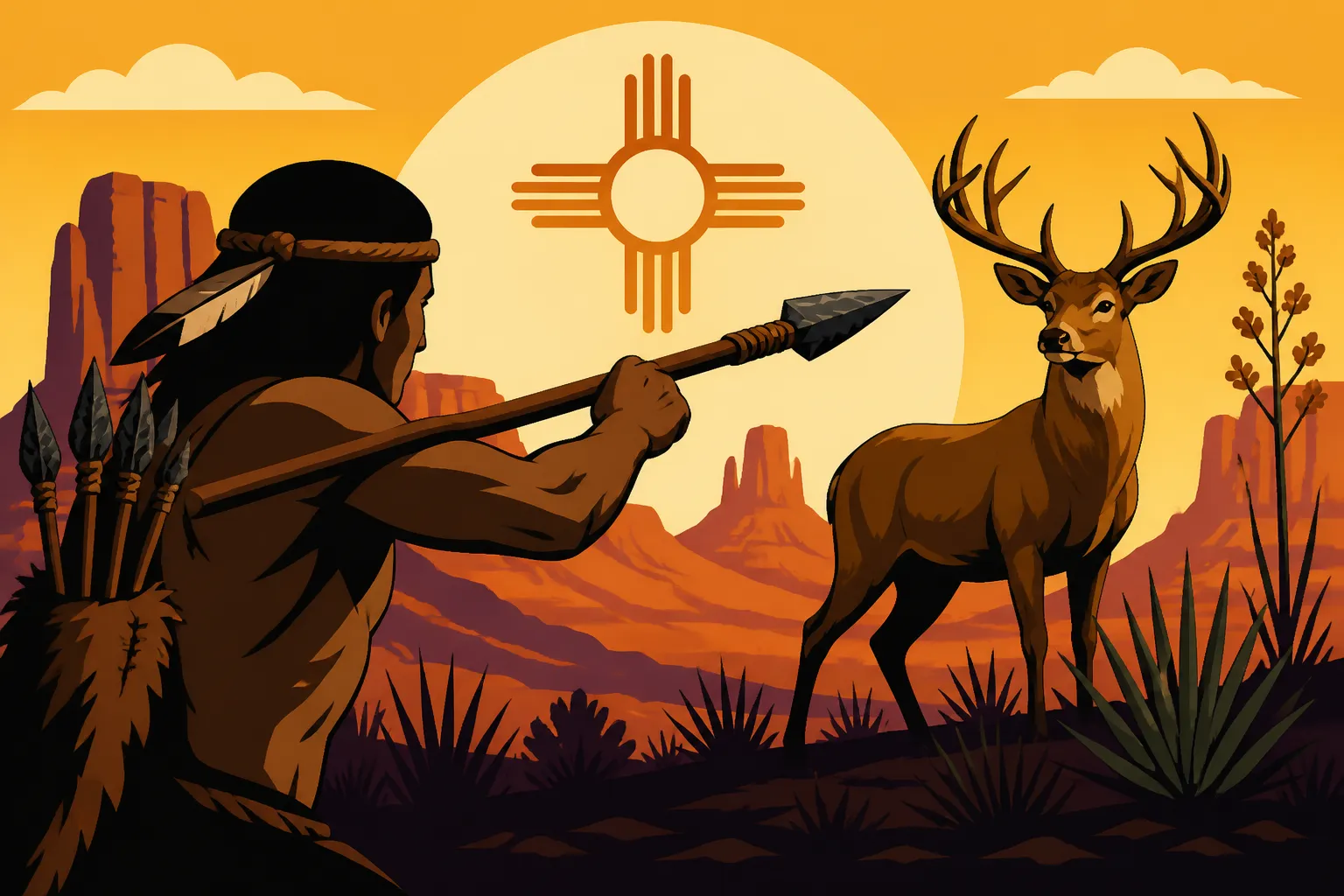
The phrase "primitive weapon" can conjure up images of spears and slingshots, but in New Mexico, it refers to a very specific set of legal hunting tools that are intentionally more challenging and traditional than modern firearms. These regulations aren't arbitrary; they're designed to create a different kind of hunting experience, often in areas where wildlife management aims to reduce overall pressure or offer a unique opportunity. The key is knowing precisely what the state considers "primitive" so you don't inadvertently run afoul of the law.
What Actually Qualifies as a Primitive Weapon?
When New Mexico refers to primitive weapons, they're generally talking about specific types of muzzleloaders, bows, and even crossbows, all with distinct limitations that set them apart from their modern counterparts. For many hunters, this is the biggest hurdle: understanding these nuances. You can't just grab any muzzleloader or bow and expect it to be legal for a primitive hunt; there are very clear lines drawn in the sand. This strict definition is where many hunters get tripped up, and it's essential to study the current regulations booklet like it's your personal hunting bible.
For muzzleloaders, the primitive designation typically means black powder or equivalent propellant, and often, only percussion cap or flintlock ignition systems are permitted. Forget about those fancy inline muzzleloaders with 209 primers and optical sights; those generally fall under "any legal weapon" categories. The state's intent is to push hunters toward a more traditional, single-shot experience that requires greater skill in both loading and shooting. This usually means open sights only, no scopes allowed. When it comes to big game like elk, there are also Muzzleloader Caliber Minimums for Elk you absolutely need to adhere to, which generally means a minimum bore diameter of .45 caliber. Ignoring these details can quickly turn a successful hunt into a costly violation.
Bowhunting in a primitive weapons unit also comes with its own set of guidelines. While compound bows are generally allowed, they still need to meet minimum draw weight requirements for big game. The biggest difference, however, usually comes down to broadheads. Many primitive bow hunts require fixed-blade broadheads, meaning mechanical or expandable broadheads, which are legal in many general archery seasons, might be explicitly prohibited. It’s crucial to double-check the Broadhead Requirements for Bowhunting for your specific hunt code and unit. You'll often find strict language about blade width and number, ensuring a clean harvest. In fact, if you're wondering Are Expandable Broadheads Legal? in a primitive hunt, the answer is often a resounding no, which forces bowhunters to hone their shot placement and traditional broadhead tuning.
Restrictions That Define a Primitive Hunt
Beyond the specific weapon types, primitive hunts are further defined by a set of restrictions that truly embody the "primitive" spirit. These aren't just about what you shoot with, but how you hunt. The idea is to create an experience that minimizes the technological advantages modern hunters often rely on, pushing you to develop more fundamental hunting skills. It's a throwback, a challenge that many dedicated outdoors enthusiasts actively seek out for the sheer satisfaction it provides.
One of the most significant restrictions is the limitation, or outright prohibition, of optics. For muzzleloader hunters, this almost always means no scopes whatsoever. You're limited to open, iron sights. This dramatically changes the effective range of your weapon and demands a much higher degree of marksmanship. You have to get significantly closer to your quarry, increasing the difficulty and the thrill. Similarly, while bows can have pin sights, the lack of rangefinders or other electronic enhancements often found in modern bowhunting setups pushes hunters to become better at judging distance by eye. The focus shifts from long-range precision to mastering close-quarters stalking and patience.
Another critical aspect of primitive weapon rules often revolves around the ammunition itself. For muzzleloaders, this typically means using loose black powder or specific black powder substitutes. Pre-measured charges in plastic cases, or modern smokeless powder, are almost universally prohibited. This requires hunters to learn the art of loading their rifle in the field, a slower, more deliberate process that further emphasizes the traditional nature of the hunt. Even the projectiles might be limited, often favoring patched round balls or conical bullets over modern saboted projectiles. These restrictions, while challenging, are precisely what makes primitive weapon hunting such a unique and rewarding pursuit for those who embrace the spirit of the endeavor.
Why New Mexico Designates Primitive Weapon Units
It might seem counterintuitive for a state to create hunting seasons that are deliberately more difficult, but there are very good reasons behind New Mexico's primitive weapon unit designations. These aren't just about tradition; they're vital tools in the broader wildlife management strategy, helping to balance hunter opportunity with herd health and the quality of the hunting experience. Understanding this "why" can help you appreciate the value of these unique seasons, even if they present a steeper learning curve.
Managing Pressure and Preserving Quality
One of the primary drivers behind designating primitive weapon units is to manage hunter pressure and, in turn, preserve game quality. In high-demand units, or areas with sensitive wildlife populations, limiting the type of weapon allowed can significantly reduce the number of applicants. This self-selection means fewer hunters in the field, leading to a less crowded experience and less disturbance for the animals. When hunter numbers are lower, especially with weapons that require closer ranges, game animals often exhibit more natural behavior, making for a more authentic hunting encounter.
This reduction in pressure is a direct tool for fostering the growth of older, more mature animals, particularly trophy bucks and bulls. With fewer hunters taking animals and the added challenge of primitive weapons, it gives more animals a chance to reach prime age classes. This benefits the herd genetically and also ensures that those who do draw a coveted tag have a greater chance at encountering a truly magnificent animal. It's a long-term investment in the quality of the resource, ensuring that New Mexico continues to offer world-class hunting opportunities. The challenge of the hunt acts as a natural filter, attracting hunters who are more dedicated to the experience rather than just filling a tag, which further contributes to a higher quality experience for everyone.
Unique Opportunities for a Different Hunt
Beyond herd management, primitive weapon units are also about offering a distinct and often more profound hunting experience. For many, modern hunting, with its advanced optics, long-range rifles, and technological aids, can feel a bit too efficient, a little disconnected from the essence of the chase. Primitive weapon hunts strip away some of those layers, demanding a greater reliance on traditional woodcraft, stalking ability, and patience.
These hunts represent a chance to step back in time, to engage with the landscape and the animals on a more fundamental level. The satisfaction of a successful harvest with a primitive weapon is often amplified because of the increased effort and skill required. It's not just about taking an animal; it's about the journey, the challenge, and the deep connection to the hunting heritage. Often, these tags can also present slightly better draw odds than their "any legal weapon" counterparts in the same units, simply because fewer hunters are willing or able to commit to the primitive weapon restrictions. This can provide a backdoor into high-quality units that would otherwise be nearly impossible to draw, making the added challenge a worthwhile trade-off for those seeking something truly special.
Key Primitive Weapon Units in New Mexico and What to Expect
While the concept of primitive weapon units applies statewide, certain areas are more renowned for these specific hunt types. Knowing where these opportunities exist and what to anticipate from the terrain and game populations is crucial for planning your application and preparing for the hunt itself. From rugged wilderness to high-desert mountains, New Mexico offers a diverse range of primitive weapon experiences.
Unit 15: The Flagship Primitive Unit
When you talk about primitive weapon hunting in New Mexico, Unit 15 is often the first, and sometimes only, unit that comes to mind for many hunters. It’s an iconic piece of country, largely part of the immense Gila National Forest, and it stands out as the state's premier primitive weapons unit. The reputation of Unit 15 isn't just about its primitive designation; it's also about the incredible quality of the animals it produces and the challenging, rewarding experience it offers. If you’ve ever wondered Why Unit 15 Is a Primitive Weapons Unit, it's precisely because the state wants to preserve that exceptional quality and unique hunting experience.
Unit 15 is primarily known for its world-class elk hunting, and it’s a big part of New Mexico Elk Are Why the Gila Draws Everyone. The Gila Wilderness, with its vast canyons, ponderosa forests, and rugged topography, provides an ideal habitat for elk to grow old and large. Many consider What Makes Unit 15 the Gila's Finest to be its combination of mature bull potential and the deeply immersive, backcountry hunting experience that the primitive weapon designation reinforces. Beyond elk, the unit also holds healthy populations of mule deer, particularly in the timbered draws and brushy slopes. Hunting in Unit 15 is not for the faint of heart; it’s physically demanding, often requiring extensive hiking, packing in supplies, and relying on your own skills and grit.
The challenges of Unit 15 are as legendary as its trophies. Access can be difficult, with many areas requiring significant effort to reach, and you'll often be miles from the nearest road. The weather can be unpredictable, ranging from scorching heat in early archery seasons to freezing conditions in late-season hunts. However, for those who embrace the wilderness and the primitive weapon challenge, the rewards are immense. It's an opportunity to truly disconnect, test your abilities, and pursue some of the finest big game animals in the Southwest, all while experiencing hunting in its most traditional form. The demand for Unit 15 tags is always high, even with the primitive weapon restriction, making success in the draw a true achievement.
Other Units with Primitive Weapon Opportunities
While Unit 15 shines as the most prominent example, it's a common misconception that primitive weapon hunts are exclusive to this single unit. In reality, New Mexico offers primitive weapon opportunities for various species across a wider range of units, though they might be less publicized or only apply to specific seasons. The key is to diligently review the annual New Mexico Game and Fish Rules and Information Booklet, paying close attention to the hunt codes. Tools like GoHunt's Insider platform can be invaluable for filtering and researching specific primitive weapon hunts that match your species and unit preferences.
You'll often find muzzleloader-specific hunts for deer in units outside the Gila, particularly in northern mountain ranges or certain high-desert areas. These can sometimes coincide with Muzzleloader Deer Windows Across New Mexico Units that are distinct from general rifle seasons. Similarly, archery seasons for elk or deer, while not always explicitly called "primitive," often carry equipment restrictions (like fixed-blade broadheads) that align with the primitive weapon philosophy. It’s imperative to scrutinize the weapon description for every single hunt code you consider applying for. Don't assume that if it's an archery hunt, all archery equipment is automatically legal; the specific rules for a given hunt code dictate everything.
These "other" primitive weapon opportunities can sometimes offer slightly better draw odds than their more popular "any legal weapon" counterparts, simply because the pool of eligible hunters is smaller. This can be a fantastic way for a dedicated primitive hunter to gain access to quality hunting in units they might not otherwise draw. However, always remember that regulations change annually. A hunt that was primitive one year might not be the next, or the weapon restrictions could be altered. Using up-to-date resources like the NMDGF website and reliable hunting intelligence platforms like GoHunt ensures you're working with the most current information.
Strategies for Success in Primitive Weapon Units
Embracing a primitive weapon hunt means understanding that your strategy, preparation, and skill set need to adapt significantly. This isn't just about swapping out your rifle for a muzzleloader; it's about shifting your entire approach to the hunt. The success in these units hinges on meticulous planning and a deep commitment to the challenge. It’s where old-school hunting wisdom truly shines.
Gear and Preparation for the Challenge
When you commit to a primitive weapon hunt, your gear list and preparation routine need a serious overhaul. It's not just about getting the right muzzleloader or bow; it's about making sure every piece of equipment supports the more demanding nature of the hunt. Think about redundancy, reliability, and how each item contributes to your ability to get close and make a precise shot.
For muzzleloader hunters, this means more than just the rifle itself. You’ll need a reliable supply of black powder (or an approved substitute), percussion caps or flints, patching material if you're shooting round balls, and a bullet starter. A cleaning kit specifically for black powder is non-negotiable, as residue can quickly foul your barrel and affect accuracy. Practice isn't just about shooting; it's about fast, efficient loading in the field under pressure. For archers, ensure your bow is perfectly tuned and your fixed-blade broadheads fly true from every angle. This often requires more time at the range than with mechanical broadheads. Remember, the effective range of a primitive weapon is significantly shorter than a modern rifle, making every yard you can shave off the approach critical. This directly relates to the skill of How Close a Bowhunter Needs to Get on Elk, which is often within 30-40 yards.
Physical conditioning becomes paramount in these hunts. You'll likely be covering more ground, often in rugged terrain, to close the distance. Pack weight management is also key, as you'll be carrying your weapon, ammunition, and other essentials for longer periods. Mental preparation is equally vital; primitive hunts test your patience and resolve. There will be times you have animals within sight but out of primitive range, and having the discipline to wait for the perfect shot opportunity is a hallmark of a successful primitive hunter. Think about the entire experience, from the hike in to the shot, and prepare physically and mentally for every step.
Scouting and Tactics Optimized for Primitive Hunts
The tactics that work in general rifle seasons might fall flat in a primitive weapon unit. The shortened effective range of your weapon means that scouting and stalking skills become the absolute cornerstone of your hunting strategy. You can't rely on long-range glassing and a 500-yard shot; you have to immerse yourself in the animal's world and literally get in its face.
E-scouting with mapping apps like those offered by GoHunt is an excellent starting point for any New Mexico hunt. You can identify potential water sources, bedding areas, travel corridors, and escape routes. Pay particular attention to terrain features that can hide an approach, such as draws, ridges, and dense timber. Understanding Reading Terrain Before You Pick a Camp is crucial, as is using satellite imagery to pinpoint areas where you can leverage topography to your advantage. Once on the ground, however, this information needs to be verified. Find fresh sign, track animal movements, and understand how thermals and wind patterns affect a specific canyon or ridge. Mastering Playing Thermals on a Canyon Stalk can make or break your ability to get close unnoticed.
Stalking is an art form in primitive weapon hunting. You need to move slowly, deliberately, and quietly, paying attention to every branch underfoot. Learning Using Draws and Benches to Close Distance to navigate quietly and remain out of sight is an invaluable skill. Patience is your greatest ally. Often, you'll get close, but not close enough for a clean shot. Instead of forcing it, you might need to back out, reposition, and try again, or even wait until the animal moves into a more favorable position. Calling can also be effective, but always remember you need to close the distance quickly after a successful call, as game animals become wary. It's a game of chess, not checkers, and the primitive weapon adds a layer of complexity that elevates the entire experience.
Applying for Primitive Weapon Tags
Applying for primitive weapon tags in New Mexico follows the same general draw system as other hunts, but understanding the nuances can sometimes be the key to success. While the application process itself is straightforward, anticipating draw odds and choosing the right unit and hunt code for your primitive weapon goals requires careful consideration. Don't let the allure of a specific unit overshadow the reality of your chances.
Navigating the New Mexico Draw System
New Mexico's big game draw system is renowned for being fair, as it doesn't utilize a preference point system, meaning every applicant for a specific hunt code has an equal chance each year, regardless of how many times they've applied before. This means How New Mexico Draw Odds Do Not Improve With Time is a factor for all hunters. Primitive weapon hunts fall under this same draw, typically with the main application deadline occurring on March 18th at 5 p.m. MT for most species. It's an all-or-nothing system, so getting your application in correctly is paramount.
The draw odds for primitive weapon hunts can be a mixed bag. For highly sought-after units like Unit 15 for elk, the primitive weapon restriction doesn't necessarily make the tags "easy" to draw; they are still incredibly popular, and you'll face stiff competition. However, for less renowned units or for certain species, primitive weapon hunts might offer slightly better odds than the corresponding "any legal weapon" seasons. This is because fewer hunters are typically willing or equipped to commit to the primitive weapon challenge. Resources like GoHunt's draw odds data can be invaluable for analyzing historical success rates and making informed decisions about where to apply.
It's critical to correctly understand the hunt codes and enter your choices accurately on the application. Each hunt code specifies the unit, species, weapon type, and season dates. Reading a New Mexico Hunt Code Before You Apply is a non-negotiable step. A single misidentified digit or letter can lead to applying for the wrong hunt or, worse, disqualification. New Mexico allows you to list up to five choices, and it's important to strategically rank them from your dream hunt to more realistic options to maximize your chances of drawing a tag. Remember, the application fees are non-refundable, so careful planning before you hit submit is essential.
Finding Information and Planning Your Hunt
The most reliable and current information for any New Mexico hunt, especially those with specific weapon restrictions, comes directly from the source. The New Mexico Department of Game and Fish (NMDGF) publishes an annual "Rules and Information Booklet" that is your definitive guide. It contains all the legal definitions, unit boundaries, season dates, hunt codes, and specific weapon requirements. Don't rely on outdated information or hearsay; always consult the current year's booklet.
Beyond the official state regulations, a wealth of online resources can help you refine your primitive weapon hunt plan. Platforms like GoHunt provide detailed draw odds, unit profiles, and e-scouting tools that integrate public land maps, helping you visualize the terrain and potential hunting areas. Their Insider service is particularly useful for researching specific hunt codes and understanding their historical difficulty. Engaging with online hunting communities or forums can also provide valuable insights, though always cross-reference any advice with official regulations.
Finally, consider reaching out to experienced primitive hunters or outfitters who specialize in these types of hunts. While outfitters are often associated with fully guided trips, many also offer consulting services or can provide invaluable insights into specific units and tactics. Their firsthand knowledge can help you avoid common pitfalls and prepare for the unique challenges of primitive weapon hunting in New Mexico. Ultimately, thorough research and careful planning are your best allies in securing and succeeding on a primitive weapon tag.
| Primitive Weapon Type | General Requirements | Common Restrictions | Why It's "Primitive" |
|---|---|---|---|
| Muzzleloader | Black powder/equivalent propellant | No scopes (open sights only), percussion cap/flintlock ignition, minimum calibers (.45 for deer, .50 for elk) | Single shot, slower loading, limited range, historical method |
| Bow & Arrow | Minimum draw weight, broadhead requirements (often fixed-blade) | No expandable/mechanical broadheads (often), no electronic sights/rangefinders (some hunts), no crossbows (unless specified) | Requires closer stalking, traditional accuracy, fixed broadheads |
| Crossbow | Specific draw weight/kinetic energy (if allowed) | Only allowed if explicitly stated in hunt code, no scopes (often) | Generally considered a specialized bow; New Mexico rules are very specific on legality |
Disclaimer
The information provided in this guide is for general informational purposes only and is not intended as legal advice. Hunting regulations in New Mexico are subject to change. Always consult the most current New Mexico Department of Game and Fish Rules and Information Booklet and official NMDGF resources before planning or embarking on any hunting trip to ensure compliance with all applicable laws and regulations.