Muzzleloader Deer Windows Across New Mexico Units
Hunting in New Mexico can feel like deciphering an ancient scroll, especially when you're trying to pin down the exact dates and rules for a specific weapon type like a muzzleloader. The seasons shift, the units have their own quirks, and the regulations booklet can make your head spin. This guide is dedicated to demystifying the muzzleloader deer windows across New Mexico units, giving you a clear roadmap to planning your smoke pole hunt, from understanding the rules to putting in for that coveted tag.
Navigating New Mexico's Muzzleloader Deer Seasons
There's a special kind of satisfaction that comes with hunting with a muzzleloader. It's a nod to tradition, a challenge that brings you closer to the history of hunting, and often, it means getting into the woods during unique timeframes. New Mexico offers some fantastic opportunities for muzzleloader deer hunters, but knowing when and where those opportunities exist is half the battle.
The Allure of the Smoke Pole
For many, the appeal of the muzzleloader isn't just about the hunt itself, but the commitment to a more primitive style of hunting. The single shot, the cloud of smoke, the slower loading process – it all forces a hunter to be more deliberate, more patient, and ultimately, a better woodsman. It's not just about pulling a trigger; it's about making that one shot count, often at closer ranges, requiring an intimate understanding of deer behavior and terrain. This dedication to tradition is often rewarded with hunts in periods that might offer less pressure or different deer activity patterns than the rifle seasons. It’s a chance to slow down, disconnect from modern complexities, and truly immerse yourself in the natural world, relying on your instincts and skill.
Understanding the Season Calendar Puzzle
The New Mexico Game and Fish Department structures its deer seasons with a mix of archery, muzzleloader, and any legal weapon hunts. The muzzleloader seasons, often referred to as "deer windows," are typically tucked between archery and the more general rifle seasons, or sometimes even extend into later months. These windows are carefully planned to manage deer populations, spread out hunting pressure, and offer diverse experiences. What makes it a puzzle is that these dates are unit-specific and can vary year to year, so you can't just assume what worked last year will be the same. You really need to dive into the current year's proclamation to see how the dates align for your chosen unit. Without doing your homework, you might miss a prime opportunity or worse, find yourself in the wrong place at the wrong time. It’s a good idea to check the New Mexico Game and Fish website as soon as the new proclamation drops, typically in late winter or early spring, to get the most accurate and up-to-date information for your planning.
Decoding Muzzleloader Hunt Codes and Unit Dates
When you crack open the New Mexico hunting proclamation, you're immediately hit with a list of hunt codes. These alphanumeric codes hold all the secrets: the species, the weapon type, the unit, and most importantly, the dates. For muzzleloader deer hunting, you'll be looking for specific codes that indicate a "ML" for muzzleloader. It's a critical step in making sure you're applying for the right hunt and understanding the exact window you'll be in the field. Reading a New Mexico Hunt Code Before You Apply is a skill every hunter needs to master.
Early Season Muzzleloader Windows
Some units in New Mexico offer muzzleloader deer hunts in the early fall, typically in October. These hunts can be incredibly exciting, as deer are often still in their bachelor groups, focused on feeding, and before the real rut activity kicks in. The weather can be milder, though certainly not without its challenges; you might experience anything from warm, sunny days to the first hints of winter snow, especially in higher elevations. Hunters pursuing deer in these early muzzleloader windows should be prepared for various conditions and focus on food sources and bedding areas. Deer are often more predictable during this time, moving between secure bedding cover and prime feeding grounds, making scouting for fresh sign absolutely crucial. Look for areas with good forage, like acorns, browse, or alfalfa fields if you're hunting near private land. Understanding these early patterns can lead to success before hunting pressure builds up.
Late Season Muzzleloader Opportunities
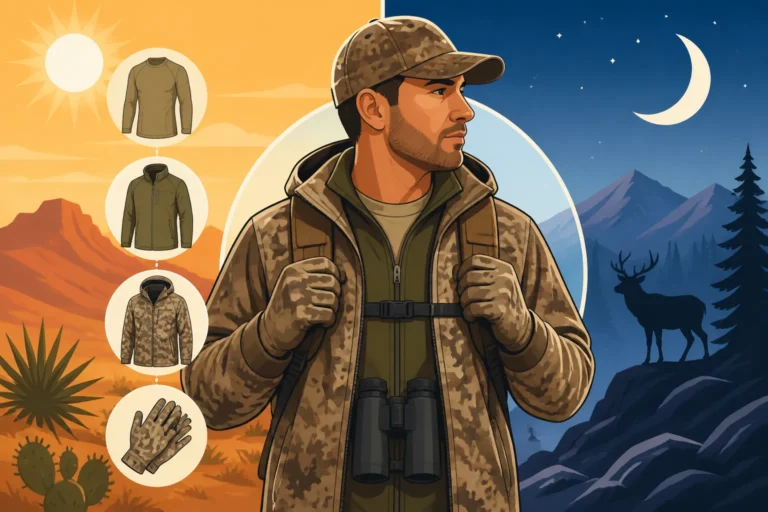
Conversely, other units might have muzzleloader seasons stretching into late November or even December. These late hunts often coincide with the tail end of the rut or the post-rut period, where bucks might be worn down from breeding, more focused on recovering lost weight, and more susceptible to being found in feeding areas or heavier cover. The weather during these late windows can be significantly colder, bringing snow and ice, especially in the northern units. This can be both a blessing and a curse: snow makes tracking easier and can push deer into more accessible areas, but it also means harsher conditions for the hunter. Layering for Gila Temperature Swings or other mountain ranges becomes paramount, and good quality winter gear is non-negotiable. Deer often congregate in lower elevations or south-facing slopes during harsh weather, seeking warmth and available forage, which can concentrate them and offer unique hunting opportunities.
Which Units Run a December Muzzleloader Hunt
While precise dates and unit availability can change with each year's proclamation, some units historically offer those coveted December muzzleloader deer hunts. These are often in regions known for their colder winters, where deer are actively seeking winter range or are in a state of late-rut recovery. For instance, northern units like parts of the Carson National Forest or Santa Fe National Forest might have these later opportunities, allowing hunters to brave the cold for a chance at a late-season buck. Central and eastern units, particularly those with significant elevation changes, can also surprise you with late-season options as deer move between summer and winter ranges.
Here's a generalized look at how New Mexico's deer seasons typically break down for muzzleloaders, keeping in mind specific dates and units fluctuate annually:
| Region/Unit Type | Typical Muzzleloader Season Timing | General Characteristics | Target Species |
|---|---|---|---|
| Northern Mountains | Mid-October to Early November, some December | Colder weather, potential snow, higher elevations, Ponderosa, Aspen. | Mule Deer |
| Central Mountains | Late October to Mid-November, some December | Variable weather, mixed conifer and oak brush, good cover. | Mule Deer |
| Southern Deserts | Late October to Mid-November | Milder weather, lower elevations, Chihuahuan Desert flora, can be warm. | Mule Deer, Coues Deer |
| Eastern Plains | Early to Mid-November | Open country, grasslands, pinyon-juniper, cooler temps. | Mule Deer, Whitetail (less common) |
Disclaimer: This table represents typical patterns; always consult the current New Mexico Hunting Proclamation for exact dates and units.
When you're trying to figure out which unit offers the best chance at a muzzleloader tag, resources like GoHunt's draw odds data are a lifesaver. They compile past draw statistics, allowing you to gauge the difficulty of drawing a tag for specific muzzleloader hunts. This kind of insight is invaluable, especially if you're trying to decide between several units or looking to increase your chances by applying for less popular choices.
Specific Weapon Rules for New Mexico Muzzleloaders
New Mexico has specific regulations concerning what constitutes a legal muzzleloader for big game hunting. This isn't just about owning a "muzzleloader"; it's about making sure your particular firearm configuration meets the state's definition of a primitive weapon. Ignorance of these rules isn't an excuse, and you certainly don't want to harvest an animal only to find out your setup was illegal. Understanding these nuances is critical for staying on the right side of the law.
Defining a Legal Muzzleloader
Under New Mexico Game and Fish regulations, a muzzleloader used for deer must be a firearm that is loaded from the muzzle. This sounds straightforward, but there are other critical details. Generally, it must be a single-barrel firearm, incapable of holding more than one charge of powder and one projectile at a time. The projectile must also be loaded separately from the powder. When it comes to calibers, for deer, a minimum of .45 caliber is required. This applies to both round balls and conical projectiles. Many hunters opt for .50 caliber for deer, as it offers a good balance of power and readily available components. Ensure your chosen projectile meets any specific weight or type requirements, though typically, lead or lead alloy projectiles are the standard. Always double-check the current "What Makes a Weapon Primitive Under the Rules" section of the proclamation, as these definitions can be subject to subtle changes.
Prohibited Enhancements and Modern Exceptions
This is where many hunters, especially those new to muzzleloading or coming from states with different rules, can get tripped up. New Mexico's regulations aim to keep muzzleloading a relatively primitive experience. This means certain modern conveniences often seen on contemporary muzzleloaders are not permitted during designated muzzleloader seasons. For instance, any muzzleloader equipped with an optical scope (magnified optics) is generally prohibited. You're typically limited to open sights, peep sights, or non-magnifying scopes. This rule is a major factor in the challenge and tradition of muzzleloader hunting, forcing hunters to get closer to their quarry.
Furthermore, many modern inline muzzleloaders that use 209 primers are also restricted in designated muzzleloader-only seasons. New Mexico often specifies that muzzleloaders must use open-breech ignition systems such as percussion caps or flintlock. This means those highly efficient, sealed 209 primer systems are usually reserved for "any legal weapon" seasons, not the dedicated muzzleloader hunts. It’s essential to confirm your ignition system matches the regulations for the specific hunt code you’re applying for. This commitment to traditional ignition systems further emphasizes the primitive nature of these hunts, demanding a more skilled approach to shot placement and understanding your firearm's capabilities. Before you hit the field, pull out your current year's hunting proclamation and scrutinize the "Muzzleloader Caliber Minimums for Elk" (though it mentions elk, it usually covers general muzzleloader rules applicable to deer) and other weapon definitions to ensure your setup is fully compliant.
Strategic Considerations for Muzzleloader Deer Hunting
Muzzleloader hunting isn't just about the dates and the weapon; it's about adapting your entire hunting strategy to the unique constraints and opportunities these seasons present. From preseason planning to in-the-field tactics, a successful muzzleloader deer hunt demands a thoughtful approach.
Scouting and Preparation for Muzzleloader Hunts
Effective scouting is paramount for muzzleloader success, perhaps even more so than with other weapon types due to the inherent range limitations. Because you're likely limited to open sights and a single shot, closing the distance to your target becomes critical. This means you need to know your unit inside and out. E-Scouting a New Mexico Unit Before the Season can give you a massive head start. Utilize mapping tools like onX Hunt or GoHunt to identify potential bedding areas, feeding zones, water sources, and travel corridors. Look for terrain features that can hide an approach at 10,000 feet, allowing you to get within muzzleloader range without being detected.
Once on the ground, focus on fresh sign: tracks, scat, rubs, and scrapes. During early muzzleloader seasons, deer will often be focused on abundant food sources, so locating these hot spots is key. For later seasons, pay attention to areas that offer thermal cover, such as dense conifer stands or south-facing slopes, where deer will seek refuge from cold winds and snow. Don't just scout for deer; scout for access. Identify quiet trails, draws, and ridges that will allow you to move silently and get into position. Understanding these micro-terrain features can make all the difference when you're trying to close the last 100 yards.
Adapting Tactics to Season Timings
The specific muzzleloader window you draw will heavily influence your hunting tactics.
Early Season Tactics: If you're hunting during an early muzzleloader window (typically October), deer will likely still be on a summer-to-fall pattern, often feeding heavily and not yet heavily influenced by the rut. Your best bet is often to focus on morning and evening hunts around primary food sources. Still-hunting through prime bedding cover during midday can also be effective if done slowly and quietly. The weather might still be warm, so consider Heat Management on an Early Season Hunt. Deer will be using water sources more frequently, so identifying and observing stock tanks or springs can be a productive strategy, particularly in drier units. You'll want to focus on stealth and quiet movement, as deer haven't experienced significant hunting pressure yet and will be less wary than during the peak rifle seasons.
Late Season Tactics: For late muzzleloader seasons (November/December), the game changes. The rut might be winding down, or deer might be in a recovery phase, prioritizing food and energy conservation. Cold weather and snow can concentrate deer, but also make them more alert. Focus on glassing large areas from a distance, especially south-facing slopes, sun-drenched pockets, and wintering grounds. Once deer are located, a careful spot-and-stalk approach using terrain features to your advantage is often the most successful tactic. Consider using calls sparingly, perhaps a soft fawn bleat or an antler rattle if the rut is still lingering, but be prepared for a more cautious response. Being patient and enduring the cold weather can pay off handsomely during these late opportunities when many other hunters have packed up for the season.
Applying for Your New Mexico Muzzleloader Tag
The New Mexico draw system can seem intimidating at first, but with a clear understanding of the application process and the hunt codes, you can confidently apply for your desired muzzleloader deer tag. It’s all about doing your homework and hitting those deadlines.
Breaking Down the Draw Process
New Mexico uses a lottery system for most of its big game tags, including muzzleloader deer. Unlike some other states, New Mexico does not have a preference point or bonus point system. This means every applicant, whether it's your first time applying or your tenth, theoretically has an equal chance in the draw each year for a given hunt code. This can be both frustrating (no built-up loyalty) and exciting (anyone can draw a premier tag!). The most critical step is understanding the March Deadline for New Mexico Applications, which typically falls around March 18th at 5 p.m. MST. Miss this deadline, and you're out of luck for the primary draw.
When applying, you'll need a current New Mexico Game Hunting License (if you don't already have one) and then you'll select your hunt choices. You can list up to five choices per species, giving you multiple opportunities within the draw. Each choice requires a specific hunt code, so this is where your research into the "Muzzleloader Deer Season Windows" becomes vital. Carefully choose your first, second, and subsequent choices, considering both the quality of the hunt and the draw odds. Many hunters use their first choice for their dream hunt and then fill in with progressively higher-odds hunts for their later choices.
Improving Your Odds and What to Expect
While there's no way to guarantee a draw success in New Mexico's lottery system, you can strategize to improve your overall chances. One common approach is to research the draw odds from previous years, which are often published on the New Mexico Game and Fish website or aggregated by services like GoHunt. Hunts with lower success rates (meaning fewer people apply for them, or they have more tags) will statistically offer better odds. Sometimes, choosing a muzzleloader hunt over an "any legal weapon" hunt in the same unit can significantly increase your draw odds due to lower applicant numbers.
Consider applying for a cow elk tag on your second or third choice if your primary goal is deer but you want more opportunities in the draw. However, always prioritize your muzzleloader deer choices if that's your main objective. Don't be afraid to apply for hunts in less popular units or those with tougher access; these often have better draw odds and can lead to incredible, low-pressure experiences. Remember that if you are successful in the draw, your credit card will be charged for the full tag amount, so ensure you have sufficient funds available around the time results are typically posted (late April/early May). Be prepared for the waiting game, as the anticipation for draw results can be intense!
Maximizing Your Muzzleloader Experience
Beyond the draw, dates, and weapon specifics, making the most of your New Mexico muzzleloader deer hunt involves comprehensive preparation, both physically and mentally. It's about ensuring you're ready for everything the diverse New Mexico landscape can throw at you.
Preparing for Challenging Conditions
New Mexico's varied terrain means you could be hunting anything from high-altitude timber to desert scrub, and often within the same hunt unit. This diversity demands a robust approach to physical and gear preparation. If you're drawn for a high-elevation hunt, physical conditioning for a Gila Elk Hunt (even if it's for deer) is crucial. The thin air at 8,000 to 10,000 feet can quickly sap your energy, making even simple tasks feel monumental. Start a consistent exercise routine well in advance, focusing on cardio and leg strength.
Weather can also be extremely unpredictable. An early muzzleloader season in the southern units might still see daytime temperatures in the 80s, requiring you to carry sufficient water you must carry on a desert day hunt and consider effective heat management. Conversely, a late-season hunt in the northern mountains could plunge into single-digit temperatures with heavy snow, demanding appropriate layering for Gila Temperature Swings and specialized winter gear. Always pack for the extremes and monitor weather forecasts closely in the days leading up to your hunt. Choosing Boots for Rocky Desert Ground is another vital consideration, as your footwear can make or break your ability to cover rough terrain comfortably and safely.
Refining Your Skills and Gear
A muzzleloader hunt, with its single-shot limitation and often primitive sighting systems, truly tests your shooting fundamentals. Before your hunt, dedicate significant time to the shooting range. Practice shooting from various field positions – kneeling, sitting, prone, and off shooting sticks – not just from a bench. Understand your rifle's capabilities and limitations with your chosen load. How does it group at 50 yards? 75 yards? 100 yards? This intimate knowledge of your muzzleloader's trajectory and accuracy will build confidence and help you make ethical shots in the field.
Beyond the rifle itself, review your entire gear list. Is your backpack comfortable and capable of hauling out meat if you're successful? Do you have reliable navigation tools, like a GPS or a mapping app like GoHunt or onX, along with a physical map and compass as backup? Headlamps, fire starters, first-aid kit, game bags – run through a mental checklist of everything you might need. Consider the challenges of field dressing in desert heat if you're in a warmer unit, or how you'll get meat cooled on an early season hunt. Every piece of gear should be vetted and practiced with, ensuring it's ready when the moment of truth arrives. The more prepared you are in terms of skill and equipment, the more you can focus on the hunt itself, rather than struggling with unforeseen challenges.
Disclaimer
The information provided in this guide is for general informational purposes only and is subject to change. Hunting regulations, season dates, and unit boundaries are determined by the New Mexico Department of Game and Fish and are updated annually. Always consult the official New Mexico Hunting Proclamation for the current year before planning any hunt or applying for licenses.