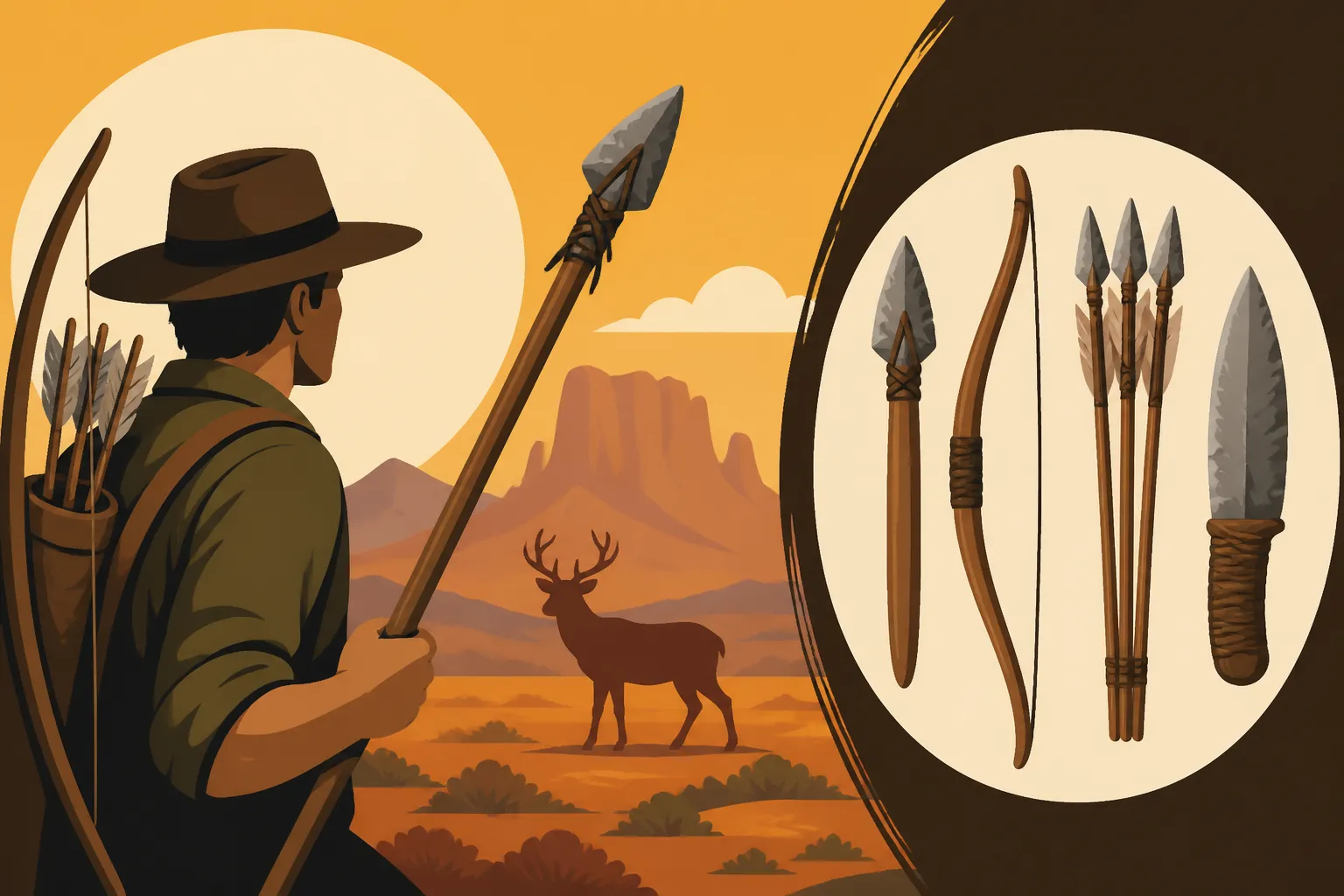
What Counts as a Primitive Weapon
The world of hunting regulations can feel like a labyrinth, especially when you start delving into the nuances of specific weapon types. For many of us, the phrase "primitive weapon" conjures images of frontiersmen with flintlocks, or bowhunters stalking game with a simple stick and string. But in New Mexico, understanding what truly counts as a primitive weapon under game and fish regulations is crucial, because getting it wrong can turn an exciting hunt into a costly mistake. This guide will meticulously break down the definitions, rules, and spirit behind primitive weapon hunts in the Land of Enchantment.
Defining "Primitive Weapon" in New Mexico's Hunting Regulations
The term "primitive weapon" isn't just about old technology; it's a legal classification that dictates specific seasons, units, and methods of take. New Mexico's Game and Fish Department uses this category to offer unique hunting opportunities that often emphasize a higher degree of skill, challenge, and traditional hunting values. It’s a way to provide distinct experiences for hunters who want to step away from modern advancements and embrace a more foundational approach.
The Core Philosophy Behind Primitive Weapons Hunts
At its heart, the primitive weapons designation in New Mexico is about embracing challenge and tradition. These hunts aren't just for those who happen to own a muzzleloader or a traditional bow; they're designed for hunters who seek a different kind of engagement with the landscape and the animals. The inherent limitations of primitive gear—slower loading times, shorter effective ranges, and the absence of magnifying optics for firearms—force hunters to become more proficient in their tracking, stalking, and woodsmanship skills. It’s a direct nod to the ancestral methods of hunting, where success depended entirely on intimate knowledge of the land and keen senses, rather than technological advantage.
For many, this isn't a restriction, but an enhancement of the hunting experience. It elevates the pursuit from a simple harvest to a deeply personal test of skill and patience. There’s a profound satisfaction that comes from successfully harvesting an animal with a weapon that demands so much more from the hunter. This philosophy shapes not only the rules but also the very ethos of those who participate in these special seasons.
General Characteristics of Primitive Weapons
When New Mexico's regulations refer to "primitive weapons," they're generally pointing to firearms and archery equipment that are intentionally limited in their design and capability compared to their modern counterparts. The key here is limitation. These weapons simplify the mechanics of the hunt, pushing the hunter to rely more on their abilities.
For firearms, this typically means muzzleloaders that are loaded from the front of the barrel, use loose powder and projectiles, and often have specific sight restrictions. For archery, while modern compound bows are often permitted in many archery-only seasons, the "primitive weapon" distinction might lean towards traditional recurves or longbows, or specific rules around how compound bows can be used, if at all, in designated primitive weapon seasons. The objective is to ensure that the weapon itself doesn't offer an overwhelming advantage, thereby preserving a more equitable challenge between hunter and hunted. Understanding these general characteristics is your first step toward ensuring you're legally equipped for a New Mexico primitive weapon hunt.
Muzzleloaders: The Quintessential Primitive Firearm
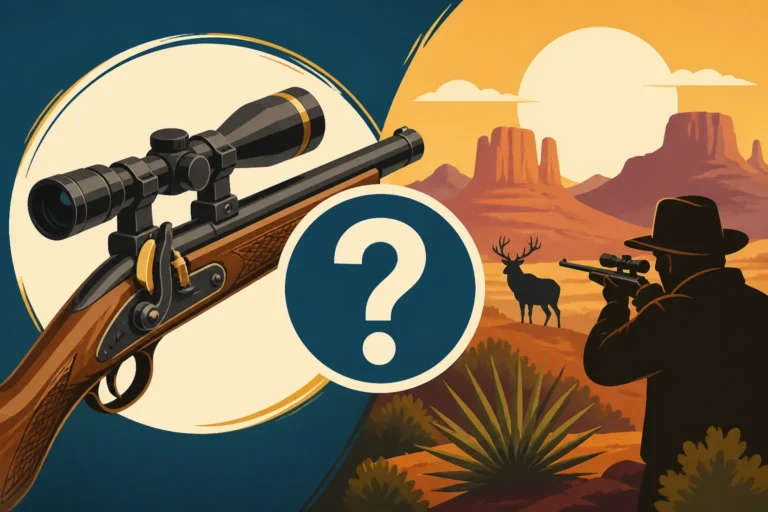
Muzzleloaders stand out as the primary "primitive firearm" recognized in New Mexico's hunting regulations. These aren't your grandpa's old cap-and-ball revolvers from the Civil War reenactments, necessarily, but they do hearken back to a simpler era of firearms. However, modern muzzleloaders have certainly advanced, blurring some lines, which is why New Mexico's rules are quite specific about what’s allowed in a primitive weapons hunt. It's not enough to just own a muzzleloader; you need to understand the nuances of its configuration.
Specific Muzzleloader Requirements for Big Game
When you're looking at a primitive muzzleloader hunt for big game in New Mexico, the regulations get very particular. First and foremost, you'll need to pay close attention to the minimum caliber requirements. For deer, for instance, you're generally looking at a minimum .40 caliber. When you step up to larger game like elk, the minimum jumps to a .50 caliber. This ensures that the projectile carries enough energy for an ethical harvest. It’s a critical detail that often catches hunters off guard, so always double-check the current rulebook.
Beyond caliber, the ignition system is key. New Mexico typically defines primitive muzzleloaders as those using flintlock, percussion cap (including 209 primers), or musket cap ignition systems. What's often not allowed are modern in-line muzzleloaders that use closed breech systems or anything that closely resembles modern cartridge rifle ballistics. The spirit of the primitive hunt is to stick to simpler, less efficient ignition.
Perhaps the most talked-about restriction, and one that causes a lot of confusion, revolves around optics. For New Mexico's designated primitive weapon seasons, magnified optics are generally not permitted on muzzleloaders. This means you're typically limited to open sights or receiver sights, without any form of magnification. This rule is a major contributor to the "primitive" challenge, forcing hunters to get closer and rely on their shooting fundamentals without the aid of a scope. Always consult the official regulations to confirm the exact specifications, as these can sometimes be adjusted. GoHunt, with its detailed state-by-state breakdowns, can be a great resource for quickly checking these requirements, but the official NMDGF rules are always the final word.
Accessories and Limitations on Muzzleloaders
The accessories and overall configuration of your muzzleloader are just as important as the weapon itself. When hunting primitive muzzleloader seasons in New Mexico, the emphasis is on a single-shot, front-loading firearm. This means no multiple barrels that can be rapidly fired, and certainly no magazine-fed systems. Each shot is a commitment, requiring a deliberate reloading process.
Regarding projectiles and propellants, you're generally restricted to black powder or approved black powder substitutes. Smokeless powder, which burns much hotter and generates higher pressures, is strictly prohibited. For projectiles, round balls and saboted bullets are typically allowed, as long as they meet the minimum caliber requirements. The key is that they must be loaded from the muzzle end. You'll always need to carry a ramrod for loading, and many hunters carry speed loaders or pre-measured charges to facilitate quicker (but still slow, by modern standards) reloading. These restrictions ensure that the hunt remains challenging and aligns with the primitive definition.
Archery Equipment: A Separate Primitive Category
While many people think of "primitive weapons" primarily in terms of muzzleloaders, archery equipment also falls under specific regulations for certain primitive or archery-only seasons in New Mexico. However, the term "primitive archery" can be a bit more nuanced here. New Mexico does have broad archery seasons, but when it comes to specific primitive weapon hunts that allow bows, the rules might tighten further. Most often, the general archery regulations apply unless explicitly stated otherwise for a primitive weapons hunt.
Bow Types and Draw Weight Requirements
For most big game archery seasons in New Mexico, both traditional bows (longbows and recurves) and modern compound bows are generally allowed. This is a common point of confusion because while a compound bow is technologically advanced, it's still an "archery" weapon. However, if a hunt is specifically designated as a "primitive weapon" hunt that includes archery, you might find additional restrictions on the type of bow, possibly limiting it to traditional bows without sights or releases. It’s crucial to check the specific hunt code details in the "Rules and Information Booklet" each year.
Regardless of the bow type, New Mexico has clear minimum draw weight requirements for big game. For species like deer and pronghorn, a minimum of 40 pounds of draw weight is usually required. For larger, tougher animals like elk, you'll need a minimum of 50 pounds of draw weight. These minimums ensure that the arrow has sufficient kinetic energy to achieve a clean, ethical harvest. It’s not just about being able to pull the bow back, but about ensuring enough power downrange. You can learn more about this by checking out Minimum Bow Draw Weight for Big Game.
Broadhead and Arrow Specifications
Once you’ve got your bow sorted, the next critical component for any archery hunt in New Mexico is your arrow and broadhead setup. Again, these regulations are in place for ethical hunting and to ensure a humane kill. For big game, arrows must be at least 24 inches long from the nock to the end of the broadhead. The total weight of your arrow is also important; while not always strictly regulated by minimums, heavier arrows tend to penetrate better, especially on larger animals.
When it comes to broadheads, New Mexico requires that they be a minimum of 7/8 inches wide at their widest cutting point. This applies to both fixed-blade and expandable broadheads. Fixed-blade broadheads are typically a straightforward choice, but many hunters opt for expandables. The big question often is, Are Expandable Broadheads Legal?, and the answer in New Mexico is generally "yes," provided they meet that 7/8-inch minimum cutting diameter when fully deployed. It’s vital to ensure your expandable broadheads are designed to open reliably and maintain that cutting width. Using a damaged or improperly designed broadhead can lead to a less-than-ethical shot, which is something every hunter wants to avoid. For more detailed insights, you can review Broadhead Requirements for Bowhunting.
Other Weapons Sometimes Confused with Primitive
The definition of "primitive weapon" is often misunderstood, leading hunters to believe that any older or less common weapon might qualify. However, New Mexico's regulations are quite precise. Just because a weapon isn't a modern centerfire rifle doesn't automatically grant it primitive status. There are specific technologies and design characteristics that either qualify or disqualify a weapon from being used in primitive seasons.
Crossbows: Modern Technology, Not Primitive
This is a common point of contention and confusion for many hunters. While crossbows launch an arrow, much like a traditional bow, New Mexico generally does not categorize them as "primitive weapons" for regular hunting seasons. In fact, for most archery-only seasons, crossbows are restricted. They are typically only allowed for hunters with a verified mobility-impaired or other physical disability permit issued by the New Mexico Department of Game and Fish.
The rationale behind this distinction lies in the mechanical advantages a crossbow offers. They typically allow for higher draw weights to be held indefinitely, possess scopes for precision aiming, and often have much greater effective range than traditional or even many compound bows. These features are seen as deviating from the spirit of the primitive weapon challenge. If you're wondering Are Crossbows Legal for Big Game? in general, the answer is complex and depends heavily on the specific season, your physical capabilities, and whether you possess a special permit. Always confirm the rules for your specific hunt.
Handguns and Shotguns in "Primitive" Contexts
When it comes to big game hunting in New Mexico, standard handguns and shotguns, while certainly not "high-tech" rifles, are also generally not considered primitive weapons. You won't find a primitive weapons season that allows for handgun hunting for elk or deer. Handguns are allowed in "any legal weapon" seasons, of course, provided they meet minimum caliber and energy requirements, but they don't fit the primitive definition.
Similarly, shotguns, even those chambered for slugs, are typically not included in primitive weapons seasons for big game. Shotguns have their place in New Mexico hunting, especially for small game, waterfowl, and turkey, but they operate on a different principle than a muzzleloader and don't align with the historical and challenge-based definition of a primitive firearm. The focus for primitive firearm seasons is almost exclusively on single-shot, muzzleloading rifles or pistols that adhere to the specific rules we've already discussed. Trying to use a shotgun or handgun in a primitive weapons big game season would undoubtedly lead to a citation and potential loss of hunting privileges.
Why These Rules Matter: The Spirit of the Hunt
Understanding what constitutes a primitive weapon in New Mexico isn't just about avoiding legal trouble; it's about respecting the very foundation of these unique hunting opportunities. The regulations are carefully crafted to preserve a particular style of hunting, one that emphasizes skill, patience, and a deeper connection to the hunting heritage. These hunts aren't simply easier-to-draw tags; they represent a commitment to a different experience.
Fair Chase and Ethical Considerations
The strict definitions for primitive weapons are deeply intertwined with the concept of fair chase. Fair chase is about giving the animal a reasonable opportunity to escape, and the limitations inherent in primitive weapons contribute significantly to this balance. A muzzleloader's single-shot capability and lack of magnification, or a traditional bow's shorter effective range, demand that the hunter exercise superior woodsmanship to close the distance. This means becoming a better tracker, a more patient stalker, and more adept at reading wind and terrain.
By requiring these additional skills, the regulations ensure that the harvest is earned through a greater investment of effort and knowledge. It promotes an ethical pursuit where the hunter respects the animal's senses and instincts, rather than relying on overwhelming technological advantage. This validation of the hunter's skill provides a profound sense of accomplishment that is central to the appeal of primitive weapon seasons.
Unit Specifics and Application Strategy
New Mexico’s primitive weapon hunts often take place in specific game management units, some of which are renowned for their quality and challenging terrain. A prime example is Unit 15, which is famously designated as a primitive weapons unit. If you've ever considered hunting this coveted area, knowing Why Unit 15 Is a Primitive Weapons Unit is essential. These designations are intentional, designed to manage hunting pressure and provide unique opportunities in certain areas.
When planning your hunt, it's absolutely critical to understand the hunt code for the unit and season you're applying for. Every detail, from the species to the weapon type, is encoded in these numbers and letters. Neglecting to learn Reading a New Mexico Hunt Code Before You Apply can lead to applying for the wrong season or showing up with illegal equipment. Resources like GoHunt can help you sift through draw odds and unit characteristics, but always cross-reference with the official NMDGF rules. The unit's specific regulations will dictate not only what you can hunt, but how you can hunt it, making your weapon choice paramount.
Navigating the Regulations and Planning Your Hunt
The journey to a successful primitive weapon hunt in New Mexico begins long before you set foot in the field. It starts with a thorough understanding of the regulations and meticulous preparation. These hunts demand a higher level of dedication and attention to detail, but the rewards are often commensurate with the effort.
Interpreting the New Mexico Rules and Information Booklet
I cannot stress this enough: the official New Mexico Hunting Rules and Information Booklet is your bible. Every year, before you even think about applying for a tag or heading into the field, you must read the current year’s regulations cover to cover. While guides like this one and platforms like GoHunt provide valuable summaries and insights, they are no substitute for the official document. The rules can, and sometimes do, change from year to year.
It’s easy to misunderstand a nuance or overlook a small detail that could have significant consequences. For example, a rule that defines a primitive muzzleloader might seem straightforward, but a single sentence about permissible ignitions or optics can completely change what you thought was legal. Pay particular attention to the "Methods of Take" section and any unit-specific regulations listed under your chosen hunt code. Taking the time to truly digest Reading the New Mexico Rules and Info Booklet will save you immense headaches and ensure you're hunting legally and ethically.
Essential Gear and Preparation for Primitive Hunts
Primitive weapon hunts demand a different kind of preparation than a modern rifle hunt. The limitations of your weapon mean you need to be even more proficient in your physical conditioning, navigation skills, and overall fieldcraft. If you're heading into the high country, preparing physically for a high elevation hunt is paramount, as you'll likely be doing a lot more walking, stalking, and packing out an animal with less margin for error. Consider what it means to be Hunting New Mexico From 4,000 Feet to 10,000 feet, and how that impacts your breathing and endurance.
Your gear list will also reflect the unique challenges. For muzzleloader hunters, this means having a reliable cleaning kit for the field, extra percussion caps or flints, and a weatherproof system for your powder and projectiles. For archers, extra arrows, a sharpener for your broadheads, and perhaps string wax become even more critical. Practice, practice, practice with your chosen primitive weapon is not just a suggestion; it's a requirement for ethical hunting. You need to be intimately familiar with its capabilities and limitations, and confident in your ability to make a clean shot at various ranges. This dedication to preparation is what truly defines a successful primitive weapon hunter.
Primitive Weapon Regulations at a Glance
To help consolidate some of the key information, here’s a quick overview of what typically counts (and doesn't count) as a primitive weapon for big game in New Mexico. Remember, these are general guidelines, and you must always consult the current NMDGF regulations for your specific hunt code.
| Weapon Type | Typically Allowed in Primitive Seasons (Big Game) | Key Requirements/Restrictions |
|---|---|---|
| Muzzleloader | Yes | Front-loading, single-shot, .40 cal min. for deer, .50 cal min. for elk. Open sights ONLY (no magnification). Black powder/approved substitutes. |
| Traditional Bow | Yes (in Archery/Primitive Archery seasons) | Longbows & Recurves. 40 lb min. draw for deer/pronghorn, 50 lb min. for elk. Broadheads min. 7/8" cutting diameter. |
| Compound Bow | Yes (in Archery seasons, usually NOT Primitive Firearm) | Generally allowed in Archery-only seasons. 40 lb min. draw for deer/pronghorn, 50 lb min. for elk. Broadheads min. 7/8" cutting diameter. Not typically considered a "primitive firearm". |
| Crossbow | No (unless disability permit) | Generally NOT allowed for big game, unless the hunter possesses a valid mobility-impaired or disability permit. Considered modern archery equipment. |
| Handgun | No | Not considered a primitive weapon. Allowed in "Any Legal Weapon" seasons if minimum caliber met. |
| Shotgun | No | Not considered a primitive weapon for big game. Allowed in "Any Legal Weapon" seasons (with slugs) if minimum gauge met. |
This table provides a quick reference, but the details in the NMDGF rulebook are extensive and absolute.
Disclaimer
Please remember that hunting regulations can change. The information provided here is for general guidance and educational purposes only. It is the individual hunter's responsibility to review and understand the most current New Mexico Department of Game and Fish hunting regulations and proclamations for the current season before engaging in any hunting activities. Always prioritize safety, ethical hunting practices, and legal compliance.