How an Oryx Hunt Actually Runs
Drawing a coveted New Mexico oryx tag is a monumental achievement for many hunters, often preceded by years of applications and anticipation. But once that golden ticket arrives, a common feeling of uncertainty sets in: "Okay, I got the tag… now what?" Hunting these majestic, desert-dwelling animals isn't like your typical whitetail or elk hunt, and it presents a unique set of challenges that can leave even seasoned hunters scratching their heads. This comprehensive guide is here to pull back the curtain, detailing precisely how an oryx hunt actually runs in New Mexico, from the crucial preparation steps to the exhilarating moments of a successful harvest and beyond.
Understanding the Unique Oryx Hunt Experience in New Mexico
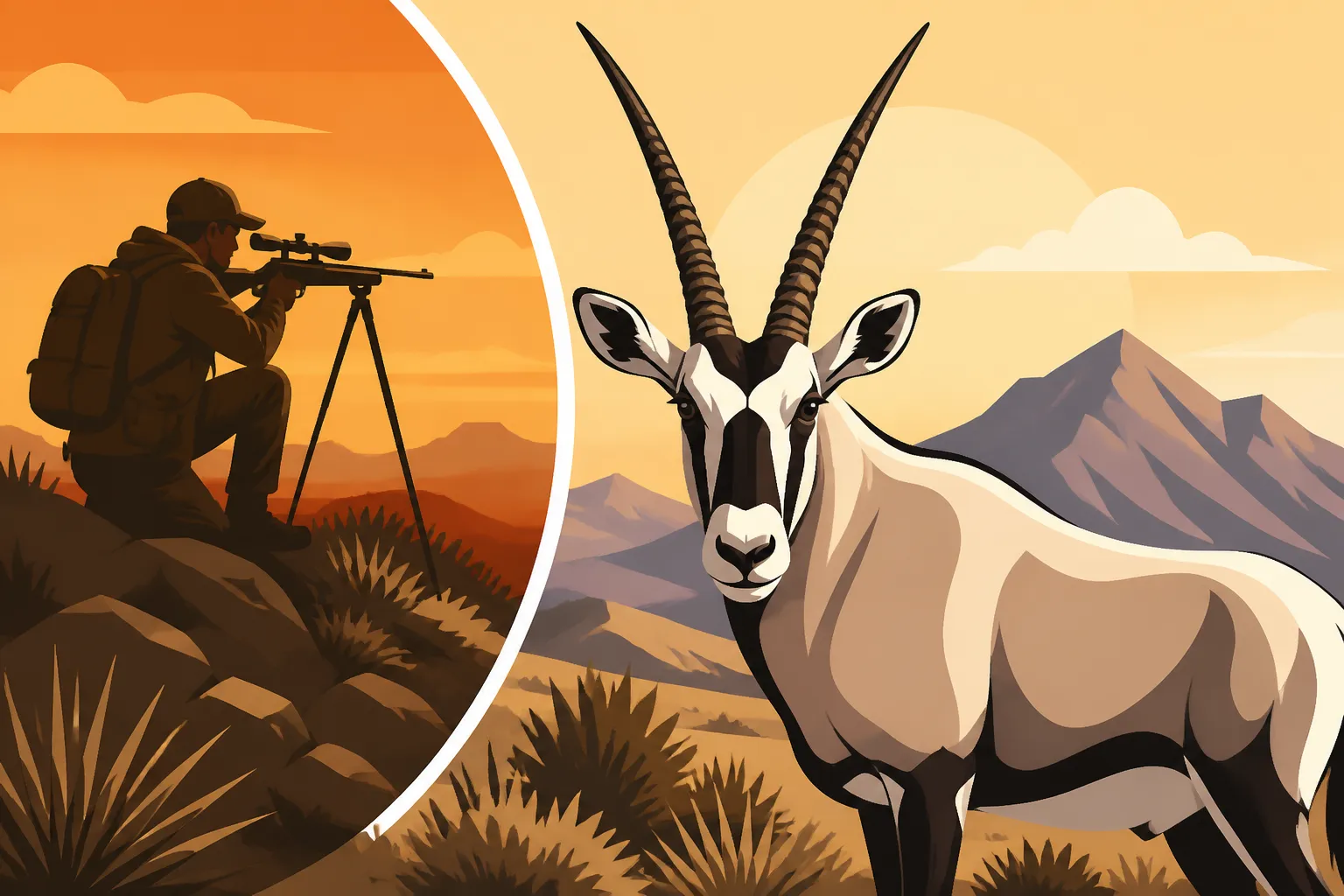
Oryx, or Gemsbok, are magnificent African antelope transplanted to the New Mexico desert, creating a truly exotic hunting opportunity right here in the Southwest. Their ability to thrive in harsh, arid environments, coupled with their incredible toughness and keen senses, makes them a formidable quarry. Most of these hunts take place on the expansive and often challenging terrain of the White Sands Missile Range (WSMR), an active military installation that adds several layers of complexity and strict rules to the hunting experience.
The Draw and Tag Allocation Process
Getting an oryx tag in New Mexico is, without a doubt, a game of chance. Unlike some states, New Mexico doesn't operate on a preference point system, meaning every applicant, new or old, theoretically has an equal shot each year. This makes the draw incredibly competitive, especially for the desirable on-range White Sands hunts. Many hunters spend years trying to draw this tag, often applying for the "once-in-a-lifetime" tags available specifically for the White Sands Missile Range. These hunts are designed to offer a unique experience and often come with specific stipulations.
Beyond the iconic White Sands hunts, New Mexico also offers a limited number of "off-range" opportunities. These hunts take place on various public lands outside the missile range, typically where oryx herds have expanded their territories. While still challenging to draw, these tags can offer a different kind of hunting experience, often with less stringent access rules than WSMR. You can dive deeper into the statistics to understand your odds by checking out New Mexico Oryx Draw Odds. It’s fascinating to learn How Oryx Were Introduced to New Mexico and how they've adapted so successfully.
Hunt Structure and Timing
The structure of an oryx hunt, particularly on White Sands, is distinct. Most of these hunts are tightly scheduled, usually lasting only three days. This compressed timeline can be a source of stress for first-time hunters, as it puts immense pressure to locate and successfully stalk an animal quickly. The short duration is directly tied to the primary function of the White Sands Missile Range: military operations. These hunts are carefully scheduled around training exercises and other essential activities, meaning your access is strictly controlled.
It's not uncommon for these hunts to have specific start and end times each day, and hunters must check in and out daily at designated gates. You can find detailed information on When White Sands Oryx Hunts Are Scheduled, which will give you a clearer picture of the seasonal windows. This controlled environment ensures safety for both hunters and military personnel, but it also means hunters need to be incredibly efficient with their time in the field. Understanding Why a New Mexico Oryx Season Lasts Three Days really helps put the pressure and unique nature of these hunts into perspective. Remember, these aren't leisurely backcountry excursions; they are focused, intense hunting experiences.
Pre-Hunt Preparation: More Than Just Sighting In
Successfully hunting an oryx requires a level of preparation that goes beyond simply sighting in your rifle and packing a backpack. The unique environment of New Mexico's desert, coupled with the formidable nature of the animal itself, demands meticulous planning. This isn't a hunt where you can just show up and expect to succeed; it requires physical, mental, and specialized gear preparation.
Physical Conditioning and Heat Management
The New Mexico desert is no joke, and hunting oryx often means covering vast distances on foot under a relentless sun. Oryx frequently utilize open country, and reaching them can involve long walks over uneven, rocky, and sandy terrain. Good physical conditioning is paramount. You’ll be hiking, climbing, and potentially packing out a heavy animal in conditions that can easily lead to dehydration and heat exhaustion. Even if your hunt isn't in the absolute peak of summer, New Mexico's desert can be surprisingly warm, especially mid-day.
One of the biggest challenges is simply staying hydrated. You'll need to carry significantly more water than you might think for a typical day hunt. Having a hydration pack and extra water bottles is non-negotiable. Plan for at least a gallon per person per day, maybe more if you're pushing hard. Seriously, don't underestimate Water You Must Carry on a Desert Day Hunt; it could literally save your life. Heat management also extends to your clothing choices: lightweight, breathable, moisture-wicking fabrics are your best friend.
Essential Gear for Desert Conditions
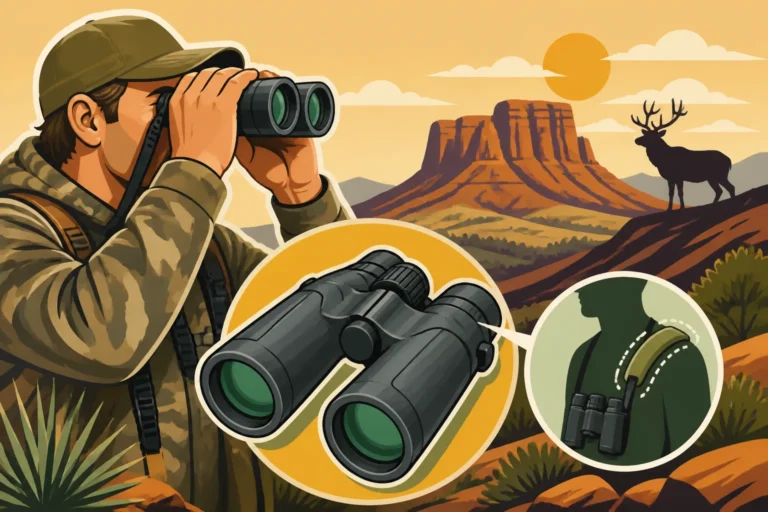
Your gear choices can make or break an oryx hunt. Given the open nature of the terrain, high-quality optics are not just recommended, they are absolutely essential. A good pair of binoculars (10×42 or 12×50) for general glassing, combined with a powerful spotting scope (20-60x or 25-75x) on a sturdy tripod, will be your primary tools for locating these wary animals. Oryx blend surprisingly well into the desert landscape, and their keen eyesight means you'll often be spotting them from a mile or more away. Consider Spotting Scope Power for Open Country to match your needs.
Footwear is another critical component. Sturdy, broken-in hiking boots with good ankle support are a must for navigating rocky terrain and long walks. Gaiters can also be helpful to keep sand and stickers out of your boots. For your rifle, an accurate, flat-shooting caliber is advisable. Oryx are incredibly tough animals with thick hides and dense bone structure. Many hunters opt for cartridges like the .300 Win Mag, 7mm Rem Mag, or even .338 Win Mag to ensure enough knockdown power. A bipod or shooting sticks are also critical for steadying your shot in the often-treeless, windy conditions. Don't forget high-quality sun protection, including a wide-brimmed hat, sunglasses, and sunscreen.
Scouting and E-Scouting Challenges
Traditional pre-season scouting, where you drive or hike a unit repeatedly, is often impossible for White Sands hunts due to the restricted access of an active military range. This means your scouting efforts will rely heavily on modern technology: e-scouting. Utilizing tools like GoHunt or onX Hunt maps becomes indispensable. These platforms allow you to analyze satellite imagery, topo maps, and land ownership data to identify potential oryx habitat. Look for key features like water sources (tanks, washes), travel corridors, and any broken terrain or small hills that might offer bedding areas or cover for stalking.
While you can't put boots on the ground ahead of time, a thorough e-scouting session can give you a significant advantage. Mark waypoints for promising areas, potential glassing knobs, and escape routes. Understanding E-Scouting a New Mexico Unit Before the Season is a critical skill for this type of hunt. Pay close attention to historical weather patterns and understand how water sources might change based on recent rainfall. This virtual reconnaissance will be the closest you get to scouting, so make it count.
On the Ground: Tactics and Execution
Once you've made it through the checkpoints and into your designated hunting area, the real work begins. Hunting oryx on the vast, open landscapes of New Mexico demands patience, precise execution, and a deep respect for the animal's incredible resilience.
The Spot and Stalk Game
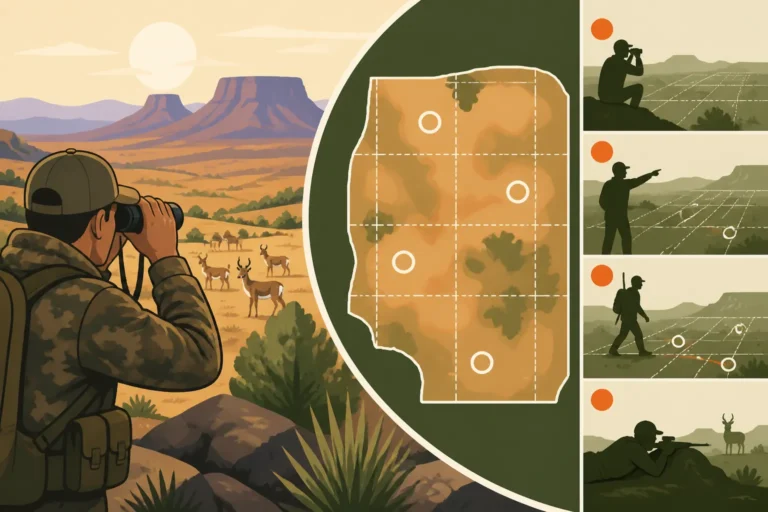
Oryx hunting is fundamentally a spot-and-stalk endeavor. There's no sitting in a treestand or ambushing them at a waterhole (though monitoring water sources can be part of the spot). You'll spend the majority of your time behind your binoculars and spotting scope, meticulously grid-glassing the immense desert landscape for the distinctive white and black bodies, long horns, or even just the shadow of an oryx. Their camouflage is surprisingly effective, especially when they are bedded down or among sparse brush.
Once an oryx or a herd is spotted, the stalk begins. This is where patience and terrain knowledge truly shine. Oryx have phenomenal eyesight, so staying out of sight is crucial. You'll need to utilize every fold in the terrain, every rise, every sparse bush to close the distance. Wind direction is another critical factor; always try to approach with the wind in your favor. It's often a slow, methodical crawl, taking advantage of shadows and minimizing movement. The concepts involved are similar to how you might approach How Far to Stalk a Bedded Mule Deer, just on a much larger, more open scale. Be prepared for long stalks that might take hours and cover significant ground, often ending with the animal disappearing or you being spotted. It’s a game of chess in the desert.
Shot Placement and Animal Recovery
When you finally get into shooting range, typically 200-400 yards in the open country, shot placement is absolutely critical. As mentioned, oryx are notoriously tough animals. Their vitals are situated a bit further forward and lower than many North American big game species, protected by a dense, muscular shoulder. A broadside shot aiming for the shoulder pocket, targeting the heart and lungs, is generally recommended. Head-on shots should be avoided due to the thick skull and potential for deflections. Be prepared for follow-up shots; don't assume a hit means the animal will go down quickly.
Once the animal is down, the race against the desert heat begins. Oryx are large, heavy animals, and getting them field-dressed and cooled can be a significant undertaking. Tracking can also be challenging in the often rocky or sandy terrain, so make sure you mark the last spot you saw the animal clearly. New Mexico has strict The Meat Salvage Requirements for Big Game, meaning you are legally obligated to retrieve all edible meat. This is particularly challenging in the desert, where meat can spoil quickly. Understanding the specifics of Field Dressing in Desert Heat is crucial for ensuring your hard-earned meat is salvaged properly.
Navigating Military Range Rules and Safety
Hunting on the White Sands Missile Range comes with a strict set of rules and protocols that must be followed without exception. Prior to your hunt, you will likely attend a mandatory safety briefing where you'll learn about specific regulations, designated hunting zones, and emergency procedures. Expect checkpoints, strict hours of operation, and possibly escort requirements in certain areas. You’ll be issued a specific map, and you must stay within your assigned zone. Violating any of these rules can result in immediate expulsion from the range and potential fines or loss of hunting privileges.
One of the most significant factors on WSMR hunts is the potential for military operations to impact or even shorten your hunt. While the hunt dates are carefully planned, unforeseen events can occur. It’s a real concern for hunters, and the New Mexico Department of Game and Fish, in conjunction with WSMR, has procedures in place for these rare occurrences. You should always be aware of What Happens If Military Operations Shorten Your Hunt and understand that flexibility is key when hunting on an active military installation. Safety is always the top priority for both the military and the hunters.
Post-Harvest: Processing and Preservation
Congratulations! You've successfully harvested a New Mexico oryx. But the work isn't over. In fact, due to the desert environment, the post-harvest care of your animal is arguably as critical as the hunt itself. Proper field dressing, cooling, and transportation are essential to ensure the quality of your hard-earned meat and trophy.
Field Care in the Desert Heat
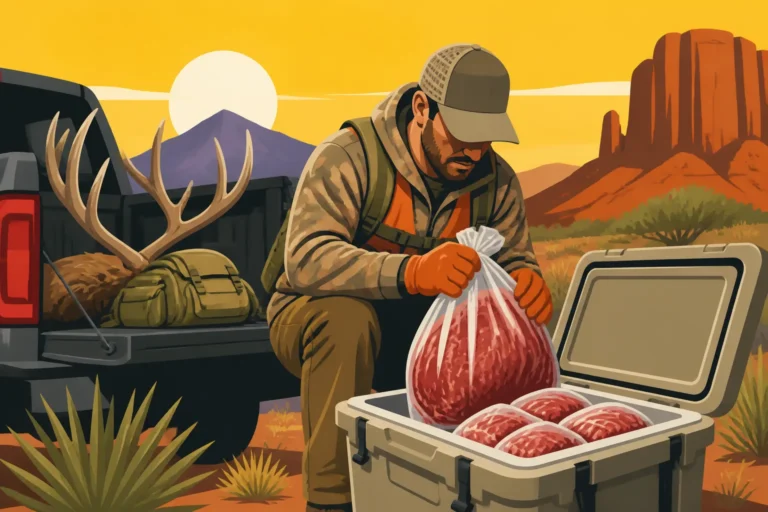
The immediate aftermath of a successful oryx hunt in the desert means one thing: heat. Even in cooler months, the open sun can quickly raise the core temperature of a downed animal, leading to rapid meat spoilage. The priority is to field dress the animal immediately and get the hide off to allow the carcass to cool as quickly as possible. Quartering the animal is almost always necessary due to its size and weight, making it manageable for transport and further cooling.
You'll need a good supply of ice and large coolers, even if you plan to take it to a processor. Pack game bags to protect the meat from flies, dirt, and debris during transport from the field. Getting the meat out of direct sunlight and into a shaded, cooler environment, perhaps with ice packs in direct contact, is vital. This immediate and thorough cooling is paramount for Getting Meat Cooled on an Early Season Hunt and ensuring the meat doesn't go bad. Don't skimp on ice; bring more than you think you'll need.
Trophy Care and Regulations
Beyond the meat, the impressive horns of an oryx are a prized trophy. If you plan to have your animal mounted, proper care of the cape and skull in the field is essential. This includes skinning carefully to preserve the cape, and if possible, getting the skull cap removed for proper drying. Many hunters will simply skin and quarter the animal, then take the entire hide and head to a taxidermist for professional caping.
New Mexico also has specific regulations regarding evidence of sex requirements for big game animals, and oryx are no exception. You must ensure that natural evidence of the animal's sex remains attached to the carcass, typically a portion of the reproductive organs. This allows game wardens to verify the legality of your harvest. Make sure you understand Evidence of Sex Requirements on a Carcass before you start field dressing. Finally, you will have a mandatory reporting requirement after harvesting an oryx. This usually involves reporting your harvest online or by phone within a specific timeframe. Failing to comply can result in penalties. Always be diligent about Mandatory Reporting After a New Mexico Harvest to stay on the right side of the law.
Here's a quick comparison of what you might expect from on-range (WSMR) versus off-range oryx hunts:
| Feature | On-Range (White Sands Missile Range) Hunt | Off-Range Hunt |
|---|---|---|
| Access | Highly restricted, daily check-ins, specific zones, military escort possible | More open public land access (BLM, National Forest), but can include private land |
| Duration | Typically 3 days | Often longer, matching standard season lengths (e.g., 5-7 days) |
| Scouting | Mostly e-scouting (GoHunt, OnX), no pre-hunt boots on ground | Traditional pre-hunt scouting possible, boots on ground |
| Pressure | Concentrated hunters in specific zones, but generally fewer tags | Wider distribution of hunters, can vary by unit |
| Regulations | Strict military protocols in addition to state hunting laws | Primarily state hunting laws |
| Experience | Unique, once-in-a-lifetime feel, higher potential for large herds | More traditional spot-and-stalk, potential for smaller groups |
| Cancellation | Risk of military operations shortening or canceling hunt | Low risk of cancellation once tag is issued |
Disclaimer
The information provided in this article is for general guidance only and should not be considered legal advice. Hunting regulations in New Mexico are subject to change. Always consult the most current New Mexico Department of Game and Fish rules and regulations booklet before planning and executing any hunt. It is the hunter's responsibility to know and abide by all applicable laws.