Where to Find Scaled Quail in New Mexico
There's nothing quite like the thrill of chasing scaled quail, often called "cotton tops" or "blue quail," across the rugged, sun-drenched landscapes of New Mexico. But for many hunters, especially those new to the state or this particular species, finding these elusive birds can feel like searching for a needle in a vast, thorny haystack. This guide aims to demystify where and how to locate scaled quail, offering practical advice and insight into their preferred habitats in the Land of Enchantment.
Understanding Scaled Quail Habitat in New Mexico
Scaled quail aren't just found anywhere in New Mexico. They have very specific tastes when it comes to their home turf, and understanding these preferences is the first step to consistently finding birds. Forget dense timber or lush riparian zones; these little rockets thrive in environments that would make many other birds pack their bags.
The Preference for Arid Grasslands and Chihuahuan Desert Edges
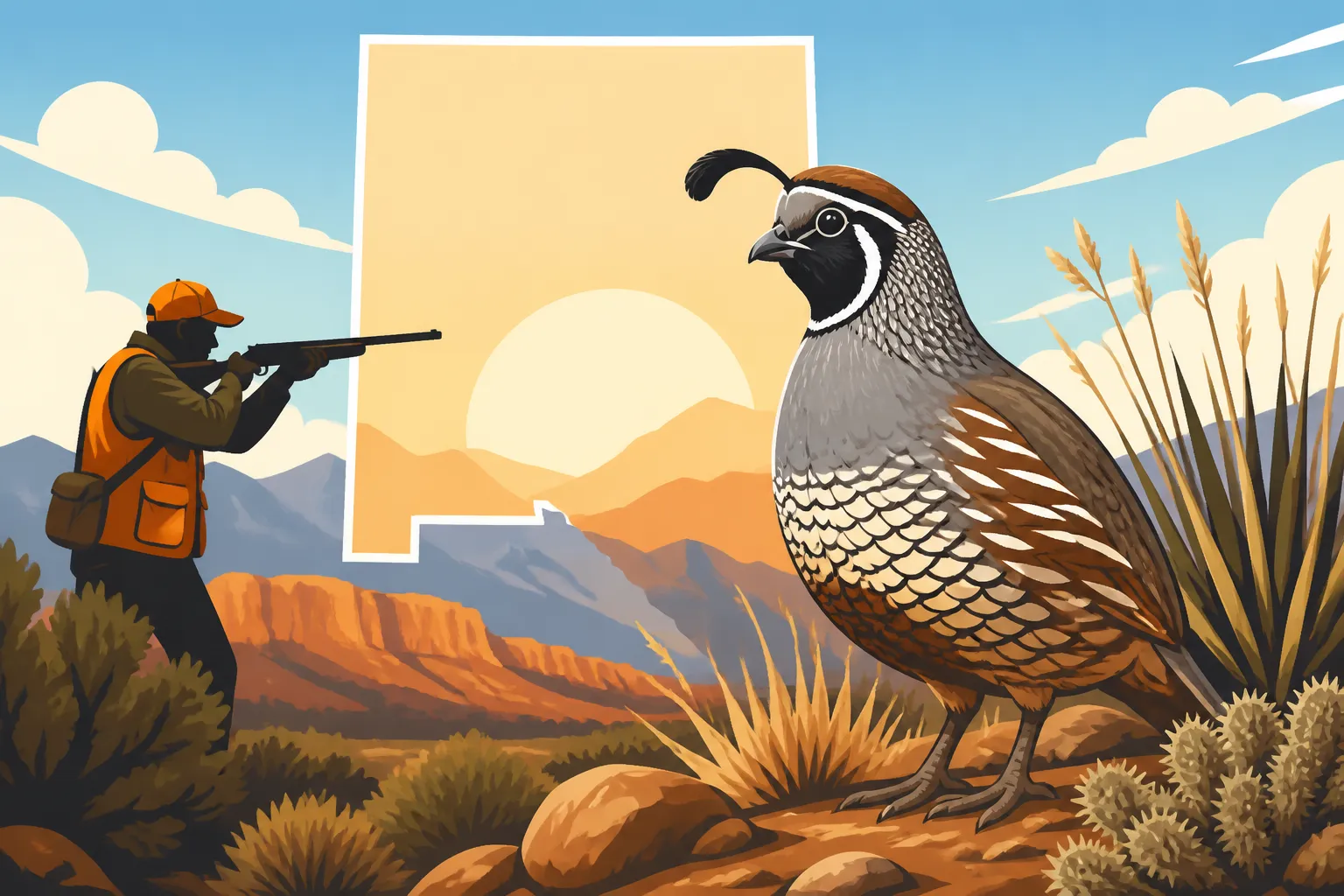
Scaled quail are true denizens of the dry, open country. Their favored haunts are typically arid grasslands, often interspersed with a healthy dose of cholla cactus, mesquite, and other thorny scrub. Think vast, rolling plains that stretch to the horizon, dotted with patchy vegetation and the occasional rocky outcrop. They gravitate towards areas where the grass isn't too tall to run through, but still offers enough cover to disappear from a predator's view. These birds are runners first, flyers second, and their habitat reflects that need for open escape routes combined with low-lying concealment.
Many of these prime areas are found along the edges of the Chihuahuan Desert, where the harsh desert gives way to slightly more hospitable, yet still very dry, rangeland. They are incredibly resilient and have adapted perfectly to environments that receive minimal rainfall. You won't find them in the higher elevations or the thick, dense forests of northern New Mexico; instead, focus your efforts on the vast, lower-elevation expanses where the sun beats down and water sources are often scarce.
Key Vegetation Types That Hold Scaled Quail
When you're out scouting, or even just looking at satellite imagery using tools like GoHunt, certain types of vegetation should immediately catch your eye as potential scaled quail hotbeds. These birds are masters of camouflage, blending seamlessly into their surroundings, so knowing what "good" cover looks like is paramount.
Look for areas with a mix of short, tough grasses, such as grama grass, and scattered brush. Mesquite, creosote bush, and cholla cactus are particularly important. The mesquite and creosote offer overhead cover from aerial predators and a bit of shade during the hotter parts of the day, while the cholla provides excellent, impenetrable protection from ground predators. A covey of scaled quail can vanish into a cholla patch with astonishing speed, making it nearly impossible for a dog, or even a determined hunter, to follow. Hunting the Chihuahuan Desert Units will give you a better sense of the overall environment these birds inhabit.
Another critical habitat component, often overlooked, is the presence of rocky washes, arroyos, and small, eroded canyons. These features provide natural travel corridors, dusting areas, and protection from the wind. They also frequently host a slightly different mix of vegetation, sometimes a bit denser, offering another layer of cover. Always keep an eye out for these topographical breaks in the landscape, as they can be natural gathering points for quail.
Prime Regions and Units for Scaled Quail in New Mexico
New Mexico is a big state, and while scaled quail are relatively widespread in certain areas, some regions offer significantly better hunting opportunities than others. Knowing where to concentrate your search can save you countless hours and miles.
Eastern Plains and Southeastern New Mexico Strongholds
When most seasoned New Mexico quail hunters think of scaled quail, their minds immediately turn to the expansive eastern plains and the southeastern quadrant of the state. These regions, particularly units that border Texas, are often considered the best bets for consistent scaled quail action. The landscape here is characterized by vast private ranches and significant tracts of public land managed by the Bureau of Land Management (BLM), perfect for these birds. Access Across the Eastern Plains will highlight some of the challenges and opportunities in this region.
Counties like Lea, Eddy, Chavez, Roosevelt, and Curry are historically strong. These areas boast the perfect blend of arid grasslands, mesquite flats, and scattered cholla. The flat or gently rolling terrain makes for relatively easy walking, though the sheer distances can be daunting. The hunting pressure can vary, but with enough public access, there's always room to roam. The key here is finding areas that haven't been heavily grazed or disturbed, as healthy grass is crucial for both cover and insect forage.
One of the beautiful things about these areas is the sheer scale. You can spend days covering ground without seeing another hunter, truly feeling like you have the vast landscape to yourself. It's a different kind of hunt than the mountains, requiring a different mindset and a lot of legwork, but the reward of a busting covey of scaled quail is second to none.
Southern and Central New Mexico's Desert Rangelands
Beyond the eastern plains, scaled quail can also be found in good numbers across much of southern and central New Mexico, particularly in the desert rangelands. Units in counties such as Dona Ana, Sierra, Otero, and Socorro offer viable opportunities, though the habitat can be more broken and mountainous in places compared to the flatter eastern plains.
Here, you'll often find scaled quail clinging to the foothills of mountain ranges, utilizing the desert scrub and rocky slopes that drain into the broader valleys. The habitat is similar in vegetation, with creosote, mesquite, and cholla dominating, but it's frequently interspersed with more rocky terrain and less continuous grass. Public land in these areas is often a mix of BLM ground and State Trust Land, requiring careful attention to Reading a Land Ownership Layer Correctly and understanding access rules. Utilizing mapping applications can be invaluable for differentiating between public and private ground, ensuring you stay on the right side of the law. You can use platforms like GoHunt to visualize these different land types.
While perhaps not as consistently prolific as the eastern plains, these southern and central regions can still offer fantastic scaled quail hunting, especially for those willing to scout thoroughly and cover varied terrain. Water sources, even seasonal ones, tend to be magnets for birds in these drier zones, so keep an eye out for stock tanks or washes with signs of moisture. Water Sources That Concentrate Desert Game are often key to finding birds.
Tips for Locating Scaled Quail in the Field
Finding scaled quail isn't always easy, even in prime habitat. These birds are notoriously wary and can be frustratingly good at avoiding detection. However, with a few key strategies, you can significantly increase your chances of success.
Listening for Calls and Identifying Covey Roosts
One of the most effective ways to locate scaled quail is by listening. Scaled quail are quite vocal, especially in the early morning and late afternoon when they are moving between roosting areas and feeding grounds. Their distinctive "chip-chip-churr" or "peep" calls are a dead giveaway. Take time to stop, stand still, and listen carefully. Often, you'll hear them long before you see them. If you hear calls, slowly work your way towards the sound, paying close attention to any movement.
Covey roosts are another critical piece of the puzzle. Scaled quail, like other quail species, roost together on the ground. However, unlike Gambel's quail that often roost in trees, scaled quail prefer dense ground cover. They'll scratch out small depressions under thick mesquite, creosote, or even large cholla clumps. Look for droppings, feathers, and distinct tracks around these dense cover areas, especially on slightly elevated ground that offers a good vantage point. Finding a fresh roost site can tell you exactly where a covey spent the night and where they'll likely be foraging at dawn.
Knowing When New Mexico Quail Season Opens and New Mexico Quail Bag Limits by Species is vital before heading out, as regulations dictate when you can be in the field and how many birds you can take. Early morning is almost always your best bet for hearing and finding active birds before they settle down for the day.
Utilizing Dogs and Strategic Walking Paths
While it's certainly possible to hunt scaled quail without a dog, a good bird dog dramatically improves your chances. A well-trained pointing or flushing dog can cover far more ground, locate scent trails you'd never see, and help pin down birds that would otherwise run away unseen. Scaled quail love to run, and a dog can often get ahead of them, forcing them to hold for a flush or at least slow down long enough for you to catch up. For hunters unfamiliar with a unit, an electronic mapping system like GoHunt on your phone or GPS can show you the location of your dog, preventing lost time and increasing efficiency.
When walking, don't just wander aimlessly. Develop a strategic walking path that covers different types of cover. Start by walking the edges of open areas where birds might be feeding, then work into denser cover where they'll retreat. Focus on the transition zones between different vegetation types – for example, where a grassy plain meets a mesquite flat, or where a wash cuts through open rangeland. These "edge habitats" are often productive. Consider sweeping zig-zag patterns across a basin or along a ridge, similar to strategies used for Grid Glassing a Basin Without Missing Bucks, but applied to foot travel.
It's important to be patient and persistent. Scaled quail can be frustratingly quiet and elusive, often running far ahead of you before flushing out of range. Don't be afraid to circle back to areas you've covered, as birds can sometimes move into a spot you've already walked through. Pay attention to the wind, as scenting conditions for your dog will be better with a breeze in your face.
| Habitat Feature | Scaled Quail Preference | Why It's Important |
|---|---|---|
| Arid Grasslands | Short to medium height, tough, clump-forming grasses | Running cover, insect forage, camoflage |
| Mesquite/Creosote Flats | Scattered, dense shrubs, often 3-6 feet tall | Overhead cover from predators, shade, escape routes |
| Cholla Cactus Patches | Dense, thorny thickets of various cholla species | Impenetrable ground cover, safe haven from predators |
| Rocky Washes/Arroyos | Eroded gullies with slightly different vegetation, rocks | Travel corridors, dusting areas, windbreaks, enhanced cover |
| Water Sources | Stock tanks, guzzlers, seeps (even if seasonal) | Essential for hydration in dry climates, concentration points for birds |
| Open Ground | Areas for running and dusting | Part of their escape strategy, also where they'll feed on seeds/insects |
Always remember that scaled quail are truly a unique challenge, and success often comes down to covering ground, paying close attention to subtle signs, and understanding their preference for specific, often harsh, desert habitats.
Disclaimer
This article is for general informational purposes only and does not constitute professional advice. Laws, prices and regulations vary by location and change over time. Consult a qualified professional for guidance on your specific situation.