When New Mexico Quail Season Opens
There's nothing quite like the crisp air of a New Mexico fall morning, the hopeful whir of a covey flush, and the satisfying thud of a bird dog on point. But before you can experience that magic, you’re probably staring at a screen, squinting at complex charts, trying to figure out when exactly you can hit the field. It’s a common frustration, navigating the regulations to pin down the elusive opening day for quail. This guide will help you understand the typical timing for New Mexico's quail seasons and equip you with the knowledge to find the precise dates you need.
Understanding New Mexico's Quail Seasons: It's Not Just One Date
Hunting quail in New Mexico isn't a "one size fits all" affair when it comes to season dates. Unlike some other states or species, our quail seasons, while often consolidated, can have subtle differences or specific nuances depending on the bird you're chasing. It’s not just a single, state-wide opener that you can mark on your calendar and forget about. This reality means you have to be a bit more diligent, but it also opens up opportunities to target different species throughout the season.
Different Quail, Different Openers Sometimes
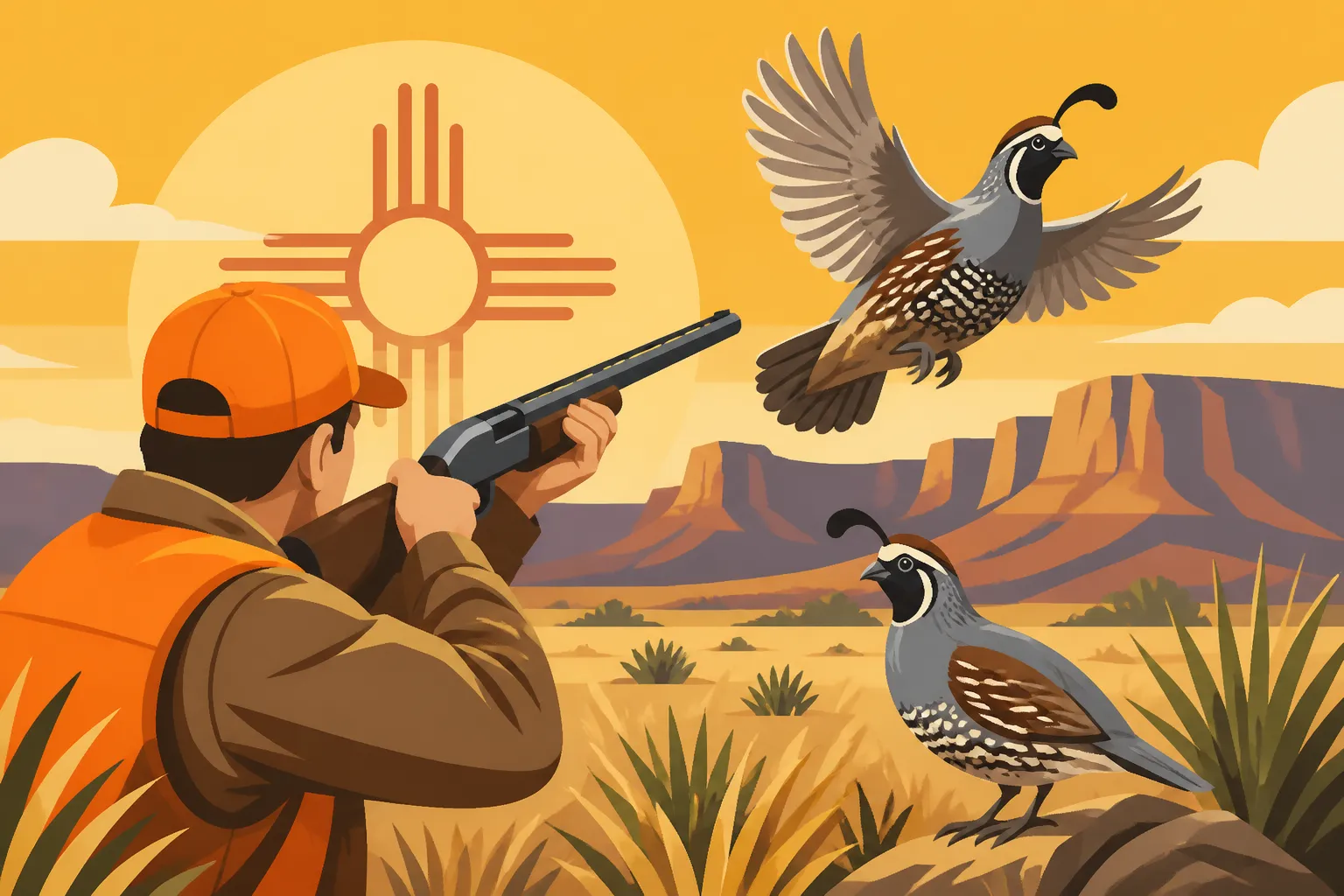
New Mexico is a treasure trove for upland bird hunters, home to several distinct species of quail, each with its own characteristics and preferred habitats. You'll find Scaled Quail, often called "cotton tops," robust and fast-running birds of the desert grasslands. Then there are Gambel's Quail, with their distinctive topknots, typically found in the washes and riparian areas of the southern deserts. And, on the eastern plains, you might even encounter the more elusive Bobwhite Quail.
While the New Mexico Department of Game and Fish (NMDGF) often strives for consistency, it's not unheard of for different species, or even different regions, to have slightly staggered opening dates. This could be due to population dynamics, localized habitat conditions, or management strategies aimed at ensuring healthy breeding cycles and sustainable harvests. For instance, the general season might open for Scaled and Gambel's Quail concurrently across much of the state, but there might be specific unit closures or late openers in particular areas. Always double-check the regulations for the specific unit you plan to hunt to ensure you're not missing any fine print. Understanding the nuances of these different species, like those detailed in Scaled and Gambel's Quail in New Mexico or Bobwhite on the Eastern Grassland, is the first step in aligning your hunt with the right season.
The General Season Opener – What to Expect
Historically, New Mexico's general quail season tends to open in the late fall, typically around mid-November. This timing isn't arbitrary; it's a deliberate choice based on biological factors and hunter experience. By mid-November, the summer monsoons have usually passed, and the extreme desert heat has dissipated, making for much more pleasant hunting conditions for both hunters and their dogs. More importantly, it gives the year's hatch of quail chicks ample time to mature. By this point, the young birds are strong flyers and well-feathered, making them more resilient and providing a better sporting challenge.
An early to mid-November opener means the birds have had a few months to grow, disperse, and establish their coveys. The vegetation might still be relatively thick in areas that received good summer rains, offering good cover. While you might still encounter some warm days, especially in the southern part of the state, the risk of extreme heat stress for your dogs is significantly reduced compared to an October opener. This also allows for some overlap with deer or elk rifle seasons, which can be a bonus for hunters looking to combine trips, though the focus here is purely on the quail.
Why the Dates Matter for Your Hunt
The exact timing of the season opener can have a profound impact on your hunting strategy and overall success. If the season opens earlier, say in late October or early November, you might be dealing with warmer temperatures. This means birds could be more dispersed, seeking shade and water, and your dogs will need extra care to prevent overheating. It also means you might encounter "smaller" birds, as the younger ones are still growing.
Conversely, a later opener, pushing into late November or early December, often brings colder weather. While this might sound less comfortable for you, it can concentrate birds more around prime cover and reliable water sources, making them easier to locate. Colder mornings might mean birds are more reluctant to flush until the sun warms things up, offering a different challenge. The amount of natural forage available, heavily influenced by prior rainfall, also plays a huge role in how scattered or concentrated coveys will be, influencing how you approach your hunt. Your preparation for a hunt also shifts with the temperatures, as discussed in Heat Management on an Early Season Hunt.
Navigating the Regulations to Pinpoint Your Season
You've got your shotgun oiled, your dog is restless, and your boots are broken in. But none of that matters if you're not absolutely sure about the season dates. Trust me, showing up on public land a day early or a day late, or worse, hunting out of season, is a mistake you don't want to make. The key to avoiding this nightmare scenario is knowing how to find and interpret the official regulations.
The Official Word: New Mexico Game & Fish Rulebook
When it comes to hunting seasons, there is one, and only one, definitive source: the current year's New Mexico Hunting Rules & Info Booklet, published by the New Mexico Department of Game and Fish (NMDGF). This isn't just a suggestion; it's your bible. This comprehensive guide details every season, every species, every unit boundary, and every regulation you need to follow. Forget what your buddy's uncle's cousin heard last year; always consult the official document for the current license year. The season dates, bag limits, and legal shooting hours can and do change year to year.
You can usually find this booklet in a few ways. The most accessible is on the NMDGF website, where it's typically available as a downloadable PDF. Many sporting goods stores, regional NMDGF offices, and even some convenience stores across the state will also have physical copies available as the hunting season approaches. Grab one, or download it, and keep it handy. Reading this essential document thoroughly, as described in Reading the New Mexico Rules and Info Booklet, is a core responsibility of every hunter.
How to Read the Quail Section
Once you have the rulebook in hand, finding the quail seasons is usually straightforward. Look for the "Upland Game Birds" or "Small Game" section. Within this, you'll typically find a dedicated subsection for quail. Here's what you need to pay close attention to:
- Species Specifics: Confirm which species of quail are listed (Scaled, Gambel's, Bobwhite). Often, they will be grouped, but sometimes there are specific notes for individual species or regions.
- Dates: The opening and closing dates for the season will be clearly laid out. Pay attention to any variations by specific Game Management Unit (GMU) if listed. Some units might have slightly different dates or closures, though for quail, it's often more generalized than for big game.
- Bag and Possession Limits: Right alongside the dates, you'll find the daily bag limit (how many birds you can harvest in one day) and the possession limit (how many birds you can have in your possession at any given time, including those taken on previous days). These are crucial for staying legal and can be further explored in New Mexico Quail Bag Limits by Species.
- Special Conditions: Look for any special rules or conditions, such as restrictions on specific public lands, requirements for blaze orange (though often not required for small game, it's always smart to check), or shooting hours.
It might seem tedious, but taking five minutes to confirm these details before you ever step foot in the field can save you a world of trouble.
Digital Tools for Season Dates
Beyond the official PDF, many hunters today rely on digital tools and apps to streamline their access to regulations and season dates. These can be incredibly helpful for quick reference while you're in the field or planning your trip from home. The NMDGF often has interactive maps or online summaries that can display season dates by species and unit.
Furthermore, several excellent third-party hunting apps and platforms exist that consolidate this information into user-friendly interfaces. For instance, platforms like GoHunt often provide detailed season data, draw odds, and even harvest reports, making it a valuable resource for planning any New Mexico hunt. Many hunters rely on these digital tools, including platforms like GoHunt, to quickly access and visualize season dates and unit boundaries right on their phone or tablet. Before heading out, I'd suggest cross-referencing information with a trusted app like GoHunt to ensure you have the latest spatial data and regulation updates right in your pocket. Just remember, these tools are usually pulling their data directly from the official NMDGF regulations, but it’s always a good practice to consult the primary source if there's any doubt.
Factors Influencing Quail Season Success Beyond the Opener
Knowing when the season opens is just the first piece of the puzzle. To truly maximize your chances of success and have a memorable hunt, you need to understand the ecological factors that influence quail populations and behavior throughout the season. New Mexico's diverse landscapes, from high desert to eastern grasslands, create a dynamic environment that constantly challenges and rewards upland hunters.
Rainfall and Quail Populations
Perhaps the most critical factor influencing quail numbers in New Mexico is rainfall, specifically the timing and amount of summer monsoons. Quail are annual breeders, and their population health hinges directly on successful hatches each spring and summer. A good monsoon season, bringing consistent and adequate moisture during the nesting and chick-rearing period (typically June through August), is absolutely vital.
Ample rain means a flush of green vegetation, which provides essential cover for nesting hens and vulnerable chicks. More importantly, it fuels an explosion of insect life – grasshoppers, beetles, and other invertebrates – which are the primary food source for growing quail chicks. Without this rich protein diet, chick survival rates plummet. Conversely, a drought year often leads to very low quail numbers, making hunting tough regardless of when the season opens. It’s a boom-and-bust cycle, and understanding this connection, as elaborated in Why Rainfall Drives Quail Numbers, helps set realistic expectations for your hunt. If you see lush growth in late summer, you can anticipate a better season; if the landscape is bone-dry, expect fewer birds.
Habitat and Your Chosen Unit
Different species of quail thrive in specific habitats, and knowing this will help you choose the right unit and hunting strategy. Hunting Gambel's Quail in New Mexico Desert highlights the preferences of these particular birds. Scaled Quail, for instance, prefer open, arid grasslands and desert scrub with scattered mesquite, creosote, or cholla cactus for cover. You'll often find them running across open ground before flushing, or holding tight in dense clumps of grass. Gambel's Quail, on the other hand, often stick closer to drainages, arroyos, and riparian corridors where thicker vegetation and scattered trees provide more cover and access to temporary water sources. The eastern plains, with their mixed grass prairies, are where you'll look for Bobwhite.
Before the season even begins, use satellite imagery and topographical maps, perhaps through a platform like GoHunt, to identify prime habitat within your chosen unit. Look for areas where different habitat types converge, or where dense cover is adjacent to open feeding areas. Access to water, even temporary puddles or stock tanks, can be a magnet for quail, especially in dry years. Understanding these habitat preferences will guide your scouting and help you narrow down productive areas once the season opens.
Weather Patterns During the Hunt
The daily weather conditions during your hunt will also significantly impact quail behavior. Early season hunts in November can still bring warm, even hot, afternoons, especially in the southern desert units. In these conditions, quail will be most active in the early morning and late afternoon, often seeking shade and water during the midday heat. This means you might want to start early, take a long midday break, and then resume hunting as temperatures cool. Remember to bring plenty of water for yourself and your dogs.
As the season progresses into December and January, you'll encounter colder temperatures, particularly in northern units or at higher elevations. Frigid mornings might keep birds huddled in dense cover, reluctant to move until the sun is higher and has warmed things up. On cold, windy days, quail will often seek sheltered draws or the lee side of hills. Be prepared for these temperature swings with appropriate layering, as detailed in Layering for Gila Temperature Swings, and adjust your hunting schedule accordingly to maximize your chances of finding active coveys.
Preparing for Opening Day: Beyond Just Knowing the Date
So, you've checked the dates, you've got your licenses, and you've got a general idea of where you want to go. But truly successful quail hunting in New Mexico requires more than just knowing when the season opens. It demands physical preparation, the right gear, and a solid understanding of how to work the ground and your dog.
Pre-Season Scouting for Quail
Just like for big game, scouting is invaluable for quail. While you might not be looking for massive tracks or rub lines, you're searching for signs of life and prime habitat. Even before the season opens (but always observing the 14-day rule for state trust land, as discussed in Scouting New Mexico State Trust Land Fourteen Days Out), drive or walk potential areas. Look for:
- Droppings: Small, dark droppings under roost trees or near watering holes indicate recent quail activity.
- Feathers: Molted feathers can point to roosting areas or places where birds have been feeding.
- Tracks: Quail leave distinctive tracks in dusty areas, especially near water or along sandy washes.
- Water Sources: Identify stock tanks, temporary puddles after rain, or riparian zones. These are critical, especially in dry years, as highlighted in Finding Water in New Mexico's Dry Country.
- Food Sources: Look for areas with abundant weed seeds, mesquite beans, or other forage.
A good scouting trip will help you identify areas with active coveys, understand their travel patterns, and find good access points. It saves precious hunting time on opening day, allowing you to go straight to promising spots instead of blindly wandering.
Gear Up for the Desert
New Mexico's diverse terrain and often-rugged conditions demand specific gear for quail hunting. Here's a rundown of essentials:
- Footwear: Sturdy, comfortable hiking boots are paramount. You'll be covering many miles over uneven, rocky, and often thorny ground. Good ankle support and puncture resistance are key. For more on this, check out Choosing Boots for Rocky Desert Ground.
- Clothing: Layers are your friend. Mornings can be chilly, afternoons can be warm. Wear durable, breathable clothing that can withstand thorns and brush. Blaze orange is not always mandatory for small game but is highly recommended for safety, especially if big game seasons overlap.
- Snake Protection: In early season or warmer southern units, rattlesnakes are a very real concern. Snake chaps or gaiters are a wise investment and can literally save you from a trip-ending (or worse) encounter.
- Water: Carry much more water than you think you need, for both yourself and your dog. Desert hunting is dehydrating, and you won't always find reliable water sources.
- Shotgun & Shells: A 20 gauge or 12 gauge shotgun is standard. Bring plenty of birdshot (e.g., #7.5 or #8) as quail can be elusive, and you might get many flushes.
- GPS/Navigation: A reliable GPS device or a smartphone app with good mapping capabilities (like GoHunt) is crucial for staying found and understanding property boundaries, especially on vast public lands.
Working With Your Dog
For many, quail hunting is synonymous with hunting over a well-trained bird dog. A good dog is invaluable for locating coveys, holding points, and retrieving downed birds in thick cover. However, hunting in New Mexico's desert terrain presents unique challenges for dogs:
- Thorns and Cacti: Dogs can quickly get torn up by mesquite, cholla, and other desert vegetation. Consider protective vests or boots, especially for softer-footed breeds.
- Heat Stress: As mentioned, early season heat can be dangerous. Keep an eye on your dog for signs of overheating, provide frequent water breaks, and consider cooling vests or neck wraps. Don't push them too hard.
- Snakes: Train your dog for snake avoidance. This could be through professional aversion training or simply by being vigilant and keeping them on a lead in known snake areas.
- Conditioning: Your dog needs to be in excellent physical condition to handle the miles and the challenging terrain. Start their conditioning program well before opening day.
Taking care of your hunting partner ensures a safer and more enjoyable experience for both of you.
| Quail Species Group | Typical Season Opener | Habitat Preference | Key Challenges |
|---|---|---|---|
| Scaled Quail | Mid-November | Arid grasslands, desert scrub | Running birds, open country, can be scattered |
| Gambel's Quail | Mid-November | Desert washes, riparian zones, thorny brush | Dense cover, quick flushes, thorns |
| Bobwhite Quail | Mid-November | Eastern plains grasslands | Elusive, often found in thickets, localized populations |
Note: These are general typical dates. Always consult the current New Mexico Hunting Rules & Info Booklet for precise, up-to-date season information for your specific unit.
New Mexico offers an incredible upland hunting experience, and knowing when to go is just the beginning. By understanding the general season timing, diligently checking the official regulations, and preparing for the unique challenges of the desert, you'll be well on your way to a successful and memorable quail hunt. Happy hunting!
Disclaimer
This article is for general informational purposes only and does not constitute professional advice. Laws, prices and regulations vary by location and change over time. Consult a qualified professional for guidance on your specific situation.