New Mexico Cougar Pelt Tagging Requirements
Hunting cougars in New Mexico is an incredible experience, but the regulations surrounding your harvest, particularly the pelt tagging requirements, can feel like navigating a complex maze. It’s a common source of anxiety for hunters who want to ensure they're doing everything by the book, especially when the last thing you want after a successful hunt is to run afoul of the law. This guide aims to demystify those crucial pelt tagging requirements, walking you through the process so you can celebrate your harvest with confidence and compliance.
Understanding the Mandatory Tagging Requirement for Cougar Pelts
Let's be clear from the start: New Mexico has specific, non-negotiable rules when it comes to tagging a harvested cougar pelt. This isn't just a suggestion; it's a legal obligation designed to help the state manage cougar populations effectively and prevent illegal trafficking. If you've been fortunate enough to harvest a cougar, your immediate responsibility, right after field dressing and ensuring proper care of the animal, is to address the pelt tagging.
The core of the requirement is simple: every cougar harvested in New Mexico must have its pelt tagged. This tag acts as official documentation, linking your specific harvest to the animal and unit where it was taken. It’s part of a larger system that helps New Mexico Game and Fish track harvest numbers, understand population health, and make informed decisions about future hunting seasons. Ignoring this step, or delaying it, can lead to serious legal repercussions, including fines and the forfeiture of your valuable pelt. It’s also important to remember that these rules are often intertwined with other regulations, such as New Mexico Cougar Harvest Limits by Zone, so a comprehensive understanding is key.
Why Cougar Pelts Need Special Tags
Unlike some other big game species where the carcass tag might suffice for a period, cougars are treated differently due to their unique conservation status and the value of their pelts. Cougars, sometimes called mountain lions, are apex predators, and their management is a delicate balance. The tagging system helps biologists monitor regional populations, ensuring that harvest quotas aren't exceeded and that the species remains healthy across the landscape. This detailed tracking system is essential for proper wildlife management.
The pelt tag also plays a critical role in controlling illegal trade. A cougar pelt without a valid, state-issued tag is immediately suspicious and could be considered evidence of illegal hunting. The tag proves that the animal was legally harvested during an open season, by a licensed hunter, and within the prescribed limits. For anyone transporting or possessing a cougar pelt, having that tag properly affixed is your first line of defense and proof of ethical hunting. Hunters who are serious about their sport often consult resources like GoHunt to understand these nuanced regulations even before their boots hit the ground, ensuring they are prepared for every eventuality.
The Purpose Behind the Rigorous Reporting
Beyond the physical tag on the pelt, there's a mandatory reporting aspect that goes hand-in-hand with the tagging requirement. This reporting is where the state gathers vital data. It’s not just about you, the individual hunter, but about contributing to the bigger picture of cougar conservation. You're asked to provide details like the date and unit of kill, the sex of the animal, and sometimes even a tooth for aging. This information, when aggregated, paints a clear picture for wildlife managers.
Imagine thousands of hunters contributing this data year after year; it's how the state identifies trends, assesses the impact of hunting, and adjusts management strategies. This is especially relevant in areas where Black Bear and Cougar Across New Mexico populations might interact, influencing overall ecosystem health. The data collected also helps confirm that the harvest limits set for each zone are appropriate and sustainable. It’s a testament to the collaborative effort required between hunters and wildlife agencies to maintain healthy wildlife populations for future generations.
The Importance of Timely and Accurate Pelt Tagging
Once that cougar is down, the clock starts ticking. New Mexico's regulations emphasize timely action. This isn't something you can put off until you get home, or even until the next day if you're deep in the backcountry. The rules are in place to ensure integrity and proper data collection right from the moment of harvest. Rushing this process can lead to mistakes, but delaying it can lead to bigger problems.
Many hunters use tools like GoHunt to check the most current regulations right from their phone, even when out in the field, ensuring they don't miss any critical deadlines or steps. Being prepared before you hunt, knowing exactly what's expected of you, is paramount. This includes understanding How Soon You Must Tag a Downed Animal for all species, not just cougars.
When to Initiate the Tagging Process
The exact timeframe for initiating the tagging process for a cougar pelt is laid out in the official New Mexico Hunting Rules & Info booklet. Generally, you need to contact the Department of Game and Fish (NMDGF) within a specific number of days of harvesting the cougar. This isn't just about calling them up; it often involves physically taking the skull and hide to a NMDGF office or an authorized representative for inspection and tagging. This specific timeframe is critical. Missing this window can invalidate your harvest.
Think of it like this: you wouldn't leave a deer untagged for days, would you? The cougar is no different in its requirement for prompt action. This immediacy helps prevent situations where pelts might be swapped, or details become unclear. If you're hunting in a remote area, like deep within the Gila, you need to factor in the travel time to the nearest NMDGF check station or authorized personnel. This might mean adjusting your hunting schedule or having a plan for immediate exfiltration after a successful harvest.
What Constitutes Proper Tagging
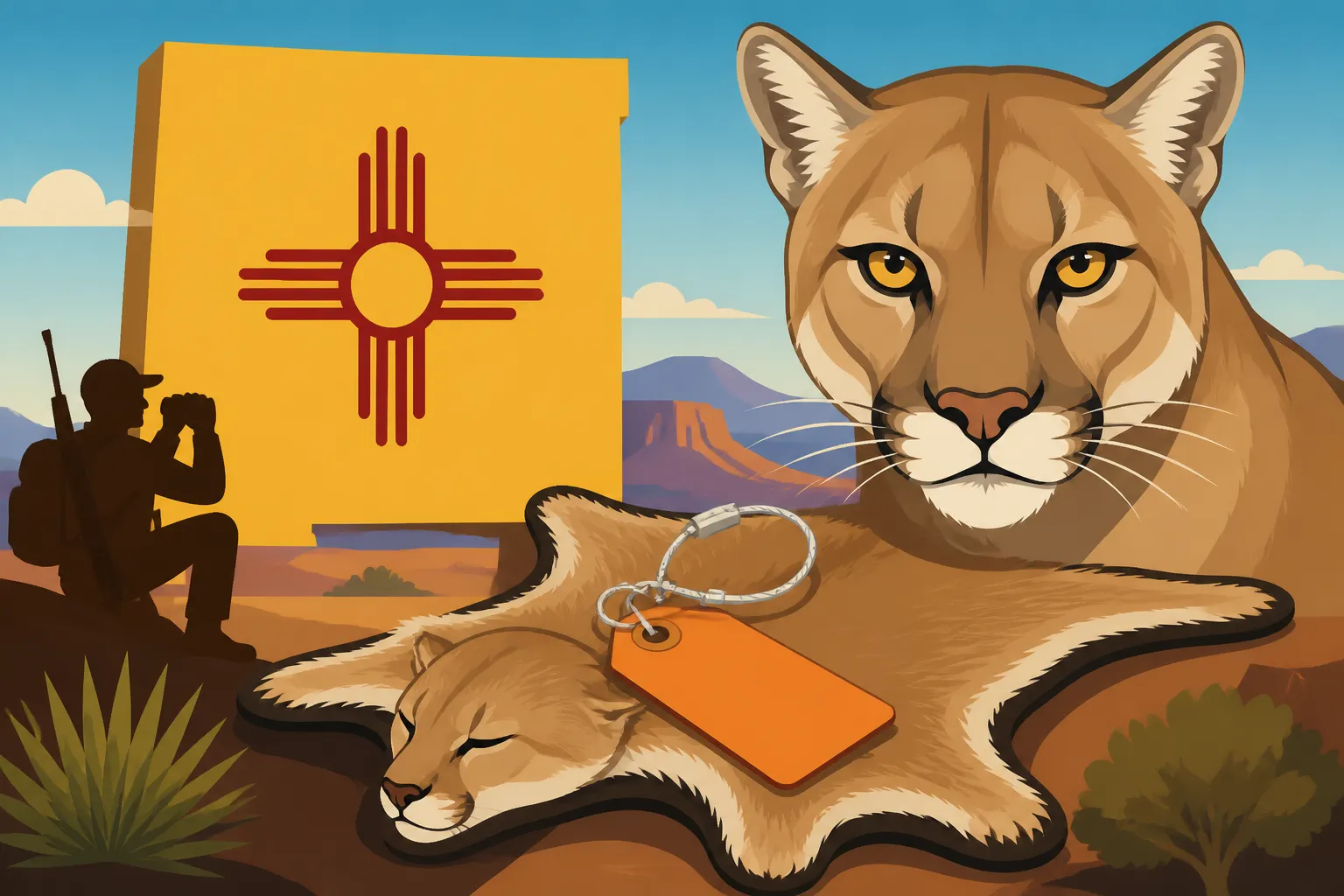
Proper tagging involves more than just slapping a sticker on the hide. The NMDGF official or authorized representative will typically affix a tamper-proof tag directly to the pelt. This tag is often designed to be difficult to remove without destroying it, further ensuring its integrity. It usually has a unique identification number that corresponds to your harvest report. In addition to the tag, they will often collect biological samples, most commonly a pre-molar tooth, which is used to accurately age the cougar. This age data is crucial for population studies.
The officer will also visually inspect the hide and skull to confirm the sex of the animal and ensure it matches your reporting. This thoroughness is why it's so important to protect the hide and skull from damage during Field Dressing in Desert Heat or transport. A damaged hide or skull might make proper tagging and data collection more difficult, potentially delaying the process or raising questions about the harvest's legality. Always keep the skull attached to the hide until it's officially tagged, as required by regulations.
Step-by-Step: How to Properly Tag a Cougar Pelt in New Mexico
Navigating the process can feel daunting, especially if it's your first cougar. But by breaking it down, it becomes much more manageable. The key is preparation and adherence to the stated regulations.
Here’s a simplified breakdown of the steps you'll generally follow:
- Harvest and Initial Care: Once you've successfully harvested your cougar, immediately tag the carcass with your personal big game tag (from your license) as required for all big game. Then, field dress the animal and skin it, being careful to keep the hide and skull intact. Remember, the skull (with teeth) must remain attached to the hide until it is officially tagged by NMDGF. Proper care of the hide in the field, especially in warmer temperatures, is crucial to prevent spoilage.
- Contact NMDGF: As soon as possible, and definitely within the specified timeframe (check the current rulebook, often within 5 days), contact your nearest NMDGF office or an authorized conservation officer. Explain that you have harvested a cougar and need to have the pelt tagged and reported. They will provide instructions on where and when to bring the hide and skull. Many hunters find resources like GoHunt helpful for quickly locating NMDGF offices or checking current contact information.
- Transport: Carefully transport the hide and skull to the designated NMDGF location. Ensure the hide is preserved properly to avoid damage or decay during transport. Some hunters will salt their hides to prevent slippage, but check if this is permissible before official inspection.
- Inspection and Tagging: At the NMDGF office or check station, an officer will inspect the hide and skull. They will confirm the sex, collect a tooth for aging, and affix the tamper-proof cougar pelt tag directly to the hide. This is also when you'll complete any required harvest report forms, providing details of your hunt.
- Documentation: Keep all documentation provided by the NMDGF, including your copy of the harvest report and any instructions on future care or taxidermy. This paperwork, along with the physical tag on the pelt, is your proof of legal harvest.
This table provides a quick reference for the key actions required after harvesting a cougar in New Mexico:
| Action | Details | Important Notes |
|---|---|---|
| Field Tag Carcass | Immediately attach your big game license tag to the cougar carcass. | Required for all big game in New Mexico. |
| Skin and Preserve | Carefully skin the cougar, keeping the skull (with teeth) attached to the hide. Preserve the hide. | Crucial: Skull must remain attached to the hide until officially inspected and tagged by NMDGF. Prevent spoilage in heat. |
| Contact NMDGF | Contact a NMDGF office or authorized personnel within the specified timeframe (e.g., 5 days). | Obtain instructions on where and when to bring the hide/skull. Check Where the Current New Mexico Regulations Are Posted for precise timing. |
| Transport for Inspection | Bring the hide and skull to the designated NMDGF location. | Ensure safe and legal transport. Maintain hide condition. |
| Official Tagging | An NMDGF officer will inspect, confirm sex, collect a tooth, and affix a tamper-proof pelt tag. | This is when the official pelt tag is applied. You will also complete a mandatory harvest report. This contributes to vital data on New Mexico Cougar Population Estimate. |
| Retain Documentation | Keep your copy of the harvest report and any other official paperwork. | This is your proof of legal harvest and ownership. |
What to Expect at the Check Station
When you arrive at a NMDGF office or designated check station with your cougar hide and skull, expect a professional, but thorough, process. The conservation officer isn't there to grill you but to fulfill their duty in managing wildlife. They will verify your license and tag, inspect the condition of the hide and skull, confirm the sex, and often take measurements. They might ask you about the specific circumstances of the hunt, such as where in the unit the cougar was harvested, the date, and any other relevant details.
This is also the point where the biological sample (tooth) will be collected. They typically use specialized pliers to remove a pre-molar, which is then sent to a lab for aging. This is a standard procedure and provides invaluable data for cougar management. The officer will then affix the official pelt tag, usually with a rivet or similar secure method, in a conspicuous place on the hide. This tag must remain on the pelt until it is processed or mounted.
Avoiding Pitfalls and Ensuring Compliance
The New Mexico Game and Fish Department doesn't want to see hunters make honest mistakes, but ignorance of the law is rarely an excuse. Understanding the regulations for cougars, particularly around pelt tagging, is part of being a responsible hunter. There are several common pitfalls that hunters, particularly those new to cougar hunting, might encounter. Reading the New Mexico Rules and Info Booklet before you ever step foot into cougar country is your best defense.
Common Mistakes Hunters Make
One of the most frequent errors is simply not understanding the urgency. Leaving a cougar pelt untagged for too long, or not making the effort to get it to an NMDGF representative within the prescribed timeframe, is a significant violation. Another mistake is separating the skull from the hide prematurely. The regulations explicitly state that the skull must remain naturally attached to the hide until it is officially inspected and tagged. Removing it early can complicate the tagging process and raise red flags.
Some hunters also neglect to properly preserve the hide, especially when hunting in warmer climates or during early seasons. A spoiled hide, while still taggable, might not be suitable for taxidermy and could make biological sampling more difficult. Furthermore, some individuals might attempt to transport the untagged pelt across state lines, which can lead to even more severe federal charges. Always get that tag before moving the pelt any significant distance, especially outside of New Mexico.
The Consequences of Non-Compliance
The penalties for failing to comply with cougar pelt tagging requirements in New Mexico can be substantial. These aren't minor infractions. You could face significant fines, the forfeiture of your harvested cougar pelt, and potentially the suspension of your hunting privileges. In some cases, especially if there's any indication of intent to illegally sell or transport the pelt, criminal charges could be brought.
It's a stark reminder that hunting is a privilege, not a right, and with that privilege comes a serious responsibility to understand and adhere to all regulations. The NMDGF takes the management of cougars, and all big game species, very seriously. Their goal is to ensure sustainable populations for everyone, and proper harvest reporting and tagging are fundamental to that goal. Always make sure you understand requirements like Mandatory Reporting After a New Mexico Harvest for all species you pursue.
Resources to Help You Stay Compliant
Staying informed is your best strategy. The official New Mexico Hunting Rules & Info booklet, available online and at license vendors, is your primary source of truth. Always consult the current year's regulations, as rules can occasionally change. The NMDGF website is also an excellent resource for updates, contact information, and specific office locations.
Many hunters also use digital mapping and information platforms, such as GoHunt, which can provide real-time updates on regulations, unit boundaries, and contact information for wildlife agencies. These tools can be incredibly helpful for hunters who are often out of cell service or operating in remote areas, providing access to critical information when they need it most. Before your hunt, take the time to map out potential check stations or NMDGF offices in the units you plan to hunt, so you have a clear plan in place should you be successful.
Disclaimer
This article is for general informational purposes only and does not constitute professional advice. Laws, prices and regulations vary by location and change over time. Consult a qualified professional for guidance on your specific situation.