Access Across the Eastern Plains
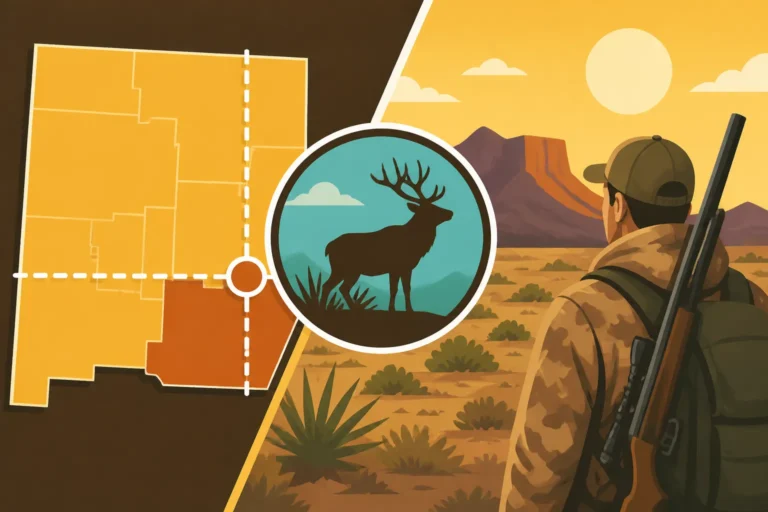
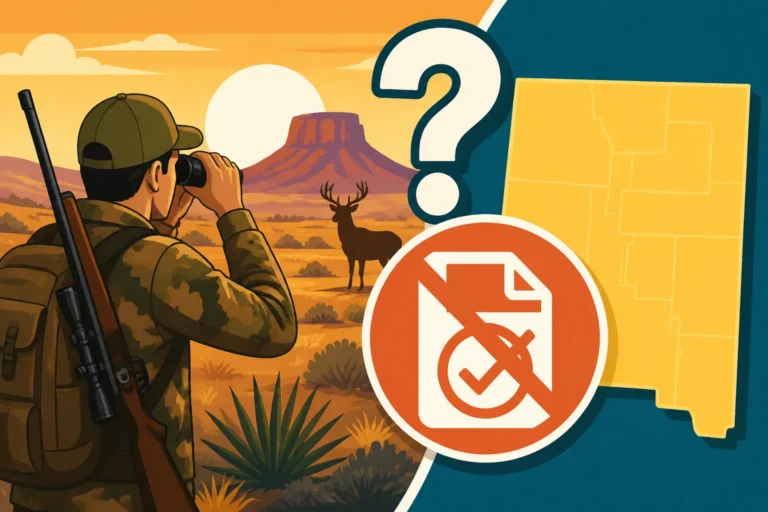
Hunting the Eastern Plains of New Mexico can feel like navigating a complex maze, especially for those accustomed to vast, contiguous public land. The reality is that much of this beautiful, game-rich country is privately owned, leaving many hunters scratching their heads about where they can legally and ethically pursue their quarry. This guide aims to demystify access across the Eastern Plains, offering practical strategies and insights to help you unlock some incredible hunting opportunities in an often-overlooked region.
Understanding the Landscape of New Mexico's Eastern Plains
The Eastern Plains of New Mexico are a world away from the rugged mountains and dense forests of the Gila or the high country around Taos. Here, the landscape flattens out, characterized by vast grasslands, rolling hills, and expansive ranchlands. This unique topography doesn't just dictate the type of game you'll find—primarily pronghorn, mule deer, and various upland birds—but also profoundly influences how you approach hunting access.
The Dominance of Private Land
Anyone looking at a land ownership map of New Mexico's Eastern Plains will immediately notice the overwhelming presence of private land. This region is a stronghold of ranching operations, where cattle and agriculture reign supreme. Large private ranches, some spanning tens of thousands of acres, define much of the landscape. For hunters, this means that the traditional "just walk in" approach common in other Western states is rarely an option here. You simply cannot expect to drive down a road, spot a promising piece of land, and assume you can hunt it.
The extensive private holdings create significant barriers, requiring hunters to either secure direct permission from landowners or seek out the more fragmented public access points. It's a reality that can be frustrating, especially if you're traveling a long distance, only to find prime looking areas are behind locked gates and "No Trespassing" signs. This is why preparation and research are absolutely critical before you ever set foot on the plains. You need to know exactly where property lines lie and who owns what, or you risk running afoul of trespass laws.
Scattered Public Land Holdings
While private land dominates, there are pockets of public land scattered across the Eastern Plains. These are primarily Bureau of Land Management (BLM) acreage and New Mexico State Trust Land. However, unlike the massive tracts of National Forest in the western part of the state, these public holdings on the plains are often smaller, isolated, and sometimes "landlocked" by private property, making them difficult to reach legally.
BLM ground, for example, might appear as small squares or irregular shapes on a map, often interspersed like a checkerboard with private holdings. While BLM Ground Carries Most of New Mexico's Open Access generally, these smaller parcels require extra diligence to ensure you're not inadvertently crossing private property to get to them. State Trust Land, managed by the New Mexico State Land Office, also provides hunting opportunities, but comes with its own specific set of rules and limitations that differ from federal BLM land. Understanding the nuances of each type of public land is vital; what's allowed on one might be strictly prohibited on another. These fragmented public lands demand precise navigation and a deep understanding of boundaries, making detailed mapping applications like onX Hunt an indispensable tool.
Navigating State Trust Land on the Eastern Plains
New Mexico State Trust Land, often found interspersed with private and federal holdings on the Eastern Plains, offers legitimate hunting opportunities, but it's crucial to understand the specific rules that govern its use. It’s not quite the same as National Forest or BLM land, and treating it as such can lead to trouble.
The Role of Your Hunting License
Perhaps the most important thing to know about hunting on New Mexico State Trust Land is that your valid hunting license acts as your easement for foot access only during authorized hunting seasons. This isn't a free-for-all; it's a privilege with strict boundaries. You can walk in, hunt, and walk out, but that's about the extent of it. A New Mexico License Is Your State Trust Land Easement provides the necessary permission, but it doesn't extend to other activities.
This means no vehicular access for hunting purposes, even if you see a well-worn two-track trail. No setting up camp. No leaving trash or disturbing the natural environment beyond what's necessary for hunting. The State Land Office manages these lands to generate revenue for specific state institutions, and maintaining their integrity for grazing, oil and gas, and other uses is paramount. Respecting these limitations is not just about avoiding fines; it's about preserving these precious access points for all hunters. Treating Trust Land with anything less than utmost respect risks jeopardizing this unique access agreement.
Identifying State Trust Land and Its Rules
Identifying State Trust Land requires good mapping resources. This is where tools like onX Hunt or GoHunt become incredibly valuable. These platforms overlay land ownership data directly onto topographic maps, allowing you to clearly see parcel boundaries and identify State Trust Land, along with private and other public designations. Without such tools, navigating these mixed ownership areas would be a constant guessing game.
Beyond identification, remember the specific rules. While you can hunt during open seasons, scouting has its own window. You May Scout New Mexico Trust Land 14 Days Before a Hunt, but not earlier. This specific scouting window is a key regulation to keep in mind, as showing up weeks ahead of time to scout could be considered trespass. Always double-check the current New Mexico Department of Game and Fish (NMDGF) regulations booklet for any updates or specific unit restrictions, as these rules can occasionally be refined. It's also worth noting that some State Trust Lands may be leased for grazing, and you may encounter livestock operations. Always be courteous, leave gates as you found them (closed, typically), and give livestock a wide berth.
Strategies for Accessing Private Land
Given the sheer volume of private land on New Mexico's Eastern Plains, successfully hunting this region often hinges on gaining access to private property. This isn't always easy, but with the right approach and a bit of persistence, it's absolutely achievable.
The Importance of Landowner Permission
Let's be crystal clear: on private land, written permission is an absolute must. Verbal permission can be easily forgotten or misunderstood, and without a physical document, you have no legal recourse if a misunderstanding arises. Written Permission Is Required to Cross Private New Mexico Ground and it's for your protection as much as the landowner's. This is particularly true in New Mexico, where trespass laws are taken seriously.
Gaining permission usually starts with research. Identify the landowners of properties that interest you. County assessor's offices, available online or in person, are a great resource for this. Once you have a name, try to make contact. A face-to-face meeting, or at least a phone call, is almost always better than a letter or email. Be polite, explain your intentions, and be prepared to listen. Many landowners are reluctant to grant access due to past negative experiences with irresponsible hunters. Highlight your commitment to ethical hunting, leaving no trace, respecting their property, and adhering to their specific rules (e.g., no driving off established roads, avoiding certain pastures). Building a relationship takes time, so start well in advance of the season, and understand that a "no" isn't personal; it's just the reality of land management.
Exploring Trespass Fee Arrangements and Leases
For some highly sought-after species, particularly pronghorn, securing access often involves a financial arrangement. Many Eastern Plains landowners understand the value of their hunting opportunities and offer trespass fee arrangements or lease hunting rights. This can be a viable option if your budget allows and you're targeting specific game.
Trespass Fee Arrangements on New Mexico Ranches can vary widely. Some might charge a per-hunter fee for a specific number of days, while others might lease out a certain acreage for the entire season. These fees often depend on the quality of the hunting, the species available, and the demand for the area. It's essential to get a clear, written agreement detailing what's included (e.g., access to specific areas, use of certain facilities, vehicle access) and what's not. Don't be shy about asking questions to ensure there are no surprises. While this path costs money, it often grants access to highly productive areas that would otherwise be off-limits. It's a trade-off that many hunters find worthwhile for the opportunity to hunt quality animals on well-managed land.
Utilizing Federal BLM Land and Open Gate Properties
Beyond the vast private holdings and the specific rules of State Trust Land, there are two other critical avenues for accessing hunting opportunities on New Mexico's Eastern Plains: federal BLM ground and the NMDGF's Open Gate program. Both require careful planning but can yield great results.
Finding BLM Ground on the Plains
While BLM land covers a huge portion of New Mexico overall, on the Eastern Plains, it tends to be more fragmented and less expansive than the iconic checkerboard patterns found in some other Western states. Still, these parcels, however small, represent legitimate public hunting ground and are crucial for hunters without private land access. Identifying these pieces of land is paramount, and this is another area where digital mapping apps like onX Hunt excel. With the public/private land layers clearly visible, you can pinpoint isolated BLM tracts that might otherwise go unnoticed.
The challenge with these smaller BLM parcels often lies in access. They might be surrounded entirely by private land, making them "landlocked" in practical terms unless you can secure permission from the surrounding landowners to cross their property. Always remember that crossing private land without explicit, written permission is trespassing, regardless of whether you're heading to public land. This means you need to meticulously scout aerial maps and topographic features to identify any public roads, easements, or waterways that provide legal access to these smaller parcels. Don't assume anything; verify every inch of your approach. Sometimes, a long walk is the only legal way in, which can be an excellent strategy for finding less pressured game.
New Mexico's Open Gate Program
The New Mexico Department of Game and Fish (NMDGF) operates an excellent initiative called the Open Gate program. This program partners with private landowners to open up portions of their property to public hunting, often targeting specific species or times of the year. It's essentially a way for the NMDGF to lease access from private landowners and provide it back to the public, alleviating some of the pressure on purely public lands.
Open Gate Properties Across New Mexico are designated for various species, including dove, quail, waterfowl, deer, and pronghorn. The specific rules for each Open Gate property are set by the NMDGF and the cooperating landowner, and they can vary. Some might be walk-in only, others might allow limited vehicle access to certain points, and some might have specific harvest limitations or seasons that differ slightly from general regulations. It's crucial to check the NMDGF website or their annual regulations handbook for a complete list of current Open Gate properties, their locations, and their specific rules of engagement. This program is a fantastic resource for public land hunters, especially on the Eastern Plains, providing opportunities that would otherwise be unattainable without private landowner permission or a hefty trespass fee. Always download maps of these areas using onX Hunt or GoHunt to ensure you stay within the designated boundaries.
| Land Type | Primary Access Method | Key Regulations | Scouting Considerations | Common Challenges |
|---|---|---|---|---|
| Private Land | Written Landowner Permission | Strict "No Trespassing" without permission | Requires direct contact, relationship building | High competition for access, potential fees |
| State Trust Land | Valid Hunting License (Foot) | Foot access only, no camping, 14-day scouting window | Use mapping apps (onX Hunt) to identify parcels, verify boundaries | Landlocked parcels, no vehicle access |
| BLM Land | Open Public Access | Generally open, but often fragmented | Use mapping apps to identify, look for legal access points | Landlocked by private, smaller, isolated parcels |
| Open Gate Properties | NMDGF Program Specific Rules | Varies by property, check NMDGF regulations | Check NMDGF website for current listings and specific rules | Rules can change, limited availability |
Remember, the Eastern Plains can be an incredible place to hunt, but success often comes down to how well you understand and respect the land ownership mosaic. Do your homework, carry good maps, and always prioritize ethical and legal access.
Disclaimer
This article is for general informational purposes only and does not constitute professional advice. Laws, prices and regulations vary by location and change over time. Consult a qualified professional for guidance on your specific situation.