What a Mentor Number Requires in New Mexico
Navigating the world of youth hunting programs can feel like deciphering ancient texts sometimes, especially when you're trying to do everything by the book to get a young hunter into the field. One of the most common stumbling blocks in New Mexico for new mentors is understanding the unique requirement of a Mentor Number. This guide is here to untangle exactly what a New Mexico Mentor Number entails, who needs it, and how you can get yours to ensure a safe, legal, and truly memorable first hunting experience for the next generation.
Unpacking the New Mexico Mentor Number
Let's cut right to the chase: the Mentor Number isn't just another bureaucratic hoop to jump through. It's a foundational piece of New Mexico's commitment to nurturing new hunters, ensuring that those venturing out with a young person are properly identified and understand their crucial role. It’s part of a broader initiative designed to make hunting accessible and safe for youth, while also maintaining the integrity of our wildlife management.
The Core Purpose of the Mentored Youth Program
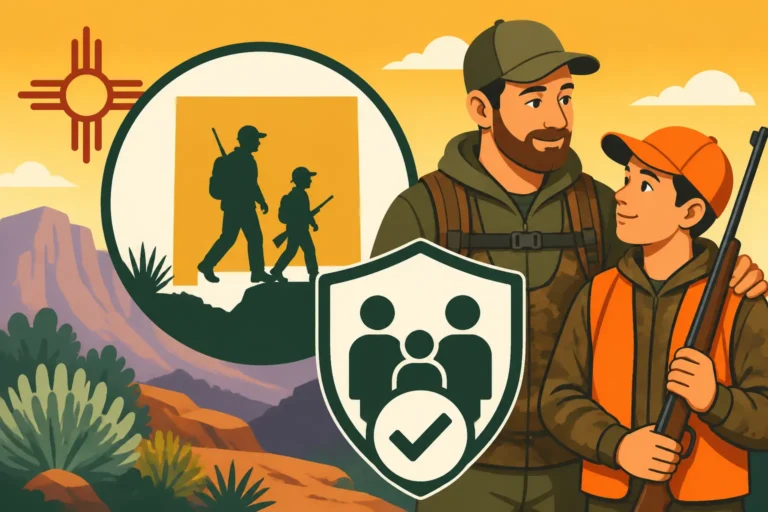
At its heart, the Mentor Number is the administrative backbone of the New Mexico Mentored Youth Program. This program is specifically designed to allow young, uncertified hunters to experience the outdoors and participate in hunting under the direct, watchful eye of an experienced, certified mentor. It recognizes that hands-on experience, guided by someone knowledgeable, is often the most effective way to learn the ropes of hunting, conservation, and ethical outdoor behavior. The state wants to foster a love for hunting early, and by offering this pathway, they ensure that interested youth aren't held back by age or hunter education requirements initially, provided they have a qualified mentor. You can dive deeper into The New Mexico Mentored Youth Program Explained to understand its full scope.
Think of it this way: instead of a child having to wait until they're old enough to take a hunter education course, they can get started much earlier, often as young as 10 years old (and even younger for certain species). This early exposure, however, comes with a significant responsibility placed on the adult mentor. The Mentor Number serves as the state's way of registering that commitment and acknowledging the individual as a vetted participant in this critical educational process. It's about empowering experienced hunters to pass on their knowledge in a structured, legal way, making sure those valuable traditions continue for generations to come.
Distinguishing a Mentor Number from Hunter Education
It’s easy to confuse the Mentor Number with a traditional hunter education certification, but they serve distinct purposes. A hunter education certification proves that an individual has successfully completed a course covering firearm safety, hunting ethics, wildlife identification, and conservation principles. This is generally a requirement for all hunters in New Mexico, with very few exceptions. A Mentor Number, on the other hand, is issued to an adult who is already hunter education certified and is explicitly taking on the role of guiding a youth who has not yet completed their hunter education.
The crucial difference is that the Mentor Number does not exempt the youth from eventually needing hunter education. Instead, it provides a window of opportunity, typically two years, during which the mentored youth can hunt before they are required to complete their own hunter education course. This flexible period allows for real-world learning and can be a fantastic way for a young person to determine if hunting is truly for them before committing to the full certification process. The mentor's own hunter education card is a prerequisite for obtaining their Mentor Number, underscoring that the state requires the guide to be fully qualified to teach and supervise.
Who Needs a Mentor Number and Why
Understanding the specific criteria for both the mentor and the mentored youth is paramount. It’s not a one-size-fits-all program, and there are distinct parameters regarding age, previous hunting experience, and the mentor’s qualifications. The program is carefully structured to maximize safety and effective learning for the next generation of hunters.
Age Requirements for Mentored Youth
The New Mexico Mentored Youth Program is a fantastic avenue for getting kids outdoors, but there are specific age brackets to be aware of. Generally, a mentored youth must be under 18 years of age. Critically, for a youth to participate, they must be under the age of 18 AND not yet hunter education certified. Once a youth completes a hunter education course, they no longer qualify as a "mentored youth" and can hunt independently (though younger hunters will still benefit greatly from continued mentorship!).
New Mexico has specific rules regarding what a mentored youth can hunt depending on their age. For example, What Mentored Youth Under Ten May Hunt is often different from What Mentored Youth Over Ten May Hunt. These distinctions are in place to ensure that the challenges and responsibilities of the hunt are appropriate for the child's developmental stage. This careful approach helps build confidence and competence without overwhelming the young hunter. So, before you plan your first outing, make sure you're clear on the specific species and hunting methods allowed for the age of your mentee.
Eligibility for First-Time Hunters
One of the most important aspects of the Mentored Youth Program is its focus on introducing new hunters to the sport. The program is designed for individuals who have not previously obtained a hunter education certificate and have generally not participated in big game hunting before. This means if a youth has already gone through a hunter education course, they aren't eligible for the "mentored youth" designation under this specific program. They are already considered certified hunters by the state. This keeps the program focused on its core mission: bringing entirely new participants into the fold.
It's a common question: Must a Mentored Youth Be a First-Time Hunter? The answer is essentially yes, in terms of hunter education certification. The intent is to provide a supervised entry point for those without prior formal training. This emphasis helps ensure that the valuable lessons about safety, ethics, and conservation are instilled from the very beginning, with the mentor acting as the primary instructor. It's a precious opportunity to shape a young hunter's foundational understanding of responsible hunting.
Who is Qualified to Be a Mentor
Not just anyone can be a mentor, and for good reason. The role carries significant responsibility, and the state wants to ensure that youth are learning from experienced, responsible adults. To be a mentor in New Mexico, you must meet several key criteria:
- Age: You must be at least 18 years old. This is a non-negotiable requirement.
- Hunter Education Certified: You must possess a valid, New Mexico-recognized hunter education certification. This proves you have the fundamental knowledge of hunting safety and ethics. This means Can a Hunter Education Number Replace a Mentor Number? for the mentor themselves, the answer is that the hunter education number is a prerequisite for the mentor, not a replacement for the youth's eventual certification.
- Valid Hunting License: You need to have a current, valid hunting license for the species being hunted.
- Possess a Mentor Number: This is the specific item we're discussing, obtained after meeting the above criteria.
- Direct Supervision: You must accompany the mentored youth in the field and remain within "arm's reach" for firearms hunting, or "normal voice" for archery hunting, maintaining direct visual and verbal contact. This means you are essentially responsible for every action the youth takes.
You can learn more about How Old a New Mexico Mentor Must Be and other requirements through the official channels. This stringent vetting process is in place to protect the youth, promote safe hunting practices, and uphold the reputation of the hunting community. It’s a testament to the importance New Mexico places on responsible mentorship.
The Process of Getting Your Mentor Number
Alright, you're ready to step up and guide a new hunter. That's fantastic! The next step is actually obtaining that Mentor Number. It's a relatively straightforward process, but like anything involving state regulations, having a clear roadmap can save you a lot of headaches.
Online Application Steps
The New Mexico Department of Game and Fish (NMDGF) has made the process pretty user-friendly by allowing you to apply for your Mentor Number online. Here’s a general rundown of what you can expect:
- Visit the NMDGF Website: Head over to the official New Mexico Department of Game and Fish website. You'll typically find a section dedicated to licenses, permits, and hunter information.
- Log In or Create an Account: If you don't already have one, you'll need to create a customer account. This usually involves providing personal details like your name, address, date of birth, and possibly your driver's license or state ID number. If you've purchased licenses or applied for draws before, you'll likely already have an account.
- Navigate to the Mentor Program Section: Look for links related to "Mentored Youth," "Youth Hunting," or "Mentor Number Application." These sections might be under the broader "Hunter Education" or "Licenses" categories.
- Complete the Application Form: You'll be asked to fill out an application form. This will confirm your hunter education status (you’ll need your certification number), your age, and your understanding of the mentor's responsibilities. You may need to attest that you meet all the requirements, including being 18 years or older and hunter education certified.
- Submit and Receive Your Number: Once you've completed the form and confirmed your details, you'll submit the application. In most cases, if everything is in order, your Mentor Number will be issued immediately and tied to your customer account. It might be a unique numerical identifier or simply an endorsement on your profile that signifies your mentor status. You'll want to print this information or save it digitally to have it on hand when you're hunting.
It's a good idea to ensure your personal information on file with NMDGF is up-to-date before starting this process. Accuracy helps prevent any delays in receiving your number. If you're a new hunter looking for resources, platforms like GoHunt often have guides and forums where you can ask questions about these application processes and connect with other experienced hunters in New Mexico.
Documentation Required for Mentors
While the online application streamlines things, you'll need to have certain information and potentially documentation readily available. The most critical piece of "documentation" is your New Mexico hunter education certification number. This is what the NMDGF will use to verify your eligibility as a mentor. Without a valid hunter education certificate, you simply won't be able to proceed with obtaining a Mentor Number.
Beyond your hunter education credentials, you should also have your current New Mexico hunting license information on hand, as well as your personal identification details (e.g., driver's license number, date of birth, mailing address) to ensure your account is accurate and up-to-date. In some instances, depending on system updates or specific circumstances, the NMDGF might require additional verification, but for the vast majority of applicants, a valid hunter education number linked to your NMDGF account is the primary hurdle. Always double-check the latest regulations on the NMDGF website before you apply, as rules can occasionally be updated.
Responsibilities and Expectations of a Mentor
Being a mentor is more than just having a special number; it's about embracing a significant role in a young person's life and in the future of hunting. This isn't just about showing someone how to shoot; it's about instilling a deep respect for wildlife, the land, and the traditions of fair chase. The state's requirements underscore these profound responsibilities.
Legal Obligations in the Field
When you are out in the field as a New Mexico mentor, you are legally accountable for the actions of your mentored youth. This is not a responsibility to take lightly. Here’s what that typically entails:
- Direct Supervision: As mentioned, you must be in direct control and supervision of the youth at all times. For firearms hunting, this usually means being within arm's reach. For archery, it means being within "normal voice" distance, ensuring clear communication and immediate intervention if needed. This isn't just a suggestion; it's a legal requirement designed to prevent accidents and ensure the youth makes ethical decisions.
- Possession of Licenses: Both you and the mentored youth must possess all required licenses and tags for the hunt. Your Mentor Number must be valid, and the youth must have their specific mentored youth license/tag.
- Compliance with Regulations: The mentored youth must comply with all hunting regulations, seasons, bag limits, and legal shooting hours. As the mentor, you are responsible for ensuring they understand and adhere to these rules. This includes understanding Legal Shooting Hours and Blaze Orange in New Mexico and ensuring the youth is properly dressed if blaze orange is required for the hunt.
- Safe Handling of Weapons: You are directly responsible for teaching and enforcing safe firearm or archery equipment handling at all times. This includes ensuring proper muzzle control, understanding the target and what lies beyond, and making sure the weapon is safe when not in use.
- Ethical Hunting Practices: Beyond legalities, you are expected to model and enforce ethical hunting practices, including fair chase, proper shot placement, and ensuring the humane retrieval of game.
Failure to uphold these legal obligations can result in serious consequences, including citations, fines, and even revocation of hunting privileges for both the mentor and the youth. The NMDGF takes the safety and ethical conduct of mentored hunts very seriously.
Ethical Guiding Principles
Beyond the letter of the law, a good mentor operates under a strong set of ethical principles. This is where the true impact of mentorship happens, shaping not just a hunter, but a conservationist and a responsible citizen.
- Patience and Encouragement: Hunting can be tough. There will be missed shots, long hours, and maybe no game. A great mentor fosters resilience and celebrates effort, not just success.
- Knowledge Transfer: This isn't just about telling; it's about teaching. Explain why you're doing something, demonstrate techniques, and allow the youth to participate in decision-making when appropriate. This includes everything from reading sign to understanding game habitat.
- Respect for Wildlife and the Land: Teach them about wildlife biology, the importance of habitat, and the role of hunting in conservation. Instill a "leave no trace" ethic, showing them how to properly pack out trash, avoid disturbing sensitive areas, and respect private property boundaries.
- Responsibility and Accountability: Emphasize that hunting is a privilege, not a right. Teach them about the accountability that comes with taking a life, and the importance of using every part of the animal possible.
- Safety First, Always: Reiterate safety rules constantly. Make it second nature. There's no shot worth taking if it compromises safety. This includes preparing for the unexpected, like proper hydration in the desert or altitude preparation for a Gila elk hunt.
A truly successful mentored hunt isn't just about harvesting an animal. It's about building character, fostering a connection to nature, and creating memories that will last a lifetime. The animal harvested is merely a bonus to a well-executed, ethically sound outdoor adventure.
Ensuring Safety Above All Else
Safety cannot be stressed enough when mentoring a young hunter. As a mentor, you are the primary safety officer in the field, and your vigilance is critical.
- Pre-Hunt Briefing: Before you even leave the truck, have a thorough safety briefing. Discuss the day's plan, potential hazards (like snakes or rough terrain), and reiterate firearm or archery safety rules. Talk through scenarios: "What do we do if we see another hunter?" or "What's our plan if we get separated?"
- Equipment Checks: Double-check all equipment: firearms, bows, ammunition, arrows, safety harnesses, and personal protective gear (like hearing and eye protection). Ensure the youth's equipment fits them properly and they can handle it safely. A youth struggling with a too-heavy rifle or a bow with too high a draw weight is a recipe for an accident or a frustrating experience.
- Constant Vigilance: Your eyes and ears need to be on high alert. Watch the youth's muzzle or arrow placement, their footing, and their awareness of their surroundings. In the excitement of seeing game, it's easy for focus to narrow, and that's when accidents happen. Your job is to be the calm, experienced overseer.
- Weather and Environmental Awareness: Be mindful of changing weather conditions, especially in unpredictable New Mexico environments. Have appropriate clothing layers, plenty of water, and emergency supplies. Know the signs of heatstroke or hypothermia and how to respond.
- Emergency Plan: Always have a clear emergency plan. Know your location, have a first-aid kit, and understand how to call for help, especially in areas with limited cell service. Discuss this plan with the youth so they know what to do in a crisis.
| Aspect of Mentorship | Legal Obligation | Ethical Guideline | Safety Implication |
|---|---|---|---|
| Direct Supervision | Must be within arm's reach (firearms) or voice (bow). | Constant presence and guidance. | Prevents accidents, ensures immediate intervention. |
| Licenses & Tags | Both mentor & youth must possess valid documents. | Teaches legality, respect for regulations. | Ensures legal hunt, avoids penalties. |
| Rule Compliance | Adherence to all NMDGF regulations. | Instills respect for wildlife management. | Avoids citations, ensures fair chase. |
| Weapon Handling | Mentor ensures safe operation by youth. | Teaches responsible use, respect for tools. | Crucial for preventing accidental discharge or injury. |
| Ethical Practices | Promote fair chase, humane harvest. | Builds character, respect for animals. | Reduces suffering, ensures proper game recovery. |
| Environmental Impact | No littering, respect private land. | Fosters stewardship of public lands. | Preserves natural beauty, ensures access for future generations. |
| Emergency Preparedness | No specific legal mandate, but implicit. | Responsible outdoor behavior. | Critical for responding to injuries, lost persons, or sudden weather changes. |
This table highlights how legal duties, ethical considerations, and safety responsibilities are intertwined in the mentor's role. It's a holistic approach to raising responsible hunters.
Common Misconceptions and FAQs About Mentoring
Even with the best intentions, the specifics of hunting regulations can be a bit murky. Let's clear up some common questions and misconceptions surrounding the New Mexico Mentor Number and the Mentored Youth Program.
Can a Hunter Education Number Replace a Mentor Number?
This is a frequently asked question, and it's important to be crystal clear: no, a hunter education number cannot replace a Mentor Number. They are two distinct identifiers with different purposes within the New Mexico hunting system.
As we discussed, your hunter education number is a prerequisite for you, the adult, to obtain a Mentor Number. It demonstrates that you are already a certified, knowledgeable hunter capable of guiding someone else. The Mentor Number is then issued to you, linking your qualified status to the specific Mentored Youth Program. The youth themselves, while participating under your Mentor Number, are temporarily exempt from needing their own hunter education certificate. However, this exemption is not permanent. To continue hunting past the program's specified duration, the youth will eventually need their own hunter education certification. For more details, refer to Can a Hunter Education Number Replace a Mentor Number?.
How Long Mentored Youth Status Lasts
The Mentored Youth Program is a fantastic gateway, but it's not a lifelong exemption from hunter education. New Mexico typically allows a youth to participate in the Mentored Youth Program for a period of two years. During this two-year window, the youth can hunt under the direct supervision of a qualified mentor without having completed their own hunter education course.
This two-year period is designed to give the youth ample opportunity to experience hunting, learn from their mentor, and decide if they want to pursue a hunter education certificate to continue hunting independently. After these two years, or once the youth turns 18 (whichever comes first), they must complete and pass a hunter education course to purchase regular big game licenses and tags in New Mexico. This thoughtful structure is why New Mexico Mentored Youth Can Hunt Two Years Before Certifying is such a valuable pathway for budding hunters.
Parental Consent Requirements for Mentors
When a mentor is taking a youth who is not their own child into the field, parental consent is an absolute must. While the NMDGF doesn't always require a specific form to be filed with the state for every single mentored hunt, it is an ethical and legal best practice, and often a requirement for purchasing the youth's license, to have written parental or guardian consent for any youth participating in the Mentored Youth Program who isn't your direct legal ward.
This consent should clearly state that the parents or guardians permit the named mentor to take their child hunting, acknowledging the risks involved and granting permission for the child to participate in the specific hunting activities. It's not just a formality; it's a critical legal protection for both the mentor and the parents, ensuring everyone is on the same page and fully informed. Always verify the latest Parental Consent Requirements for Mentors on the NMDGF website, as these specifics can be updated. Having this documentation ready in your hunting pack is always a smart move.
Beyond the Number: Making the Mentored Hunt a Success
Getting the Mentor Number is just the first step. The real work, and the real joy, comes in planning and executing a successful mentored hunt. It’s about creating an experience that instills a love for the outdoors, teaches critical skills, and builds lasting memories.
Preparing Your Mentored Youth for the Hunt
Preparation is key to a positive experience. A well-prepared youth is a confident youth, and confidence often leads to better decisions and more enjoyment in the field.
- Practice, Practice, Practice: Before you ever step foot in the woods, spend plenty of time at the shooting range or practicing archery. Make sure the youth is comfortable and proficient with their chosen weapon. This isn't just about hitting a target; it's about building safe handling habits under pressure. Start with smaller calibers or lower draw weights if needed, focusing on fundamentals.
- Physical Conditioning: Depending on the hunt, discuss physical preparation. Even a short hike can be challenging for someone not used to it. Encourage walks, light exercises, or even just spending time outdoors getting used to different terrains. This is especially true for hunts in rugged areas like the Gila.
- Gear Familiarization: Help them understand their gear. How to use binoculars, how to layer clothing for changing temperatures, how to pack a small backpack. Let them practice putting on and taking off their gear, walking with it, and understanding its function. This reduces discomfort and distractions in the field.
- Rules and Ethics Discussion: Go over the hunting regulations and ethical guidelines repeatedly. Use scenarios to illustrate points. "What would you do if…?" Make sure they understand the responsibility that comes with hunting. You might even use tools from organizations like GoHunt to show them maps and talk through potential scenarios in different units.
- Setting Expectations: Hunting isn't always successful in terms of harvest. Emphasize that the experience, the time spent outdoors, and the lessons learned are the true trophies. Manage expectations about seeing game and success rates to avoid disappointment.
Choosing the Right Hunt and Unit
Selecting the appropriate hunt is crucial for a positive first experience. You want to pick a hunt that matches the youth's skill level, physical capabilities, and attention span.
- Species Selection: Consider species with higher success rates or less demanding hunts for a first-timer. Small game hunts (like quail or rabbit) can be excellent introductions, as can specific youth-only big game hunts that might have better odds or less pressure. Remember, Which Species a Mentored Youth May Hunt in New Mexico is age-dependent, so check the regulations carefully.
- Unit Research: Use resources like the NMDGF website, maps, and scouting apps (such as GoHunt, which offers detailed public land maps and hunting statistics) to research units. Look for units with good public access, manageable terrain, and a reasonable chance of success. High-pressure units or extremely physically demanding terrain might not be ideal for a first hunt.
- Season Timing: Think about the time of year. Early season archery hunts can be hot and buggy, while late-season rifle hunts might be cold and snowy. Consider which conditions would be most comfortable and conducive to a good learning experience for the youth.
- Travel and Logistics: Factor in travel time, camping options, and access to amenities. A shorter trip closer to home might be better for a first hunt than a multi-day backcountry adventure. Ease of access can significantly reduce stress for both mentor and mentee.
Essential Gear for Mentors and Mentees
Having the right gear makes a world of difference in comfort, safety, and success.
- Appropriate Clothing: Layers are always king in New Mexico. Ensure both of you have clothing suitable for varying temperatures, rain, and sun. Don't forget durable, broken-in boots for the terrain.
- Safety Gear: First-aid kit, whistle, headlamps/flashlights, extra batteries, navigation tools (GPS device, map, compass), and sufficient water are non-negotiable. Blaze orange is often required, so make sure it's visible and correctly worn.
- Weapon and Ammunition: The youth's firearm or bow should be appropriately sized and sighted in. Carry enough ammunition for practice and the hunt, and ensure it's safely stored.
- Optics: Binoculars for both mentor and mentee are incredibly valuable for spotting game and understanding the landscape. A spotting scope can be a bonus for open country.
- Backpacks: A comfortable day pack for each person to carry their essentials. The youth should be encouraged to carry their own water, snacks, and a few personal items.
- Food and Water: Pack plenty of snacks and more water than you think you'll need. Dehydration can quickly turn a good hunt sour, especially in the dry New Mexico climate.
Remember, the goal is to make the experience positive and educational, not just successful in terms of harvest. The Mentor Number is a key part of New Mexico's strategy to do just that, and by understanding its requirements, you're well on your way to creating future stewards of our wild places.
Disclaimer
The information provided in this guide is for informational purposes only and is not a substitute for the official New Mexico Department of Game and Fish regulations. Always consult the most current NMDGF hunting proclamation and regulations booklet for accurate and up-to-date legal requirements before planning or engaging in any hunting activities. Regulations can change, and it is the hunter's responsibility to know and follow all applicable laws.