When New Mexico’s First Archery Deer Season Runs
Trying to pin down the exact dates for New Mexico's archery deer season can feel like deciphering an ancient riddle, especially with the way the state splits its hunts into distinct windows. It’s a common frustration, and frankly, it can be confusing trying to make sense of the regulations and ensure you’re applying for the right time slot. This guide is here to untangle the specifics of when New Mexico’s first archery deer season runs, what makes it unique, and how you can best prepare for a successful hunt during this early fall period.
Understanding New Mexico's Split Archery Deer Seasons
New Mexico does things a little differently when it comes to archery deer hunting, choosing to divide what many other states offer as a single, continuous season into two distinct periods. This isn't just a random administrative decision; it's a strategic approach aimed at managing hunter pressure, ensuring a quality experience, and aligning with deer behavior patterns at different times of the year. For new and even experienced hunters, understanding this split is the first step to planning any deer hunt in the Land of Enchantment.
The Rationale Behind Two Seasons
The primary reason New Mexico opts for two separate archery deer seasons boils down to wildlife management and hunter experience. By splitting the season, the state can spread out hunting pressure, reducing the number of hunters in the field at any given time. This can lead to a more solitary and, arguably, more enjoyable hunting experience for those who draw a tag. Biologically, it also aligns with different phases of the deer's annual cycle. The first season often catches deer still in their summer patterns, while the second nudges closer to the pre-rut, offering different challenges and opportunities. It’s a nuanced system that aims to benefit both the deer herds and the hunters pursuing them. For a deeper dive into this, you might find our guide on "Why New Mexico Splits Its Archery Deer Season" particularly enlightening.
Typical Calendar for the First Season
When we talk about the first archery deer season in New Mexico, we're generally looking at dates that fall in early to mid-September. While the exact dates can shift slightly year to year based on how the calendar falls, you can typically expect the first season to kick off around September 1st and run for about two weeks, usually concluding around September 14th or 15th. This timing places it firmly in the late summer/early fall period, which has significant implications for weather, vegetation, and deer behavior. It’s a short, intense window, and if you draw a tag for this period, you need to be ready to hit the ground running the moment it opens. Always double-check the current year's official New Mexico Game and Fish regulations for the precise dates, as they are the final word.
How the Two Archery Seasons Differ in Timing
The distinction between the first and second archery deer seasons is crucial, not just for dates but for the entire hunting experience. As mentioned, the first season is an early September affair. The second season, by contrast, usually picks up later in September, often from around the 20th or 21st and runs through the end of the month. This means there's typically a short break of about five to seven days between the two seasons, allowing deer to settle down briefly before the next wave of hunters enters the woods. Understanding "How the Two Archery Deer Seasons Differ" can truly shape your application strategy, as the conditions and deer activity can be vastly different from one window to the next.
Here’s a quick overview of how the two seasons generally stack up in terms of timing:
| Season Phase | Typical Start Date | Typical End Date | Key Characteristics |
|---|---|---|---|
| First Archery Deer | Early September (approx. Sept 1) | Mid-September (approx. Sept 14-15) | Hot, dry, deer in summer patterns, velvet still present |
| Second Archery Deer | Late September (approx. Sept 20-21) | End of September (approx. Sept 30) | Cooler temps, deer shedding velvet, pre-rut signs |
This table provides a general framework, but always verify specific dates in the annual proclamation from New Mexico Game and Fish.
What to Expect During the First Archery Deer Season
Hunting in early September in New Mexico presents a unique set of circumstances. It’s a far cry from a crisp, late fall rifle hunt. Hunters pursuing deer during the first archery season will need to contend with specific weather patterns, understand summer deer behavior, and be prepared for the distinct challenges and opportunities this period offers.
Weather and Terrain Conditions
One of the most defining characteristics of the first archery deer season in New Mexico is the weather. Early September can still be incredibly hot and dry, especially in the southern and lower elevation units. Daytime temperatures can easily soar into the 80s and 90s Fahrenheit, making physical exertion challenging and requiring diligent "Heat Management on an Early Season Hunt". Nights might offer some reprieve, but warmth often lingers, especially in canyon bottoms.
This heat profoundly impacts both the hunter and the deer. Water sources become paramount, as deer will be frequenting them regularly. Terrain, whether it's the high-elevation timber of the northern mountains or the arid pinyon-juniper country of the south, will likely be dry and noisy underfoot, making quiet stalks difficult. You'll need to focus on shady areas, north-facing slopes, and pockets of dense cover where deer can escape the midday sun. Dust and dry conditions are the norm, so gear like good gaiters and plenty of water are non-negotiable.
Deer Behavior in Early September
During the first archery season, deer in New Mexico are generally still in their summer patterns. This means their focus is primarily on feeding, bedding in cool, shady areas, and watering. The rut is still a distant thought, so you won't be relying on aggressive calling or looking for tell-tale sign of breeding activity. Bucks will often still be in velvet, or just beginning to shed it, making early September an excellent time to target a velvet buck if that's on your wish list.
Their daily routine will revolve around avoiding the heat. Expect deer to be most active during the first few hours of daylight and the last few hours before dark. Midday is prime bedding time in the thickest, coolest cover they can find. Locating key food sources, especially those with good cover nearby, and identifying reliable water will be your most effective strategy. This period requires a lot of patience and meticulous scouting to understand specific herd movements before the hunt even begins.
Unit-Specific Considerations for Early Archery
New Mexico's diverse landscape means that hunting in the first archery season can vary dramatically from one unit to another. For instance, in the high country of the northern units (like parts of the Carson National Forest), temperatures might be slightly milder, and deer could be found at higher elevations feeding on lush mountain forages. Meanwhile, in the vast expanses of the southern desert units, the heat will be more oppressive, and deer will be tightly bound to limited water sources and riparian areas.
Understanding the specific terrain and typical deer movements within your chosen unit is critical. For instance, "Mule Deer Across New Mexico's High Country and Desert" behave differently. Desert mule deer will be extremely wary of open spaces and will quickly vanish into the sparse cover, whereas their mountain cousins might be found in more expansive timber. Researching your unit's geography, vegetation, and typical climate for early September is paramount. Tools like the topo and satellite imagery layers on GoHunt can give you an invaluable head start in identifying these critical areas, helping you pinpoint potential bedding, feeding, and watering locations long before you ever set foot in the field.
Planning Your Hunt Around the First Season Dates
Successfully navigating New Mexico’s first archery deer season involves more than just knowing the dates; it requires strategic planning from application to execution. The state’s draw system, combined with the unique conditions of early September, means you need to be deliberate in your choices.
Navigating the Application Process
Applying for a New Mexico archery deer tag is done through the annual draw, which has a strict application deadline. Generally, all applications for big game in New Mexico close in mid-March, typically around March 18th at 5 p.m. MT. It’s absolutely critical to be aware of the "New Mexico Application Deadline Date" and to submit your application well in advance to avoid any last-minute technical glitches.
When you apply, you'll be selecting specific hunt codes. These codes specify the unit, species, weapon type, and season dates. To ensure you're applying for the first archery deer season, you’ll need to pay close attention to the date ranges listed in the hunt code descriptions. Our detailed guide on "Reading a New Mexico Hunt Code Before You Apply" can help you decipher these codes and make sure you’re putting in for the correct season. New Mexico doesn't use a preference point system, meaning every applicant, resident or non-resident, has an equal chance in the draw each year, regardless of how many times they've applied previously. This makes careful unit selection and understanding the different season windows even more important.
Scouting and E-Scouting for Early Success
For an early archery deer hunt, scouting is not just recommended; it's essential. Since deer are in their summer patterns and the rut isn't a factor, you need to know their habits intimately. This involves identifying consistent water sources, preferred food plots, and primary bedding areas. E-scouting using tools like GoHunt's mapping features can be a game-changer. You can pore over satellite imagery to locate potential travel corridors, analyze terrain for north-facing slopes and dense cover, and mark key features like stock tanks or springs that will attract deer.
Beyond digital scouting, getting boots on the ground, if possible, before the season opens is invaluable. New Mexico allows "Scouting New Mexico State Trust Land Fourteen Days Out" from your season, which is a great opportunity. This allows you to verify what you've seen on maps, find fresh sign, and observe deer movement without disturbing them too much. Look for rubs from bucks shedding velvet, fresh tracks around waterholes, and preferred browse. The more you know about the local deer patterns, the higher your chances of success once the season begins.
Combining Elk and Deer Hunting Opportunities
While this guide focuses on deer, it’s worth noting that New Mexico’s first archery deer season often overlaps with the first archery elk seasons in many units. This presents a unique opportunity for hunters who have drawn tags for both species or are considering a combined hunt. The early September timing means you could potentially be chasing velvet bucks and bugling bulls in the same landscape.
However, combining hunts adds layers of complexity, from licensing requirements to physical demands and strategy. For instance, you’ll need to ensure you have the appropriate tags for both species. Deer behavior and elk behavior, while both influenced by early fall conditions, will still differ in their specific movements and preferred habitats. Be sure to study "Hunting New Mexico's Two Back-to-Back Archery Deer Seasons" if you're thinking about attempting to fill two tags in one trip. It’s an ambitious undertaking that requires excellent physical conditioning and meticulous planning to manage the demands of both species simultaneously.
Key Considerations for Early Archery Success
Embarking on a New Mexico archery deer hunt in early September demands specific preparation and tactical approaches. The environment itself plays a significant role in dictating deer behavior and, by extension, how you should hunt them.
Gear and Hydration Essentials
Given the often warm and dry conditions of early September, your gear list needs to be dialed in for comfort and survival. Hydration is absolutely paramount. Plan to carry significantly more water than you think you'll need, especially if you're hunting in arid regions or physically demanding terrain. A quality hydration pack with a large capacity (3-4 liters) is a must, and consider carrying a water filter or purification tablets as a backup. Electrolyte supplements can also help combat dehydration and cramping.
Clothing should be lightweight, breathable, and capable of wicking moisture away from your skin. Camouflage patterns suitable for the greens and browns of late summer vegetation will blend you in effectively. Don't forget a wide-brimmed hat, sunglasses, and sunscreen. Footwear needs to be comfortable and offer good ankle support for traversing potentially rocky, uneven ground. Lastly, a reliable first-aid kit, a headlamp, and navigation tools (like a GPS device or a smartphone with mapping apps like GoHunt) are non-negotiable for safety in the backcountry.
Understanding Deer Movement Patterns
During the first archery season, deer movement patterns are largely dictated by the sun and their basic needs for food, water, and shelter. Expect deer to move predominantly during the cooler periods of the day: early morning and late evening. The first hour after sunrise and the last hour before sunset are often your best windows of opportunity. During the hotter midday hours, deer will seek out dense cover, often on north-facing slopes, in deep canyons, or along riparian corridors, to bed down and escape the heat.
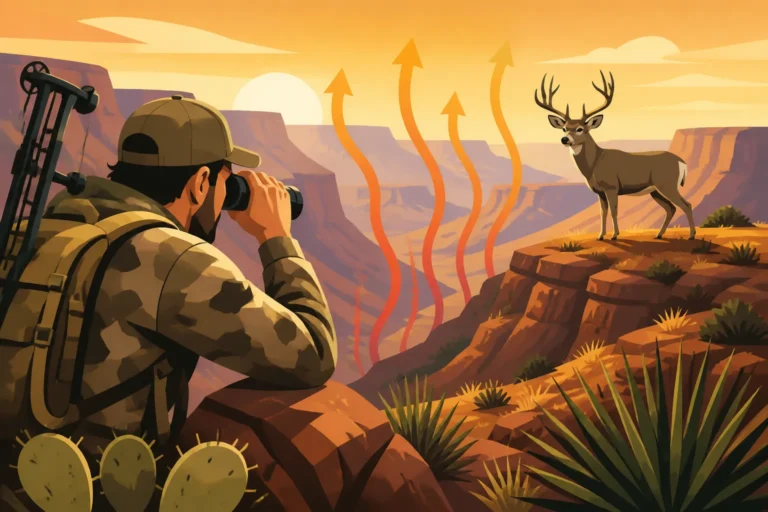
Your strategy should revolve around intercepting them during these active periods or carefully stalking their bedding areas when conditions allow. Focus your scouting efforts on identifying these key areas and the trails connecting them. Look for rubs and scrapes, even if they're minimal, as bucks begin to test their new antlers. Finding "Finding Water in New Mexico's Dry Country" is key, as deer cannot survive long without it, making reliable water sources natural congregation points. Pay close attention to wind direction, as thermals can be tricky in mountainous or canyon terrain, often rising in the morning and falling in the evening.
The Impact of Drought on Deer Numbers and Behavior
New Mexico, like much of the Southwest, is susceptible to drought conditions, and these can significantly impact deer numbers and behavior, particularly leading into an early fall hunt. Prolonged drought leads to sparse vegetation, limited forage, and reduced water availability. This can concentrate deer around the few remaining water sources and force them to travel further for food, making them more predictable in some ways but also more stressed.
In severe drought years, fawn survival can be lower, impacting future herd numbers. For hunters, this means adapting your strategy. Instead of looking for deer in widespread areas, you'll likely need to focus intensely on remaining riparian areas, perennial springs, and man-made water tanks. Understanding "How Drought Affects Desert Deer Numbers" is crucial for setting realistic expectations and tailoring your hunting approach to the environmental realities of your chosen unit. Checking long-range weather forecasts and current drought maps for your hunt area can give you a tactical edge in preseason planning.
Disclaimer
Please remember that hunting regulations and season dates can change. Always consult the official New Mexico Department of Game and Fish website or the current year's hunting proclamation before planning or embarking on any hunt. This guide provides general information and recommendations, but it is the hunter's responsibility to know and follow all applicable laws and regulations.