Parental Consent Requirements for Mentors
It’s an exciting prospect, introducing a young person to the traditions of hunting here in New Mexico, watching their eyes light up as they learn about wildlife and conservation. But let's be honest, the paperwork and rules around mentoring youth can feel like navigating a dense thicket without a map, especially when it comes to making sure you've got all your ducks in a row with parental consent. This guide is here to clear up that confusion, explaining exactly what you, as a mentor, need to understand about parental permission to ensure a legal and enjoyable experience for everyone involved.
The Heart of New Mexico's Mentored Youth Program
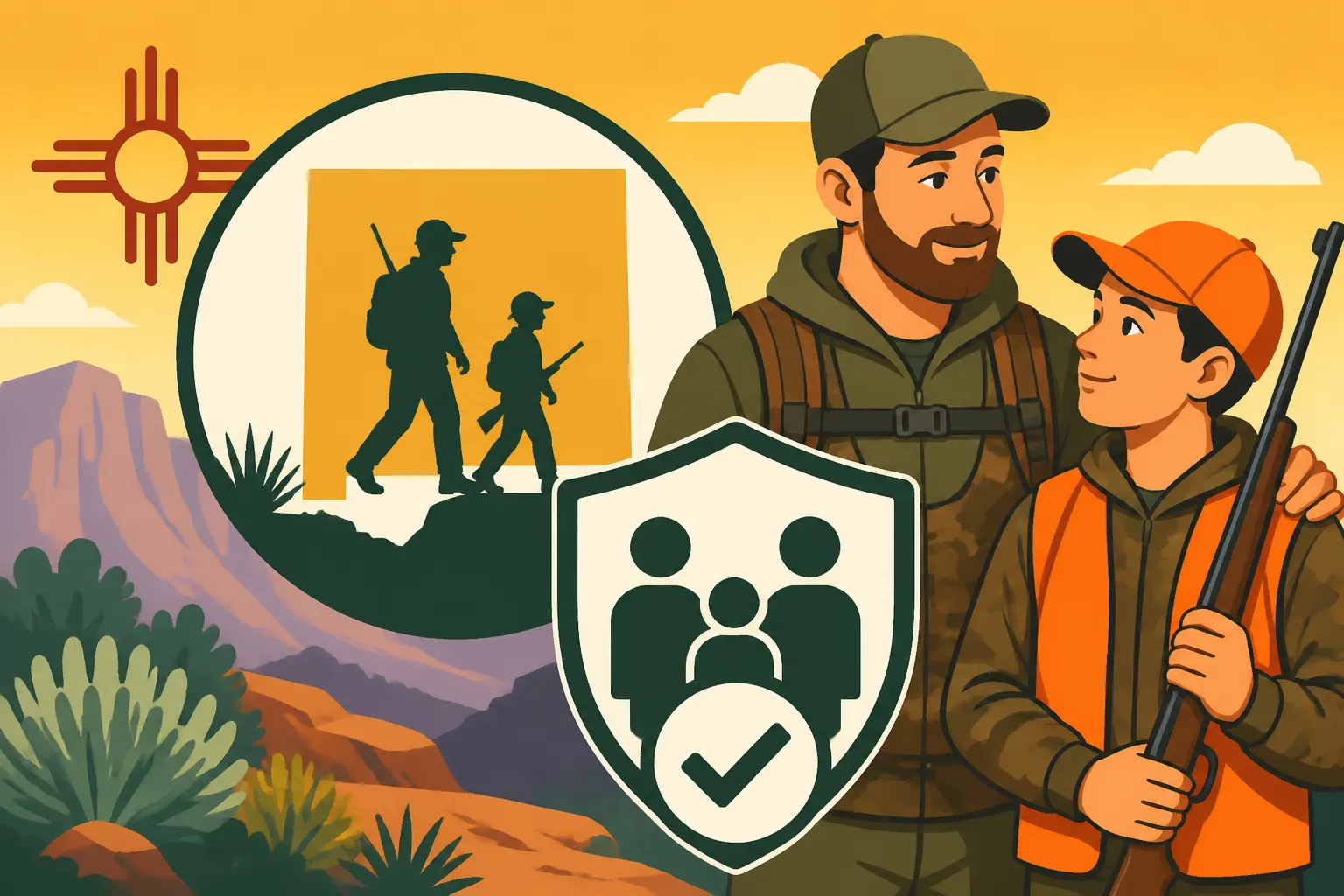
New Mexico offers a fantastic opportunity for young, aspiring hunters through its Mentored Youth Hunter Program. This initiative is designed to allow youth to gain invaluable field experience alongside a seasoned hunter, fostering a love for the outdoors and responsible hunting practices, all before they've even completed their full hunter education certification. It’s truly a stepping stone, a way for kids to dip their toes into the hunting world with guidance every step of the way.
For many families, this program is a godsend. It means a son, daughter, grandchild, or even a neighbor's child doesn't have to wait until they're older or have completed a potentially lengthy hunter education course to join in on a hunt. Instead, they can learn hands-on, directly from someone they trust, in real-world scenarios. This program is all about building foundational skills and passing on traditions in a safe, supervised environment. It's truly a program designed to bridge the gap between interest and full participation, but it comes with clear responsibilities for the mentor.
Who Can Be a Mentor? And the Basic Requirements
So, who exactly qualifies to be a mentor in this crucial role? It’s not just anyone with a hunting license, and that’s an important distinction to make right off the bat. The state of New Mexico sets forth specific, non-negotiable criteria to ensure that youth are guided by responsible and knowledgeable individuals. First and foremost, a mentor must be at least 18 years old. This isn't just an arbitrary age; it ensures a level of adult maturity and judgment.
Beyond age, the mentor must possess a valid New Mexico hunting license for the current season. This seems obvious, but it’s easy to overlook in the excitement of planning a hunt. More importantly, they must also have either an active hunter education number or a valid mentor number from the New Mexico Department of Game and Fish (NMDGF). This is where some folks get tripped up. The mentor number is essentially an acknowledgment by the state that you understand your responsibilities under the program, particularly regarding the youth you're accompanying. It’s not just about knowing how to shoot; it’s about knowing the rules and how to safely and ethically teach. For a deeper dive into these specifics, it’s worth reading about What a Mentor Number Requires in New Mexico. This ensures that mentors are not only experienced hunters but also understand the specific guidelines for supervising youth.
The Role of Parental Involvement
When we talk about parental consent, it's not always a single, signed piece of paper. Often, for children hunting with their own parent or legal guardian, the act of taking them hunting under the Mentored Youth Program implies consent. The parent or guardian, by virtue of their presence and active supervision, is fulfilling that requirement. They are the ones making the decision to expose their child to hunting, and they are directly responsible for their child's actions and safety in the field.
However, the situation shifts considerably when a mentor is not the parent or legal guardian. In these cases, formal parental consent becomes a much more explicit requirement. Parents are entrusting their child to another adult in a potentially hazardous environment, and the state needs to know that this decision has been made knowingly and willingly by the legal guardians. The intent of the program is to facilitate learning, not to bypass parental authority or responsibility. The more detailed aspects of The New Mexico Mentored Youth Program Explained shed light on the broader framework, but the consent piece is often where questions arise.
Parental Consent: What It Truly Means for Mentors
This is where the rubber meets the road. If you're stepping up to mentor a youth who isn't your own child, understanding the nuances of parental consent is critical. It's not just a good idea; it's a legal and ethical obligation that protects everyone involved. You're taking on a significant responsibility, and ensuring that the child's parents or legal guardians are fully on board, and that this is documented, is paramount.
The core principle here is ensuring accountability and safety. A child, by legal definition, cannot provide consent for themselves for an activity like hunting. Their legal guardians must do so. This is to protect the child, the mentor, and to uphold the integrity of the program. Without clear consent, a mentor could unknowingly expose themselves to serious legal repercussions, even if their intentions were entirely honorable. It’s one of those details that can feel bureaucratic, but it’s there for a very good reason.
Youth Under 10: Direct Supervision and Implied Consent
For the youngest participants in the Mentored Youth Program, those who are under 10 years old, the rules are quite clear regarding supervision. These young hunters must be under the direct, continuous, and immediate supervision of their mentor. This isn't a suggestion; it's a mandate. "Direct, continuous, and immediate" means the mentor must be within arm's reach, able to take physical control of the firearm or bow at all times, and constantly able to communicate with and oversee the youth. This is crucial for safety and for effective teaching.
When the mentor is the parent or legal guardian, their physical presence and active supervision on the hunt serve as the primary form of parental consent. By taking their child into the field under these program rules, they are implicitly giving consent for their child to participate. There isn't typically a separate form they need to fill out for themselves to mentor their own child. However, if you are mentoring a child under 10 who is not your own, even if the parent is present, securing explicit consent from the parent is still a wise, if not mandatory, move. It formalizes the understanding and clarifies responsibilities. Always refer to the NMDGF regulations for the most current and explicit requirements, as these can sometimes be subject to interpretation or minor changes.
Youth 10 to Under 18: Understanding the Guardian's Role
Once a youth turns 10, the level of direct supervision under the Mentored Youth Program can relax slightly compared to the under-10 age group. While still requiring a mentor, the youth between 10 and under 18 years old do not need to be within "arm's reach." The mentor still needs to be close enough for effective communication and control, but they can be a bit more hands-off, allowing the youth to develop more independence in their hunting experience. This transition is important, reflecting a growing capability and understanding in the young hunter.
However, the requirement for parental consent remains just as vital, particularly when the mentor is not the legal guardian. For this age group, it is absolutely imperative that the mentor obtains documented, explicit consent from the youth's parent or legal guardian. This isn't something to gloss over or assume. The youth might be more capable in the field, but they are still minors, and their participation in a hunting activity without documented parental permission could lead to serious issues. This is especially true if any incident were to occur, no matter how minor. This legal requirement underscores the importance of the guardian's active role in approving and supporting their child's hunting pursuits. Understanding Age Limits Inside the Mentored Youth Program can provide further context on these distinctions.
Navigating Practicalities and Legalities as a Mentor
Being a mentor is a rewarding experience, but it’s also one that comes with responsibilities that go beyond just knowing how to track game or make a good shot. Understanding the practical steps to ensure you’re compliant with New Mexico’s regulations, especially around parental consent, is key to making sure your mentored hunt is legal, safe, and enjoyable for everyone.
Think of it as preparing for any major expedition. You wouldn’t head into the backcountry without the right gear, and you shouldn’t head into a mentored hunt without the right documentation and understanding of the rules. It's about protecting yourself, the youth, and the integrity of the program.
Documenting Consent for Non-Parent Mentors
When you are mentoring a youth who is not your child or legal ward, written parental consent isn't just a suggestion—it's a critical piece of the puzzle. While the NMDGF may not provide a specific, mandatory form, it is your responsibility as the mentor to ensure you have clear, undeniable proof of this consent. A simple, well-drafted letter or form can accomplish this.
Here’s what such a document should ideally include:
- Identification of the Youth: Full name and date of birth.
- Identification of the Parent/Legal Guardian: Full name(s) and contact information.
- Identification of the Mentor: Full name and contact information, including your NMDGF Mentor Number or Hunter Education Number.
- Clear Statement of Consent: A sentence explicitly stating that the parent/guardian grants permission for their child to participate in hunting activities under the supervision of the named mentor, as part of the New Mexico Mentored Youth Hunter Program.
- Hunt Details: While not always required, including the specific dates, units, and species the youth will be hunting can add clarity (e.g., "Muzzleloader Deer Windows Across New Mexico Units" or "New Mexico Archery Deer Season Structure").
- Emergency Contact Information: Updated and readily accessible emergency contacts for the youth.
- Medical Information/Allergies: Any relevant medical conditions or allergies the mentor should be aware of.
- Parent/Guardian Signature(s): Dated signatures from all legal guardians.
- Witness Signature: Having a third party witness the signature can add an extra layer of verification, though it's often not strictly required.
Keep this document with you at all times while afield with the mentored youth. Think of it like carrying your license and tag—it's essential. This acts as your proof should any game warden or official inquire about the youth's participation. This practice safeguards you and demonstrates your commitment to operating within ethical and legal boundaries.
Common Misconceptions and Best Practices
There are a few recurring misunderstandings that often trip up mentors and parents alike when it comes to the Mentored Youth Program and consent.
One common misconception is believing that if the parent just tells you it's okay, that's sufficient. While verbal consent is a starting point, it holds very little weight if challenged in the field. Always, always aim for written documentation. Another myth is thinking that if the youth has started their hunter education course, they're somehow exempt from the mentor program's requirements. Not true. Until they have a certified hunter education number, they operate under the rules of the Mentored Youth program, which means they need a mentor and, if you're not the parent, parental consent. For the broader scope of requirements, it's good to be familiar with Who New Mexico's Hunter Education Rule Covers.
Best practices for mentors extend beyond just the paperwork. Regular and open communication with the parents is vital. Discuss expectations, safety protocols, and what the hunt will entail. Make sure they understand things like Legal Shooting Hours and Blaze Orange in New Mexico and other important regulations. Before the hunt, review safety rules with the youth, demonstrate proper firearm or bow handling, and talk about ethical hunting principles. Take the time to go over things like target identification, shot placement, and what to do if an animal is wounded. The goal isn't just to harvest an animal, but to cultivate a responsible, knowledgeable hunter.
| Youth Age Category | Mentor Relationship to Youth | Consent Requirement | Best Practice for Documentation |
|---|---|---|---|
| Under 10 | Parent/Legal Guardian | Implied by presence | N/A (implied) |
| Under 10 | Non-Parent Mentor | Explicit required | Written consent form |
| 10 to Under 18 | Parent/Legal Guardian | Implied by presence | N/A (implied) |
| 10 to Under 18 | Non-Parent Mentor | Explicit required | Written consent form |
Resources and Planning for a Successful Mentored Hunt
Bringing a new hunter into the fold is a huge responsibility, but it's also incredibly rewarding. The more prepared you are as a mentor, the smoother and safer the experience will be. Beyond just securing parental consent, thoughtful planning and utilizing available resources can make all the difference for a truly successful and memorable mentored hunt in New Mexico.
Remember, the aim is to pass on a passion, not just a skill. This means creating an environment where learning and positive experiences take precedence, where the youth feels supported and safe. It's about building confidence and a deep respect for the wildlife and the outdoors.
Utilizing Digital Tools for Planning
In this day and age, we have incredible digital tools at our fingertips that can vastly improve hunt planning, especially when mentoring a youth. Resources like GoHunt are invaluable for understanding unit boundaries, identifying public land access, and even researching historical harvest data. You can e-scout potential hunting areas, look for key terrain features like water sources or bedding areas, and get a better feel for the landscape long before you ever set foot on the ground. Utilizing these tools allows you to plan routes, identify potential safe shooting lanes, and pinpoint areas that might be less strenuous for a younger hunter.
For instance, using an app like GoHunt to examine public land percentages in a unit where you plan to take a mentored youth on a deer hunt can help you identify areas with good access and reduced pressure. This can be especially helpful when you're looking to teach tracking or still hunting in areas like those discussed in Reading a New Mexico Hunt Code Before You Apply or for learning E-Scouting a New Mexico Unit Before the Season. Having a clear picture of the terrain and potential obstacles beforehand means fewer surprises and a more focused, educational experience for your young charge.
Ensuring Safety and Ethical Practices
Safety, above all else, must be the cornerstone of any mentored hunt. This starts with firearm or bow safety and extends to field safety. Ensure the youth is comfortable and confident with their chosen weapon. Practice extensively at a range before the hunt, focusing on fundamentals like trigger control, sight picture, and muzzle awareness. For firearms, confirm they understand caliber requirements like Muzzleloader Caliber Minimums for Elk and other species-specific regulations.
Beyond the weapon itself, teach them about being aware of their surroundings: identifying game clearly, understanding shot angles, and knowing what's beyond their target. Discuss the importance of wearing blaze orange, even when it might not be strictly required for archery hunts, simply as an added layer of safety. Remind them about proper field dressing and the ethical retrieval of game, even in challenging conditions that might involve Heat Management on an Early Season Hunt.
Ethical practices are just as important as safety. Teach respect for wildlife, land, and fellow hunters. Emphasize fair chase principles and the importance of following all regulations, no matter how minor they may seem. This includes proper tagging of downed animals, adhering to legal shooting hours, and understanding rules around baiting or using trail cameras. By instilling these values early, you’re not just creating a hunter, you’re nurturing a true conservationist who will carry on these traditions responsibly for years to come.
Disclaimer
The information provided in this guide is for general informational purposes only and does not constitute legal advice. Hunting regulations can change, and it is the individual hunter's responsibility to review the current New Mexico Department of Game and Fish (NMDGF) regulations annually. Always consult the official NMDGF rules and information booklet or contact the NMDGF directly for the most accurate and up-to-date information before participating in any hunting activity.