New Mexico Mentored Youth Can Hunt Two Years Before Certifying
It’s a tale as old as time for many aspiring young hunters and their eager parents or guardians: that burning desire to get out in the field, to experience the thrill of the chase, but hitting a wall when it comes to the mandatory hunter education course. It feels like a bureaucratic hurdle, especially when your little one is bursting with excitement and you're just trying to introduce them to a lifelong passion. Many states require hunter certification before anyone, regardless of age, can even step foot into a hunting scenario. But here in New Mexico, we do things a little differently, making it easier for new, young blood to join the ranks. This guide is all about New Mexico’s Mentored Youth Program, specifically how it allows youngsters to hunt for two full license years before they’re required to complete that hunter education certification.
Understanding the New Mexico Mentored Youth Program
The New Mexico Mentored Youth Program is a fantastic initiative designed to bridge that gap between youthful enthusiasm and the legal requirements of hunting. It recognizes that sometimes, getting a kid through a multi-day hunter education course or a lengthy online program isn't always feasible right at the start. Maybe they're too young to absorb all the information, or scheduling conflicts make it tough. The program's core philosophy is simple: get them out there, under the direct supervision of an experienced, certified adult, and let them learn hands-on.
This program isn't just about bending the rules; it's about fostering a deeper, more personal connection to hunting and conservation from a young age. Instead of just reading about safety, a mentored youth lives it, with every step and every decision guided by a seasoned hunter. The idea is that this direct, real-world experience, coupled with constant interaction, creates a more profound and lasting understanding of ethical hunting practices and firearm safety. It’s an invaluable opportunity for parents and mentors to pass down traditions, teach responsibility, and ignite a passion for the outdoors that classroom settings sometimes struggle to achieve.
Ultimately, the Mentored Youth Program aims to address the nationwide decline in hunter numbers by removing initial barriers and making entry into hunting more accessible and engaging for younger generations. It’s a smart way to ensure that the heritage of hunting continues to thrive, built on a foundation of practical learning rather than purely theoretical instruction. This early exposure, under the watchful eye of a mentor, can set a child on a path to becoming a responsible, ethical hunter long before they ever sit down for a formal certification test. For a more detailed look into the program's purpose and design, check out The New Mexico Mentored Youth Program Explained.
The "Two Years Before Certifying" Rule in Detail
This is the golden ticket for many families: the ability to participate in hunting activities without immediate hunter education certification. New Mexico allows eligible youth to hunt as a mentored participant for two license years. This doesn't mean two calendar years; it means two consecutive license years from the date they first enroll or purchase a mentored youth license. For instance, if a child begins in the 2023-2024 license year, they can also participate in 2024-2025 as a mentored youth without hunter education. By the start of the 2025-2026 license year, they would need to have completed their hunter education.
During this two-year window, the mentored youth is exempt from the hunter education certification requirement. This doesn't mean they can just go out and hunt alone. Far from it. This entire period is predicated on strict direct supervision by a qualified mentor. The flexibility of this rule is a huge benefit, allowing families to plan hunts around school schedules and other commitments without the immediate pressure of an upcoming certification deadline. It gives young hunters a taste of the real deal, helping them decide if hunting is truly for them before committing to the full certification process.
It’s crucial to understand that while the certification is waived for these two years, the responsibilities surrounding safety and ethics are not. In fact, they are heightened, resting squarely on the shoulders of the mentor. This period is a grace period, an on-the-job training program, rather than a free pass. It’s an investment in their future as a hunter, where practical experience solidifies the principles that will later be formally tested. To fully grasp the duration and progression of this status, it's worth reviewing How Long Mentored Youth Status Lasts.
Eligibility and Requirements for Mentored Youth
So, who exactly can be a mentored youth in New Mexico? The program is open to young individuals who meet specific criteria. First, they must be under the age of 18. There isn't a minimum age to be a mentored youth, but they must be mature enough to understand and follow instructions and safely participate in the hunt. Most importantly, the mentored youth must be a first-time hunter. This means they haven't previously obtained a New Mexico hunting license or completed a hunter education course in New Mexico or any other state. This condition is in place to ensure the program serves its intended purpose: introducing new participants to hunting.
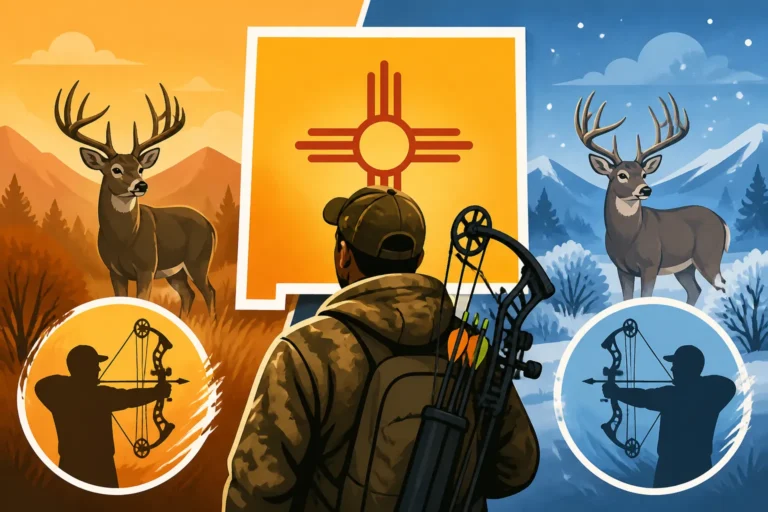
When it comes to what a mentored youth can hunt, New Mexico is quite generous. They are generally permitted to hunt any species for which a license or tag is available, provided their mentor also possesses the appropriate license or tag for that species and unit. This means a mentored youth could hunt deer, elk, bear, turkey, or small game, depending on the mentor's qualifications and the available seasons. However, the specific rules regarding whether a mentor needs a tag to simply supervise versus hunt alongside the youth can vary by species and season, so always check the current New Mexico Hunting Rules & Information booklet. Weapon choice is also broad, typically aligning with the weapon types permitted for the specific hunt code, whether it's archery, muzzleloader, or any legal weapon.
It's not just about age and being a first-timer, but also about the spirit of the program. The emphasis is on learning, growth, and experiencing the outdoors. It's not designed for experienced young hunters who simply haven't gotten around to certification. It's truly for those embarking on their first journey into the hunting world. Understanding these specific age brackets and the opportunities available is key, so I'd recommend looking at Age Limits Inside the Mentored Youth Program and Which Species a Mentored Youth May Hunt in New Mexico to confirm all the details. Additionally, the "first-time hunter" stipulation is a critical piece, as elaborated in Must a Mentored Youth Be a First-Time Hunter?.
The Mentor's Crucial Role and Responsibilities
The success and safety of any mentored youth hunt hinge entirely on the mentor. This isn't a passive role; it's an active, engaged, and highly responsible position. To qualify as a mentor in New Mexico, an individual must be at least 18 years old and possess a valid hunter education certification. They must also have a current New Mexico hunting license that is valid for the species being hunted, if they plan to carry a weapon themselves. The mentor acts as the direct supervisor, instructor, and ethical guide for the youth throughout the hunting experience.
A unique requirement for mentors in New Mexico is obtaining a special "mentor number" from the New Mexico Department of Game and Fish (NMDGF). This number is linked to their hunter education certification and identifies them as an approved participant in the program. When a mentored youth purchases their license or tag, they will associate it with their mentor's number. This system helps NMDGF track participation and ensure that qualified individuals are guiding the youth. Getting this number is a straightforward process, usually available through the NMDGF website or by calling their offices.
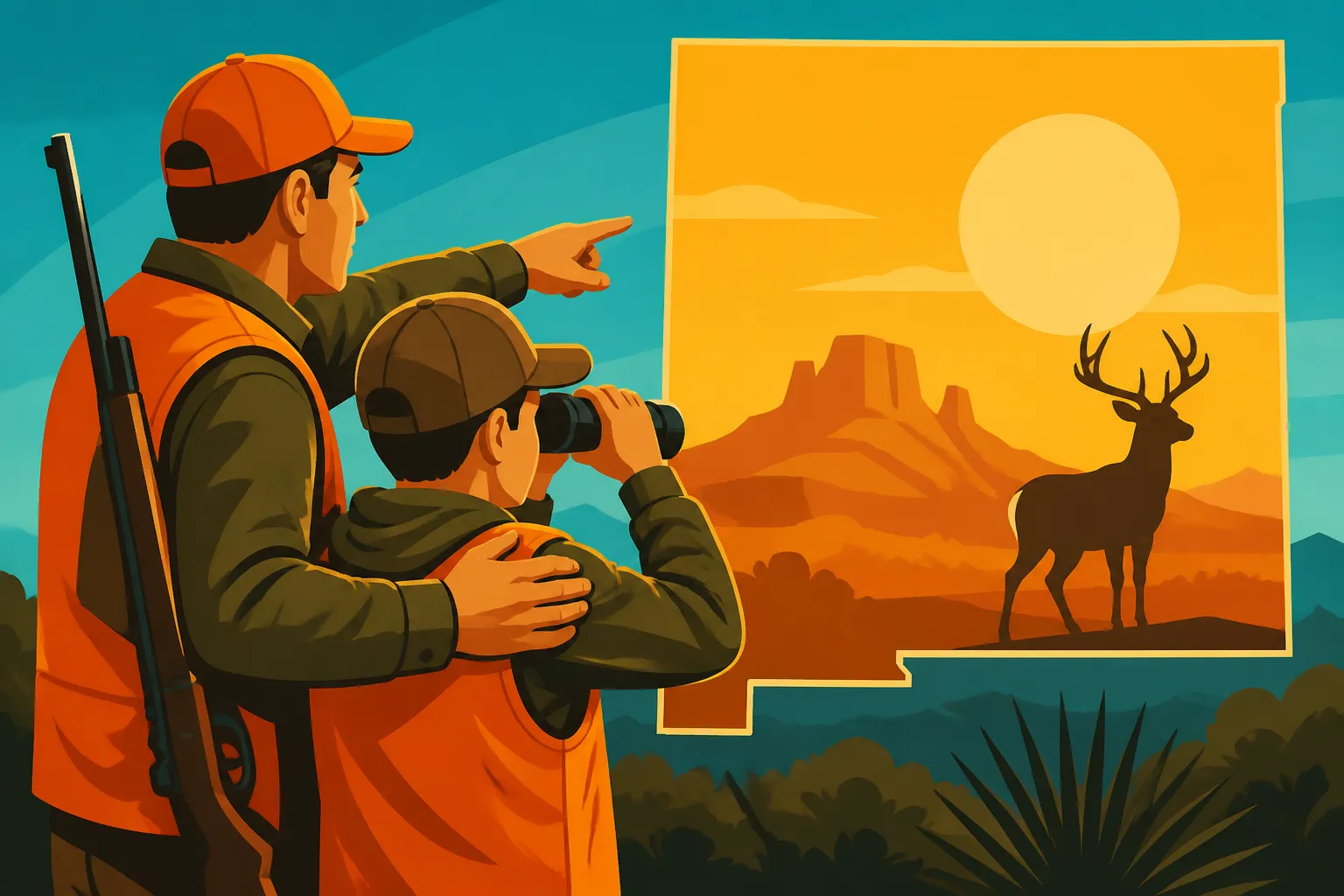
The concept of "direct supervision" is paramount. New Mexico regulations are clear: the mentor must be within "arm's length" of the youth while they are hunting. This isn't just about physical proximity; it implies constant, undivided attention. The mentor must be able to immediately take control of the firearm or bow, guide the youth's actions, and provide instant instruction or intervention if needed. This close supervision ensures safety and also maximizes the teaching opportunities, allowing the mentor to explain every aspect of the hunt, from stalking techniques to shot placement and ethical recovery. This hands-on guidance creates an immersive learning environment that formal courses sometimes struggle to replicate. Detailed information on mentor requirements can be found in How Old a New Mexico Mentor Must Be and Getting a Mentor Number From New Mexico. Additionally, securing parental consent is often part of the process, which is outlined in Parental Consent Requirements for Mentors.
Navigating the Transition to Certified Hunter
After two license years in the Mentored Youth Program, the time comes for the young hunter to take the next step: becoming fully certified. This transition is a crucial part of the program's design, ensuring that while initial barriers are removed, comprehensive hunter education is still completed. The program isn't meant to bypass certification indefinitely; it’s a pathway to it. By this point, the youth will have accumulated a significant amount of practical, in-field experience under their mentor's guidance, which will serve as an excellent foundation for the formal hunter education course.
New Mexico offers various options for completing hunter education. There are traditional in-person courses, often spanning a weekend or several evenings, which provide hands-on instruction and direct interaction with certified instructors. These courses typically cover firearm safety, wildlife identification, hunting ethics, game laws, first aid, and survival skills. For those with busy schedules, online hunter education courses are also available, which can be completed at the youth's own pace, often followed by a mandatory field day where practical skills are assessed. The NMDGF website is the best resource for finding local classes or approved online providers.
It's important to start planning this transition well in advance of the two-year mark. Hunter education courses, especially field days, can fill up quickly, particularly during peak seasons. Proactive scheduling ensures the young hunter doesn't miss out on future hunting opportunities due to a lapse in certification. Completing hunter education not only meets the legal requirement but also empowers the young hunter with a deeper theoretical understanding, further reinforcing the practical lessons learned in the field. This full certification marks their readiness to hunt independently (within age restrictions) and take on the full responsibility of being a safe and ethical hunter. For detailed information on the requirements, refer to The New Mexico Hunter Education Requirement, and to understand the commitment, check How Long the Online Hunter Education Course Takes and Does Hunter Education Include a Field Day?.
Practical Tips for a Successful Mentored Youth Hunt
Planning a mentored youth hunt goes beyond just having the right licenses and understanding the rules; it's about creating a positive and memorable experience that instills a love for hunting and the outdoors. Physical preparation is important, even for younger participants. Depending on the terrain and species, hiking stamina, layered clothing for variable weather, and appropriate footwear are critical. For a desert hunt, carrying sufficient water is non-negotiable. Always pack more than you think you’ll need, especially in New Mexico's arid climate. Take a look at Water You Must Carry on a Desert Day Hunt for specific advice on hydration.
Choosing the right gear is also key. While the youth might be eager to use a large caliber rifle or a heavy bow, starting them with youth-appropriate firearms or bows that fit their stature and strength is paramount for safety and success. Recoil pads, reduced-load ammunition, and lighter draw weight bows can make a huge difference in their comfort and accuracy. The goal is to make shooting enjoyable, not an intimidating chore. Focus on proper form and small successes.
When it comes to selecting a hunting unit and species, think accessible and achievable for a beginner. Instead of immediately diving into a grueling Gila elk hunt, perhaps start with something more manageable, like a javelina hunt in the southern desert or a pronghorn hunt on the eastern plains where spotting and stalking might be less physically demanding. Use resources like GoHunt to research different units, terrain types, and public land access. Their maps and data can be invaluable for identifying units with easier access and higher success rates for specific species. E-scouting beforehand can help you pinpoint areas with good game sign and relatively flat ground, which can make all the difference for a young hunter. You can gain valuable insights by exploring E-Scouting a New Mexico Unit Before the Season. Remember, the first hunts are about building confidence, making memories, and having fun, not necessarily punching a tag. Focus on the entire experience: the sunrise, the wildlife viewed, the camaraderie, and the lessons learned.
Common Misconceptions and FAQs
There are a few recurring questions and misunderstandings surrounding the Mentored Youth Program that are worth clarifying to avoid any confusion or accidental violations of the rules.
One of the most frequent questions is: Can a mentored youth hunt alone? The answer is an unequivocal no. The core tenet of the program is "direct supervision." This means the mentor must be within arm's length, maintaining constant visual and verbal contact, ready to intervene at any moment. Allowing a mentored youth to hunt solo, even for a short period, negates the entire purpose of the program and is a violation of New Mexico game laws. The mentor is legally responsible for the youth's actions while hunting.
Another common query revolves around the mentor's own hunting activities: Does a mentor need to have the same tag as the mentored youth if they also want to hunt? Generally, yes. If the mentor wishes to carry a weapon and actively participate in the hunt (i.e., also attempting to harvest an animal), they must possess their own valid license and tag for the same species and unit. The mentor's tag does not "cover" the youth's hunting privilege, nor vice-versa. The youth must have their own license and tag for the species they are hunting. The mentor's presence is primarily for supervision and instruction, but if they intend to hunt themselves, they must be fully licensed and tagged just like any other hunter. The rules ensure that both individuals are legally participating in the hunt according to their respective roles.
Regarding gear and safety specifics, people often ask about requirements like blaze orange and legal shooting hours. Even though they are mentored, young hunters must adhere to all general hunting regulations. This means wearing required blaze orange during rifle seasons (even if bowhunting at the time), respecting legal shooting hours (from one-half hour before sunrise to one-half hour after sunset), and following all specific weapon restrictions for the hunt code. These are not exemptions for mentored youth; they are universal safety and regulatory standards. For a clear understanding of these general rules, be sure to read Legal Shooting Hours and Blaze Orange in New Mexico. Always refer to the current year's NMDGF Hunting Rules & Information booklet for the most up-to-date and comprehensive details to ensure a safe and legal hunt for everyone involved.
The Long-Term Impact of Mentored Youth Programs
The Mentored Youth Program in New Mexico isn't just about getting a kid into the woods for a couple of years; it's a strategic investment in the future of hunting and wildlife conservation. By providing this accessible entry point, the program plays a vital role in fostering a lifelong love for the outdoors and a deep respect for natural resources. Young hunters who start through this program often develop a much stronger appreciation for the ethical dimensions of hunting, having learned directly from an experienced individual how to make responsible decisions in the field.
This direct, hands-on learning, combined with the personal connection to a mentor, is incredibly powerful in passing down the rich traditions of hunting. It's about more than just pulling a trigger; it's about understanding animal behavior, reading the landscape, respecting fair chase principles, and appreciating the sustenance that hunting provides. These are lessons that resonate deeply and are carried forward into adulthood. Mentored youth often grow up to become passionate advocates for conservation, understanding firsthand the importance of wildlife management and habitat preservation.
Ultimately, programs like New Mexico's Mentored Youth initiative are crucial for hunter recruitment and retention. In an increasingly urbanized world, fewer young people are exposed to hunting and the outdoors. By lowering initial barriers and making the experience approachable and educational, these programs ensure that new generations discover and embrace hunting. This sustained participation is not only vital for the continuation of hunting traditions but also for the financial health of wildlife agencies, which rely heavily on license and tag sales to fund their conservation efforts. Every new hunter brought into the fold, especially through such a thoughtful and supportive program, strengthens the foundation of wildlife conservation for decades to come.
Disclaimer
Please note: Hunting regulations and program specifics can change. While every effort has been made to provide accurate and up-to-date information, it is the sole responsibility of the hunter to consult the most current New Mexico Department of Game and Fish Hunting Rules & Information booklet, available on the NMDGF website, before participating in any hunting activities. This guide is for informational purposes only and does not constitute legal advice.