What Mentored Youth Under Ten May Hunt
There's a special kind of joy that comes from introducing a young person to the outdoors, to the quiet moments and thrilling challenges of hunting in New Mexico. However, if you're a parent or guardian looking to bring a child under ten into the field, the regulations can feel a bit murky, leaving you wondering exactly what opportunities are available to them. This guide aims to clear up that confusion, providing a comprehensive look at what species mentored youth under ten years old are legally permitted to hunt in the Land of Enchantment.
Understanding New Mexico's Mentored Youth Hunting Program
New Mexico's Mentored Youth Hunting Program is a fantastic initiative designed to foster a love for hunting and conservation in the next generation. It allows young, aspiring hunters to gain invaluable field experience under the direct supervision of an experienced mentor, without first having to complete a hunter education course. This is a critical distinction, as it removes one of the initial barriers to entry for many families. However, it's really important to understand that this exemption from hunter education only lasts for two license years. After that, they’ll need to complete the course to continue hunting. You can find a more complete breakdown of the program in our guide on The New Mexico Mentored Youth Program Explained.
The core idea behind the program is safety and education. The mentor isn't just a chaperone; they're an active participant, responsible for the youth's conduct, safety, and adherence to all hunting regulations. This means they need to be vigilant, proactive, and ready to intervene at a moment's notice. The program recognizes that some of the most impactful learning happens through hands-on experience, guided by someone with a deep understanding of ethical hunting practices and wildlife management.
While the general Mentored Youth Program covers individuals under 18, specific age brackets have different permissions. For our youngest hunters, those under ten, there are particular limitations on what they can pursue, which we'll dive into next. This ensures that their introduction to hunting is appropriate for their developmental stage, focusing on simpler, safer, and less physically demanding hunts that can build a strong foundation for future, more complex experiences.
Specific Species for Mentored Youth Under Ten Years Old
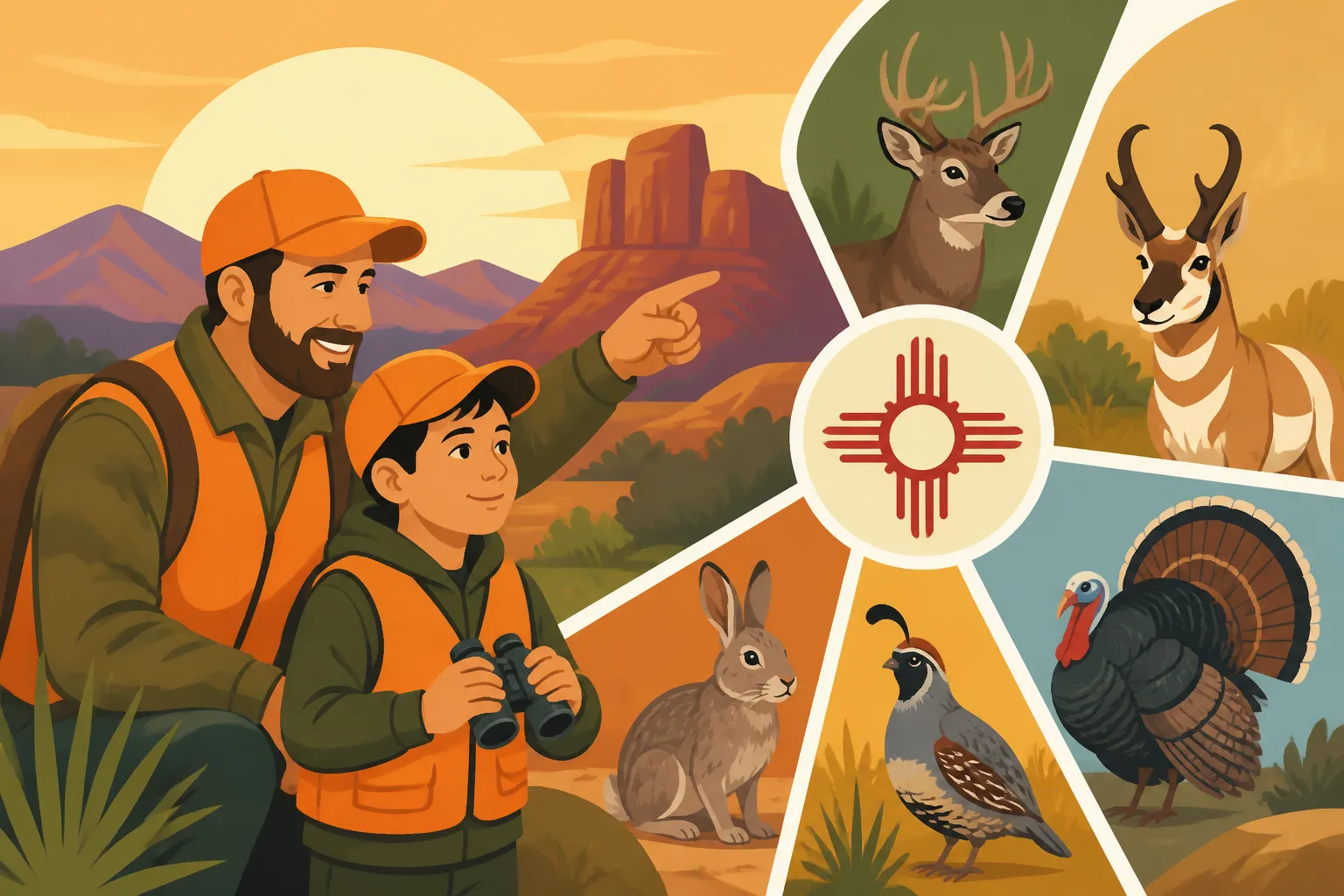
This is where many mentors and parents often get tripped up, and it's absolutely crucial to understand the distinction. For mentored youth who are under ten years old, the New Mexico Department of Game and Fish (NMDGF) regulations are quite clear: they are restricted to hunting small game and turkey only.
Let's break down what that means and, more importantly, what it doesn't mean.
No Big Game for Under-Tens
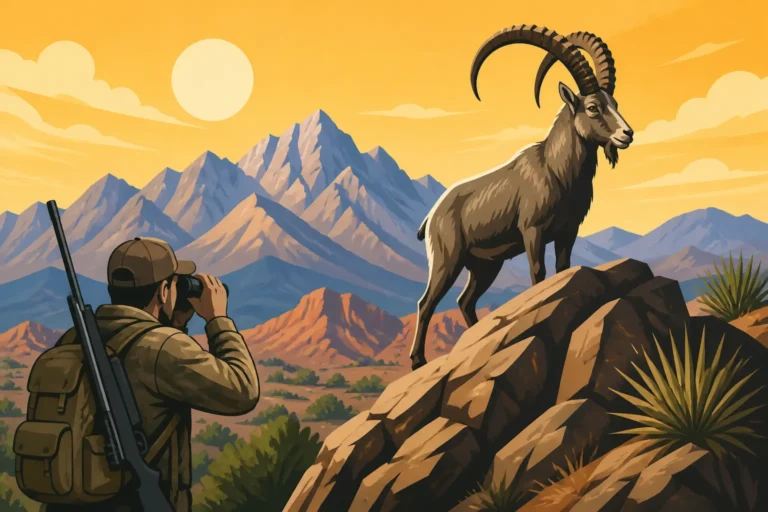
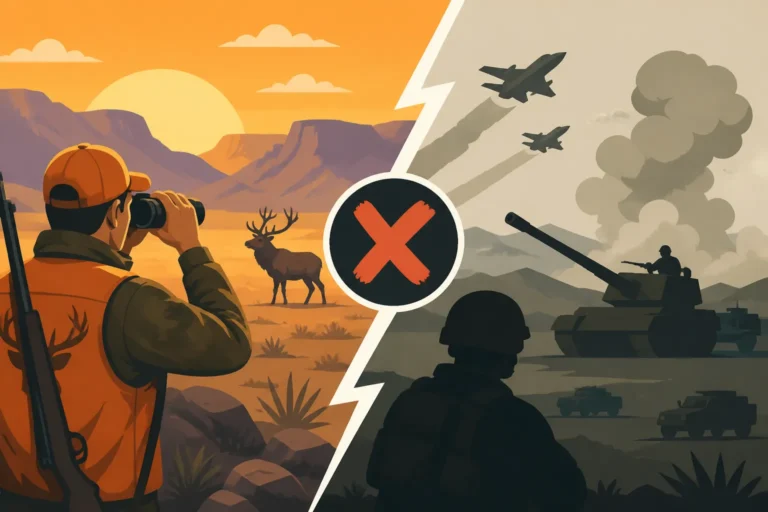
It cannot be stressed enough: mentored youth under the age of ten are NOT allowed to hunt big game animals in New Mexico. This includes popular species like deer (mule deer and Coues deer), elk, pronghorn, oryx, bear, cougar, or bighorn sheep. While it might be tempting to get an excited youngster out on an elk hunt, the regulations are firm on this. The logic behind this restriction is multi-faceted, often revolving around the physical demands of big game hunting, the power of the firearms or bows required, and the ethical responsibility involved in tracking and recovering large animals. These are experiences best reserved for when a hunter has a bit more maturity, strength, and formal training.
So, if you're dreaming of taking your 8-year-old on an archery deer hunt, you'll need to wait a couple more years. Once they hit that magical double-digit birthday, the world of big game hunting opens up, provided they meet other criteria, of course. For a broader look at species by age, check out Which Species a Mentored Youth May Hunt in New Mexico.
The Excitement of Small Game and Turkey
While big game might be off-limits, there's still a vibrant world of hunting opportunities for the under-ten crowd! New Mexico offers excellent small game hunting, which is often an ideal starting point for young hunters. It's less intimidating, generally requires less strenuous physical exertion, and provides more action, which is perfect for maintaining a child's attention and enthusiasm.
Here’s what they can hunt:
- Turkey: This is a big one! Mentored youth under ten can participate in New Mexico's spring and fall turkey seasons. Turkey hunting offers a thrilling experience with calling, stealth, and waiting that can be incredibly rewarding. It teaches patience and keen observation skills, all while pursuing a substantial bird.
- Quail: New Mexico is home to several species of quail, including Gambel's, Scaled, and Bobwhite. Quail hunting, often done with a good bird dog, is fast-paced and exciting. It’s perfect for teaching gun safety, target acquisition, and the importance of working with an animal. For insights into hunting these speedy birds, read our article on New Mexico Quail Season Openers.
- Dove: Early season dove hunts are a classic way to introduce new hunters to wing-shooting. The sheer numbers of doves can provide ample shooting opportunities, making it less likely for a young hunter to get discouraged. Plus, it's usually warm weather, which is always a bonus. Dive deeper into dove hunting with our guide on New Mexico Dove Season Framework.
- Rabbit and Squirrel: Cottontail rabbits and various squirrel species are abundant in many parts of New Mexico. These hunts are low-pressure, can be very productive, and are fantastic for teaching tracking, stalking, and precise shot placement. They're also often accessible close to home, making for easy day trips.
Summary of Mentored Youth Under 10 Hunting Permissions:
| Game Category | Species Allowed (Under 10) | Notes |
|---|---|---|
| Big Game | NONE | No deer, elk, oryx, bear, etc., until age 10. |
| Upland Birds | Turkey, Quail, Dove, Pigeon, Grouse | Excellent opportunities for shotgun skills and patience. |
| Small Game | Cottontail Rabbit, Jackrabbit, Tree Squirrel | Great for teaching stalking, tracking, and marksmanship. |
| Furbearers/Predators | Coyote, Bobcat (with appropriate licenses/tags and within season rules) | Often year-round opportunities for coyote, but less common for first-time youth hunters. |
It’s always a good idea to consult the most current New Mexico Hunting Rules & Information booklet from the NMDGF website before heading afield. Regulations can sometimes change, and staying up-to-date is part of being a responsible hunter. A useful resource like GoHunt can also provide quick access to current regulations and unit-specific details, helping you verify season dates and bag limits before you finalize your plans.
Rules and Responsibilities for Mentors
Being a mentor in New Mexico's youth hunting program is a significant responsibility, but it's also incredibly rewarding. Your role goes far beyond just accompanying the youth; you are their primary instructor, safety officer, and ethical guide. The New Mexico Department of Game and Fish (NMDGF) has specific requirements for mentors to ensure the safety and proper education of these young hunters.
Mentor Requirements and Qualifications
First and foremost, a mentor must be at least 18 years old. This ensures a certain level of maturity and experience. Additionally, the mentor must possess a valid New Mexico hunting license for the current year. This isn't just a formality; it means you're financially contributing to conservation efforts and are acknowledged as a legal hunter in the state. Don't forget any required stamps, like the Habitat Management & Access Validation (HMAV) and the Habitat Stamp, if you'll be hunting on federal lands.
Crucially, the mentor must have successfully completed an NMDGF-approved hunter education course, or be exempt from hunter education (which typically applies to individuals born before January 1, 1972). This requirement ensures that the mentor themselves has a foundational understanding of firearm safety, wildlife identification, ethics, and regulations. It’s their knowledge that will be passed on to the youth.
Another vital piece of the puzzle is having a mentor number. This is a unique identifier provided by the NMDGF that links the mentor to the youth hunter in the system. Getting this number is a straightforward process, but it's essential to complete it before the hunt. Our guide on What a Mentor Number Requires in New Mexico explains this in more detail.
Direct Immediate Supervision Defined
The NMDGF stresses the concept of "direct immediate supervision." For mentors accompanying youth using a firearm, this means the mentor must be within arm's length of the youth. This isn't just about being nearby; it's about being close enough to physically intervene and take control of the firearm if necessary, preventing any unsafe situations.
If the youth is hunting with a bow (though this is unlikely for under-tens, given the small game focus, it's good to know for future reference), the mentor must be within conversational distance. While not as strict as arm's length, it still implies close proximity, allowing for immediate communication, instruction, and oversight. The key across all scenarios is the ability of the mentor to maintain immediate, positive control over the hunting situation.
Ethics, Safety, and Legal Compliance
As a mentor, you're the first line of defense against accidents and unethical behavior. This means:
- Prioritizing Safety: Firearm safety (or bow safety) is paramount. Teach the basic rules (treat every gun as loaded, never point at anything you don't intend to shoot, keep your finger off the trigger until ready to fire, be sure of your target and what's beyond it) before you even get to the field. Practice safe gun handling at home or at a range. Always ensure appropriate eye and ear protection is worn.
- Teaching Ethics: Hunting isn't just about pulling a trigger; it's about respect for wildlife, the land, and other hunters. Instill principles like fair chase, responsible shot placement, and proper game recovery. Emphasize why rules exist and why we follow them.
- Knowing the Rules: It's your job to ensure both you and your mentee comply with all New Mexico hunting regulations, including legal shooting hours, bag limits, and any blaze orange requirements. Even for small game, specific seasons and limits apply. For instance, our article on Legal Shooting Hours and Blaze Orange in New Mexico offers crucial details that every hunter, and especially every mentor, should be familiar with. Using an app like GoHunt can be incredibly helpful for quickly checking regulations while afield, as it often integrates official NMDGF data and mapping.
Your commitment to these responsibilities not only makes the hunt safe and enjoyable for the youth but also upholds the integrity of hunting as a whole.
Key Considerations for a Successful Youth Hunt
Bringing a child under ten into the hunting field requires more than just knowing the rules; it demands a mindful approach focused on creating positive experiences, building foundational skills, and fostering a lifelong love for the outdoors. Success isn't measured by a full game bag, but by a child's smile and their eagerness to go again.
Choosing the Right Hunt and Location
For mentored youth under ten, the primary goal should be to make the experience fun, engaging, and low-pressure. Small game hunting, such as dove, quail, or rabbit, is often ideal. These hunts typically offer more action, which can keep a young hunter's attention better than sitting in a blind for hours waiting for a deer that may never appear.
- Dove Season: Early dove seasons, usually in September, are fantastic. The weather is often mild, and doves can be plentiful, offering lots of shooting opportunities. This helps build confidence and gets them accustomed to handling a firearm.
- Quail Hunts: If you have access to good quail habitat and perhaps a bird dog, these hunts are incredibly interactive. They teach walking, flushing, and quick decision-making.
- Squirrel or Rabbit: These can be great for teaching stealth, observation, and precise shooting in a relaxed environment.
When selecting a location, consider accessibility and potential for success. Public lands across New Mexico offer vast opportunities. Using detailed mapping tools, like those provided by GoHunt, can help you identify areas with good small game populations, easy access, and minimal pressure. Looking for areas near water sources, especially during drier periods, can significantly increase your chances. Check out Water Sources and Ethics in Desert Hunting for more on this. Don't forget to verify Where New Mexico Publishes Unit Access Maps before you head out.
Gear and Physical Preparation
While you don't need highly specialized gear for small game, a few considerations will make a big difference:
- Appropriate Firearm: A lightweight .410 or 20-gauge shotgun is usually perfect for small game birds. For rabbits or squirrels, a .22LR rifle can be an excellent choice. Ensure the firearm fits the child well; a gun that's too heavy or too long will be difficult and uncomfortable to shoot, leading to frustration.
- Safety First: Eye and ear protection are non-negotiable. Always.
- Comfortable Clothing: Layering is key in New Mexico's unpredictable weather, even for short hunts. Choose durable, comfortable clothing that won't restrict movement. Depending on the season and location, blaze orange might be required, so be prepared.
- Hydration and Snacks: Young bodies burn energy quickly. Pack plenty of water and easy-to-eat snacks. A hungry or thirsty child is a miserable child, and a miserable child doesn't want to hunt.
- Physical Readiness: While small game hunts are generally less strenuous than big game, you still need to be realistic about a child's physical limits. Short, frequent outings are better than one long, exhausting one. If you're heading to higher elevations, even for small game, consider general advice on Preparing Physically for a High Elevation Hunt. For early season hunts in the desert, strategies for Heat Management on an Early Season Hunt will be invaluable.
Prioritizing the Experience Over the Harvest
This is perhaps the most important lesson for any mentor. For a child under ten, the true success of a hunt lies in the experience itself, not necessarily in bringing home game.
- Focus on the Fun: Keep it light, positive, and enjoyable. Celebrate small victories, like spotting a bird, making a good call, or safely handling their firearm.
- Teach and Explain: Use every opportunity to teach about wildlife, habitat, tracking, and the ethics of hunting. Explain why you're doing certain things, like being quiet, reading sign, or understanding wind direction.
- Patience is Key: Children have shorter attention spans and different energy levels than adults. Be patient. If they're tired, cold, or bored, it's time to take a break or call it a day, even if you haven't seen anything. Pushing them too hard can quickly turn them off to hunting for good.
- Engage All Senses: Encourage them to listen to the sounds of the woods, smell the desert air, feel the texture of bark or feathers. Make it a holistic sensory experience.
- Post-Hunt Reflection: Talk about the day's events, what they saw, what they learned, and what they enjoyed. Reinforce the positive aspects.
By focusing on these elements, you're not just taking a child hunting; you're cultivating a responsible, ethical, and passionate outdoorsperson who will cherish these experiences for years to come. Remember to check all the details in the official New Mexico Department of Game and Fish regulations, perhaps cross-referencing with tools like GoHunt, to ensure every hunt is legal, safe, and memorable. When planning, understanding Reading a New Mexico Hunt Code Before You Apply can help you decipher seasonal regulations and unit specific rules, which is useful general knowledge. And don't forget that New Mexico truly offers a diverse landscape, from Hunting New Mexico From 4,000 Feet to 10,000 feet, so there's always a new adventure to be had.
Disclaimer
Please remember that hunting regulations are subject to change. This guide is intended to provide general information based on current New Mexico Department of Game and Fish regulations. It is the responsibility of every hunter and mentor to consult the official NMDGF website or the most recent Hunting Rules & Information booklet for the precise and up-to-date regulations before participating in any hunting activity.