What Mentored Youth Over Ten May Hunt
It’s an incredibly exciting time when a young hunter starts to really come into their own, especially when they move past that initial hurdle of being a younger youth hunter. Suddenly, a whole new world of opportunities opens up, but trying to decipher the specific regulations for mentored youth who are over ten years old in New Mexico can feel like navigating a maze. This guide is here to clarify exactly what species these eager young hunters are allowed to pursue, helping both mentors and youth prepare for their next big adventure in the field.
Understanding the New Mexico Mentored Youth Program for Older Kids
The New Mexico Department of Game and Fish (NMDGF) has put a fantastic program in place to introduce the next generation to the joys and responsibilities of hunting. The Mentored Youth Hunter Program is designed to provide a structured, supervised environment for young people to gain hands-on experience before they even complete their hunter education certification. This is a huge benefit for families, allowing kids to get into the field sooner and learn directly from an experienced mentor. For youth who have crossed the ten-year-old threshold, the program truly broadens its scope, moving beyond some of the stricter limitations placed on younger participants.
The Shift After Age Ten
When a mentored youth turns ten, the game changes quite a bit, in the best possible way! While those under ten are generally restricted to hunting small game species, waterfowl, and furbearers, or participate in very limited big game hunts with specific weapon types, turning ten unlocks the door to almost all big game species that New Mexico has to offer. This isn't just a minor tweak; it's a fundamental expansion of opportunity. Imagine the excitement for a young hunter who has been tagging along on small game hunts, suddenly realizing they can apply for an elk or deer tag right alongside their mentor. This age milestone truly marks a transition into more diverse and challenging hunting experiences, preparing them for a lifetime of ethical pursuit. They are still part of the Mentored Youth Program, meaning they still need to hunt under the direct supervision of a qualified adult, but the menu of available game becomes much more extensive.
How Long Mentored Youth Status Lasts
The beauty of the New Mexico Mentored Youth Program is that it provides a generous window for learning and experience. A youth can participate in the program for up to two full license years without needing to complete a hunter education course. This means if a child starts at age nine, they could potentially hunt as a mentored youth until they are nearly twelve, assuming they don't complete the certification earlier. Once those two license years are up, or when they decide to get certified, they’ll need to complete a NMDGF-approved hunter education course to continue hunting big game, small game, or furbearers in New Mexico. This two-year period is crucial; it’s not just about getting a tag, but about gaining invaluable field experience, learning tracking, scouting, and ethical shot placement with their mentor right there by their side. It's a fantastic bridge to becoming a fully certified, independent hunter. If you're curious about the specifics, there’s a great resource on how to understand the full scope of "How Long Mentored Youth Status Lasts".
Broadened Hunting Opportunities for Youth Over Ten
Once a mentored youth in New Mexico hits double digits, their potential target list for game expands dramatically. This is where the program really shines, allowing them to participate in the thrilling pursuit of New Mexico's most iconic big game animals, always under the watchful eye of their mentor. It’s a chance for them to not just observe, but actively participate in the hunts they've likely dreamed about.
Eligible Big Game Species
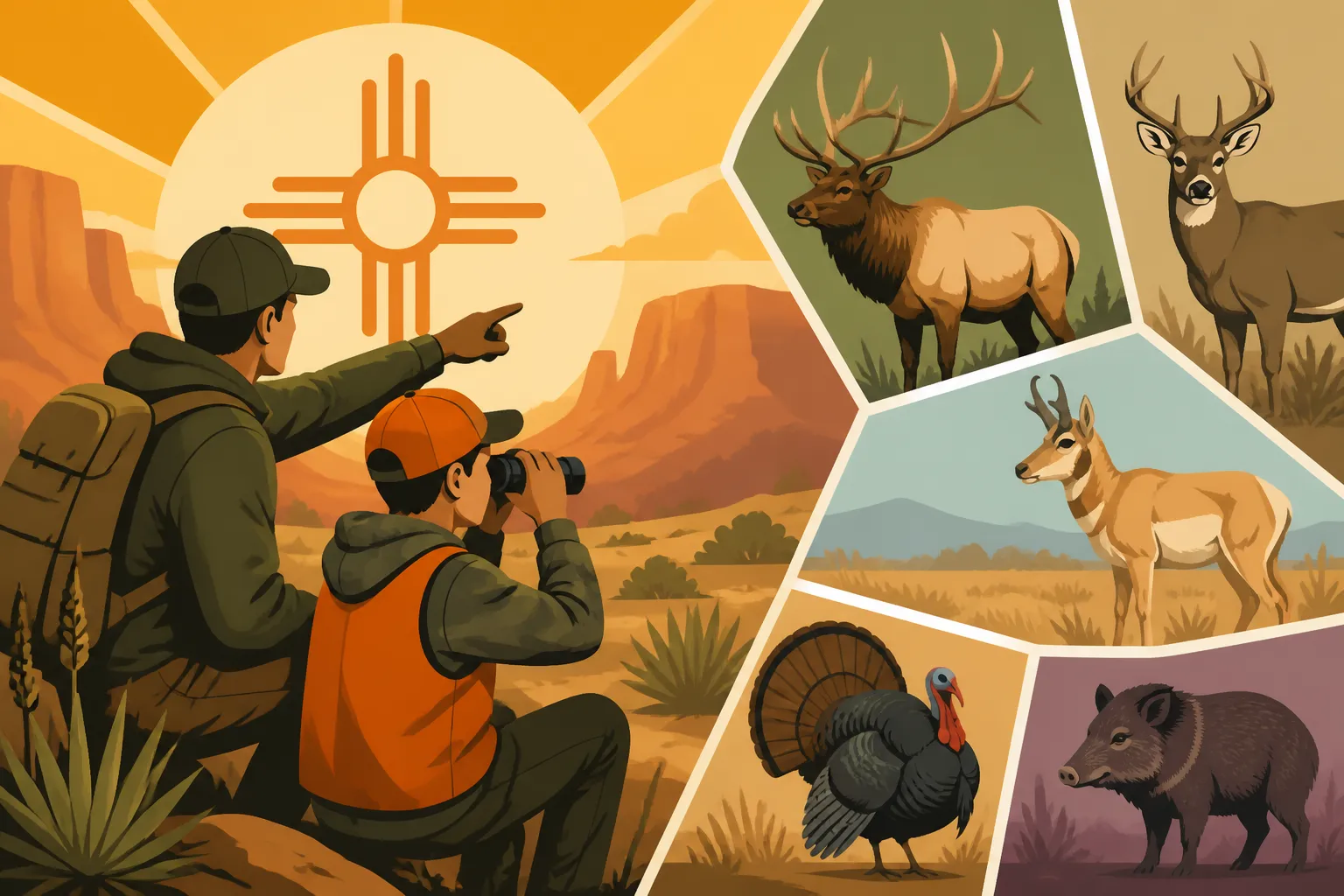
For mentored youth over ten, the list of eligible big game species mirrors almost exactly what an adult hunter can pursue, provided they draw the appropriate tags. This includes the highly coveted elk, the widespread mule deer, the elusive Coues deer, fast pronghorn, the unique oryx, and even specialty species like Barbary sheep, ibex, and bighorn sheep. This means a ten-year-old could potentially draw a Gila elk tag and find themselves Hunting New Mexico From 4,000 Feet to 10,000 with their mentor. The key here, as with any big game hunting in New Mexico, is successfully drawing a tag through the NMDGF lottery system. Youth apply in the same draw pools as adults, so understanding the draw odds is essential. Online resources like GoHunt can be incredibly helpful for researching unit statistics and draw odds, guiding mentors to make informed choices for their young hunters. The goal is to provide a rich, educational experience, fostering a deep respect for wildlife and the outdoors. For a comprehensive overview, consider delving into "Which Species a Mentored Youth May Hunt in New Mexico".
Here's a quick look at some of the popular big game opportunities for mentored youth over ten:
| Species | Typical Hunt Type | Key Considerations for Youth Over 10 |
|---|---|---|
| Elk | Draw, Rifle/Archery/Muzzleloader | High physical demand, tag difficult to draw, exciting rut hunts. "New Mexico Elk Are Why the Gila Draws Everyone" |
| Mule Deer | Draw, Rifle/Archery/Muzzleloader | Diverse terrain (desert to mountains), good first big game experience. "Mule Deer Across New Mexico's High Country and Desert" |
| Pronghorn | Draw, Rifle/Archery | Open country, requires good optics and long-range shooting. |
| Oryx | Draw, Rifle | Very challenging tag to draw, unique animal. "Oryx Is New Mexico's Strangest Big Game Animal" |
| Bear/Cougar | Draw/OTC, Rifle/Archery | Tags can be over-the-counter in some areas, specific season dates. |
Small Game, Furbearers, and Birds
While the big game opportunities expand dramatically for youth over ten, it's important not to overlook the continued importance of small game, furbearers, and bird hunting. These categories remain wide open and are often excellent ways to build foundational hunting skills in a less pressured environment. Think about chasing cottontails in the desert, calling in coyotes, or sitting a waterhole for doves. These hunts offer plentiful opportunities for honing shooting skills, learning to track, understanding game behavior, and practicing patience—all critical lessons that transfer directly to big game.
For a young hunter, success on a squirrel or quail hunt can be just as thrilling and confidence-building as drawing a coveted big game tag. Plus, the seasons are often longer, and licenses are generally easier to acquire. It’s a fantastic way to ensure consistent time in the field, keeping the passion for hunting alive between those more difficult-to-draw big game seasons. The learning curve is gentler, making it perfect for reinforcing safety and ethical hunting practices.
Weapon Types Allowed
When it comes to the legal weapon types, mentored youth over ten generally follow the same rules as adult hunters for the specific hunt code they are participating in. This means if it's a rifle hunt, they can use an appropriate caliber rifle. If it's an archery hunt, a bow that meets the minimum draw weight requirements is necessary. Muzzleloaders are also fair game for designated muzzleloader seasons. The key is ensuring the youth is safely and proficiently able to handle the chosen weapon.
For instance, a mentored youth over ten could use a compound bow with a "Minimum Bow Draw Weight for Big Game" or a rifle of a "Best All-Around Caliber for Gila Elk", provided they are physically capable and have practiced extensively. The mentor’s role here is absolutely critical, not just in supervision but in guiding the youth to choose and master a weapon that suits their size, strength, and skill level, prioritizing safety above all else. This might mean starting with smaller calibers or lower draw weight bows, even if they could legally use something larger, to ensure comfort and accuracy.
The Critical Role of the Mentor
The entire Mentored Youth Program, especially for those over ten, hinges on the active and responsible participation of the mentor. This isn't just about sharing a blind or walking through the woods together; it's about active teaching, constant supervision, and instilling a lifelong respect for hunting ethics and wildlife. The mentor is the linchpin, and their dedication directly shapes the youth's experience.
Mentor Requirements and Responsibilities
Becoming a mentor in New Mexico is a privilege that comes with significant responsibilities. First and foremost, a mentor must be at least 18 years old and possess a valid New Mexico hunting license. They also need to have successfully completed a hunter education course or be exempt from it. Before heading into the field, a mentor must obtain a special "mentor number" from the NMDGF, which involves a quick application process confirming their qualifications. There’s a detailed guide on "What a Mentor Number Requires in New Mexico" that is incredibly helpful.
The most critical responsibility is the direct, unassisted supervision of the mentored youth. This means the mentor must be within arm's reach and able to take immediate physical control of the youth's weapon at all times when hunting with a firearm, or within conversational distance when using archery equipment. They are responsible for ensuring all hunting laws and safety protocols are followed, from legal shooting hours to proper game tagging. This constant presence ensures safety and provides continuous, real-time instruction, turning every moment in the field into a valuable learning opportunity. It’s a significant commitment, but one that pays immense dividends in shaping a responsible young hunter.
Education and Ethical Hunting
Beyond the legal requirements, the mentor serves as the primary educator in the field, teaching invaluable lessons that go far beyond just pulling a trigger. This includes comprehensive firearm or archery safety, understanding shot placement and animal anatomy, tracking skills, field dressing, and game care. But it’s also about fostering a deep ethical understanding of hunting. Mentors teach about fair chase, respecting wildlife and their habitat, and the importance of conservation. They guide the youth in understanding the role hunting plays in wildlife management and the personal responsibility that comes with harvesting an animal.
It's about demonstrating respect for the land, other hunters, and the animals themselves. This means not only adhering to regulations but also acting with integrity, showing patience, and understanding that success isn't always measured by a harvest. It's about the entire experience, the effort, the camaraderie, and the connection to nature. GoHunt often features articles and tips on ethical hunting practices that can be excellent supplementary reading for both mentors and youth, reinforcing these critical lessons learned in the field.
Navigating Applications and Tags
For mentored youth over ten, getting out into the field often means navigating the New Mexico draw system for big game. This can seem daunting, but with a mentor’s guidance, it’s a process that can be managed effectively, leading to some incredible hunting experiences.
Applying for Drawn Hunts
Just like adult hunters, mentored youth over ten must apply for most big game tags through the NMDGF draw system. The application period typically closes in mid-March, so it's vital to mark your calendar. You can learn more about this by checking out the comprehensive guide "All New Mexico Applications Close March 18 at 5 p.m.". The youth will need their own customer ID number and will be eligible for various hunt codes. They apply as individuals and are subject to the same draw odds as other applicants in the resident, non-resident, or outfitter pools. New Mexico famously "Splits Every Hunt 84, 10 and 6 Percent" between these categories, so understanding which pool your youth falls into is important.
The mentor plays a crucial role here, helping the youth research units, understand draw odds (GoHunt is an invaluable resource for this, showing past draw results and helping estimate future chances), and make informed choices for their hunt selections. While the draw can be tough, especially for prime units and species like elk, applying for less popular units or hunt dates can significantly increase a youth's chances. It's an important lesson in patience and strategy, and drawing a tag is a truly unforgettable moment for a young hunter.
Over-the-Counter Tags and Special Opportunities
While big game often requires a draw, there are still fantastic over-the-counter (OTC) opportunities that youth over ten can participate in. Small game licenses, waterfowl stamps, and furbearer permits are generally available OTC, offering immediate access to hunting. These can be incredible learning experiences, providing more consistent time in the field.
Additionally, New Mexico frequently offers special youth-only hunts. These are designed specifically to give young hunters a higher chance of drawing a tag and often occur during prime times or in areas with good success rates. Keep an eye on the NMDGF regulations booklet and website for these unique opportunities. There are specific "New Mexico Youth-Only Hunt Codes" listed annually, which are fantastic avenues for mentored youth to gain valuable experience and increase their chances of a successful harvest. These hunts often have lower application numbers, boosting a youth's draw odds and providing a potentially less crowded hunting experience.
Disclaimer
Please note: Hunting regulations and requirements can change. Always consult the most current New Mexico Department of Game and Fish hunting proclamation and regulations booklet before planning any hunting trip. This guide is for informational purposes only and should not be considered legal advice.