Which Species a Mentored Youth May Hunt in New Mexico
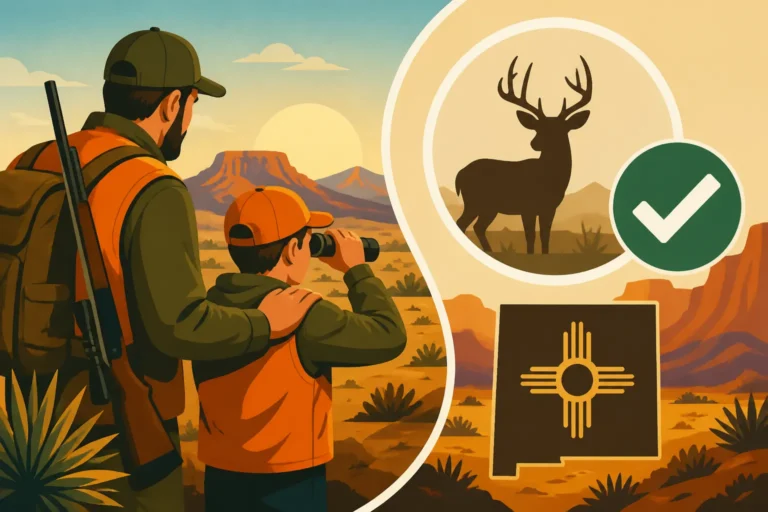
Bringing a young person into the world of hunting is one of the most rewarding experiences you can have, but navigating the rules and knowing which species they can actually pursue under New Mexico's Mentored Youth Program can feel like deciphering ancient texts. It’s easy to get lost in the regulations, leaving many new mentors wondering where to even begin. This comprehensive guide is here to cut through that confusion, giving you a clear roadmap of the hunting opportunities available for mentored youth in the Land of Enchantment, ensuring a safe, ethical, and memorable journey into the outdoors.
Understanding the New Mexico Mentored Youth Program's Core
The New Mexico Mentored Youth Hunting Program is a fantastic initiative designed to ease new, young hunters into the tradition and responsibility of ethical hunting. It's built on the premise that direct, hands-on guidance from an experienced hunter is the best way to cultivate safe and responsible outdoorsmen and women. This isn't just about tagging an animal; it's about fostering a deep respect for wildlife, understanding conservation, and developing the skills needed to be truly self-sufficient in the field.
The Philosophy Behind Mentored Youth Hunting
At its heart, the Mentored Youth Program acknowledges that while formal hunter education is crucial, there's an invaluable component to learning that only comes from being in the field with a seasoned veteran. Think about it: you can read all the books you want on how to track a mule deer or call an elk, but until you're actually out there, feeling the wind shift, identifying fresh sign, and making those split-second decisions with an experienced eye beside you, a lot of that knowledge remains theoretical. This program is a direct answer to that need, providing a structured pathway for young hunters to gain practical experience before they're required to complete the full hunter education certification. It's a bridge, not a shortcut, to becoming a truly skilled and ethical hunter.
For many families, the traditional route of waiting until a child is old enough and has completed hunter education can feel like a hurdle, especially when eager youngsters are ready to hit the woods alongside their parents or guardians. The Mentored Youth Program removes some of that initial barrier, allowing kids to participate earlier, fostering that passion and connection to the outdoors that might otherwise wane. This early engagement is critical for hunter recruitment and ensuring the future of conservation funding, which largely relies on license and tag sales. It helps validate the idea that hunting is a family tradition worth passing down, not just a solitary pursuit.
The importance of the mentor's role cannot be overstated. You're not just a chaperone; you're an educator, a guide, and a role model. You're responsible for imparting not just hunting techniques, but also the ethical foundations of fair chase, respect for the animal, and the legal framework that governs hunting in New Mexico. This direct mentorship instills values that go far beyond the kill, teaching patience, perseverance, and a deep appreciation for the natural world. It’s a huge responsibility, but the rewards of seeing a young person connect with the wilderness in such a profound way are immeasurable.
Age Brackets and Initial Eligibility
New Mexico's Mentored Youth Program is specifically designed to bring young hunters into the fold at various developmental stages, ensuring that the opportunities and responsibilities align with their age and learning capabilities. It's important to grasp these age distinctions, as they directly influence what a mentored youth can hunt and under what conditions.
First off, it's critical to understand that the program allows youths to participate at different age levels. For those under the age of 10, the program offers a truly foundational experience. These youngest hunters are typically introduced to small game hunting, where the pace can be slower, the shots are generally closer, and the emphasis is heavily on safety, responsible firearm handling (if applicable), and simply enjoying the outdoors. As the name suggests, this is a "mentored" program, meaning that a qualified mentor must be present and actively supervising the youth at all times, making sure they understand and follow all hunting regulations.
Once a youth turns 10 years old, their hunting opportunities expand significantly. At this age, with a mentor by their side, they become eligible to pursue big game species. This is a huge milestone for many young hunters, opening up the world of elk, deer, or pronghorn. It's a chance to engage in more challenging and physically demanding hunts, really putting their developing skills to the test. The program is carefully structured to ensure that even though they haven't completed a full hunter education course yet, the presence of a certified mentor provides the necessary safety net and educational environment.
One of the most crucial aspects of eligibility is the "first-time hunter" requirement. This program is specifically for those who are new to hunting and have not yet completed a hunter education course or previously held a hunting license (excluding the Mentored Youth License itself). It’s designed as an introductory pathway. So, if your child has already completed hunter education or has hunted independently in the past, they would no longer qualify for the mentored youth program. This detail is often overlooked, but it's vital for ensuring compliance and that the program serves its intended purpose of introducing new hunters. For a more detailed look at these specifics, you can check out the article on Why Mentored Youth Must Be First-Time Hunters. It’s a two-year window for learning, as explained in New Mexico Mentored Youth Can Hunt Two Years Before Certifying.
The beauty of these age brackets and eligibility rules is that they provide a progressive learning environment. A young hunter starts with foundational experiences, learns the ropes, gains confidence, and then, as they mature, they can tackle more complex and demanding hunts, all under the watchful and experienced eye of a mentor. This phased approach maximizes safety and optimizes the learning experience, setting them up for a lifetime of responsible hunting.
General Rules and Restrictions for Mentored Youth
Participating in the New Mexico Mentored Youth Program comes with a clear set of rules and responsibilities, primarily centered around the mentor. Understanding these isn't just about staying legal; it's about creating a safe, ethical, and positive experience for the young hunter. These guidelines ensure that while a youth is gaining invaluable field experience, they are doing so under the direct supervision of an individual who can make informed decisions and uphold all regulations.
Mentor Requirements and Responsibilities
Becoming a mentor in New Mexico is a significant role, and the state has specific criteria to ensure that young hunters are guided by knowledgeable and responsible adults. First and foremost, a mentor must be at least 18 years of age. They must also possess a valid New Mexico hunting license (or a non-resident equivalent if applicable) and have successfully completed a New Mexico Hunter Education course, or an equivalent course from another state. This ensures that the mentor themselves is well-versed in hunting safety, ethics, and regulations. It's not just about knowing how to shoot; it's about knowing how to hunt responsibly. For more on what it takes, you can refer to What a Mentor Number Requires in New Mexico.
The most critical responsibility of a mentor is direct supervision. This isn't a "set it and forget it" situation. The mentor must be physically present with the mentored youth at all times while hunting. For firearms, this means being within "normal voice control" and "in sight" of the youth. For bowhunting, the mentor needs to be close enough to exercise direct control over the youth's actions, which often means being right there with them. This constant proximity allows the mentor to intervene if necessary, provide immediate instruction, ensure ethical shot selection, and prevent any safety lapses. You are the youth's immediate safety net and their primary source of real-time education in the field.
Beyond physical presence, the mentor is legally responsible for the youth's compliance with all hunting laws and regulations. This means you, as the mentor, are responsible for ensuring the youth has the correct tags, adheres to legal shooting hours, follows blaze orange requirements (if applicable), and understands bag limits. You're also responsible for making sure the youth makes an ethical shot and properly handles any harvested animal, including tagging requirements. It's a comprehensive responsibility that encompasses every aspect of the hunt, from planning and scouting to tracking and field dressing.
Securing a mentor number is a straightforward, yet crucial step. You'll apply for this through the New Mexico Department of Game and Fish (NMDGF) licensing system. This number essentially links you, the qualified adult, to the mentored youth, officially acknowledging your role and responsibilities within the program. It's a vital part of the administrative process that allows youth to participate without a hunter education card. Taking the time to understand The New Mexico Mentored Youth Program Explained will give you a full overview of these requirements and how they contribute to a safe and enriching experience.
Weapon and License Considerations
When it comes to weapons, mentored youth in New Mexico generally follow the same rules as adult hunters regarding legal types for specific species, but with some practical considerations unique to their age and experience level. For big game, this means rifles, muzzleloaders, and bows. Shotguns are typically for small game and birds. The key here is always safety first, followed by effectiveness.
For rifles, there aren't specific caliber restrictions unique to mentored youth beyond what's generally considered legal and ethical for big game in New Mexico. However, a responsible mentor will choose a rifle with manageable recoil that the youth can shoot accurately. A .243 Winchester, 6.5 Creedmoor, or a .30-30 are often excellent choices for deer, offering adequate power with milder recoil compared to larger magnums. Accuracy trumps power every time, especially for a new hunter. It's far better for a youth to place a shot perfectly with a lighter caliber than to flinch and miss with a larger one.
Bowhunting presents its own set of considerations. New Mexico has minimum draw weight requirements for big game (typically 40 pounds for deer and 50 pounds for elk). While a mentored youth might meet these physical requirements, proper form, consistent practice, and understanding shot angles are paramount. Again, the mentor's role in guiding ethical shot selection and ensuring the youth is proficient with their equipment is critical. An expandable broadhead is legal for big game as long as it adheres to the other broadhead requirements, but ensuring the youth can consistently place it is key.
Muzzleloaders, while perhaps less common for entry-level youth hunting, are also permitted. Like rifles, general caliber minimums apply for big game (e.g., .45 caliber for deer, .50 caliber for elk). The complexity of loading and cleaning a muzzleloader, along with managing the smoke and recoil, means this is often best suited for a youth who has already gained some experience with other firearms. Mentors must be diligent in teaching safe loading practices and proper cleaning.
From a licensing perspective, the mentored youth will need to purchase a Mentored Youth Hunting License. This special license grants them the ability to hunt specific species when accompanied by their qualified mentor. For specific big game hunts, they will then apply for tags just like an adult hunter would, entering the draw for elk, deer, or pronghorn, and clearly indicating their participation in the Mentored Youth Program on their application. It's important to keep track of these costs, as even youth licenses and tags have fees associated with them. You can find more specific information on New Mexico Youth License Pricing to help plan your budget. Remember, the mentor is still responsible for making sure the youth has all the correct, valid documentation in their possession while hunting.
Big Game Species Available to Mentored Youth
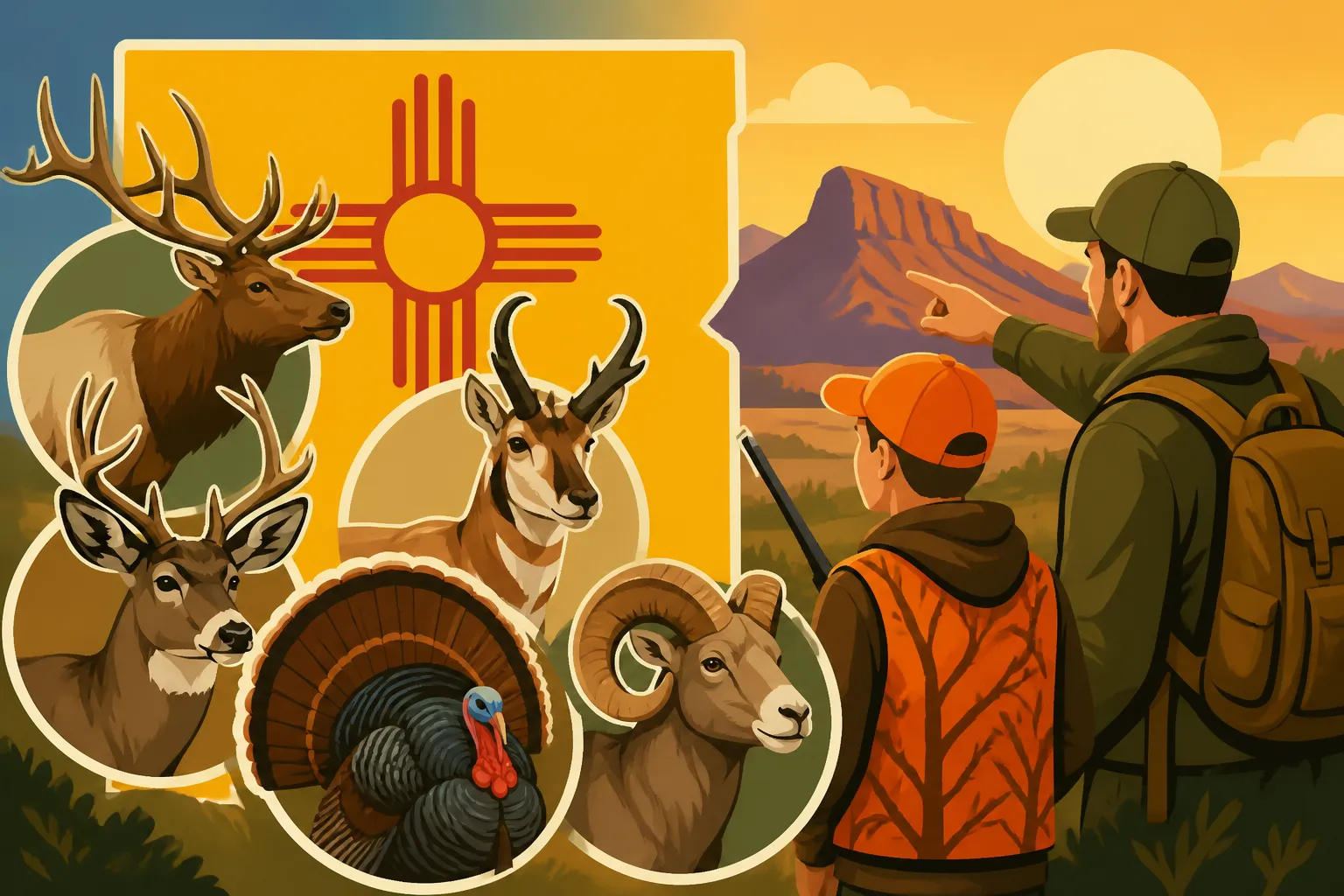
The opportunity to pursue big game is often the ultimate dream for many young hunters, and New Mexico's Mentored Youth Program opens the door to some incredible experiences. From the elusive mule deer to the majestic elk and the unique oryx, there are diverse opportunities across the state, each presenting its own challenges and rewards for a young hunter.
Deer Hunting Opportunities for Young Hunters
Deer hunting is often the cornerstone for new big game hunters, and New Mexico offers fantastic opportunities for mentored youth to pursue both mule deer and Coues deer. These hunts provide valuable lessons in tracking, stalking, patience, and shot placement, making them ideal for developing foundational big game hunting skills.
Mule deer, found across much of New Mexico's diverse terrain, from the high mountain forests of the north to the sprawling deserts of the south, present varied challenges. For a young hunter, an archery deer season can be an incredible learning experience. While getting within bow range requires immense skill, the slower pace and quiet nature of the hunt are perfect for teaching observation and stealth. Then there are the muzzleloader and rifle seasons, which open up more accessible opportunities, especially for those learning to shoot. A well-placed shot with a modern rifle can make the difference, and teaching a youth proper shooting fundamentals and ethical shot selection becomes paramount. When considering units, an experienced mentor might look at areas like the Gila National Forest for its beautiful scenery and mule deer populations, or lower elevation units for a potentially less physically demanding hunt for a younger hunter. For deep dives into specific habitat, checking out resources like Mule Deer Across New Mexico's High Country and Desert can offer excellent insights.
Coues deer, often called "grey ghosts" of the desert, offer a distinctly different experience. These smaller, elusive deer inhabit the rugged, thorny mountains of southern New Mexico, particularly in the "bootheel" region near Arizona. Hunting Coues deer is often a glassing game, requiring keen eyesight and patience to spot them in their brushy habitat. This can be an excellent opportunity to teach a young hunter the art of using binoculars and spotting scopes, picking apart distant hillsides for movement or antlers. The stalks can be incredibly challenging due to the open terrain and dense vegetation, demanding stealth and careful wind management. While physically less strenuous than a high-country elk hunt, the mental fortitude required for a Coues hunt is immense. You can read more about these specific hunts in Coues Deer in New Mexico's Southern Ranges.
For both species, the mentor's role is critical. You'll be teaching the youth how to read sign, understand deer behavior, make responsible shot decisions, and navigate the terrain safely. The emphasis should always be on the learning experience and the quality time spent outdoors, rather than solely on harvesting an animal. A successful deer hunt for a mentored youth is one where they learn, grow, and develop a deeper appreciation for the wild, regardless of whether a tag is filled.
Elk Hunting: A Dream for Many Young Hunters
Elk hunting is often considered the pinnacle of big game hunting in the West, and for a mentored youth, it can be an absolutely unforgettable experience. New Mexico boasts some of the country's best elk hunting, particularly in the vast, rugged landscapes of the Gila National Forest. While physically demanding, the rewards of chasing these magnificent animals are immense, providing profound lessons in wilderness skills, perseverance, and respect for truly wild animals.
The primary hurdle for elk hunting in New Mexico is securing a tag. Most elk tags are allocated through the draw system, which can be highly competitive. Mentored youth, like all applicants, enter this draw for a chance at a coveted tag. There are also opportunities through the EPLUS landowner tag system, though these come at a significantly higher cost. For a youth, drawing an archery elk tag in September, when the bulls are bugling, can be an exhilarating introduction to the raw power of the rut. Imagine a young hunter hearing their first bull bugle echo through a canyon – it’s a moment that will stick with them for a lifetime. Even during rifle seasons, the sheer size and challenge of finding and approaching elk in their natural habitat provides unparalleled education.
Hunting elk with a mentored youth requires careful planning and preparation. Physical conditioning is crucial, as elk often inhabit steep, rugged terrain. Mentors need to ensure the youth is equipped with appropriate gear, including sturdy boots, layered clothing, and a rifle of sufficient caliber that they can handle accurately and comfortably. Calibers like a .270, 7mm-08, or .308 are often good choices, offering a balance of power and manageable recoil. Learning to shoot from various positions, especially off shooting sticks or a bipod, becomes incredibly important for stable shots in uneven terrain.
The Gila National Forest, with its deep canyons, expansive mesas, and dense timber, is particularly renowned for its elk. This is where you truly understand why New Mexico Elk Are Why the Gila Draws Everyone. Teaching a young hunter to read wind in a deep canyon, identify fresh elk sign, or understand the subtle sounds of the forest is invaluable. The mentor's guidance in tracking, understanding thermals, and making ethical decisions in high-pressure situations will define the youth's experience. Even if no animal is harvested, the lessons learned and the memories made exploring such wild country with an elk tag in hand are priceless. It's about instilling a love for the chase, the wilderness, and the profound connection to nature that elk hunting offers.
Oryx and Pronghorn: Unique Desert Experiences
New Mexico offers some truly unique big game hunting opportunities that can be incredibly exciting for a mentored youth: oryx and pronghorn. These species inhabit vastly different landscapes and require distinct hunting strategies, providing diverse learning experiences beyond typical deer or elk hunts.
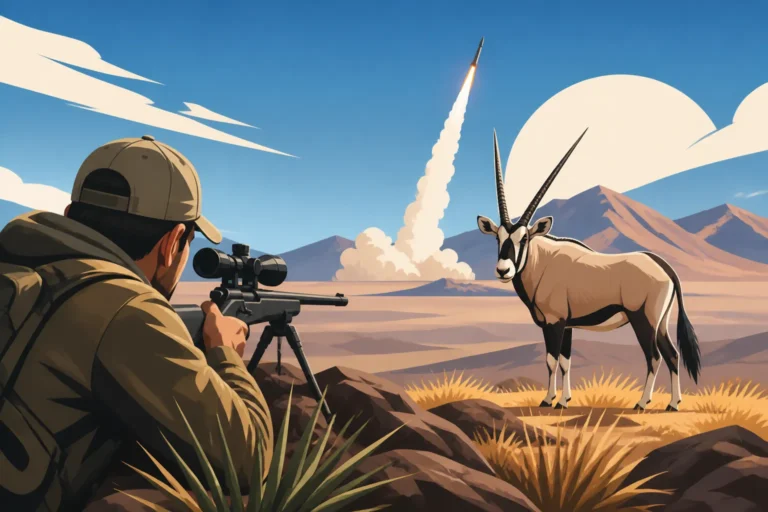
Oryx, or Gemsbok, are perhaps New Mexico's most exotic big game animal. Introduced from Africa, these strikingly beautiful antelope thrive in the arid, open plains of the state, particularly on the White Sands Missile Range and surrounding off-range areas. A mentored youth drawing an oryx tag is in for a once-in-a-lifetime adventure. The sheer size and formidable horns of an oryx make them an impressive quarry, and the open country they inhabit often leads to long-range shooting opportunities. This means teaching a young hunter advanced marksmanship, including calculating bullet drop and compensating for wind, becomes essential. The hunt itself is typically a spot-and-stalk affair, often involving significant amounts of glassing and careful approaches across sparse terrain. For more on this unique animal, you can explore Oryx Is New Mexico's Strangest Big Game Animal. The experience of hunting a creature so perfectly adapted to the desert, with its impressive horns and tough hide, is truly remarkable and provides a powerful conservation story about species introduction and management.
Pronghorn, North America's fastest land animal, provide an entirely different kind of challenge on the vast eastern plains of New Mexico. Hunting pronghorn with a mentored youth is a test of patience, glassing ability, and the art of the low crawl. These animals have incredible eyesight and inhabit wide-open grasslands, making close approaches extremely difficult. This is an ideal hunt for teaching a young hunter how to use binoculars and a spotting scope effectively, systematically scanning the horizon for the tell-tale white patches of a pronghorn. Once spotted, the stalk often involves using subtle terrain features – a small rise, a shallow ditch – to close the distance undetected. It's a game of inches and precise movements, often culminating in a fast-paced shot opportunity.
Both oryx and pronghorn hunts can be less physically demanding in terms of elevation gain compared to mountain hunts, but they demand a different kind of endurance: mental focus and the ability to operate effectively in exposed, often hot, desert environments. For a mentored youth, these hunts are excellent for honing long-range shooting skills, understanding animal behavior in open country, and appreciating the unique ecosystems of New Mexico’s deserts and plains. They offer a departure from the timbered mountains and introduce young hunters to a broader spectrum of hunting techniques and environments.
Bear and Cougar: Advanced Opportunities
For mentored youth who have gained some experience and demonstrated a high level of responsibility, New Mexico also allows for the pursuit of black bear and cougar, offering truly challenging and advanced hunting opportunities. These hunts require a deeper understanding of predator behavior, superior tracking skills, and an even stronger emphasis on safety and ethical considerations.
Black bear hunting with a mentored youth can be a thrilling experience, often combining aspects of still-hunting, calling, or hunting over bait (where legal and ethical, and following all NMDGF regulations). Bears are intelligent and wary animals, requiring patience and a good understanding of their habits, such as their feeding patterns in oak brush thickets or around water sources. Safety is paramount when hunting bears, and the mentor's constant vigilance is non-negotiable. Teaching a youth to identify fresh sign, understand bear vocalizations, and make a confident, ethical shot is crucial. The mentor must also be prepared for the possibility of a follow-up shot and have a clear plan for animal recovery. Bear hunting often occurs in dense timber or rugged country, adding to the challenge and requiring good navigation skills.
Cougar hunting, while less common for mentored youth, is also an option for those seeking the ultimate predator challenge. These elusive animals are extremely difficult to locate without the aid of trained hounds, which is the most common method of hunting them in New Mexico. If a mentor has access to a hound hunting operation, this can provide an incredible education for a youth in tracking, understanding dog work, and ethical harvest of a powerful predator. It teaches respect for the predator-prey dynamics in the ecosystem. Like bear hunting, safety protocols and ethical shot placement are absolutely critical. The mentor must ensure the youth understands the importance of positive identification, shot placement, and the significant responsibility that comes with harvesting a top-tier predator.
It's important to remember that these predator hunts are not for every young hunter. They require a maturity level, physical stamina, and mental preparedness beyond what might be needed for deer or pronghorn. The mentor’s judgment in assessing the youth's readiness is vital. These hunts are an excellent way to teach about predator management, the role of apex predators in an ecosystem, and the comprehensive aspects of wildlife conservation. For more details on these species, refer to Black Bear and Cougar Across New Mexico, which outlines their distribution and management. The emphasis on these hunts must always be on the profound educational experience and the development of a truly ethical and responsible hunter.
Small Game and Furbearer Prospects for Mentored Youth
While big game often captures the imagination, small game and furbearer hunting are incredibly important for developing a young hunter's skills and fostering a lifelong passion for the outdoors. These hunts offer more frequent opportunities, less pressure, and an excellent environment for teaching fundamental hunting techniques in a fun, accessible way.
Upland Bird Hunting: Getting Started with Quail and Dove
Upland bird hunting for species like quail and dove is arguably one of the best ways to introduce a mentored youth to the practical side of hunting. It's fast-paced, often social, and provides abundant opportunities for learning about firearm safety, shooting mechanics, and dog handling.
New Mexico is a fantastic state for quail, offering opportunities for Scaled (blue), Gambel's, and even some Bobwhite quail, depending on the region. Hunting these birds often involves walking vast tracts of desert or grassland, teaching a young hunter about habitat identification and the importance of covering ground. When a covey flushes, the action is quick, demanding fast reflexes and good shotgun handling. This is an ideal scenario for teaching proper gun mount, swing, and follow-through, as well as safe shooting lanes. The social aspect of walking with a mentor, often with a bird dog, adds to the enjoyment and camaraderie of the hunt. It’s also an excellent way to introduce a youth to the nuances of dog training and how a well-trained dog can enhance the hunting experience, teaching them to work as a team. For specific insights, check out Quail, Dove and New Mexico's Small Game.
Dove hunting, particularly during the early September opener, is another superb entry point. Mourning doves and white-winged doves provide fast-flying targets that challenge even experienced shooters. A dove hunt is usually stationary, often conducted near water sources or agricultural fields, allowing for a relaxed pace where a mentor can patiently coach a youth on shooting fundamentals. It’s also an excellent way to discuss daily bag limits, identifying different species, and the importance of retrieving all downed game. The sheer volume of shooting opportunities (depending on the day, of course) provides instant feedback and helps a young shooter quickly improve their skills and confidence.
These upland bird hunts teach invaluable lessons in hunting etiquette, respecting private property boundaries, and responsible game handling, all while providing plenty of action and positive reinforcement. They are perfect for building the foundation of a skilled hunter.
Turkey Hunting for Mentored Youth
Turkey hunting offers a truly unique and engaging experience for mentored youth, blending elements of stalking, calling, and extreme patience. New Mexico is home to Merriam's turkeys, primarily found in the high-elevation pine and ponderosa forests, and some Rio Grande turkeys in the riparian areas and eastern plains.
Spring turkey season, with its vibrant gobbling and intricate calling strategies, can be incredibly exciting for a young hunter. It teaches them the art of camouflage, stillness, and understanding turkey vocalizations. A mentor can guide the youth through setting up decoys, making various calls (yelps, clucks, purrs), and patiently waiting for a gobbler to respond and come into range. This is an excellent opportunity to teach active listening and keen observation skills – being able to differentiate the rustle of leaves from an approaching bird, or the subtle drum of a strutting tom. The close-range shots associated with turkey hunting, typically with a shotgun, reinforce good shooting habits and the importance of pattern density.
Fall turkey seasons, which are often general harvest seasons, offer a different dynamic. These hunts might involve more still-hunting or breaking up flocks and calling them back together, teaching a youth about flock dynamics and strategic movement. It’s a fantastic way to introduce them to reading terrain, understanding escape routes, and making quiet movements through the woods.
What makes turkey hunting particularly valuable for mentored youth is the intense engagement it demands. Unlike some other hunts where you might wait for hours in a blind, turkey hunting is often interactive, with the hunter attempting to communicate with the bird. This direct interaction makes the experience incredibly memorable and reinforces the deep connection between hunter and prey. It’s a fantastic way to teach about animal behavior, the sounds of the forest, and the sheer thrill of a close encounter. The patience required during a long wait, or the quick decision-making needed when a bird appears silently, develops critical hunting instincts in a young person.
Rabbits, Squirrels, and Other Small Game
Don't underestimate the power of chasing small game like rabbits and squirrels for instilling crucial hunting skills in mentored youth. These hunts are accessible, often require minimal equipment, and provide frequent opportunities for success, which is incredibly motivating for new hunters.
Cottontail rabbits and jackrabbits are abundant across New Mexico's diverse landscapes, from desert scrub to agricultural fields. Hunting rabbits can be done year-round in many areas, providing continuous learning opportunities. A rabbit hunt teaches a youth how to walk slowly and deliberately, scanning for movement, and understanding how animals use cover. It's perfect for honing marksmanship with a .22 rifle or small-gauge shotgun. The quick, darting movements of a rabbit demand fast target acquisition and precise shooting. These hunts are also excellent for teaching safe firearm handling in varying terrain, being aware of your surroundings, and the importance of quick, clean harvests. For a young hunter, bringing home a few rabbits for the stew pot is a tangible and rewarding outcome that connects them directly to their food source.
Tree squirrel hunting, primarily for Abert's squirrels in the pine and ponderosa forests of northern New Mexico, offers a different set of skills. This hunt requires patience and keen observation, as squirrels are masters of camouflage and can be incredibly difficult to spot high in the canopy. It teaches a youth to use binoculars to pick apart tree branches, identify natural cavities, and track movements through dense foliage. It also refines their marksmanship with a .22 rifle, as shots are often precise and at varied angles. The quiet stillness of a squirrel hunt also fosters an appreciation for the subtle sounds and movements of the forest, which is invaluable for any hunter.
These small game hunts provide an ideal environment for teaching basic field dressing, game care, and the concept of sustainable harvesting. They're not just "practice hunts"; they are legitimate hunting experiences that build confidence, skill, and a deep appreciation for all forms of wildlife. They are the bedrock upon which more complex big game hunting skills are built, fostering a lifelong love for ethical hunting and outdoor adventure.
Special Youth-Only Seasons and Mentored Hunt Opportunities
New Mexico actively promotes youth hunting by offering specific opportunities tailored just for them. These special seasons and facilitated hunts are designed to reduce pressure, increase success rates, and provide a focused learning environment, making them incredibly valuable for mentored youth.
Dedicated Youth Hunt Codes
One of the most advantageous aspects of hunting in New Mexico for mentored youth is the existence of dedicated youth-only hunt codes. These are specific hunting seasons for certain species that are open exclusively to eligible young hunters. This means that during these periods, the hunting pressure from adult hunters is eliminated, leading to a much more relaxed and often more successful experience for the youth.
These youth-only seasons typically cover popular big game species like deer and elk, and sometimes pronghorn. The New Mexico Department of Game and Fish (NMDGF) intentionally allocates a portion of tags to these youth-specific hunts, recognizing the importance of recruitment and retention in the hunting community. The advantages for a mentored youth are significant:
- Reduced Pressure: With only youth and their mentors in the field, the woods are quieter, and animals are often less wary. This can lead to more sightings and better opportunities for a successful stalk or shot.
- Increased Success Rates: Less competition and potentially less pressured game often translate to higher harvest success rates for youth, which can be a huge confidence booster for a new hunter.
- Focused Learning Environment: Without the intensity and competition of a general season, mentors can take more time to teach, explain, and guide the youth through every step of the hunt, from tracking to field dressing, without feeling rushed.
- Unique Memories: Hunting alongside peers in a dedicated youth season creates a special camaraderie and memories that will last a lifetime.
Finding these specific opportunities means carefully poring over the annual New Mexico Hunting Rules and Information Booklet. Each year, the NMDGF publishes a detailed listing of all hunt codes, and the youth-only hunts are clearly designated. When applying for tags, it’s crucial to select the correct youth-only hunt code to take advantage of these special seasons. For a comprehensive overview, you should definitely check out New Mexico Youth-Only Hunt Codes, which will guide you through identifying these invaluable opportunities. Utilizing resources like GoHunt can also help you identify units with good youth-only tag allocations and historical success rates, aiding in your application strategy.
State-Sponsored Mentored Hunts and Workshops
Beyond the dedicated youth hunt codes, the New Mexico Department of Game and Fish (NMDGF) often partners with various organizations to offer state-sponsored mentored hunts and workshops. These programs are designed to further support youth participation by providing structured, educational, and often fully outfitted or semi-outfitted experiences.
These workshops and hunts vary from year to year and might target specific species like deer, turkey, or even waterfowl. They are typically advertised through the NMDGF website, social media channels, and local conservation organizations. The beauty of these programs is that they often remove some of the logistical burdens from mentors and families. For instance, some mentored hunts might provide access to private land, offer expert guides, or include educational components like tracking clinics, shooting instruction, or game processing demonstrations. This allows the youth to learn from a variety of experienced individuals and gain a broader understanding of hunting and conservation.
Participating in a state-sponsored mentored hunt can be a game-changer for a young hunter. It provides:
- Expert Guidance: Often, these hunts pair youth with experienced volunteers or NMDGF staff who can provide specialized instruction.
- Reduced Cost/Barrier: Some programs are free or heavily subsidized, making hunting accessible to families who might otherwise face financial or logistical hurdles.
- Community Building: These events create a sense of community among young hunters and their mentors, fostering peer connections and shared experiences.
- Enhanced Learning: The structured environment of a workshop can delve deeper into topics like wildlife biology, habitat management, and ethical considerations, supplementing the one-on-one mentorship.
To find these opportunities, it's essential to stay engaged with the NMDGF. Regularly checking their website for announcements, subscribing to their newsletters, and contacting local NMDGF offices can keep you informed. Organizations like the Rocky Mountain Elk Foundation, National Wild Turkey Federation, and local chapters of conservation groups often collaborate with the NMDGF on these initiatives, so reaching out to them can also uncover hidden gems. These facilitated hunts are an incredible resource for fostering the next generation of conservationists and ethical hunters, providing experiences that extend far beyond simply harvesting an animal.
Navigating the Application Process and Increasing Odds
The New Mexico hunting draw system can seem daunting, especially for new participants. However, understanding how to apply for tags, strategically select units, and manage expectations is crucial for increasing a mentored youth’s chances of success. It’s a process that rewards preparation and persistence.
Applying for Tags with a Mentored Youth
The application process for a mentored youth tag generally mirrors that of an adult, but with the critical step of ensuring the youth is properly registered under the Mentored Youth Program. This starts with creating an online account for the youth through the New Mexico Department of Game and Fish (NMDGF) licensing system. It’s here that the youth’s Mentored Youth License will be purchased.
Once the youth has their license, you can begin the draw application. When filling out the application for big game species like deer, elk, or pronghorn, you will designate the applicant as a mentored youth. The system typically links their application to their mentor's number, confirming eligibility. It’s absolutely vital to correctly enter all information, especially the mentor’s details, to avoid disqualification.
The New Mexico draw is known for being competitive, but don't let that discourage you. Unlike some states, New Mexico does not use a preference point system, meaning every applicant, regardless of how many years they’ve applied, has an equal chance each year the first time applying in that license year. This is a huge advantage for mentored youth, as they start with the same odds as a seasoned applicant. This means that a first-time applicant for a New Mexico elk tag has the same chance as someone who’s been applying for decades. While the odds might still be long for prime units, it ensures fairness and provides hope for every young applicant.
One of the most important aspects of the application process is adhering to deadlines. The All New Mexico Applications Close March 18 at 5 p.m. for most big game species. Missing this deadline means missing the opportunity to hunt for the year, so mark your calendars and apply well in advance to avoid any last-minute technical glitches. Double-check all your choices and personal information before submitting, as errors can lead to heartbreak. Utilizing online resources like GoHunt can help you keep track of these dates and guide you through the application interface, making the process much smoother.
E-Scouting and Unit Selection for Youth Hunts
Successful hunting often begins long before you step foot in the field, and E-scouting is an invaluable tool for selecting the right unit for a mentored youth. This digital reconnaissance allows you to maximize your chances of success and ensure the chosen unit is suitable for a young hunter.
When E-scouting, you'll want to use online mapping tools (like those offered by GoHunt, onX Hunt, or even Google Earth) to analyze various units. Focus on units that have decent public land access – remember, New Mexico Holds Over 30 Million Acres of Public Hunting Land, but access isn't uniform. Look for areas with a high percentage of public land, clearly defined boundaries, and accessible roads or trailheads. Consider the terrain: for a young hunter, overly rugged or extremely remote wilderness areas might be too physically demanding, especially for a first big game experience. Seek out units with more moderate topography, known water sources, and diverse habitat that supports game.
GoHunt, for example, offers detailed unit statistics, including draw odds, harvest success rates, and public land percentages. This data is critical for making informed decisions. While draw odds for highly sought-after units can be low for anyone, including youth, opting for units with slightly higher draw odds, even if the "trophy potential" is perceived as lower, can significantly increase the chances of getting a tag in hand. For a mentored youth, the experience of a successful hunt, regardless of antler size, is far more important than pursuing a long-shot trophy.
Also, pay attention to potential camping areas, proximity to amenities (if desired), and cellular service coverage. Having a comfortable base camp and knowing you can communicate in an emergency can reduce stress and enhance the overall experience for both mentor and youth. Look at historical burn scars, recent precipitation patterns, and potential wintering grounds. All these factors play a role in where game animals will be concentrated during the season. The goal is to choose a unit that offers a realistic chance of success, is enjoyable for the youth, and aligns with their physical capabilities and skill level.
Realistic Expectations and Persistence
One of the most important lessons a mentor can impart to a young hunter is the concept of realistic expectations and the value of persistence, especially when dealing with New Mexico’s competitive draw system. While the dream of harvesting a magnificent bull elk on a first hunt is captivating, the reality is that success often requires patience and resilience.
It’s crucial to explain to a mentored youth that drawing a coveted tag, particularly for species like elk or oryx, can be incredibly difficult. New Mexico doesn't award preference points, so every year is a fresh slate. This means that while youth have the same odds as adults, those odds can still be long for prime units. A "failed" draw isn't a failure in the traditional sense; it's simply part of the process. Teach them that the anticipation of the draw, the planning, and the E-scouting are all part of the hunt itself. Encourage them to view the application as a yearly tradition, a commitment to future opportunities.
Beyond the draw, it's vital to set realistic expectations for the hunt itself. Hunting is about much more than just the kill. Emphasize the beauty of the landscape, the thrill of tracking, the excitement of seeing wildlife, and the joy of spending quality time outdoors together. A "successful" hunt for a mentored youth might involve spotting a herd of elk, hearing a gobbling turkey, or simply navigating through the wilderness independently for the first time. The harvest is merely one potential outcome, not the sole measure of success.
Persistence is key, both in the application process and in the field. Encourage the youth to keep applying year after year, even if they don't draw immediately. In the field, teach them that hunting can involve long hours of walking, glassing, or sitting, often without immediate reward. Explaining that experienced hunters also face these challenges helps normalize the experience and builds resilience. Celebrate small victories: a well-executed stalk, identifying fresh sign, or a perfectly placed shot on a practice target. It’s these incremental successes that build confidence and foster a deep, enduring love for hunting, regardless of whether a tag is filled on a particular trip. Through this process, mentored youth learn that the journey itself is often the greatest reward.
Instilling Ethics and Conservation in Young Hunters
The Mentored Youth Program isn't just about teaching hunting skills; it's fundamentally about instilling a strong ethical compass and a deep understanding of conservation. A mentor's primary role is to ensure that the young hunter develops into a responsible, respectful, and engaged steward of wildlife and wild places.
Beyond the Kill: Teaching Responsible Hunting
For a mentored youth, the initial excitement often centers around the idea of harvesting an animal. However, a truly effective mentor will guide them to understand that hunting encompasses far more than the kill. It's about a profound connection to nature, an ethical responsibility to the animal, and adherence to a strict code of conduct.
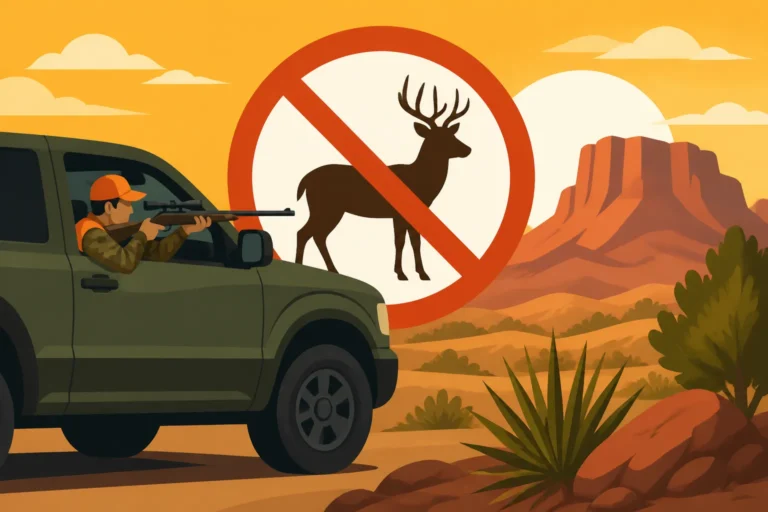
The concept of fair chase is paramount. Teach the youth that hunting is not just about taking an animal, but about respecting the animal's natural abilities and giving it a fair chance. This means avoiding unethical practices like shooting game from a vehicle, harassing animals, or taking shots beyond one's effective range. Discuss the importance of a clean, humane kill and the devastating impact of a wounded animal that escapes. This is where practice, patience, and sound judgment come into play. A mentor should emphasize waiting for the right shot, even if it means letting an opportunity pass, rather than risking a marginal hit.
Respect for the animal extends to its proper handling after the harvest. Teach the youth how to quickly and respectfully field dress the animal, cool the meat, and ensure it is not wasted. This process reinforces the direct link between hunting and food, highlighting the responsibility that comes with taking a life. It also connects them to the cycle of nature in a very tangible way.
Adherence to regulations is non-negotiable. Explain why rules like legal shooting hours, blaze orange requirements, and bag limits exist – they are not arbitrary restrictions but tools for managing wildlife populations and ensuring safety. Discuss the importance of respecting private property and gaining permission before entering any land. This also includes proper behavior around water sources in arid environments, as discussed in Water Sources and Ethics in Desert Hunting. By demonstrating consistent ethical behavior, mentors provide a powerful example that shapes a young hunter's values for a lifetime. This emphasis moves the hunt from a recreational pursuit to a meaningful and responsible engagement with the natural world.
Conservation's Role and Hunter Contribution
One of the most powerful lessons a mentor can teach a young hunter is the vital role that hunters play in conservation. This goes beyond just ethical harvesting; it’s about understanding the financial and active contributions hunters make to ensure healthy wildlife populations and abundant habitat for generations to come.
Explain to the youth that the money generated from hunting licenses, tag fees, and excise taxes on firearms and ammunition (through the Pittman-Robertson Act) directly funds wildlife management, research, and habitat acquisition. Without these hunter contributions, many wildlife agencies, including the New Mexico Department of Game and Fish, would lack the necessary resources to manage and conserve the diverse species we cherish. This financial link is often overlooked but is a cornerstone of wildlife conservation in North America. When a mentored youth buys their license or applies for a tag, they are directly contributing to the well-being of the very animals they hope to pursue.
Beyond the financial aspect, encourage the youth to get involved in active conservation efforts. This could include participating in habitat improvement projects, such as planting trees, building guzzlers for desert wildlife, or cleaning up public lands. Involving them in citizen science projects, like game camera surveys or reporting wildlife sightings, can also foster a sense of ownership and responsibility. These hands-on activities provide a tangible connection to conservation and demonstrate that true sportsmen and women are not just consumers of wildlife but active participants in its preservation.
Discuss the concept of sustainable harvesting and how wildlife biologists manage populations to ensure long-term health. Explain how harvest quotas and season structures are based on scientific data, not just arbitrary decisions. This helps them understand that hunting, when done ethically and within legal frameworks, is a tool for managing populations, preventing overpopulation, and maintaining ecological balance. By framing hunting within this broader conservation context, mentors can instill in young hunters a deep appreciation for the interconnectedness of ecosystems and their personal responsibility in protecting them. This ensures that the next generation understands that hunting and conservation are two sides of the same coin.
| Species Category | Example Species | Age Group Eligibility (Mentored) | General Season Types | Learning Focus for Youth |
|---|---|---|---|---|
| Big Game | Mule Deer, Coues Deer | 10+ (with mentor) | Archery, Muzzleloader, Rifle | Tracking, Stalking, Shot Placement, Patience, Terrain |
| Elk | 10+ (with mentor) | Archery, Muzzleloader, Rifle | Physical Endurance, Wilderness Skills, Calling, Ethics | |
| Oryx, Pronghorn | 10+ (with mentor) | Rifle, Archery (limited) | Long-range Shooting, Glassing, Open Country Stalks | |
| Black Bear, Cougar | 10+ (with mentor) | Rifle, Archery, Hounds (Cougar) | Predator Behavior, Advanced Tracking, Safety | |
| Small Game/Birds | Quail (Scaled, Gambel's) | All ages (with mentor) | Shotgun, .22 Rifle | Shotgun Skills, Bird Dog Work, Habitat ID, Fast Action |
| Dove (Mourning, White-wing) | All ages (with mentor) | Shotgun | Shooting Fundamentals, Bag Limits, Fast Target Prep | |
| Turkey (Merriam's, Rio G.) | All ages (with mentor) | Shotgun, Archery | Calling, Camouflage, Stillness, Active Listening | |
| Rabbits (Cottontail, Jack) | All ages (with mentor) | .22 Rifle, Shotgun | Marksmanship, Stalking, Movement, Basic Game Care | |
| Tree Squirrels | All ages (with mentor) | .22 Rifle | Observation, Stealth, Precise Shooting |
Disclaimer
The information provided in this guide is intended for general informational purposes only and does not constitute legal advice. Hunting regulations in New Mexico are subject to change. Always consult the most current New Mexico Hunting Rules and Information Booklet published by the New Mexico Department of Game and Fish (NMDGF) or visit their official website before participating in any hunting activities. It is the responsibility of every hunter and mentor to know and comply with all applicable laws and regulations.