Age Limits Inside the Mentored Youth Program
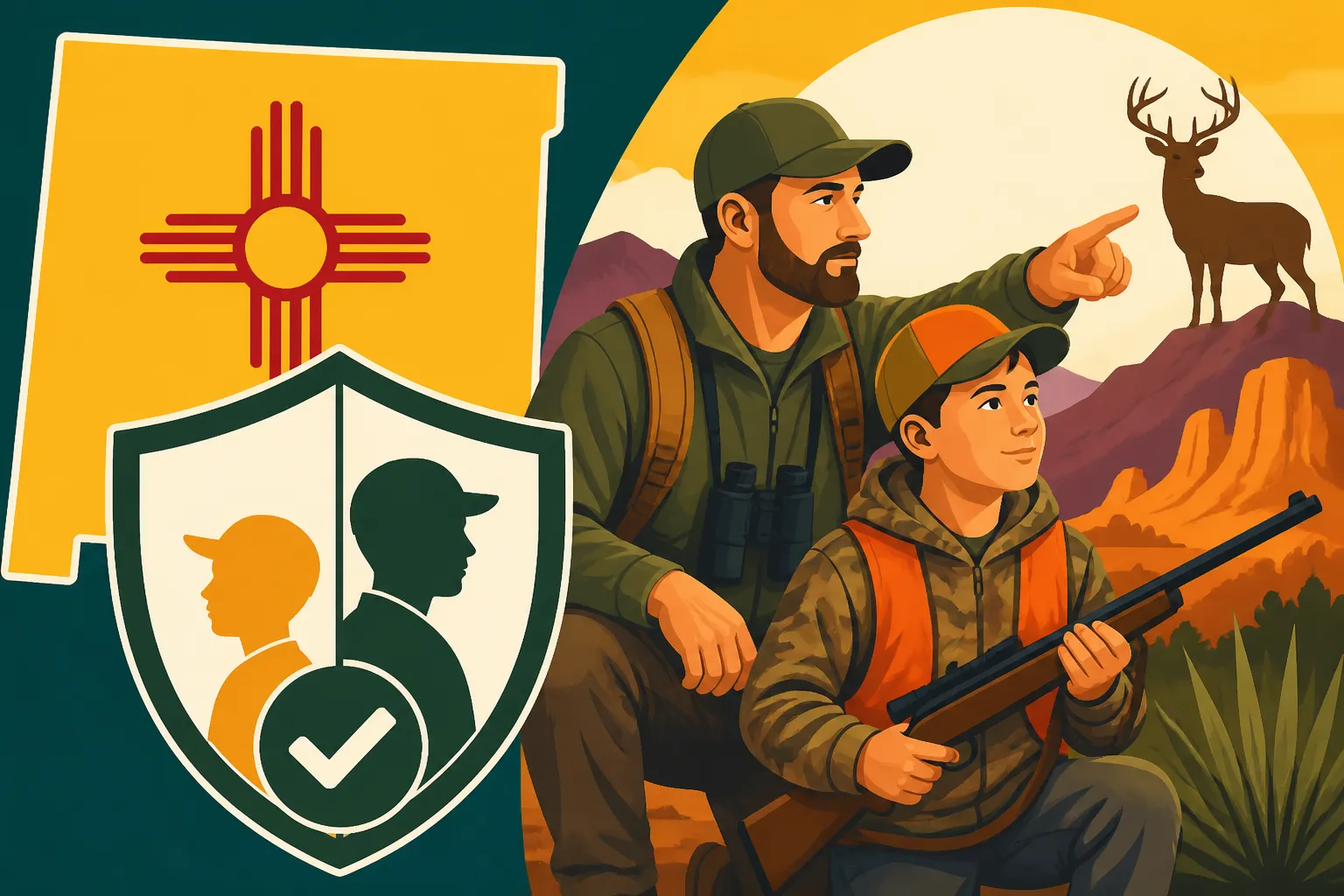
It's an age-old question for hunting families: when is the right time to introduce your child to the field? New Mexico, recognizing this critical step in perpetuating our hunting heritage, has created the Mentored Youth Program to safely and effectively bring new, young hunters into the fold. This guide aims to clear up any confusion surrounding the age limits within this invaluable program, detailing who can participate, what they can hunt, and the responsibilities of the adults leading the way.
Understanding the Mentored Youth Program Philosophy
Let's be honest, getting kids interested in anything outdoors that doesn't involve a screen can feel like a monumental task these days. The New Mexico Mentored Youth Program isn't just about handing a kid a rifle; it's a carefully crafted initiative designed to gently ease youngsters into the world of hunting, fostering a deep respect for wildlife, ethical practices, and the natural world. It acknowledges that not every child is ready for the full Hunter Education course right off the bat, and sometimes, the best classroom is a quiet morning in the field with a trusted adult.
Why the Program Exists
The truth is, hunter numbers are declining nationwide, and it's a real concern for the future of conservation funding, which largely comes from hunters and anglers. New Mexico launched this program, like many other states, to address this challenge head-on. It’s about more than just recruitment; it’s about making hunting accessible and less intimidating for families who might not have a strong hunting background themselves, or for seasoned hunters eager to share their passion without the immediate hurdle of formal certification for their very young proteges. The program provides a structured, yet flexible, pathway for youth to experience hunting firsthand, under close supervision, before committing to the full certification process. It's a bridge, if you will, connecting generations and traditions.
Goals for Young Hunters
The core goal isn't just to harvest an animal, though that's certainly a thrilling part of it. What the Mentored Youth Program truly aims for is to instill foundational skills and a proper mindset. We’re talking about teaching patience while waiting for legal light, understanding animal behavior, the importance of a clean shot, and the sobering reality of ethical game recovery. These young hunters learn about the regulations, the seasons, and how to safely handle a firearm or bow, all within a supportive environment. It’s about building character, resilience, and a profound connection to the land and its creatures. The hope is that these early, positive experiences will lead to a lifelong passion for responsible hunting and conservation.
Benefits for Families
For many hunting families, this program is a godsend. It allows parents, grandparents, aunts, uncles, or even family friends to bring a child along and share the experience without the pressure of having to rush them through a hunter education course. Imagine those quiet moments in a blind, or tracking game through the pines, sharing stories and imparting wisdom. It’s an incredible opportunity for bonding, teaching life skills, and passing down family traditions that might otherwise fade. It also provides a safe framework for adults to guide youth, ensuring they are adhering to regulations and best practices from day one. You can really get a sense of The New Mexico Mentored Youth Program Explained and how it brings families together.
Age Breakdown for Mentored Youth Participation
This is often where the rubber meets the road and confusion can creep in. The New Mexico Department of Game and Fish has specific guidelines based on age to ensure a safe and progressive introduction to hunting. It's not a one-size-fits-all approach, and for good reason—a six-year-old simply isn't ready for the same experiences or responsibilities as a twelve-year-old.
Youth Under 10 Years Old
For the truly young aspiring hunters, those under 10 years of age, the program opens the door specifically to small game and turkey hunting. This is a fantastic starting point! Think about it: hunting squirrels, rabbits, or even doves offers plenty of action and teaches fundamental skills like identifying legal game, safe firearm handling (often with smaller calibers like a .22 or a .410 shotgun), and the importance of ethical shot placement without the added complexity and physical demands of big game. These hunts are generally less intense, physically, and emotionally, making them perfect for building confidence and a love for the outdoors. A mentor, typically someone who is already an experienced hunter and has their own hunter education certification (or is exempt), must be with them, providing direct and immediate supervision. This isn't a "hands-off" situation; the mentor is right there, guiding every step, ensuring safety is paramount. If you're curious about the specifics, you'll want to check out What Mentored Youth Under Ten May Hunt.
Youth 10 Years Old and Older
Once a mentored youth reaches 10 years of age, the world of New Mexico big game hunting really opens up for them. This means they can pursue species like deer, elk, pronghorn, oryx, and bear, provided they have drawn the appropriate tags and are still participating in the Mentored Youth Program. This is a significant step, as big game hunting often involves more physical exertion, longer periods of stillness, and higher-powered firearms. The mentor's role remains crucial, requiring direct and immediate supervision. They're not just observers; they are actively involved in the hunt, guiding decisions, ensuring safety, and teaching the nuanced skills required for bigger game. This age group also benefits from a crucial two-year window where they can participate in the Mentored Youth Program without needing to complete a formal hunter education course. This flexibility allows them to gain valuable field experience before committing to the full certification process. Understanding What Mentored Youth Over Ten May Hunt is key for planning those bigger adventures.
How Long Mentored Status Lasts
The Mentored Youth Program isn't meant to be a permanent workaround for hunter education. It provides a valuable grace period. Generally, a youth can participate as a mentored hunter until they turn 18, or for up to two full license years (whichever comes first) if they are 10 years or older when they first enter the program. This two-year window is specifically designed to give them a taste of hunting and build confidence before they are required to complete the official Hunter Education course. Once those two years are up, or they turn 18, they must complete a certified Hunter Education course to continue hunting independently. It's a fantastic way for them to "try before they buy" into the full commitment of hunter education. For a deeper dive into this timeframe, look into How Long Mentored Youth Status Lasts.
Here's a quick overview of the age limits and requirements:
| Age Group | Hunter Education Required? | May Hunt Big Game? | May Hunt Small Game/Turkey? | Mentor Presence Required? | Duration of Mentored Status |
|---|---|---|---|---|---|
| Under 10 (Mentored) | No | No | Yes | Yes (Direct & Immediate) | Until 10th birthday or program exit |
| 10 & Older (Mentored) | No (for 2 license years) | Yes | Yes | Yes (Direct & Immediate) | Max 2 license years or until HE completed |
| After Mentored Period / Certified (Any Age) | Yes | Yes | Yes | No (unless minor per state law) | N/A |
Specific Species Mentored Youth Can Hunt
The beauty of the New Mexico Mentored Youth Program is its progressive nature, expanding opportunities as the youth gains experience and reaches specific age milestones. It’s not about throwing them into the deep end, but rather providing stepping stones that build confidence and skill.
Small Game and Turkey
For the youngest participants, those under 10, focusing on small game like cottontail rabbits, jackrabbits, and various quail species (Scaled, Gambel's, and Bobwhite) or wild turkey offers a fantastic introduction. These hunts are often more dynamic, providing more opportunities for shooting (with appropriate supervision and target practice, of course!) and teaching essential skills like identifying game, tracking, and understanding habitat. A squirrel hunt through a ponderosa stand, or chasing quail across the mesquite flats, can be just as exciting and formative as a big game hunt, if not more so for a young, energetic hunter. The emphasis here is on participation and learning the rhythm of the hunt, rather than solely on trophy potential. It's a great way to learn to carry a firearm safely, work with a dog if you have one, and appreciate the nuances of the landscape.
Big Game Opportunities
Once a mentored youth turns 10, the range of species they can legally pursue expands dramatically, bringing them into the realm of New Mexico's famed big game. This includes drawing for coveted tags for mule deer, elk, pronghorn, and even special species like oryx or Barbary sheep. Imagine the excitement of applying for an elk tag through the New Mexico draw, perhaps researching unit statistics on a platform like GoHunt, knowing that if successful, your mentored youth will be right there beside you. These hunts often demand a different level of patience, physical endurance, and precision in shot placement. A mentor will need to be particularly vigilant in these scenarios, ensuring the youth understands shot angles, ranges, and the gravity of pursuing larger animals. The program really allows them to grow into these challenging hunts, always with an experienced hand to guide them. This is where Which Species a Mentored Youth May Hunt in New Mexico becomes a vital resource for planning.
Special Youth-Only Hunts
New Mexico offers an incredible bonus for young hunters: designated youth-only hunt codes. These hunts are specifically set aside to give young hunters a less pressured, often higher-success opportunity to harvest game. These can range from special deer seasons to specific elk hunts. These tags are usually drawn through the regular application process, but the competition is typically lower than adult-only hunts, increasing a youth's chances of success. They provide a fantastic environment for learning, as there are fewer hunters in the field, allowing for a more relaxed and focused experience. These hunts are particularly excellent for building confidence and creating unforgettable memories. Checking resources like GoHunt can often help identify these special opportunities and guide families through the application process for New Mexico Youth-Only Hunt Codes.
The Role and Responsibilities of a Mentor
Being a mentor in the New Mexico Mentored Youth Program isn't just about showing up; it's a significant responsibility and a profound opportunity to shape the next generation of ethical hunters. The success and safety of the program hinge entirely on the dedication and knowledge of the adult mentor.
Mentor Age and Certification
First and foremost, a mentor must be at least 18 years old. This ensures a level of maturity and experience necessary to guide a young hunter safely. Additionally, the mentor must possess a valid New Mexico hunting license for the current season and species being hunted (if applicable, for example, if the mentor is also hunting). Critically, the mentor must also hold a valid New Mexico Hunter Education certificate or be exempt from the requirement (e.g., born before January 1, 1972). This isn't just a bureaucratic hurdle; it means the mentor has a demonstrated understanding of hunting safety, ethics, and regulations. They are the primary instructor and safety officer in the field. To participate, the mentor also needs to obtain a specific mentor number from the New Mexico Department of Game and Fish, which is a straightforward process but ensures accountability. Knowing Getting a Mentor Number From New Mexico is the first step in this crucial role.
Supervision Requirements
The term "direct and immediate supervision" isn't just legal jargon; it's the cornerstone of the Mentored Youth Program's safety protocol. What does it really mean in the field? It means the mentor must be close enough to the mentored youth to maintain unaided verbal communication and direct physical control over the youth's weapon. This isn't a situation where the mentor drops the child off at a deer stand and picks them up later. The mentor needs to be within arm's reach when the youth is actively hunting, ready to intervene instantly if there's a safety concern, or to provide instruction on shot placement or game identification. This level of supervision ensures that every decision made, every shot taken, is done under the watchful eye and guidance of an experienced, responsible adult. It’s an immersive teaching experience.
Ethical Hunting and Safety Instruction
Beyond the legal requirements, a mentor's true responsibility lies in instilling a deep sense of ethical hunting practices and unwavering safety habits. This means teaching more than just pulling a trigger. It's about respecting the animal, understanding fair chase principles, and practicing responsible outdoor behavior. Mentors guide youth on topics like proper firearm loading and unloading, muzzle control, target identification, shot placement, and immediate game recovery. They teach the importance of leaving no trace, respecting private property boundaries, and knowing when to pass on a shot. This holistic approach ensures that mentored youth don't just learn how to hunt, but how to hunt responsibly and become stewards of our wildlife resources. It's these early lessons that often shape a hunter's entire career.
Transitioning from Mentored Youth to Certified Hunter
The Mentored Youth Program is a fantastic gateway, but it's not a permanent solution for continued hunting participation. Eventually, every aspiring hunter needs to complete their formal hunter education to become a fully certified, independent hunter. New Mexico provides a clear path for this transition, making it as smooth as possible.
When Hunter Education Becomes Mandatory
The clock starts ticking for mentored youth (aged 10 and older) from the moment they first participate in the program. As mentioned earlier, they have a grace period of up to two full license years to hunt without completing Hunter Education. After these two years have passed, or once they turn 18, whichever comes first, the Hunter Education certificate becomes a mandatory requirement to purchase a standard hunting license and hunt without direct mentor supervision. This is where the rubber meets the road; the program intends for these new hunters to gain experience and then formalize their education. It's a push for them to take the next step and assume full responsibility as informed, safe hunters. Many will find useful information on The New Mexico Hunter Education Requirement when they reach this stage.
The Two-Year Grace Period
That two-year grace period is a real benefit, offering flexibility that's often misunderstood. It means if a child starts hunting as a mentored youth at age 10, they could potentially hunt for two full seasons (e.g., fall 2024 and fall 2025) before needing to complete their Hunter Education course for the 2026 season. This extended window allows for multiple hunting experiences across different seasons and species, giving them a much broader understanding of hunting practices than a single course could provide. It’s a pragmatic approach to youth recruitment, acknowledging that hands-on experience in the field, under a mentor's careful eye, is incredibly valuable. This flexibility is a key aspect of New Mexico Mentored Youth Can Hunt Two Years Before Certifying.
Path to Full Hunter Certification
Once the grace period is over, or if a youth simply decides they want to get certified earlier, the process is straightforward. New Mexico offers several avenues to complete Hunter Education. There are online courses that allow students to learn at their own pace, covering topics from firearm safety and wildlife identification to ethical hunting practices and regulations. These online courses often require a practical field day component, where students demonstrate safe firearm handling, shooting proficiency, and other hands-on skills under the supervision of certified instructors. This blend of online learning and practical application ensures a comprehensive education. Resources like GoHunt can often direct families to local field day schedules or online course providers. Remember, becoming a certified hunter is a rite of passage, signifying a deeper commitment to responsible outdoor recreation. For those wondering, Does Hunter Education Include a Field Day? is a common question and one that's easily answered through the NMDGF resources.
Common Misconceptions and Clarifications
Even with the best intentions, programs like the Mentored Youth often generate questions and sometimes, outright misunderstandings. Let’s clear up some of the more frequent points of confusion regarding New Mexico’s Mentored Youth Program.
Mentored Youth as First-Time Hunters
One common assumption is that the Mentored Youth Program is only for first-time hunters. While it certainly caters to them, the primary criterion is that the youth has not yet completed a Hunter Education course. So, a youth who might have hunted small game informally with family but never taken a formal course would still qualify. The spirit of the program is indeed to introduce hunting, often to those new to the structured environment of regulations and safety protocols, but it’s framed more around the absence of formal certification than a strict "never hunted before" rule. Essentially, if they haven't passed Hunter Education, and they meet the age requirements, they can be a mentored youth. This is crucial for understanding Must a Mentored Youth Be a First-Time Hunter?.
Weapon Restrictions for Mentored Youth
Another area of confusion can be around weapon types. Some might assume that mentored youth are restricted to certain less powerful firearms or specific bows. The reality is that mentored youth are generally allowed to use any legal weapon for the species and season they are hunting, provided it meets the state's minimum requirements and, most importantly, is appropriate for the youth's size, strength, and skill level. The critical factor here is the mentor's discretion and direct supervision. A mentor would never hand a lightweight ten-year-old a .300 Win Mag for an elk hunt without extensive prior training and ensuring the rifle fits them and they can handle the recoil safely and accurately. The state specifies broadhead requirements for archery or minimum caliber for muzzleloaders, and these apply equally to mentored youth. For example, Are Crossbows Legal for Big Game? is a question that applies to all hunters, including mentored youth, provided they follow the rules. It’s about being responsible, not about adding arbitrary restrictions to the youth.
Differences from Traditional Junior Licenses
It's easy to conflate a "mentored youth" status with a "junior license," but there are key differences. A traditional junior hunting license in New Mexico typically requires the hunter to have already completed their Hunter Education course. This means they are considered certified and can hunt without the direct and immediate supervision required for a mentored youth. While there are often youth-specific tags or reduced license fees for junior hunters (both certified and mentored), the core distinction lies in that hunter education requirement and the accompanying supervision level. The Mentored Youth Program is specifically designed as an alternative pathway to entry for those who haven't yet completed that formal training, offering a temporary bridge into the hunting world under close guidance. After the two-year grace period or turning 18, a mentored youth would then transition to needing a standard license, which for those under 18 would often still be considered a junior license category, but with full certification.
Disclaimer
Please note that hunting regulations, seasons, and requirements can change. While this guide aims to provide accurate and up-to-date information, it is always your responsibility to consult the most current New Mexico Department of Game and Fish regulations and proclamations before engaging in any hunting activity.