How Old a New Mexico Mentor Must Be
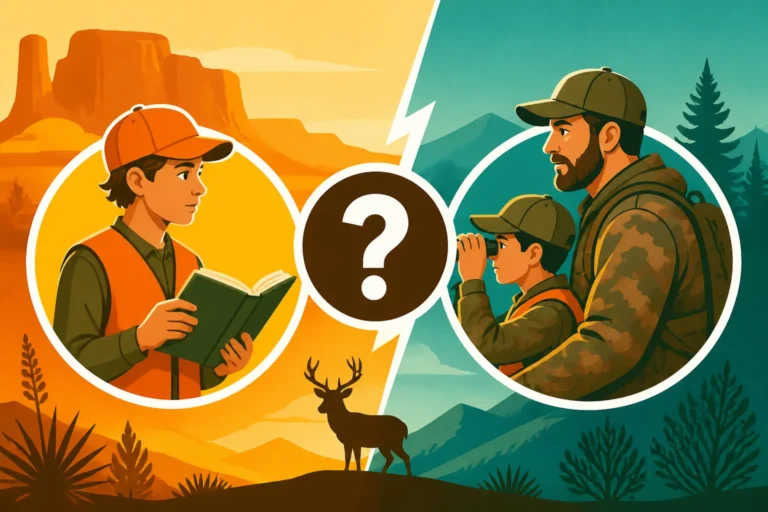
One of the biggest questions I hear from folks looking to introduce a young person to hunting in New Mexico through the Mentored Youth Program revolves around who can actually be a mentor. It's not just about wanting to teach; there are specific requirements you absolutely need to meet, starting with your age. This guide is going to break down exactly how old a mentor must be, and what other crucial qualifications you'll need to possess to legally and effectively guide a young hunter in our beautiful state.
The Core Mentor Age Requirement in New Mexico
Let's get straight to the point because this is often the first hurdle people encounter. In New Mexico, if you want to be a mentor in the Mentored Youth Hunter Program, you must be at least 18 years of age. This isn't just a suggestion; it's a hard-and-fast legal requirement set by the New Mexico Department of Game and Fish. It's a foundational rule designed to ensure that the individual responsible for guiding a young, inexperienced hunter is an adult with a certain level of maturity and legal accountability.
Understanding the Legal Minimum Age
The age of 18 is a pretty standard benchmark for legal adulthood across many aspects of life, and hunting mentorship is no different. Think about it: a mentor is fully responsible for the safety, ethical conduct, and legal compliance of their mentee in the field. This includes everything from ensuring safe firearm handling or archery practice to correctly identifying game and understanding season dates. The law recognizes that an 18-year-old is legally responsible for their actions and can be held accountable for any infractions that might occur under their supervision. This provides a layer of protection not only for the youth but also for the wildlife resources and the reputation of the hunting community. It's also the age at which an individual can possess firearms without parental consent and legally purchase hunting licenses themselves.
Why This Age Limit Matters for Safety and Guidance
Beyond the legal aspect, the 18-year-old minimum is deeply rooted in safety and the quality of mentorship. Hunting, especially big game hunting in challenging New Mexico terrain, can be physically demanding and requires significant judgment calls. An 18-year-old, generally, has more life experience, a greater capacity for independent decision-making, and often more extensive hunting experience themselves compared to someone younger. They are better equipped to handle unexpected situations, from a lost trail to a wounded animal, or even a sudden change in weather. Imagine being out in the Gila Wilderness with a youngster and facing a sudden downpour; you need someone with the maturity to make smart decisions quickly. This maturity also helps in fostering a deeper understanding of conservation and ethical hunting, which are core tenets of the Mentored Youth Program. You can read more about The New Mexico Mentored Youth Program Explained in detail to understand its full scope.
Beyond Age: Essential Qualifications for a New Mexico Mentor
While being 18 is non-negotiable, it's really just the starting line. New Mexico has several other critical qualifications that every potential mentor must meet to participate in the program. These requirements ensure that mentors are not only adults but also competent, responsible, and knowledgeable hunters themselves. It’s all about creating a safe, positive, and educational experience for the mentored youth.
Hunter Education and Licensing Requirements
First and foremost, a mentor must possess a valid New Mexico hunting license for the current season, and they must have successfully completed a state-certified hunter education course. This isn't just a good idea; it's the law. The mentor must have their hunter education certification. This rule applies to residents and nonresidents alike. The only exceptions for hunter education typically apply to individuals born before January 1, 1949, or those who are themselves enrolled in the Mentored Youth Program for their first two years. Since a mentor is by definition not a mentored youth, they absolutely need that hunter education certification. This ensures they are proficient in firearm safety, wildlife identification, basic first aid, and the game laws of New Mexico. It's crucial for the mentor to lead by example, understanding that proper licensing and safety training are paramount in the field. If you’re unsure about the requirements, a quick check with the New Mexico Department of Game and Fish website, or even using a mapping application like GoHunt, can help clarify which licenses and stamps you need. For a deeper dive into who needs this, check out Who New Mexico's Hunter Education Rule Covers.
The Importance of a Mentor Number
Once you meet the age and hunter education requirements, you'll need to officially register as a mentor with the New Mexico Department of Game and Fish and receive a unique mentor number. This number is critical because it links you directly to the youth's application and validates your role in the program. It's not a complicated process, but it is a necessary administrative step. Without this mentor number, the youth cannot legally participate under your guidance. This system helps the Department track participation, ensure compliance, and maintain the integrity of the program. You apply for this number through the NMDGF licensing system, and it's essential to have it in hand before the youth's hunt begins. Understanding What a Mentor Number Requires in New Mexico is crucial before you even consider taking a youth afield.
Experience and Judgment in the Field
While not a formal "checklist" item in the regulations, the unwritten rule of being a mentor is having solid hunting experience and good judgment. You're not just supervising; you're teaching. This means you need to be comfortable and proficient with the weapon being used, knowledgeable about the game species being pursued, and familiar with the hunting unit and its specific regulations. For instance, if you're planning a deer hunt in the mountains, you should be experienced in Reading a New Mexico Hunt Code Before You Apply and understand the nuances of the season. A mentor should be able to identify animals, understand their behavior, and make ethical shooting decisions. They should also be capable of safely navigating diverse terrains, from the high country near Taos to the desert ranges down by Las Cruces, and be prepared for potential hazards like sudden weather changes or encounters with wildlife. The best mentors are calm under pressure, prioritize safety above all else, and embody the ethics of fair chase.
The Mentor's Role in the New Mexico Mentored Youth Program
Being a mentor is far more than just signing off on a piece of paper. It's a hands-on, deeply involved commitment. You are essentially the youth's hunting instructor, safety officer, and ethical compass all rolled into one. The program is specifically designed to allow young, inexperienced hunters to participate without having completed hunter education themselves, provided they are under the direct, immediate supervision of a qualified adult mentor. This makes the mentor's role absolutely critical.
Providing Direct Supervision and Instruction
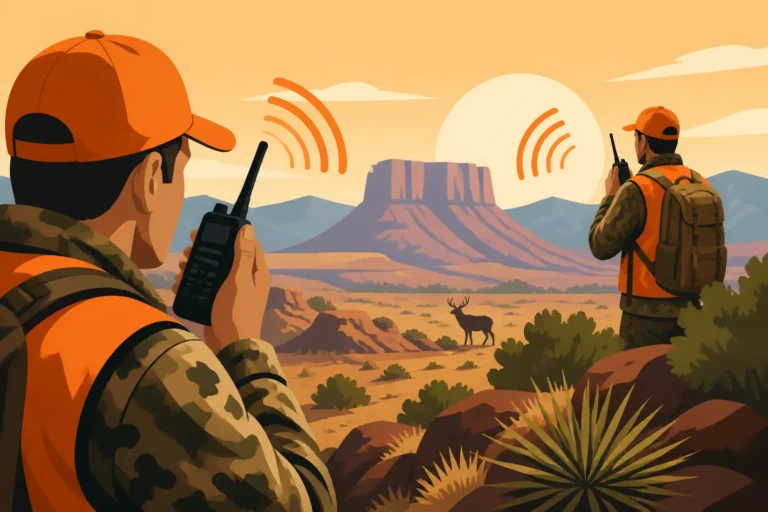
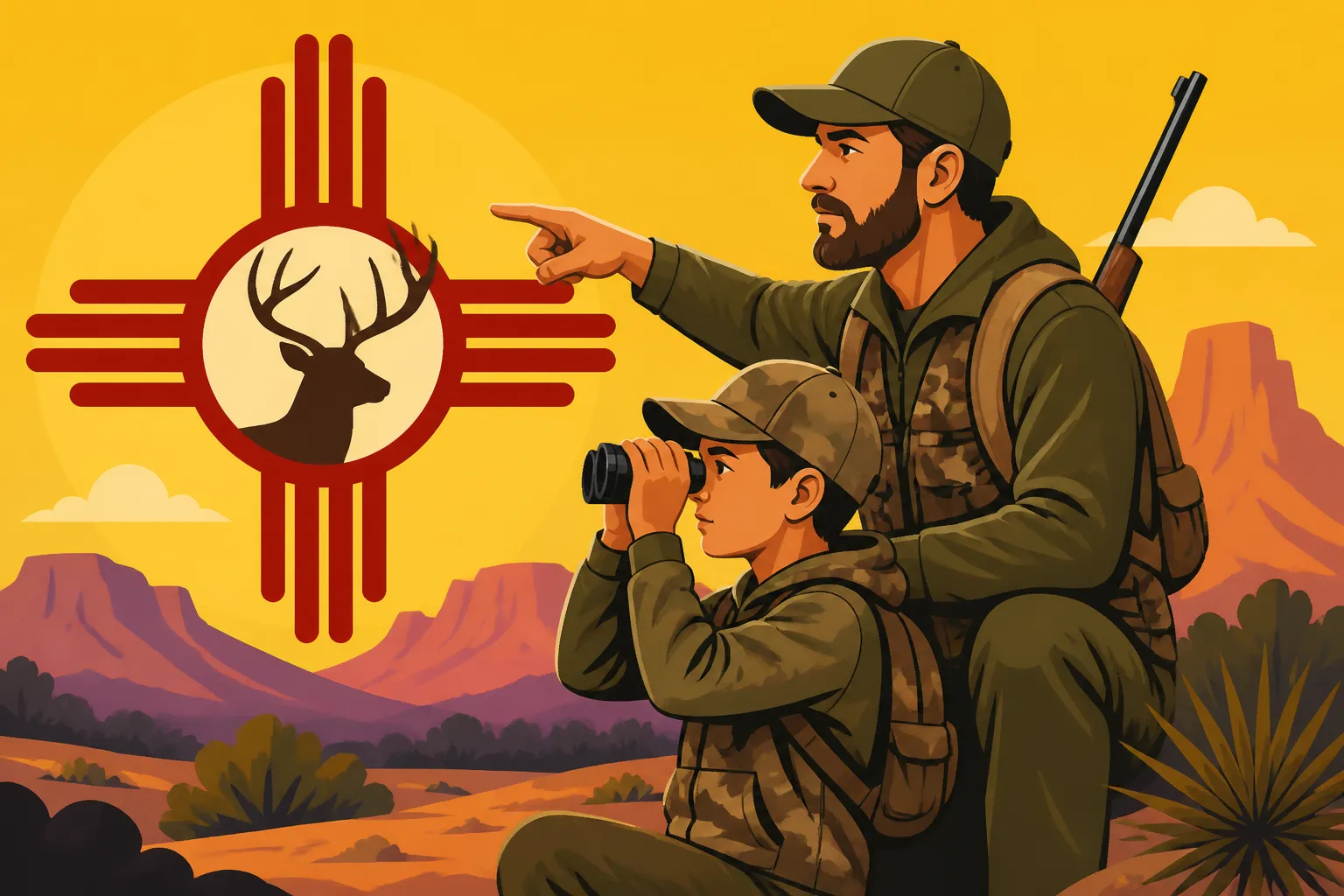
"Direct and immediate supervision" is the cornerstone of the Mentored Youth Program. This means the mentor must be close enough to the youth to provide constant, undivided attention, communication, and control over the youth's actions, especially concerning the handling of a firearm or bow. We're talking within arm's reach or a speaking distance, not watching from across a canyon. The mentor is responsible for instructing the youth on safe weapon handling, target acquisition, shot placement, and game identification. This isn't just theoretical; it's about being right there, helping them shoulder a rifle correctly, guiding their aim, or whispering advice as a deer approaches. It's about constant vigilance and active teaching. This intensive supervision is why New Mexico Mentored Youth Can Hunt Two Years Before Certifying for their own hunter education.
Fostering Ethical Hunting Practices
A mentor's job extends far beyond just harvesting an animal. It's about instilling a profound respect for wildlife, the land, and the traditions of hunting. This means teaching about fair chase, ethical shot selection, proper field dressing, and meat care. It involves discussing the importance of wildlife conservation, habitat management, and giving back to the resource. A good mentor models responsible behavior, such as following Legal Shooting Hours and Blaze Orange in New Mexico regulations, respecting private property boundaries, and always ensuring a clean, quick harvest. It’s about more than just the kill; it's about the entire experience and developing a lifelong appreciation for the outdoors. Showing a young hunter how to Field Dressing in Desert Heat after a successful early-season hunt, for example, is a crucial skill for responsible hunters.
Navigating the Mentored Youth Hunt Codes
New Mexico has specific hunt codes for mentored youth. These codes will dictate the species, unit, and dates the youth can hunt, and it's the mentor's responsibility to understand and abide by them. These hunts are often for common game like deer or turkey, but the specific regulations still need careful attention. A mentor must ensure they are applying for and hunting under the correct codes for their mentee. This often means diligently reviewing the annual "New Mexico Hunting Rules & Info" booklet or checking the NMDGF website. Tools like GoHunt can also be invaluable here, helping you understand Which Species a Mentored Youth May Hunt in New Mexico and navigate complex regulations and draw odds for youth hunts. It’s important to remember that not all hunts are open to mentored youth, and specific restrictions may apply based on the youth's age or the weapon type.
Steps to Becoming a Certified Mentor in New Mexico
So, you're 18, you've got your hunter education, and you're ready to share your passion for hunting with the next generation. That's fantastic! Now let's walk through the practical steps to become a certified mentor in New Mexico. It's a straightforward process, but like anything involving state regulations, it requires attention to detail.
Applying for Your Mentor Number
The first official step is to obtain your mentor number. You'll do this directly through the New Mexico Department of Game and Fish online licensing system. You'll need an active customer account. If you don't have one, it's easy to set up. Once logged in, navigate to the section for "Mentored Youth Program" or similar, and you should find an option to register as a mentor. You'll likely confirm your age, hunter education status, and acknowledge your responsibilities. Once registered, you'll be assigned a unique mentor number that you’ll then provide to the youth or their parent/guardian when they apply for a mentored youth license. Remember, this number is specific to you and your qualifications, so it’s not something that can be shared or transferred. Make sure you apply for this well in advance of the hunting season; don’t wait until the last minute!
Resources for New Mentors
Even experienced hunters can benefit from additional resources when taking on the role of a mentor. The New Mexico Department of Game and Fish provides a wealth of information on their website, including detailed rules and regulations, safety guidelines, and educational materials. Don't hesitate to review the "New Mexico Hunting Rules & Info" booklet each year, as regulations can change. Furthermore, organizations like the National Shooting Sports Foundation (NSSF) and various hunting advocacy groups offer programs and tips specifically geared towards mentoring new hunters. Many local sportsman's clubs also host youth events or have members willing to share their wisdom. Attending a local field day or youth hunt event can be an excellent way to connect with other mentors and gain practical insights. Even exploring mapping tools from companies like GoHunt, which offer detailed public land information and unit breakdowns, can help you e-scout and plan your hunts effectively, making you a more knowledgeable guide. Remember, the goal is not just to comply with the rules but to truly educate and inspire.
Mentor Qualifications at a Glance
To help summarize, here’s a quick overview of the key qualifications required to be a mentor in New Mexico:
| Qualification | Requirement | Notes |
|---|---|---|
| Minimum Age | 18 years old | Non-negotiable legal requirement. |
| Valid Hunting License | Current year's hunting license for the species/season | Must be valid for the hunt being pursued. |
| Hunter Education Certification | Must have completed a state-certified course | Required for mentor, unless born before Jan 1, 1949. Not required for mentee. |
| Mentor Number | Registered with NMDGF, unique ID obtained | Essential for the youth's license application. |
| Direct Supervision | Ability to provide constant, immediate oversight | Mentor must be within arm's reach/speaking distance of the youth. |
| Ethical Conduct | Upholds fair chase, safety, and conservation | Leads by example; teaches respect for wildlife and rules. |
| Knowledge & Experience | Familiarity with game laws, species, and unit terrain | Not strictly regulated, but crucial for effective and safe mentoring. |
This table should give you a solid reference point as you prepare to embark on the rewarding journey of mentoring a young hunter in New Mexico. It's a chance to pass on a legacy, and by meeting these qualifications, you ensure that legacy is built on a strong foundation of safety, ethics, and respect.
Disclaimer
Please note that hunting regulations, license requirements, and fees are subject to change by the New Mexico Department of Game and Fish. This article provides general information and guidance based on current understanding. Always consult the most recent official New Mexico Hunting Rules & Info booklet and the NMDGF website before planning or participating in any hunting activity. It is the hunter's responsibility to know and follow all applicable laws and regulations.