Electronic Calls for Predators and Varmint Hunting
It’s incredibly frustrating when you’re out in the field, trying to call in a wily coyote or fox, and you’re just not getting the results you expect, especially when you’re not entirely sure if the sounds you’re using are even legal, let alone effective. New Mexico's diverse landscapes, from high desert to timbered mountains, present unique challenges and opportunities for predator and varmint hunting. This comprehensive guide will walk you through the specifics of using electronic calls in the Land of Enchantment, ensuring you stay legal and maximize your chances for success.
Understanding New Mexico's Rules on Electronic Calls
Navigating hunting regulations can feel like deciphering a secret code sometimes, and electronic calls are one of those areas where rules can vary significantly between species. New Mexico has very clear distinctions about when and where you can use these tools, and understanding them is paramount to avoid fines or losing your hunting privileges.
Where Electronic Calls Are Legal for Big Game
Let's get this straight right off the bat: in New Mexico, electronic calls are generally not legal for hunting big game animals. This includes species like elk, deer, antelope, bighorn sheep, oryx, ibex, and bear. The New Mexico Department of Game and Fish (NMDGF) regulations are designed to ensure fair chase and prevent any undue advantage over these prized game animals. The intent is to keep the challenge and traditional elements of hunting alive for species that require a draw tag and are managed with more conservative harvest quotas. Using an electronic call for big game would be considered a serious violation, potentially resulting in hefty penalties, confiscation of equipment, and revocation of your license. If you're looking into specific rules for other equipment, you might want to read about topics like, "Are Crossbows Legal for Big Game?" or "Broadhead Requirements for Bowhunting," which cover similar equipment-specific rules.
The Distinction for Predator and Varmint Hunting
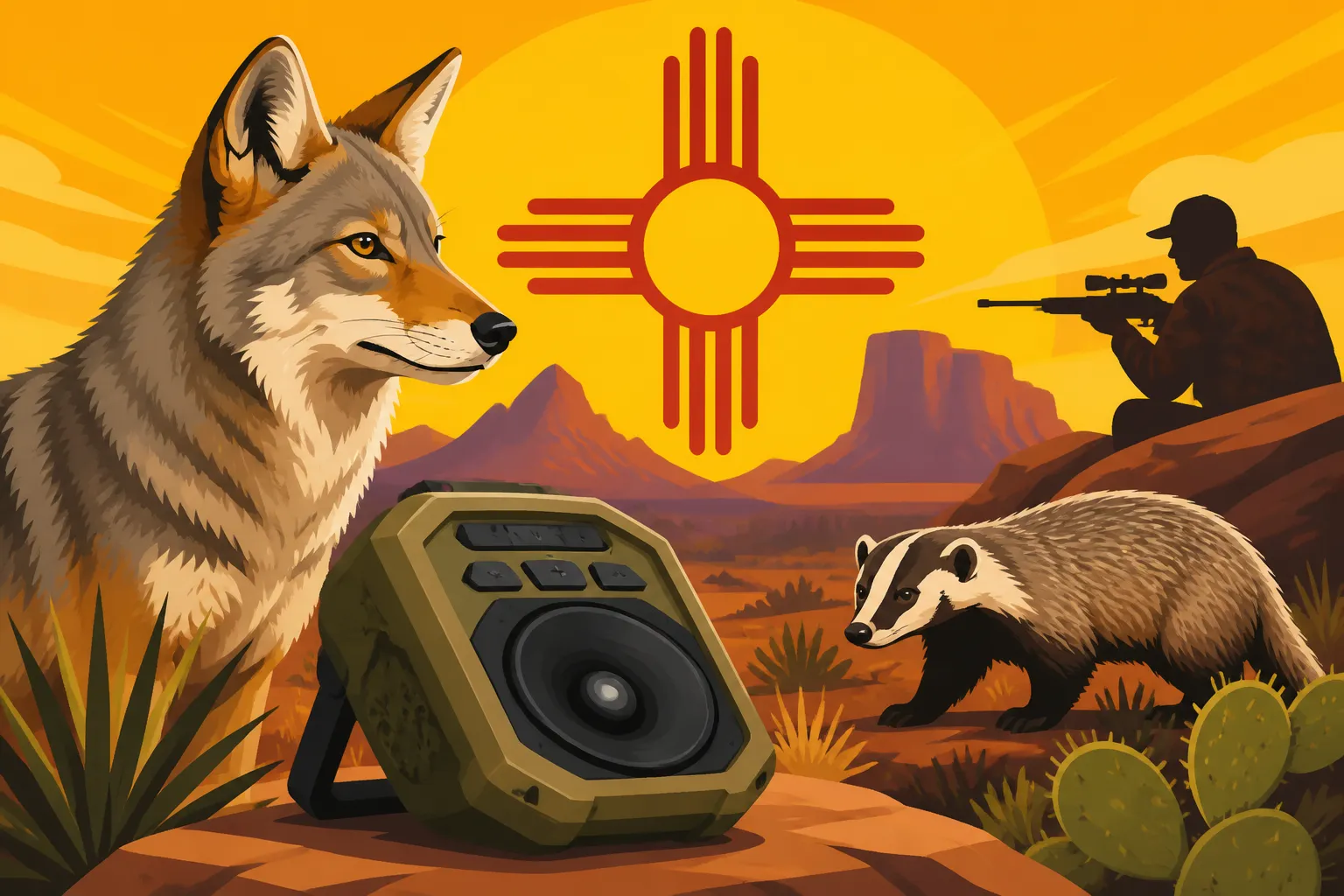
Now, here's where the electronic call really shines and where it becomes perfectly legal and highly effective: predator and varmint hunting. New Mexico explicitly allows the use of electronic calls for species such as coyotes, foxes, bobcats, raccoons, skunks, badgers, and certain varmints like prairie dogs. This distinction is crucial. Predators and varmints are often managed differently due to their populations, their impact on other wildlife, and their classification as non-game species. For hunters looking to thin out coyote populations, protect livestock, or simply enjoy a challenging hunt, electronic calls are an indispensable tool. This legal allowance opens up a world of strategic possibilities for hunters targeting these cunning animals, making it easier to lure them into shooting range. When considering your options, it's always wise to check the "Reading a New Mexico Hunt Code Before You Apply" resource to ensure you understand all the nuances of any regulations.
Penalties for Misuse
It’s not just a slap on the wrist if you get caught misusing an electronic call in New Mexico. The penalties can be severe. We’re talking about significant fines that can range from hundreds to thousands of dollars, potential forfeiture of your hunting equipment (including that expensive e-caller and even your firearm), and the suspension or permanent revocation of your hunting license. Depending on the severity of the offense and whether it's a repeat violation, you could even face jail time. Game wardens are well-versed in these rules and actively patrol hunting areas. It's simply not worth the risk to use an electronic call illegally. Always double-check the current NMDGF regulations booklet; ignorance of the law is never an excuse.
Choosing the Right Electronic Call for New Mexico's Landscape
New Mexico's terrain is incredibly diverse, from the wide-open plains of the east to the dense timber and deep canyons of the Gila National Forest. Your choice of electronic call needs to be as adaptable as the landscape itself to be truly effective.
Features to Look for in an E-Caller
When picking out an electronic call, think about what you'll be putting it through. Durability is key – you'll want a unit that can withstand dust, occasional bumps, and temperature swings without skipping a beat. Brands like Foxpro, Primos, and Lucky Duck are popular choices among experienced predator hunters for their robust construction and reliable performance. Look for a unit with a clear, loud speaker that can project sound across vast distances, which is often necessary in New Mexico's expansive country. A remote control is almost essential, allowing you to operate the call from a distance and remain concealed.
Consider the pre-loaded sound library. A good variety of distress calls, territorial howls, and even some natural sounds like bird chirps or rabbit squeals will give you options for different scenarios. Some higher-end models allow you to add or customize sounds, which can be a huge advantage. Battery life is another critical factor; nothing kills a hunt faster than a dead caller. Look for models with long-lasting rechargeable batteries or the option to use readily available standard batteries.
| Feature | Importance in New Mexico | Description | Key Considerations |
|---|---|---|---|
| Durability | High | Withstands dust, heat, and occasional impacts common in rugged terrain. | Weather-resistant casing, robust construction. |
| Sound Output/Volume | High | Projects clear sound over long distances, crucial for open country. | High-quality speaker, ability to adjust volume precisely. |
| Remote Control | Essential | Allows hunter to stay concealed and control calls from a distance. | Range of remote, ease of use, backlit display for low light. |
| Sound Library | High | Variety of distress, territorial, and prey sounds for different species/situations. | Pre-loaded sounds, ability to add/customize, realistic audio quality. |
| Battery Life | High | Critical for extended hunts in remote areas without power access. | Rechargeable options, ability to use standard batteries, power-saving features. |
| Programmability | Medium to High | Sequences of calls, custom sounds. | User-friendly interface, software updates. |
| Portability | Medium | Easy to carry into remote areas. | Weight, size, attachment points for backpack. |
Popular Call Sounds for New Mexico Predators
New Mexico's predator species respond to a range of sounds, but some are consistently more effective than others. For coyotes, rabbit distress calls (like cottontail or jackrabbit) are perennial favorites. These sounds often trigger an immediate predatory response. Fawn distress calls can also be incredibly potent, especially during and after the deer fawning season. Bird distress, such as magpie or crow, can also attract coyotes and foxes, sometimes bringing in multiple predators.
For bobcats, specific bird distress calls, mouse squeaks, and even some fawn or rabbit distress sounds can work well. Fox often respond to rodent distress calls and smaller bird sounds. The key is to have a versatile library and to be ready to switch sounds if one isn't working. Sometimes, a series of short, sharp distress calls followed by silence, then a different sound, can break through a predator's wariness. Remember, you're trying to mimic a legitimate prey animal in trouble, and that means varying your approach.
Managing Sound Direction and Volume
Effective use of an electronic call isn't just about playing the right sound; it's also about how you play it. In New Mexico’s vast, open country or deep canyons, understanding how sound travels is critical. You want the sound to carry effectively without sounding unnatural or pinpointing your exact location. For this, reading the wind is paramount. Just like for big game, if you're out in the wilderness, you’ll definitely need to master "Reading Wind in a Deep Gila Canyon" to help your sound travel effectively to where the animals might be.
Always set your caller upwind of your position, ideally 50-100 yards away. This puts the sound source away from you, masking your scent cone and directing the predator's attention towards the call, not your hiding spot. Adjust the volume based on the terrain and conditions. In open plains, you might need higher volume to reach distant predators, while in dense timber, a lower, more subtle volume can be more realistic. Start lower and increase slowly, especially if you suspect predators are close. The goal is to pique their curiosity and draw them in, not to blast them with an overwhelming sound that makes them wary.
Effective Strategies for Using E-Calls in New Mexico
Having the best electronic call means little if you don't know how to deploy it strategically. New Mexico's varied habitats demand adaptable tactics for predator hunting.
Setup and Deployment in Varied Terrain
Your setup will drastically change depending on whether you're hunting the wide-open spaces of eastern New Mexico or the rugged, timbered mountains. In open country, you'll want to position your call and yourself to take advantage of natural features for concealment, such as washes, low ridges, or even a lone mesquite bush. Set your call up where it has a clear line of sight to a wide area, allowing the sound to travel. Then, position yourself crosswind or slightly downwind from the call, ensuring that any approaching predator has to expose itself to your view before it winds your scent. Always choose a spot with good backdrop to break up your silhouette.
In more broken or timbered country, like parts of the Cibola National Forest or the ponderosa stands of northern units, you'll want to use the terrain to your advantage for concealment and to funnel predators. Set your call on a rise or at the edge of a clearing where the sound can project. Look for natural travel corridors like game trails, dry creek beds, or saddlebacks that predators might use to approach the sound. Ensure you have clear shooting lanes, but also remember that predators here might approach more cautiously, using cover. If you are doing some serious trip planning and want to analyze public ground, "E-Scouting a New Mexico Unit Before the Season" can provide invaluable information.
Reading Wind and Thermals for Optimal Sound Travel
Predators rely heavily on their sense of smell, so scent control is always important. But for electronic calls, understanding wind direction is critical for both scent management and sound propagation. As mentioned, position your call upwind of your position. As a predator approaches, it will naturally try to get downwind of the sound source to catch a scent of its potential meal. By placing the call upwind, you force the animal to move into an area where you have an ethical shot, or at least you’ll see it before it winds you. This is also where understanding "Reading Wind in a Deep Gila Canyon" becomes incredibly important, as thermals can dramatically shift how sound and scent move throughout the day.
In mountainous terrain, thermals play a huge role. Early morning, thermals typically pull air (and scent) downhill. As the sun rises and warms the ground, thermals reverse and start moving uphill. Plan your setups accordingly. In the morning, you might want to call from a higher position, letting the sound drift down. In the afternoon, you might position yourself lower, letting the rising thermals carry the sound up. Always have a wind checker handy to confirm conditions before and during your stand.
Incorporating Decoys with Electronic Calls
Adding a visual element can dramatically increase the effectiveness of your electronic call. A simple motion decoy, like a rabbit ear topper or a fluttering bird, can be the final piece of the puzzle that convinces a wary predator to commit. When a coyote or fox hears a distress call, they'll often scan the area for the source of the sound. If they see movement that mimics a struggling animal, it validates the sound and provides a target for them to focus on.
Place your decoy close to your electronic call, typically within a few feet. This draws the predator's eyes away from your position and squarely onto the simulated prey. Ensure the decoy is visible from various angles and moves naturally in the breeze or via a battery-operated motor. The combination of realistic sound and movement often overrides a predator's natural caution, bringing them in closer and offering a better shot opportunity. Many hunters, for example, will use this tactic while "Hunting Coyotes Year Round in the Desert" because those critters are notoriously cautious.
Maximizing Success with Varmint and Predator Calls
Success in predator hunting isn't just about pushing buttons; it's about strategy, patience, and understanding the animals you're pursuing.
Common Mistakes to Avoid
One of the biggest mistakes hunters make is being too impatient. Predator hunting often requires you to sit still and be quiet for longer than you might expect, sometimes 20-30 minutes per stand, or even longer in high-pressure areas. Predators often circle downwind, taking their time to approach. Rushing a stand or moving too soon can blow your opportunity.
Another common error is failing to manage your scent. Even with the electronic call drawing attention away, your human scent can still spook animals. Use scent-eliminating sprays, wash your hunting clothes in scent-free detergent, and pay attention to wind direction. Additionally, don't overcall. Sometimes, less is more. A few short bursts of sound, followed by silence, can be more effective than continuous calling. Too much noise can make the sound seem less natural.
Finally, overlooking adequate scouting can doom a hunt. You need to know where the predators are likely to be before you even set up. Utilizing tools like "GoHunt" for mapping and unit data can provide excellent insights into terrain features and potential habitat.
Timing Your Hunts for Best Results
Timing is crucial. Predators are often most active during dawn and dusk, much like big game. These low-light conditions provide them with cover and cooler temperatures, making them more comfortable to move and hunt. Early morning, just as the sun is rising, and late afternoon/evening, leading into legal shooting hours, are prime times.
However, don't rule out midday hunts, especially in cooler weather or during specific seasons. During the rut, coyotes and foxes can be active at any time of day, responding to territorial challenges. Also, after a fresh snowfall, predators might be more active, looking for easy meals. Always check the legal shooting hours for New Mexico, which, for most big game and many predators, aligns with civil twilight. Also, while you might be thinking of late-night hunts, remember to verify "Is Night Hunting Legal for Coyotes Out West?" as regulations differ.
Scouting for Prime Locations
You can have the best electronic call and all the right sounds, but if you're not hunting where the predators are, you won't be successful. Scouting is paramount. Look for fresh tracks, scat, and evidence of prey animals (like rabbit or deer signs). Areas with good cover, water sources, and natural travel corridors are always good bets. This is where resources like "Finding Water in New Mexico's Dry Country" become invaluable, as predators often follow prey to these vital spots.
Using online mapping tools like "GoHunt" can help you identify potential ambush points, natural funnels, and areas with good visibility before you even step foot in the field. Look for areas where different habitat types meet, such as the edge of a dense juniper thicket bordering open grassland, or a canyon rim overlooking a flat. These transition zones are often hotspots for predator activity. Don’t forget to consider "Trail Camera Rules on New Mexico Public Land" if you're thinking of setting up cameras to pattern animal movements. Also, a quick look at "Where New Mexico Lists Unit Harvest Statistics" could give you a general idea of areas with higher predator populations.
Disclaimer
Always consult the current New Mexico Department of Game and Fish regulations booklet before heading into the field. Laws and regulations can change, and it is the hunter's responsibility to be aware of and comply with all applicable rules.