Hunting the Any Legal Weapon Deer Windows
Navigating New Mexico's deer hunting landscape can feel like deciphering an ancient scroll, especially when you're trying to figure out which seasons offer the most flexibility for your preferred hunting style. Many hunters feel restricted by archery-only or muzzleloader-specific windows, longing for a time when they can truly choose the best tool for the job. This guide is here to untangle the complexities of New Mexico's "Any Legal Weapon" deer seasons, helping you understand their timing, what gear is allowed, and how to maximize your success in the field.
Understanding New Mexico's "Any Legal Weapon" Seasons
The term "Any Legal Weapon" in New Mexico's hunting regulations often brings a sigh of relief to hunters who prefer versatility. Unlike the more restrictive seasons, these windows allow for a broader range of equipment, catering to diverse hunting preferences and skills. It's a chance to truly pick the tool that best suits the terrain, the weather, and your personal comfort, without feeling boxed in by specific weapon types.
What "Any Legal Weapon" Truly Means
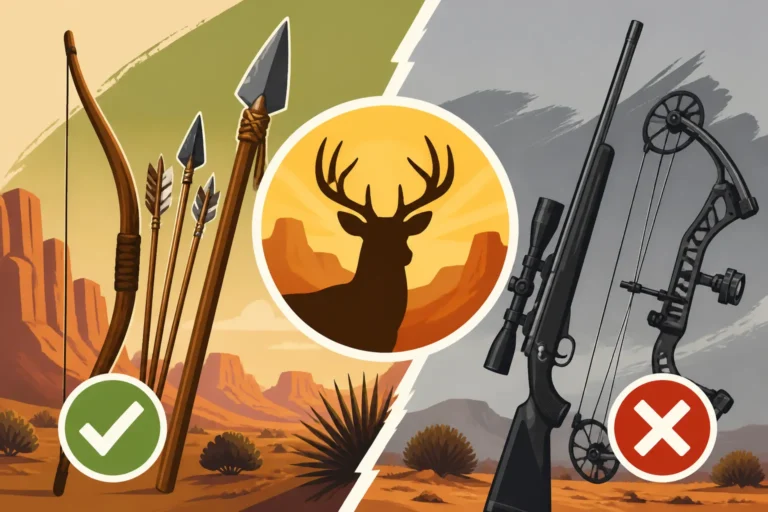
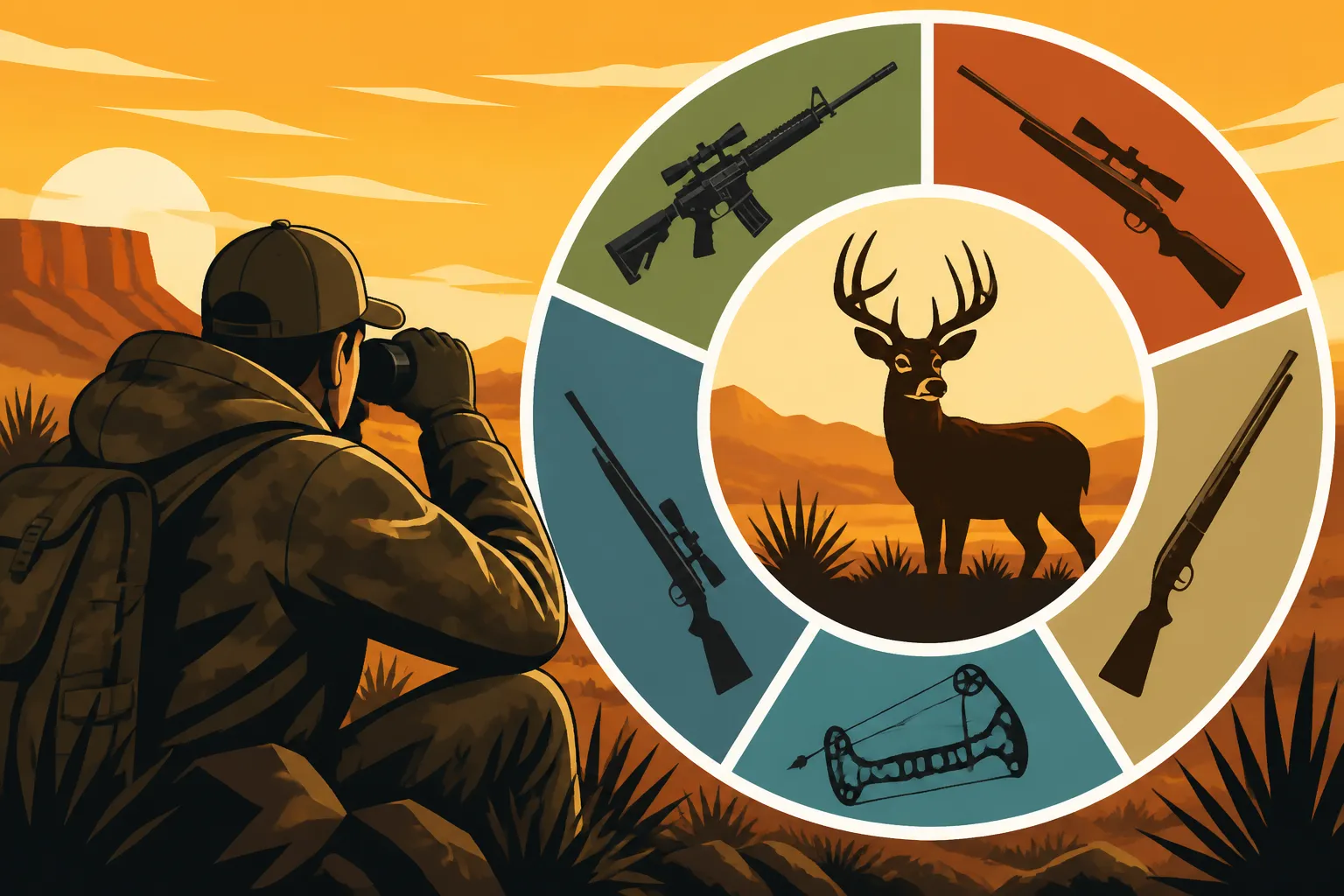
When the New Mexico Department of Game and Fish (NMDGF) designates a deer hunt as "Any Legal Weapon," it means exactly what it sounds like: you are permitted to use any weapon that is otherwise legal for big game hunting in the state. This typically includes modern centerfire rifles, shotguns loaded with slugs or buckshot (check specific unit rules, though most deer hunting is rifle-centric), muzzleloaders of appropriate caliber, and archery equipment (compound bows, recurve bows, longbows, and even crossbows, subject to specific rules). This broad allowance stands in stark contrast to hunts explicitly labeled as "Archery Only" or "Muzzleloader Only," which impose strict limitations on your equipment.
The beauty of an Any Legal Weapon hunt is the freedom it grants. If you're a seasoned rifle hunter, you can bring your favorite bolt-action. If you're passionate about traditional archery but want the backup of a rifle, you have that option. It allows for adaptability, whether you anticipate long-range shots across a wide-open mesa or close-quarters encounters in thick timber. However, it's crucial to still understand the specific legalities of each weapon type. For instance, while crossbows are generally allowed in Any Legal Weapon seasons, there are still specific requirements regarding their draw weight and bolt specifications, much like traditional bows have minimum draw weight requirements for big game.
Seasonal Timing and Unit Specificity
Any Legal Weapon deer seasons in New Mexico generally occur later in the fall and early winter, often overlapping with or immediately following the peak of the mule deer rut in many units. This timing is a significant draw for many hunters, as it can coincide with increased deer activity and visibility as bucks are more focused on breeding than evasion. These seasons are usually shorter than the lengthy archery windows, often lasting just a few days to a week in specific units, which means you need to be prepared to make the most of your time in the field.
It's absolutely paramount to consult the official New Mexico Hunting Rules and Info Booklet each year, as season dates and unit designations can change. What might have been an Any Legal Weapon unit last year could be different this year. Some units might have multiple Any Legal Weapon periods, while others might offer only a single, short window. For example, some units in the Gila or northern mountains might have late October or early November dates, while others in the desert south might push into December. Understanding how to interpret your hunt code, by the way, is incredibly important for figuring out specific dates and legalities for your tag. If you're ever confused, make sure you're Reading a New Mexico Hunt Code Before You Apply.
The Advantage of Diverse Weapon Choices
The primary advantage of hunting during an Any Legal Weapon season is, quite simply, versatility. Imagine you've spent days glassing a vast basin in the Sacramento Mountains. With a rifle, that mule deer buck bedded 400 yards away in a sparse juniper patch suddenly becomes a viable target. In an archery-only season, that same buck would require a monumental, often impossible, stalk. This flexibility extends to adapting to unforeseen conditions. If a sudden snowstorm rolls in, obscuring visibility and making long shots difficult, you might shift your tactics to closer-range still-hunting with a rifle or even pick up your bow if you prefer that challenge in heavy cover.
Furthermore, this diversity allows you to tailor your hunt to the specific terrain of your chosen unit. For instance, if you're hunting the dense timber of the Zuni Mountains, a scoped rifle might be perfect for quick shots through openings. But if you find yourself on a high desert mesa with expansive views, the reach of a flat-shooting rifle becomes invaluable. It truly is about empowering the hunter to make the most of the opportunity, regardless of what Mother Nature or the deer throw your way. The ability to use the best tool for the situation can significantly increase your odds of success.
Strategic Planning for Your Any Legal Weapon Hunt
Drawing an Any Legal Weapon deer tag in New Mexico can be a challenging endeavor, as these hunts are often highly sought after due to their flexibility and prime timing. Success isn't just about what weapon you bring; it's about meticulous planning, deep research, and effective scouting long before you ever set foot in the unit with your tag in hand.
Researching Specific Unit Regulations
New Mexico's hunting regulations are renowned for their unit-specific nuances. While a season might be broadly labeled "Any Legal Weapon," there can still be localized restrictions or recommendations. For example, some smaller, more populated units might have restrictions on certain firearms or shot types, or specific private land access rules that differ from public ground. You absolutely must delve into the NMDGF rules and regulations booklet for the current year. This document is your bible. Don't just skim it; read the sections pertaining to your specific unit and hunt code thoroughly.
A great resource for this, beyond the official NMDGF site, is platforms like GoHunt. They provide detailed breakdowns of unit boundaries, species information, and often compile relevant regulations in an easy-to-digest format. They can also highlight public land percentages within a unit, giving you an idea of available ground. Pay close attention to unit boundaries; mistakenly crossing into an adjacent unit with different regulations could land you in serious trouble. I always recommend sitting down with a good map and carefully Reading a New Mexico Unit Boundary Before You Apply to understand the physical and regulatory lines you'll be hunting within.
Leveraging Hunt Draw Statistics and Odds
The draw for Any Legal Weapon deer tags in New Mexico is competitive, especially for prime units known for producing quality bucks. Unlike some states with preference points, New Mexico operates on a lottery system where every applicant has an equal chance each year. This means whether it's your first time applying or your tenth, your odds don't "improve" over time in that specific way. Therefore, understanding the historical draw odds and hunter success rates for specific units and hunt codes is crucial for making informed application choices.
Websites like GoHunt provide comprehensive draw odds and harvest statistics, showing you how many tags were issued, how many applicants there were, and the success rates for both residents and non-residents. This data can help you gauge the competitiveness of a hunt. If you're looking for a higher chance of drawing a tag, you might consider units with slightly lower success rates but better odds, or units that are less well-known. Conversely, if you're willing to play the long game for a trophy unit, you'll see those odds reflected in the statistics. Remember, a high success rate often means low draw odds, so you need to balance your desire for a trophy with your realistic chances of even getting a tag.
Scouting Strategies for Diverse Terrain
Scouting is the cornerstone of success, and for Any Legal Weapon deer hunts in New Mexico, your scouting strategy needs to be as versatile as your weapon choice. New Mexico's deer habitat ranges from high alpine forests to vast open plains and rugged desert mountains, and each demands a different approach. For high country mule deer, this might mean extensive e-scouting using satellite imagery to identify bedding areas, travel corridors, and feeding grounds long before you hit the trail. Services like onX Hunt or GoHunt offer invaluable mapping tools that allow you to analyze terrain, elevation, and land ownership from your couch, pinpointing potential hotspots. If you want to refine your pre-hunt strategy, delve into E-Scouting a New Mexico Unit Before the Season.
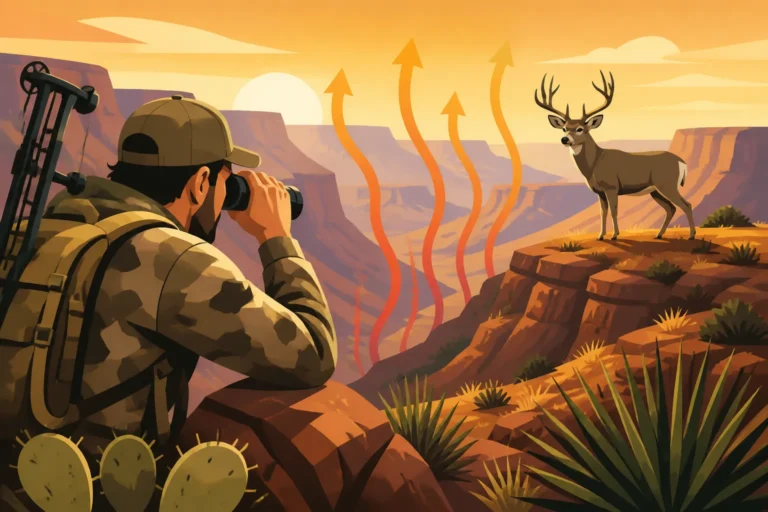
Once on the ground, traditional scouting methods come into play. Look for fresh tracks, rub lines, and scat, which indicate recent deer activity. In desert environments, focus on water sources—stock tanks, springs, and even temporary puddles after rain can be magnets for deer. For areas with denser cover, consider still-hunting pre-season to identify trails and potential ambush points. If you're hunting later in the season, keep an eye out for fresh snow, which can reveal recent movement patterns and help you track. Regardless of the terrain, good optics are your best friend. A high-quality pair of binoculars and a spotting scope can save you countless miles by allowing you to glass vast areas from a single vantage point, which is particularly effective when The Grid Glassing Method, Step by Step is employed over large basins.
Weapon Selection and Preparation
The beauty of an Any Legal Weapon hunt lies in the sheer flexibility it offers regarding your equipment. This isn't just about bringing any legal weapon; it's about bringing the right legal weapon—or combination of weapons—for the specific conditions, terrain, and deer species you'll be pursuing. Thoughtful selection and thorough preparation are critical to making the most of this versatile opportunity.
Choosing Your Primary Firearm: Rifles and Muzzleloaders
For many hunters, an Any Legal Weapon deer season means one thing: rifle hunting. Modern centerfire rifles offer the range, power, and accuracy needed for success in New Mexico's varied landscapes. When selecting a rifle, consider the typical shot distances in your chosen unit. In open country, where shots might stretch to 300-500 yards, a flat-shooting cartridge like a .270 Win, .30-06, 6.5 Creedmoor, or a .300 Win Mag might be ideal. For denser timber or shorter ranges, a .30-30, .308 Win, or even a .45-70 can be highly effective. The key is to be proficient with your chosen rifle. Spend ample time at the range, practicing from various field positions, not just off a bench. Know your rifle's capabilities and, more importantly, your own. For a rifle hunt in New Mexico, especially if you anticipate longer shots or varied terrain, understanding your Rifle Zero Distance for Canyon Country is an absolute must.
Muzzleloaders also fall under "Any Legal Weapon" and offer a unique challenge. While not as common as modern rifles in these seasons, they provide a bridge between traditional and modern hunting. If you choose a muzzleloader, ensure it meets New Mexico's minimum caliber requirements for deer (typically .45 caliber or larger for big game). Practice extensively with your chosen load, paying close attention to consistency and accuracy. Muzzleloaders generally have a more limited effective range than modern rifles, so your tactics will lean more towards stalking and getting closer.
Archery Options Within Any Legal Weapon Seasons
Just because you can use a rifle doesn't mean you have to. Many dedicated bowhunters prefer the challenge of archery, even when other weapons are allowed. If you've spent countless hours practicing with your compound, recurve, or longbow, and feel confident in your ability to get within bow range, then by all means, stick with your preferred method. The beauty of an Any Legal Weapon tag is that it doesn't force you into a specific weapon type; it simply expands your options.
Bowhunting during these seasons often means you'll be employing the same close-range stalking, still-hunting, or stand-hunting tactics you would in an archery-only season. You might be targeting water sources in the desert, or patiently waiting in a well-scouted area in the timber. Remember to adhere to all New Mexico's archery regulations, including minimum draw weight for big game and specific broadhead requirements. For example, Are Expandable Broadheads Legal in New Mexico? Yes, they generally are, as long as they meet specific cutting diameter minimums, but always double-check the latest regulations.
Optics and Ancillary Gear Considerations
Regardless of your primary weapon, quality optics are non-negotiable for deer hunting in New Mexico. A good pair of binoculars (10×42 or 12×50 are popular choices) will be your most used tool, especially for glassing vast expanses of country. If you're going to be spending long hours behind glass, investing in a comfortable, lightweight pair that Binocular Size That Survives an All-Day Session is crucial for reducing eye strain and arm fatigue. For really picking apart distant hillsides or judging antler size, a spotting scope on a tripod is invaluable. A reliable rangefinder is also essential, particularly for rifle hunters needing precise yardage for longer shots.
Beyond your weapon and optics, consider the other gear that will make your hunt successful and safe. Layered clothing is a must, as New Mexico weather can swing wildly from warm mornings to freezing nights. A sturdy backpack, navigation tools (GPS and physical map/compass), sufficient water, and a field dressing kit are all critical. If you're planning on covering significant ground, good boots are non-negotiable. Don't forget an emergency kit, including a first-aid kit, fire starter, and communication device like a satellite messenger, especially if you're venturing into remote wilderness areas.
| Weapon Type | Typical Range | Pros | Cons | Ideal Terrain |
|---|---|---|---|---|
| Modern Rifle | 100-500+ yards | Versatile, long range, accurate, good for open country | Can be heavy, requires extensive practice for long shots | Open plains, steep canyons, high desert |
| Muzzleloader | 50-200 yards | Challenging, traditional feel, legal in many situations | Limited range, slower reload, weather-sensitive | Dense timber, broken country, close quarters |
| Archery (Bow/Crossbow) | 20-60 yards | Ultimate challenge, quiet, effective in thick cover | Requires extreme closeness, ethical range limits | Thick timber, brushy draws, water sources |
Tactics for Different Landscapes and Deer Behavior
New Mexico is a land of incredible diversity, and its deer herds reflect that, ranging from the majestic mule deer of the northern mountains to the elusive Coues deer in the southern desert ranges. An Any Legal Weapon tag gives you the flexibility to adapt your tactics to these varied landscapes and the behavior of the deer you're pursuing.
Hunting Mule Deer in High Country and Deserts
Hunting mule deer with an Any Legal Weapon tag often takes you into some of New Mexico's most breathtaking, and challenging, country. In the high country of the Carson or Santa Fe National Forests, mule deer will often be found in ponderosa pine forests, aspen groves, and on steep, rocky slopes. Tactics here often involve extensive glassing from high vantage points, systematically picking apart distant timberlines, benches, and open parks. Once a buck is spotted, a strategic stalk becomes paramount, utilizing terrain features to close the distance for a shot. When you're in these areas, remember that Where Mule Deer Range in Northern Units can vary with elevation and seasonal changes. Later in the season, snow can push deer lower, making tracks a valuable tool for locating animals.
In the southern desert units, mule deer inhabit a world of vast, open basins, mesquite flats, and rugged mountain ranges. Here, water sources are king, especially during drier periods. Hunters often sit near stock tanks or glass wide-open areas at dawn and dusk, catching deer moving to and from feed and water. Spot and stalk is still a primary tactic, but it often involves navigating prickly pear, cholla, and sharp rocks, making good footwear and keen awareness essential. The key to both environments is patience and thorough reconnaissance, whether through detailed map study or with a good set of binoculars.
Pursuing Coues Deer in Southern New Mexico
The "grey ghost" of the desert, Coues deer, presents a unique challenge, even with an Any Legal Weapon. These small, wily deer inhabit the sky island mountain ranges of southwestern New Mexico, often in units like the Florida Mountains or those in the Bootheel. Their preferred habitat is typically steep, brushy canyons and oak thickets, making them incredibly difficult to spot. For an effective hunt, superior glassing skills are absolutely essential.
Hunters often spend hours, sometimes entire days, perched on high ridges, meticulously picking apart every shadow and patch of brush with high-power binoculars and a spotting scope. Coues deer are masters of camouflage and often remain motionless when threatened, making them almost invisible. Look for subtle movements, a flick of an ear, or a patch of white rump. Once spotted, closing the distance can be incredibly tough due to the steep, rocky, and noisy terrain. Slow, methodical stalks, often involving long crawls and precise wind management, are necessary. Understanding Where Coues Deer Live in New Mexico is the first step; learning to see them is the real trick.
Adapting to Weather and Rutting Activity
The timing of many Any Legal Weapon seasons often places them during the peak or post-peak of the mule deer rut, which usually occurs from late November through early December in New Mexico, depending on the unit. This can be a huge advantage, as bucks are more active, less cautious, and often seen out searching for does, sometimes even in daylight hours. Understanding the signs of rutting activity—fresh rubs, scrapes, and sparring—can guide you to hot areas. Bucks will often be found chasing does, or scent-checking bedding areas. During this time, covering ground and visually locating deer is often more productive than sitting in one spot.
Weather, particularly in late fall and early winter, can dramatically influence deer behavior. Early season mild weather might keep deer higher in elevation and less active during the day. However, colder temperatures, especially snow, can trigger deer to move more to feed, or push them down to lower elevations where forage is more accessible. A sudden snowstorm can also create excellent tracking conditions, allowing you to follow fresh sign. Always be prepared for drastic temperature swings and precipitation, packing appropriate layers and rain gear. The ability to adapt your tactics, whether it's focusing on thicker cover during windy days or glassing sunny slopes after a cold night, is key to success during these dynamic seasons.
Navigating Public and Private Land Access
New Mexico offers a fantastic mix of public and private hunting lands, but understanding where you can legally hunt and how to gain access is as crucial as knowing your rifle's ballistic chart. An Any Legal Weapon tag doesn't automatically grant access everywhere; it merely permits the weapon once you're on legal ground. Respect for land ownership and the rules governing each type of property is paramount.
Understanding New Mexico's Public Land Mix
New Mexico boasts over 30 million acres of public hunting land, a mix of federal and state-managed areas. The largest chunks are typically found within the National Forests (like the Gila, Carson, Santa Fe, and Cibola) and vast tracts of Bureau of Land Management (BLM) acreage. National Forests often feature mountainous, timbered terrain, while BLM lands tend to be more open, desert, or grassland. Both offer incredible opportunities for deer hunters, but access can vary. Some National Forest areas include designated wilderness, requiring non-motorized access, which can lead to phenomenal, low-pressure hunting experiences if you're willing to pack in.
State Trust Lands also provide significant hunting opportunities. Crucially, in New Mexico, your valid hunting license serves as an easement to access State Trust Lands for hunting purposes, but with specific rules. You can generally scout Scouting New Mexico State Trust Land Fourteen Days Out before your hunt, but camping and driving off designated roads may be restricted. It is absolutely vital to know where these different land types are. Using a mapping app like onX Hunt, which displays land ownership layers, is an indispensable tool for understanding these boundaries and ensuring you stay on legal ground. This is especially true when you're working with complex unit boundaries that might encompass all three land types.
The Importance of Private Land Permissions
While public land offers abundant opportunities, some of New Mexico's most productive deer habitat, particularly in units with high draw odds or trophy potential, lies on private ranches. Unlike some other western states, New Mexico does not have a "right to roam" law, meaning that even if private land is unfenced or unposted, you must have express written permission from the landowner to hunt or even retrieve game. This is not a suggestion; it's a legal requirement. Trespassing, even accidentally, can lead to fines, confiscation of your game, and loss of hunting privileges.
For hunters without direct connections to private landowners, obtaining permission can be challenging. Some landowners offer trespass fee arrangements, where you pay for access without a guide. Others may sell EPLUS tags (Elk Private Land Use System) which can sometimes include deer, though this is less common for general deer tags. If you're considering hunting near or on private land, start early. Research land ownership records, make polite inquiries, and always be prepared for a "no." A good reputation, respect for property, and offering to help with ranch work can sometimes open doors, but never assume access.
Ethical Considerations and Respectful Hunting
Hunting in New Mexico, especially during popular Any Legal Weapon seasons, means you'll likely encounter other hunters, hikers, and recreational users. Practicing ethical and respectful hunting is not just good manners; it's essential for preserving our hunting heritage and access to public lands. Always know your target and what's beyond it, follow all game laws, and leave no trace of your presence. Pack out everything you pack in, including spent shell casings and trash. Field dress your animal responsibly, disposing of gut piles away from trails and water sources.
Respecting other users means giving them space and avoiding conflicts. If you encounter another hunter in your chosen spot, move on and find another area. Always be mindful of noise, especially in popular camping or trailhead areas. When crossing private land with permission, stick strictly to the terms of your agreement. These common courtesies and ethical practices ensure that future generations of hunters will continue to have access to the incredible opportunities New Mexico has to offer.
Disclaimer
Please remember that hunting regulations in New Mexico can change. Always consult the most current New Mexico Department of Game and Fish (NMDGF) official rules and regulations booklet before planning any hunt. This article provides general information and should not be considered a substitute for the official legal documentation.