How Ibex Reached New Mexico
If you've ever dreamt of tackling some of the most challenging big game hunting in North America, then the whisper of "ibex in New Mexico" likely sends a shiver of excitement down your spine. It's a hunt steeped in myth and extreme difficulty, taking place in one of the most rugged, unforgiving landscapes the state has to offer: the Florida Mountains. But how did these magnificent, non-native mountain goats come to call the Land of Enchantment home? It's a fascinating tale of ambitious wildlife management and a truly remarkable conservation effort that delivered a world-class hunting opportunity. This guide will walk you through the surprising journey of the Persian ibex from their ancient homelands to the desert peaks of southern New Mexico.
The Call of the Florida Mountains Ibex
There's something uniquely captivating about the Persian ibex. They are, in many ways, an anomaly in the American West, an exotic species that has not only survived but thrived in a completely alien environment. For hunters, they represent the pinnacle of mountain hunting—a pursuit that tests physical endurance, mental fortitude, and sheer grit.
Unpacking the Allure of Persian Ibex
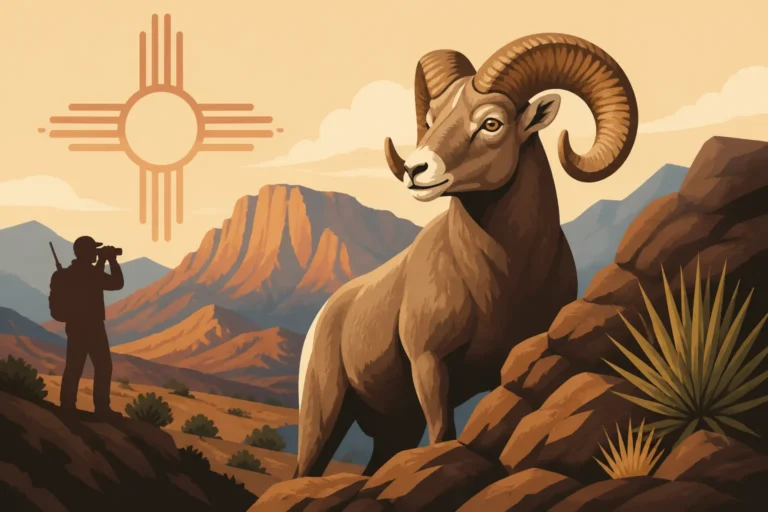
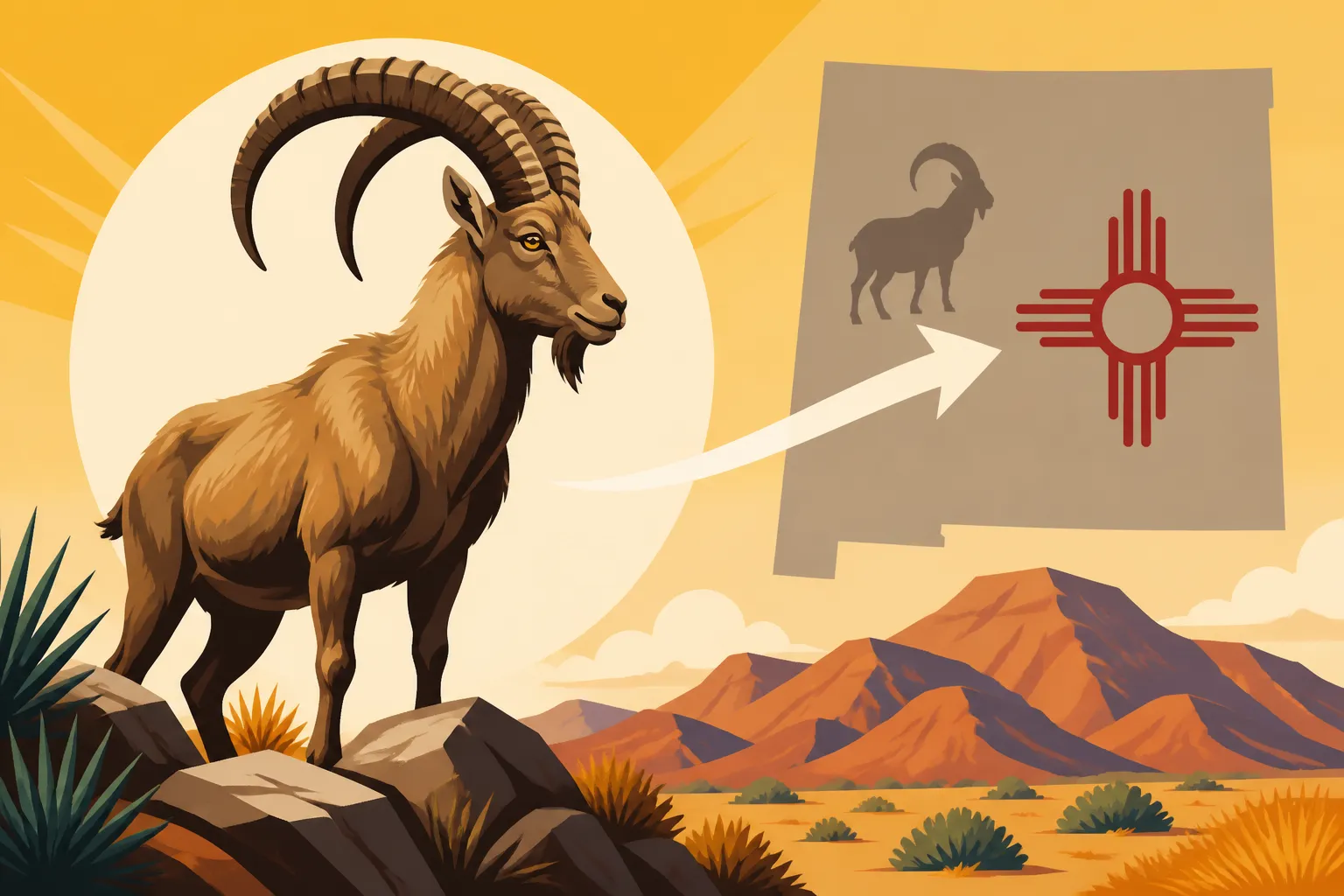
The Persian ibex is a sight to behold, especially for those accustomed to native deer or elk. They are a sturdy, agile mountain goat, typically brownish-tan with a darker stripe running down their back and distinctive dark markings on their legs and face. But it's their horns that truly grab your attention. Both males and females carry horns, but the males, or billies, grow magnificent, scimitar-shaped horns that sweep back over their shoulders, deeply ridged on the front. These horns can grow to impressive lengths, sometimes exceeding 50 inches on a mature billy, making them a truly coveted trophy. Their coat allows them to blend almost perfectly into the rocky, sun-baked slopes, earning them the nickname "ghosts of the Floridas."
What truly sets them apart as a hunting quarry is their incredible adaptability and the extreme terrain they inhabit. They possess an almost unbelievable climbing ability, navigating sheer cliffs and rocky ledges with an ease that seems to defy gravity. Their eyesight is legendary, and they are incredibly wary, often disappearing into the vastness of the mountains before a hunter even realizes they've been spotted. The challenge isn't just in finding them, but in figuring out an approach in country that offers little cover and demands absolute precision in every step. It’s a hunt that separates the serious mountain hunter from the rest, pushing you to your physical and strategic limits in an environment that allows no mistakes.
The Unforgiving Landscape of the Florida Mountains
The Florida Mountains, often simply called "the Floridas" by locals and hunters, are a relatively small, isolated mountain range in Luna County, New Mexico, just south of Deming. They rise dramatically out of the Chihuahuan Desert, an imposing collection of jagged peaks and deep, boulder-strewn canyons. This isn't your typical high-country elk habitat with lush meadows and timbered slopes. This is a land of extremes: searing summer heat, freezing winter nights, and an almost perpetual aridity that dictates every aspect of life.
The dominant vegetation consists of desert shrubs like ocotillo, creosote bush, and various cacti, interspersed with sparse grasses and a few juniper trees at higher elevations. Water sources are scarce, usually limited to seasonal seeps or catchments built for wildlife. The peaks themselves are primarily composed of rough, broken rock, offering endless ledges, caves, and incredibly steep, unstable slopes. It’s a landscape that, at first glance, seems utterly inhospitable, yet it is precisely this unforgiving nature that makes it perfect for ibex. They thrive in this vertical world, using the rugged topography for escape, security, and access to sparse but sufficient browse. The elevation within the Floridas ranges from roughly 4,500 feet at the base to nearly 7,500 feet at Florida Peak, making for substantial, vertical climbs on loose rock. This is truly where the wild things are, and it’s a terrain that demands serious preparation, from Choosing Boots for Rocky Desert Ground to ensuring you carry adequate Water You Must Carry on a Desert Day Hunt.
A Bold Experiment: Bringing Ibex to New Mexico
The presence of Persian ibex in New Mexico isn't a natural phenomenon; it's the result of a deliberate, ambitious, and ultimately highly successful wildlife introduction program spearheaded by the New Mexico Department of Game and Fish (NMDGF).
The Visionaries Behind the Introduction
The idea of introducing a non-native species for sport hunting is often met with skepticism, and rightly so, given the potential ecological impacts. However, in the mid-20th century, wildlife agencies across the West were exploring various game species for areas that might not support traditional North American big game animals or to diversify hunting opportunities. The NMDGF, specifically in the late 1960s, recognized the unique characteristics of the Florida Mountains. They were isolated, contained rugged, vertical terrain, and had limited native big game populations suitable for that specific niche.
A team of biologists and game managers, after extensive research, concluded that the Persian ibex (Capra aegagrus aegagrus) from Iran was an ideal candidate. These animals were known for their hardiness, incredible climbing ability, and their preference for arid, steep, rocky habitats—a perfect match for the Floridas. The vision was to establish a self-sustaining population that would offer a challenging, unique hunting experience unlike anything else in North America, while having minimal negative impact on the native flora and fauna. This foresight and dedication laid the groundwork for one of the most celebrated wildlife translocations in modern history, a true testament to the possibilities of Transplant Programs That Rebuilt Herds.
The Journey from Their Native Iran
The actual process of bringing ibex from Iran to New Mexico was a monumental logistical undertaking. The NMDGF partnered with wildlife officials in Iran to capture the animals from their natural habitat in the Bejeh Mountains. This wasn't a simple task; it involved expert trackers, tranquilizer darts, and careful handling of these wild, powerful creatures in remote, rugged country. The captured ibex then had to be quarantined and undergo veterinary checks to ensure they were healthy and free of diseases that could potentially harm native species in New Mexico.
Once cleared, the animals embarked on a long journey, primarily by air cargo, across continents. Imagine the effort and expense involved in transporting live, wild animals thousands of miles! In 1968, 14 Persian ibex were successfully released into the Florida Mountains. This was followed by a second release of 27 more ibex in 1970, bringing the total to 41 animals. The specific release sites were chosen for their suitability, offering immediate access to critical escape terrain and areas where the animals could quickly disperse and establish themselves. This highly coordinated effort highlights the dedication of the NMDGF and international partners to fulfill a bold vision.
From Release to Resilient Herd: The Ibex's New Home
The initial release was just the beginning. The real challenge lay in whether these animals, plucked from a different continent, could truly adapt and establish a thriving population in their new New Mexico home.
Initial Acclimatization and Survival Challenges
The first few years for the newly introduced ibex were undeniably tough. Any time you introduce a species to a new environment, there's a period of high uncertainty and significant mortality. The ibex had to contend with a completely new suite of predators, primarily mountain lions and coyotes, which quickly learned that these new animals represented a potential food source. The arid conditions and fluctuations in forage availability were also major hurdles. While the Floridas offered the steep, rocky escape terrain they needed, finding consistent water sources and sufficient browse in the dry Chihuahuan Desert was a constant struggle, especially for animals used to different vegetation.
The NMDGF actively monitored the herds during these crucial early years, tracking their movements, assessing reproduction rates, and observing causes of mortality. This careful oversight allowed them to understand the challenges and confirm that the ibex were indeed attempting to adapt. Despite initial losses, the hardy nature of the ibex, combined with the excellent escape cover of the Florida Mountains, allowed a core group to not only survive but begin to reproduce. The relative absence of certain diseases that might have plagued them in their native range also played a critical role in their initial success.
Establishing a Thriving Population
Against the odds, the Persian ibex began to thrive. Their reproductive rates proved strong, and over time, successive generations became increasingly adapted to the nuances of the Florida Mountains. They learned the best routes, the most reliable water sources, and how to effectively evade local predators. The isolation of the Florida Mountains also played a key role, providing a contained environment with limited human disturbance outside of hunting season.
By the late 1970s and early 1980s, the population had grown sufficiently large that the NMDGF felt confident in opening the first limited hunting seasons. This was a critical milestone, signaling the success of the transplant program and fulfilling the original vision of creating a unique hunting opportunity. Today, the herd is estimated to be around 400-600 animals, a testament to their resilience and the suitable habitat provided by the Floridas. Hunters today are literally chasing the descendants of those original 41 animals, navigating the same treacherous peaks that their ancestors learned to call home. This success story has even influenced other states, demonstrating the potential of well-planned wildlife introductions, much like New Mexico’s broader New Mexico Bighorn Recovery efforts. When thinking about where these incredible animals settled, it's clear Where Persian Ibex Live in New Mexico is truly unique.
Hunting the Legendary Ghost of the Florida Mountains
With a thriving population, the New Mexico Department of Game and Fish introduced limited hunting opportunities, quickly establishing the ibex hunt as one of the most sought-after and challenging tags in the state.
The Elusive Nature of an Ibex Tag
Drawing a New Mexico ibex tag is, for many, a once-in-a-lifetime dream. The NMDGF manages the population carefully, issuing a very limited number of tags each year through a highly competitive public draw. Typically, only a handful of tags are allocated, often fewer than 10-20 for an entire season, split between archery, muzzleloader, and any legal weapon hunts. This scarcity means that the New Mexico Ibex Draw Odds are incredibly low, far more challenging than even many elk or bighorn sheep hunts. It's truly a test of luck and patience, with many hunters applying for decades before ever seeing their name on a successful draw list.
Hunters often spend considerable time researching past draw statistics and planning their application strategy, understanding that every choice counts when the odds are this slim. Resources like GoHunt provide valuable insights into application trends and success rates, helping hopeful hunters strategize their applications. The anticipation and excitement of applying, knowing that only a select few will earn the chance to pursue these magnificent animals, is a significant part of the ibex hunting experience itself. The entire process of applying and understanding the options available requires careful review of the current regulations, perhaps even taking the time to truly grasp Reading a New Mexico Hunt Code Before You Apply.
The Unparalleled Challenge of an Ibex Hunt
Congratulations, you've drawn an ibex tag! Now the real work begins. An ibex hunt in the Florida Mountains is not for the faint of heart or the unprepared. This isn't a casual stroll through the woods; it's a grueling, physically demanding expedition into some of the most difficult terrain in the Lower 48. Hunters must be in peak physical condition, capable of sustained climbing on steep, loose rock for hours on end, often carrying heavy packs with water and gear. The lack of reliable water sources means you’ll be hauling a lot of it yourself, which adds significant weight to an already strenuous climb.
Beyond the physical demands, the hunt is a mental game. Ibex are notoriously wary, and their camouflage is exceptional. You'll spend countless hours behind optics, systematically Grid Glassing a Basin Without Missing Bucks and scrutinizing every rock face, trying to discern an ibex from the landscape. Quality Spotting Scope Power for Open Country is absolutely critical. Once an animal is spotted, the challenge shifts to a stalk, which can involve navigating treacherous, exposed terrain, playing the wind, and making long, circuitous approaches to get within shooting range. Many stalks end in failure, with the ibex melting away into the rocks. Success on an ibex hunt is rarely easy; it's earned through immense effort, perseverance, and a deep respect for the animal and its incredible habitat. It's a hunt that truly epitomizes Judging an Ibex in the Florida Mountains from impossible distances.
The Enduring Legacy of the New Mexico Ibex
The New Mexico ibex program stands as a shining example of ambitious and successful wildlife management, offering unique challenges and significant benefits beyond the hunt itself.
A Conservation Success Story
The story of the Persian ibex in New Mexico is, without a doubt, a remarkable conservation success. The NMDGF undertook a bold initiative to introduce a non-native species into a specific, isolated habitat, with the explicit goal of creating a new recreational hunting opportunity. Against significant odds and potential challenges, the program not only established a self-sustaining, thriving population but did so without detectable negative impacts on native ecosystems. This outcome is a testament to meticulous planning, scientific expertise, and ongoing management efforts.
The ibex population in the Florida Mountains remains robust, providing a unique genetic reservoir for this species and an unparalleled experience for a lucky few hunters each year. It demonstrates that with careful consideration and rigorous management, wildlife translocation can be a powerful tool for enhancing biodiversity and expanding hunting opportunities. This success has cemented the ibex's place as one of New Mexico's most iconic and sought-after big game animals, an achievement that continues to draw fascination and respect from hunters and wildlife enthusiasts alike. Looking back at this program, it's a prime example of successful Transplant Programs That Rebuilt Herds.
Future Outlook and Management Efforts
The New Mexico Department of Game and Fish continues its dedicated management of the ibex herd, ensuring its long-term health and sustainability. This involves ongoing population surveys, monitoring habitat conditions, and carefully adjusting tag allocations to maintain a healthy balance between hunting opportunity and herd growth. The limited number of tags ensures that the hunting pressure remains low, contributing to the quality of the hunt and the health of the population.
Future management will likely focus on maintaining the genetic viability of the herd, monitoring for any emerging diseases, and adapting to potential environmental changes, such as prolonged drought or shifts in vegetation. The continued availability of these unique tags also provides a significant economic boost to local communities, attracting hunters who invest in local businesses, gear, and potentially even guided services. For those looking to secure one of these rare opportunities, knowing the New Mexico Ibex Season Timing and diligently checking draw statistics through resources like GoHunt will be essential for years to come. Hunters use these tools to scout potential hunting areas, analyze draw odds, and plan for future seasons, all while contributing to the understanding of How Biologists Count a Desert Big Game Herd.
Disclaimer
Please note that hunting regulations, fees, and season dates are subject to change. Always consult the official New Mexico Department of Game and Fish website and current year's hunting proclamation for the most accurate and up-to-date information before planning any hunt.