The Nonresident New Mexico Game Hunting License
Trying to figure out all the nuances of applying for a hunt in a new state can feel like navigating a maze blindfolded, especially when you’re coming from out of state and just want to experience the incredible hunting New Mexico has to offer. It's easy to get overwhelmed by the licenses, fees, and deadlines. This comprehensive guide is here to untangle the requirements for the nonresident New Mexico Game Hunting License, ensuring you have all the information you need to apply confidently and legally for your dream hunt.
Understanding the Basics of the Nonresident Game Hunting License
For anyone eyeing New Mexico's legendary big game, from the trophy bulls of the Gila to the unique oryx on White Sands, the very first step is securing a valid hunting license. This isn't just a formality; it's your foundational pass to hunt legally within the state's borders. Without it, none of your draw applications or purchased tags will be valid.
What the License Covers
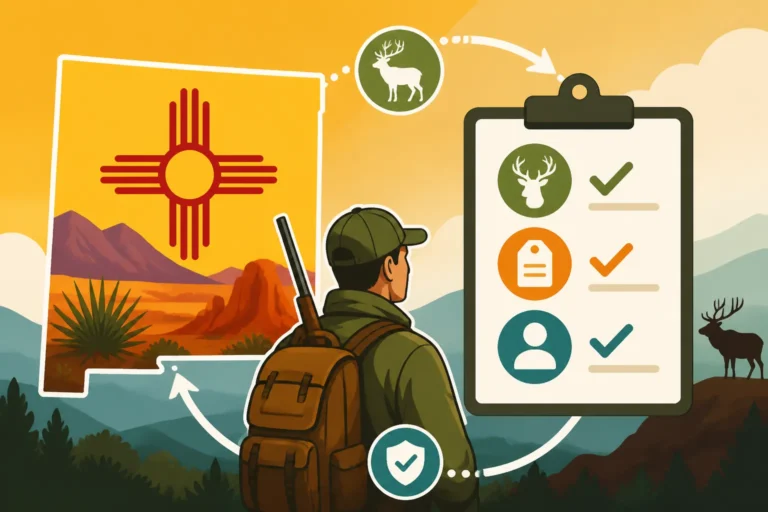
The New Mexico Game Hunting License acts as your general permit to be present in the field, carrying a weapon, and pursuing big game. Think of it as your entry ticket to the arena. It doesn't, however, grant you the right to harvest a specific animal. For that, you'll need species-specific tags, which are typically acquired through the annual draw or over-the-counter sales for certain species like bear, cougar, and turkey, or via programs like EPLUS. This means even if you're drawn for a coveted elk tag, you still need this underlying general Game Hunting License to make that tag legitimate. It’s a common misunderstanding that drawing a tag means you're all set, but overlooking this foundational license can halt your hunt before it even begins.
The Game Hunting License itself covers the privilege of hunting big game, including deer, elk, antelope, bear, cougar, and turkey. It's important to note that specific tags for these animals are drawn separately or purchased in addition to this base license. For instance, if you successfully draw a deer tag, you must also possess a current Nonresident Game Hunting License. The license is also tied to your eligibility for applying in the draw. When you submit your application for elk or deer, the system will check if you have an active Game Hunting License or if you've purchased it simultaneously with your application. It’s a crucial component of the entire hunting ecosystem in New Mexico.
Who Needs This License
Simply put, if you are not a legal resident of New Mexico and you plan to hunt big game or turkey in the state, you need the Nonresident Game Hunting License. This applies to everyone, regardless of age or whether you're hunting on public land, private land, or through an outfitter. There are no exceptions for youth hunters or those with landowner permissions; the nonresident status dictates the need for this specific license. This is a common point of confusion for new applicants, especially those accustomed to different licensing structures in their home states. New Mexico has very clear definitions for residency, and if you don't meet them, you're considered a nonresident for hunting purposes.
Even if you're just considering applying for a draw, you'll need to purchase this license or authorize its purchase during the application process. It’s effectively a prerequisite for even entering the draw for those sought-after species. For example, when applying for a New Mexico elk tag, the system won't let you proceed without confirming that you either already hold this license or are purchasing it with your application. It’s a built-in mechanism to ensure compliance from the get-go. This is where resources like GoHunt can be invaluable, as they often have tools that help you understand these requirements and guide you through the application steps for different states, including New Mexico. They make it easier to ensure all your ducks are in a row before the deadline.
Annual Validity Period
The New Mexico Game Hunting License operates on a specific license year. This isn't necessarily a calendar year, which can trip up many hunters. Typically, the New Mexico license year runs from April 1st through March 31st of the following year. So, a license purchased for the 2024-2025 license year would be valid from April 1, 2024, through March 31, 2025. This means if you're applying in March for the upcoming fall hunts, you'll be purchasing the license for the new license year, not the current one, to ensure it's valid for your potential hunt dates. It's a critical detail that can easily be overlooked, leading to an invalid application if you purchase the wrong license year.
Understanding this timeframe is essential for both applying in the draw and for any over-the-counter purchases. For instance, if you secure a leftover license in July for a December deer hunt, your Game Hunting License purchased in March or April (for the new license year) will cover that December hunt. But if you were somehow holding an old license from the previous year, it would be expired, and you'd need a new one. Always double-check the license year when making any purchase related to New Mexico hunting. This specific start and end date can be found in the annual New Mexico Rules and Info Booklet, which is an invaluable resource that should be reviewed yearly.
Navigating the Application Process
Applying for a New Mexico hunting license and subsequent draw tags can feel like a complex puzzle with many pieces. The state’s online system is generally user-friendly, but knowing the steps and pitfalls beforehand can save you a lot of headache and heartache.
Setting Up Your Online Account
Before you can even think about applying for a Nonresident Game Hunting License or entering the big game draw, you'll need a personal account on the New Mexico Department of Game and Fish (NMDGF) website. This account is your central hub for all things hunting and fishing in the state. It's where your license history is stored, where you'll apply for draws, and where you'll eventually check your results. If you’ve never hunted or fished in New Mexico before, you'll need to create a new customer account, providing personal details like your name, address, date of birth, and contact information. Make sure all your information is accurate and up-to-date, as any discrepancies could cause issues down the line with license validation or tag delivery.
For returning applicants, it's wise to log in well before the draw deadline to ensure your account details are current and that you remember your login credentials. There's nothing worse than scrambling to reset a password on the day of the deadline. Having your account in order is the first, most crucial step in a smooth application process. If you’re planning on applying with friends or family, ensure everyone has their own individual account set up and accessible. This foundation is key, whether you're trying to figure out how the draw odds work without points or just trying to get your application submitted.
Key Deadlines and Timing
New Mexico has specific and unyielding deadlines for its big game draw, and missing them means you’re out of luck for the year. The most critical deadline for most big game species, including elk, deer, antelope, and bighorn sheep, is typically in mid-March, often around the 18th, and it’s always at 5:00 PM Mountain Daylight Time (MDT). This isn't a flexible date, and the system shuts down promptly. It's highly recommended not to wait until the last minute, as high website traffic can sometimes slow things down, and technical glitches are always a possibility on deadline day.
Bear applications, however, have an earlier deadline, usually in February. This catches many nonresidents by surprise, especially if they're used to a single application period for all species. If you're hoping to add a bear tag to your hunt plans, be absolutely sure to note that separate, earlier deadline. The process to apply for multiple species in one year is streamlined, but each species has its own set of choices and fees. Understanding the closing hour on New Mexico deadline day and giving yourself ample time is paramount. Many hunters use tools like GoHunt's Insider service which provides personalized research data and application tools, often sending reminders of critical deadlines specific to your chosen hunts.
Group Applications and Strategy
New Mexico does allow for group applications, which can be a game-changer for hunting partners or families who want to ensure they hunt together if drawn. When applying as a group, if any member draws a tag, everyone in the group draws that tag. The catch, however, is that your group's application is processed as if it were a single applicant with the lowest draw odds in the group. This means if one person in your group has a history of high success in drawing tags (though New Mexico doesn't use preference points, making everyone have relatively even odds without points), and another has less luck, their combined application will essentially be judged at the lowest common denominator for draw success.
When considering a group application, it's vital to have a clear strategy, especially regarding your hunt choices. You can list multiple hunt choices, and it's important to understand if a second choice ever draws in New Mexico. While the draw odds for specific units can be challenging, applying as a group ensures that if you get a tag, your hunting partners do too, making for a much more enjoyable and coordinated hunt. It’s also important to designate a group leader who will submit the application on behalf of everyone, ensuring all information and fees are correctly entered for each member.
| License Type | Resident Price (Annual) | Nonresident Price (Annual) |
|---|---|---|
| Game Hunting License | $30 | $65 |
| Small Game & Furbearer License | $15 | $30 |
| Habitat Management & Access Validation (HMAV) | $4 | $4 |
| Habitat Stamp | $5 | $5 |
| Archery Game Hunting License (Optional for non-draw archery hunts) | $40 | $90 |
Note: Prices are subject to change, always check the current NMDGF regulations.
Associated Costs and Fees for Nonresidents
The cost of hunting in New Mexico for nonresidents involves more than just the Game Hunting License. There are application fees, species-specific tag fees, and a few other mandatory validations and stamps that you absolutely cannot overlook. Understanding the full financial commitment upfront helps prevent any last-minute surprises.
Game Hunting License Price Breakdown
As a nonresident, the base New Mexico Game Hunting License currently runs $65. This fee is non-refundable, whether you successfully draw a tag or not. It's essentially the cost of the privilege to apply and, if successful, to hunt. When you enter the draw, you'll either pay for this license upfront or authorize the NMDGF to charge your card for it if you are successfully drawn. This initial $65 is separate from any species-specific tag fees. So, for example, if you apply for elk, deer, and antelope, you only pay this $65 once for the entire license year, not per species application.
It's a foundational cost that often surprises first-time applicants, as some states roll their general license into the tag fee or have different structures. But in New Mexico, it's a distinct and mandatory item. Remember that Senate Bill 5 raised New Mexico fees for the first time in 20 years, so previous figures you might have seen online could be outdated. Always refer to the most current NMDGF regulations or a reliable resource like GoHunt when planning your budget for the nonresident New Mexico license price.
Application Fees Per Species
Beyond the general Game Hunting License, New Mexico also charges a separate application fee for each big game species you apply for in the draw. These fees are typically quite modest, often around $7 to $10 per species. Just like the Game Hunting License, these application fees are generally non-refundable, regardless of your draw success. They cover the administrative costs associated with processing your application. This means if you apply for elk, deer, and oryx, you’ll pay three separate application fees in addition to your single Game Hunting License fee.
It’s crucial to understand that these are application fees, not the cost of the actual tag if you draw. The full tag fee will only be charged if you are successful in the draw. For instance, a nonresident cow elk tag costs considerably more than the application fee itself, but that larger sum is only processed once you've secured the tag. This tiered payment system helps manage the financial risk for hunters who apply for multiple species, as they aren't committing to the full tag price for everything they apply for, only the application fees. This allows hunters to apply for a wider range of opportunities without breaking the bank upfront.
Other Mandatory Stamps and Validations
New Mexico has a couple of other crucial items that often get overlooked but are absolutely mandatory for most hunters on public land: the Habitat Management & Access Validation (HMAV) and the Habitat Stamp. Both of these are relatively inexpensive but are required by law.
The HMAV validation, which costs $4 for both residents and nonresidents, is required for nearly everyone holding a hunting or fishing license in New Mexico. It helps fund programs for habitat improvement and access projects throughout the state. It's a small fee with a big impact on conservation efforts. You’ll be prompted to purchase this when you buy your Game Hunting License or apply for a draw.
Secondly, the New Mexico Habitat Stamp, costing $5, is required if you plan to hunt on any federal lands, such as National Forests or BLM ground. Considering how much of New Mexico’s hunting opportunity is on public lands like the Gila National Forest or various BLM tracts, almost every nonresident big game hunter will need this. It’s important to understand which federal land requires a New Mexico Habitat Stamp. Both of these small additions are easily missed, but wildlife officers regularly check for them in the field. Having these in order, alongside your Game Hunting License, ensures you're fully compliant and can focus on your hunt.
Common Pitfalls and How to Avoid Them
Even with the best intentions, the New Mexico draw process can present challenges. Being aware of common mistakes can help you navigate the system more smoothly and avoid costly errors.
Missing Deadlines or Payment Issues
One of the most heartbreaking pitfalls is simply missing the application deadline. As mentioned, the deadline for most big game species is typically in mid-March, at 5 PM MDT, with bear having an earlier deadline in February. The online system is strict, and there are no extensions, no exceptions. Once the clock strikes 5, you're locked out. My best advice is to treat the deadline as at least a week earlier than it actually is. Submit your application early, even if it's just a few days before the official cutoff. This gives you a buffer against unexpected internet outages, website slowness, or personal emergencies.
Another major issue can be payment failures. When you apply, your credit card information is often saved, but not actually charged for the full tag fee unless you draw. Make sure the credit card you use is valid, has sufficient funds, and hasn't expired between your application submission and the draw results posting (which usually happens in April). If your card fails when New Mexico attempts to charge for a drawn tag, you could forfeit your tag. The state will typically attempt to notify you, but if you miss that notification or don't resolve the issue promptly, your hard-earned tag will be awarded to someone else. Make sure your contact information is correct and check your email regularly around when New Mexico posts draw results.
Understanding Hunt Code Choices
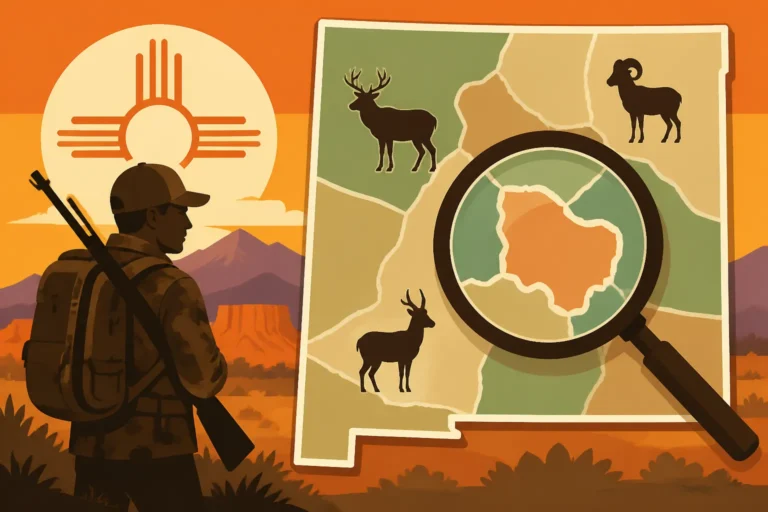
The New Mexico hunt code system can be intimidating at first glance. Each hunt has a unique code, such as "ELK-1-201," which specifies the species, unit, weapon type, and season dates. It's crucial to correctly understand and prioritize your hunt choices on your application. You can list multiple choices, and your application will be processed through them in the order you select. A common mistake is listing highly desirable, low-probability hunts as your first three choices, then neglecting to include any higher-odds hunts as subsequent choices, essentially wasting your later options.
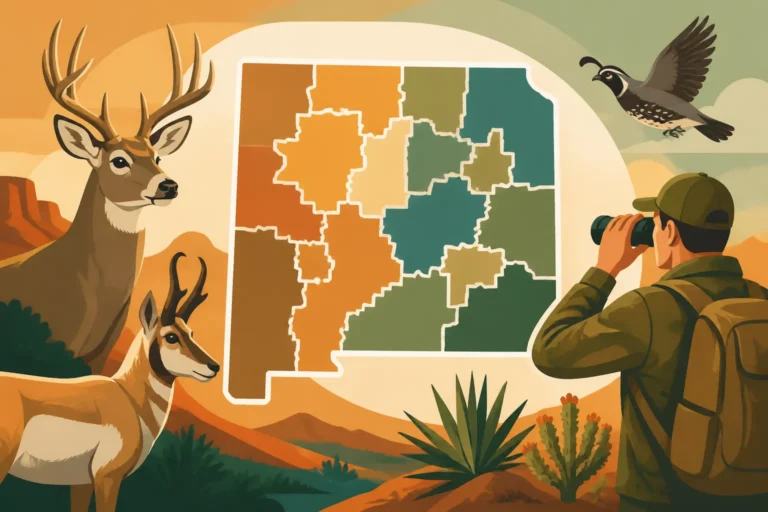
Before you apply, take the time to read a New Mexico hunt code before you apply and thoroughly research draw odds. Websites like GoHunt and the NMDGF itself provide detailed statistics on past draws. Use this data to strategically order your choices. Maybe your first choice is a long shot for a trophy bull in a prime unit like 16A, but your second or third choices could be for a general public land cow elk tag or a hunt in a unit with slightly higher draw success. Understanding what the letters in a New Mexico hunt code mean can drastically improve your application strategy. Don't just pick hunts that sound good; understand their specifics and historical success rates.
The Importance of Accurate Information
This might seem obvious, but accurate personal information is vital. From your name and address to your date of birth and hunter education number, every detail matters. Any mismatch could lead to your application being invalidated or cause problems if you successfully draw a tag and the information on it doesn't align with your government-issued ID. For example, if you've moved since your last application, ensure your address is updated in your NMDGF account. Tags are typically mailed, and you don't want your precious tag going to an old address.
For youth hunters, ensure their correct age is reflected, especially since there are specific provisions like the New Mexico Mentored Youth Program explained that allows youth to hunt under a mentor. If you’re required to have a hunter education certificate, make sure that number is correctly entered. Do nonresidents need New Mexico hunter education? Generally, if you were born after January 1, 1957, yes, or you can provide proof of a hunter education certificate from another state. Take a few extra minutes to review every field before hitting "submit." It’s a small investment of time that can save you immense frustration later.
Post-Draw: What Happens Next?
You’ve submitted your application, paid your non-refundable fees, and now the anxious waiting game begins. What happens after the application period closes? New Mexico has a clear process for notifying successful applicants and handling the aftermath of the draw.
Checking Draw Results and Notifications
The moment of truth usually arrives in mid-April when New Mexico posts draw results. While the NMDGF will typically send out email notifications to successful applicants, it's highly recommended not to solely rely on email. Sometimes, these emails get caught in spam filters or are simply delayed due to the sheer volume. The most reliable way to check your results is to log into your NMDGF online account directly. This is where you’ll see your application status – whether you were successful, unsuccessful, or perhaps drew a second or third choice.
Many hunters use platforms like GoHunt that integrate with state draw systems, often providing faster or more consolidated ways to check results across multiple states. Regardless of how you check, prepare yourself for both possibilities. Drawing a coveted New Mexico tag is a fantastic feeling, but the odds can be tough, especially for certain species and prime units. If you're unsuccessful, don't despair! There are often other opportunities, such as leftover licenses. Knowing how New Mexico notifies successful applicants and where to check immediately can save you a lot of anxious waiting.
Paying for Your Drawn Tag
If you are one of the lucky few to draw a tag, congratulations! The next critical step is ensuring the NMDGF can successfully charge your credit card for the full tag fee. As mentioned earlier, your card details are typically stored from your application. The NMDGF will attempt to process the payment shortly after results are posted. It's absolutely crucial that the credit card you used for the application is still valid, has sufficient funds, and hasn't been flagged by your bank for a large, out-of-state transaction.
If there's an issue with the payment, the NMDGF will attempt to contact you, often via email or phone. It’s your responsibility to respond promptly and resolve the payment issue. Failure to do so within a specified timeframe (which is usually quite short) will result in your tag being forfeited. This is a painful scenario that can easily be avoided by ensuring your financial details are solid and keeping an eye on your bank statements and communications from NMDGF around draw results time. The nonresident elk tag cost in New Mexico, for example, is a significant charge, so be prepared for it.
Leftover Licenses and Opportunities
For those who are unsuccessful in the primary draw, or perhaps missed the deadline altogether, New Mexico often has leftover license sales. These are tags that weren't drawn, or tags that were forfeited due to non-payment or other issues. These leftover tags are typically sold on a first-come, first-served basis, online, usually a few weeks after the main draw results are posted. The specific timing can vary, so it's essential to monitor the NMDGF website and official announcements.
While leftover tags might not always be for the most sought-after units or hunt dates, they can still provide excellent hunting opportunities. Often, you can find tags for cow elk, deer in less popular units, or secondary seasons. These sales move very quickly, sometimes selling out in minutes, so being online and ready at the exact sale time is crucial. If you're interested in a second chance at a New Mexico hunt, researching when undersubscribed New Mexico hunts go on sale and being prepared to buy a leftover New Mexico tag can absolutely turn an unsuccessful draw year into a successful hunting trip.
Disclaimer
Please be aware that hunting regulations, license fees, and application processes can change annually. While every effort has been made to provide accurate and up-to-date information, it is the hunter's responsibility to consult the official New Mexico Department of Game and Fish (NMDGF) Rules and Information Booklet and website for the most current regulations before applying or hunting. This guide is for informational purposes only and should not be considered legal advice.