Coues Deer in New Mexico’s Bootheel
For many hunters, the image of New Mexico brings to mind majestic elk in the Gila or wide-racked mule deer in the high desert. But there's another, often overlooked, challenge that captivates a dedicated few: the elusive Coues deer. These diminutive deer, often referred to as "gray ghosts," offer a hunting experience unlike any other, demanding peak glassing skills, unwavering patience, and precise stalking. This guide delves deep into the world of Coues deer in New Mexico, particularly focusing on the unique Bootheel region, to help you understand what it takes to pursue these incredible animals.
The Unique Challenge of Coues Deer Hunting
Hunting Coues deer isn't just another deer hunt; it's a specialized pursuit that tests even the most seasoned hunters. Their small size, incredible camouflage, and preferred rugged terrain combine to create a legitimate challenge. It's a game of inches, where spotting a flicker of an ear at a thousand yards can make or break your day.
Why Coues Are Called Gray Ghosts
The moniker "gray ghosts" is no exaggeration when it comes to Coues deer. These are the smallest subspecies of white-tailed deer in North America, with bucks typically weighing between 80 to 120 pounds and does even less. Their diminutive stature, combined with a coat that perfectly blends into the sun-drenched, rocky, and brushy desert landscapes they inhabit, makes them incredibly difficult to spot. Unlike their larger cousins, the mule deer, which often hold in more open country or timber where their larger frame is easier to pick out, Coues deer prefer dense, thorny brush and steep, broken terrain. They can simply vanish into the landscape, even when you've got them pinned in your binoculars. It’s not uncommon to glass a hillside for hours, only to realize later a Coues buck was bedded just a few hundred yards away, perfectly hidden.
This incredible camouflage isn't just about their coat color; it's about their entire demeanor. They move deliberately, often freezing for extended periods, and utilize every bit of cover available. While a mule deer might skyline itself on a ridge, a Coues will rarely offer such an easy target, always preferring to remain within the safety of cover. This makes the hunt less about tracking fresh sign and more about exhaustive glassing, picking apart every shadow and rock face until a deer reveals itself. If you've ever tried to pick out a tiny, perfectly camouflaged creature in a vast, complex landscape, you'll understand the frustration and ultimate reward that comes with finally locating a Coues.
Their Elusive Nature and Sharp Senses
Beyond their visual camouflage, Coues deer possess an acute suite of senses that contribute to their ghost-like reputation. Their eyesight is legendary, often cited as being on par with or even superior to pronghorn antelope, which are known for their exceptional vision. They can pick up movement from incredible distances, and any hunter who has been busted by a Coues deer knows the feeling of being "seen" before they even knew the deer was there. This makes long-range glassing an absolute necessity, as trying to close the distance before spotting them is almost always a losing battle.
Their hearing is equally impressive. The rustle of a jacket, a misplaced step on loose rock, or even a whispered conversation can send a Coues buck bounding away through the brush, leaving only a fading glimpse of its signature white flag. Combine this with their keen sense of smell, which allows them to detect human scent carried on the slightest breeze, and you have an animal that is incredibly difficult to approach undetected. Hunting Coues deer is a masterclass in reading wind currents, understanding terrain, and moving with the utmost stealth. You must constantly evaluate your approach, considering how the wind will carry your scent, where shadows will hide your movement, and what potential escape routes the deer might use. Every single element of your stalk needs to be meticulously planned and flawlessly executed, or you'll find yourself staring at an empty hillside, wondering how they disappeared so quickly.
Where New Mexico's Coues Deer Call Home
While Coues deer exist in pockets across the Southwest, their prime habitat in New Mexico is concentrated in a specific, rugged corner of the state. Understanding this unique environment is crucial to planning a successful hunt.
Focus on the Bootheel Region
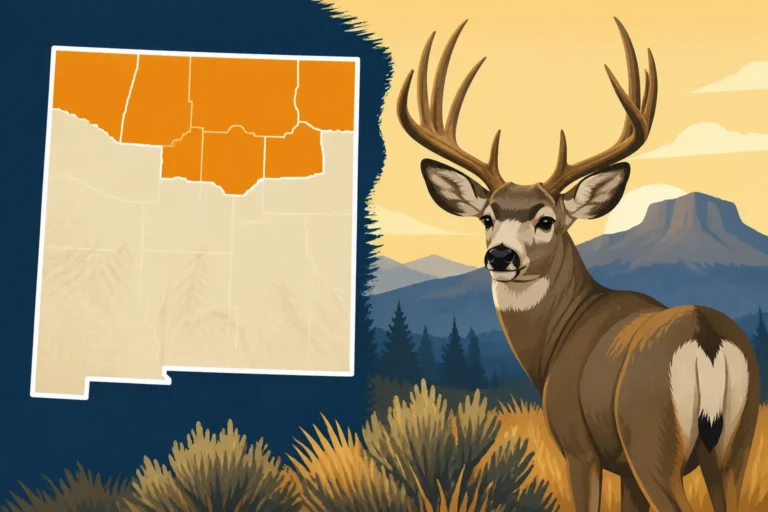
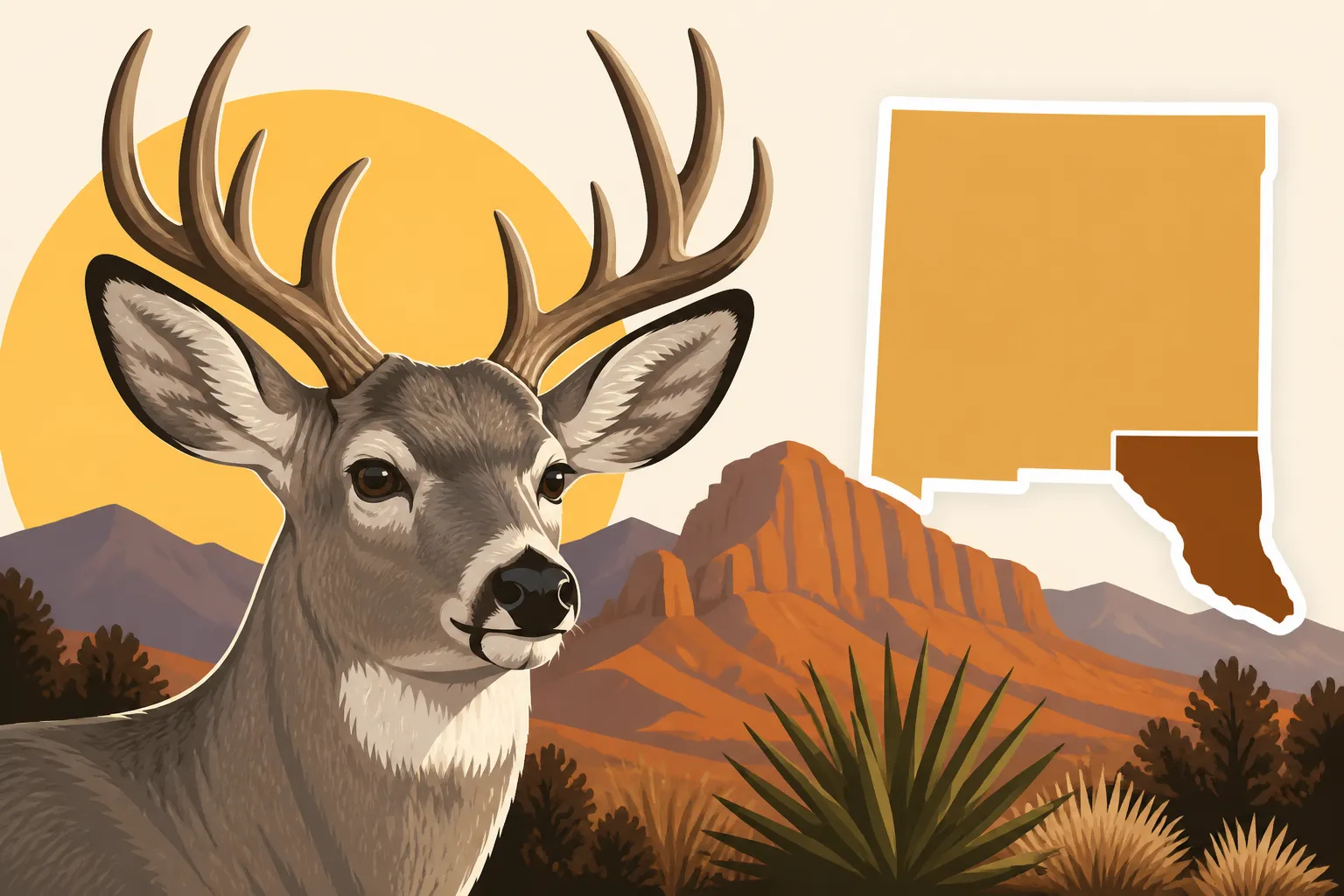
When hunters talk about Coues deer in New Mexico, their thoughts invariably turn to the state's Bootheel. This southwesternmost corner of New Mexico is a unique blend of Chihuahuan Desert, isolated mountain ranges, and vast tracts of public land. Geographically, it's defined by the Peloncillo Mountains, Animas Mountains, and Big Hatchet Mountains, which rise dramatically from the desert floor. These ranges, while not towering in elevation compared to the northern Rockies, are incredibly steep, rocky, and covered in dense, thorny vegetation like scrub oak, mesquite, juniper, and various cacti. This broken topography and thick cover create the perfect sanctuary for Coues deer, offering both food and protection from predators and hunters.
The Bootheel is a wild, remote place, often requiring significant travel and self-sufficiency. Unlike some of the more accessible hunting units, this area demands a commitment to explore and learn its intricacies. Access can be limited by rough roads, private land checkerboarding, and sheer remoteness. Hunters who venture here must be prepared for long days, challenging hikes, and the potential for extreme weather. While the deer numbers might not be as dense as in some Arizona units, the quality of the hunting experience and the potential for a trophy buck makes the Hunting the Bootheel Country a highly coveted draw for those seeking a true challenge. The lack of heavy hunting pressure in many areas of the Bootheel due to its demanding nature often allows bucks to grow older and larger, adding to the allure for serious Coues enthusiasts.
Key Characteristics of Coues Habitat
Coues deer thrive in an environment that would deter most other big game species. Their habitat is characterized by a mix of arid desert lowlands and steep, brush-choked mountain slopes. You'll typically find them in elevations ranging from 4,000 to 7,000 feet, where they can utilize the broken terrain for security. The critical elements of their habitat include:
- Dense, Thorny Cover: This is non-negotiable for Coues deer. They rely heavily on thickets of scrub oak, catclaw acacia, mesquite, and various other thorny shrubs for bedding, fawning, and escaping predators. A Coues buck will often bed on a steep slope, just inside a dense patch of brush, with an unobstructed view of the country below, allowing it to detect threats from a distance. Navigating this type of terrain requires durable clothing and a high pain tolerance for the inevitable scratches and scrapes.
- Water Sources: Even in arid environments, water is a critical factor. Coues deer will typically stay within a reasonable distance of permanent water sources, whether they are natural springs, small seeps, or man-made stock tanks. Locating these water points on a map (like those available through GoHunt's comprehensive mapping system) can be a significant advantage in patterning deer movement, especially during dry periods. They might not visit water every day, but their core range will usually encompass access to it.
- Steep, Rocky Slopes: Coues deer are incredibly agile and comfortable navigating steep, broken ground. This terrain offers them a natural advantage over many predators (and hunters), allowing them to quickly ascend or descend to escape danger. Look for areas where canyons, washes, and steep rock formations provide natural travel corridors and escape routes. Understanding these topographical features, which you can easily identify when E-Scouting a New Mexico Unit Before the Season, is crucial for predicting where deer might move and how best to intercept them.
- Variety of Forage: Despite the harsh appearance of their habitat, Coues deer are selective browsers, feeding on a variety of forbs, grasses, and the tender new growth of shrubs. Areas with a diverse plant community, especially those that have seen recent rainfall or are near riparian zones, will often hold more deer. The availability of food, water, and cover within a relatively small home range makes certain pockets of the Bootheel highly productive for these fascinating creatures.
Mastering the Art of Spot-and-Stalk for Coues
Hunting Coues deer is almost exclusively a spot-and-stalk affair. Forget tracking or sitting blinds over a food plot; this hunt is about glassing, locating, and then executing a flawless stalk in challenging terrain.
The Importance of High-Quality Optics
If there's one piece of gear that defines Coues deer hunting, it's quality optics. Without them, you might as well stay home. Your eyes are your primary tool for finding these camouflaged marvels, and superior glass will literally extend your hunting day and increase your chances of success exponentially.
First and foremost, invest in a top-tier pair of binoculars. We're talking 10×42 or 12×50 at a minimum. These aren't just for quick glances; you'll be spending hours behind them, methodically picking apart hillsides. Comfort, edge-to-edge clarity, and low-light performance are paramount. Many successful Coues hunters swear by brands like Swarovski, Zeiss, or Leica for their crisp images and durability. A good pair of binoculars will let you scan vast areas relatively quickly, searching for the tell-tale horizontal line of a deer's back, a flash of white, or the subtle flicker of an ear. When choosing your primary Binocular Size That Survives an All-Day Session, consider that you'll be carrying it all day, so a balance of power and weight is key.
Next up, a high-power spotting scope is non-negotiable. This is where you'll spend the bulk of your time once you've identified a promising area or spotted something that might be a deer with your binos. A 60-80mm objective lens with a magnification range up to 60x or even 80x is standard. The added magnification allows you to confirm if that gray blob is indeed a Coues deer, judge its antlers, and determine its exact location and behavior. You'll need substantial Spotting Scope Power for Open Country to pick out details on a deer that's a mile or more away, which is often the distance at which Coues deer are initially spotted.
Finally, a sturdy tripod is absolutely essential for both your binoculars (with an adapter) and your spotting scope. Trying to hold a high-power spotting scope steady freehand is an exercise in futility, especially after hours of hiking. A good tripod provides the rock-solid platform needed for extended glassing sessions, eliminating shake and allowing you to truly pick apart the dense cover. Many hunters opt for lightweight carbon fiber tripods that can be easily packed. When setting up your Tripod Setup for Glassing From a Ridge, ensure it's stable on uneven ground and at a comfortable height for prolonged use, whether you're sitting or standing. Remember, patience is your best friend here. Don't just scan; settle in, observe, and let your eyes work for you.
The "Grid Glassing" Method Explained
Once you have your high-quality optics, the next step is learning how to use them effectively, and that means mastering the art of grid glassing. This isn't just randomly scanning the landscape; it's a systematic, disciplined approach to picking apart every inch of a hillside. The concept is simple: divide the area you're observing into imaginary grids, then meticulously examine each grid section by section, from top to bottom, and side to side.
Here’s how to apply The Grid Glassing Method, Step by Step:
- Find a Vantage Point: Start by finding a high vantage point that offers expansive views of promising Coues habitat. This could be a ridge, a hilltop, or a strategic bend in a canyon.
- Divide and Conquer: Mentally divide the entire area visible into manageable sections, as if you're looking at a checkerboard. Focus on one section at a time.
- Systematic Scan: Start at one corner of your chosen section, perhaps the top left. With your binoculars or spotting scope on your tripod, slowly and deliberately move your gaze horizontally across the section. When you reach the end, drop your optics slightly and move back horizontally in the opposite direction. Repeat this process, moving down the section in small, overlapping increments, as if you're reading a book.
- Look for Out-of-Place Elements: Don't just look for an entire deer. Coues deer are masters of camouflage. You're looking for subtle clues: a horizontal line in a vertical world, the shine of an antler, a patch of hide, the flicker of an ear, a dark shadow that just doesn't look like a rock. Their legs, ears, or antlers are often the first things to give them away.
- Pause and Observe: After each pass, or when something catches your eye, pause and scrutinize the area. Don't be afraid to sit and stare at a specific patch of brush for several minutes. A bedded deer might flick an ear, shift its weight, or stand up after a period of stillness.
- Switch Magnification: If you're using a spotting scope, start with a lower magnification to cover more ground, and then zoom in to higher power for detailed examination of suspicious areas.
This method requires immense patience, but it dramatically increases your chances of spotting a deer that a quick scan would surely miss. It’s a battle of wills between you and the deer, and the hunter with the most disciplined eyes often wins.
Executing a Flawless Stalk
Spotting a Coues deer is only half the battle; the stalk is where the true test begins. These animals are incredibly wary, and the rugged, noisy terrain of the Bootheel adds another layer of complexity. A perfect stalk involves careful planning and execution, taking into account every possible variable.
- Wind is King: Before you take a single step, assess the wind direction. Your scent is your biggest enemy. Plan your approach so that the wind is consistently in your favor, blowing your scent away from the deer. Thermals are a major factor in these mountains; they typically rise in the morning as the sun warms the ground and fall in the evening as the air cools. Understanding when Playing Thermals on a Canyon Stalk will shift is critical. A thermals app or a simple wind checker can be invaluable.
- Plan Your Route: Use your map and rangefinder to identify the best route to get within shooting distance. Look for natural cover like draws, ridges, and dense brush that can conceal your movement. Avoid skylining yourself on ridge tops. Sometimes, a longer, circuitous route is far better than a direct, risky one. GoHunt's mapping layers can be instrumental here, allowing you to identify terrain features and potential obstacles before you move.
- Slow and Deliberate Movement: This isn't a race. Move at a snail's pace, placing each foot carefully to avoid crunching rocks or snapping twigs. Pause frequently to re-evaluate the deer's position, listen for any sounds, and scan for other unseen deer that might blow your cover. The goal is to move as quietly and imperceptibly as possible.
- Utilize Terrain to Your Advantage: The broken topography of Coues country can be your best friend. Use every dip, rise, and patch of brush to your advantage. Crawling or belly-crawling through low-profile cover might be necessary to close the final distance. Learning Using Draws and Benches to Close Distance effectively will significantly improve your success rate.
- Manage the Sun: Keep the sun at your back if possible, allowing it to shine into the deer's eyes, making it harder for them to see you. Conversely, avoid stalking directly into the sun, as this can create blinding glare and compromise your vision.
- Identify a Shooting Lane: As you get closer, start looking for a clear shooting lane. The dense brush that protects Coues deer also makes clear shots difficult. Be prepared to wait for the deer to offer a clean shot, even if it means pausing your stalk for an extended period. Don't rush it; a missed shot on a Coues deer often means they'll vanish forever.
A successful Coues stalk is a symphony of patience, stealth, and a deep understanding of the environment and the animal's senses. It's mentally and physically taxing, but the reward of getting close to these incredible creatures is unparalleled.
Understanding Coues Deer Behavior and Rut Timing
Understanding the daily and seasonal behaviors of Coues deer is just as crucial as having the right gear and glassing techniques. Their patterns are dictated by survival, and recognizing these rhythms can give you a significant advantage.
Daily Patterns and Movement
Coues deer, like most desert animals, are highly influenced by environmental factors such as temperature, water availability, and predator presence. While they can be active at any time of day, their most predictable movement usually occurs during the cooler parts of the morning and evening, especially during warmer seasons.
- Early Morning & Late Evening: These are prime times for Coues deer to move from their bedding areas to feeding grounds and back. As the first rays of sun hit the ridges, deer will often be seen browsing on new growth or making their way to a water source. Conversely, in the late afternoon and evening, they'll again become active as temperatures drop, feeding before settling into their beds for the night. This crepuscular activity means you need to be on your glassing vantage point well before legal shooting light and stay until after it ends.
- Mid-Day Bedding: During the harsh, often hot, midday hours, Coues deer typically seek refuge in dense, shaded cover. They will bed down on steep slopes, often with a commanding view of the surrounding terrain, allowing them to spot potential threats. This doesn't mean they are completely inactive; they may stand up to stretch, feed briefly, or simply shift positions. This is why thorough, patient grid glassing during midday is often highly productive. Many big bucks are found simply because they make a slight movement in their bed that reveals their location.
- Watering Habits: In the arid Bootheel, water is a critical resource. While Coues deer can extract some moisture from the vegetation they eat, they will still visit water sources, especially during dry periods. These visits might not be daily, particularly if succulent forage is abundant, but knowing the location of springs, seeps, and stock tanks can provide valuable clues to their core home range and travel corridors. Hunting near water sources ethically, especially in the early season, can be a viable strategy, though these deer are often incredibly cautious around open water.
Understanding these daily rhythms allows you to plan your hunting day effectively. Focus your intense glassing efforts during the early and late hours when deer are most likely to be moving, but don't neglect the midday, as a bedded buck is a vulnerable buck, if you can find him.
When the Coues Rut Peaks in New Mexico
The Coues deer rut is a highly anticipated period for hunters, as it often makes these wary animals more visible and less cautious. While daily patterns are generally consistent, the rut throws a wrench into predictability, offering both opportunities and unique challenges.
In New Mexico, the Coues deer rut typically peaks in late December through early January. This timing is slightly different from many other deer species, which often rut in November. However, like all natural phenomena, the exact timing can vary slightly year-to-year based on factors like weather, doe estrus cycles, and herd health. Hunters who specifically target the rut often apply for tags that fall within this window, hoping to catch bucks moving actively in search of does. Understanding When the Coues Rut Peaks can significantly inform your hunt planning and unit choice.
During the rut, several behavioral changes occur:
- Increased Movement: Bucks, driven by the urge to breed, will cover more ground than usual. They become less focused on cover and more focused on finding receptive does, making them more visible. This increased activity means you're more likely to spot a buck out in the open or moving through less dense areas.
- Focus on Does: Bucks will often be found shadowing does or actively chasing them. Locating groups of does can often lead you to a buck, as he won't be far behind. This is a good time to concentrate your glassing efforts on areas traditionally favored by does.
- Dominance Displays: Bucks will engage in sparring matches and dominance displays to assert their position among other males. While full-blown fights are less common, the visual cues of pushing and shoving can draw your attention.
- Vocalizations: While not as vocal as elk, bucks can sometimes be heard grunting or trailing does. Learning to identify these subtle sounds can be a bonus, though visual detection remains paramount.
Hunting during the rut is exciting, but it doesn't mean the deer lose all their senses. They are still Coues deer, and their natural wariness remains. However, the increased movement and distraction offered by the rut provide a window of opportunity for observant and patient hunters. The cooler temperatures of late December and January also make for more comfortable hunting conditions, though you still need to be prepared for the desert's unpredictable winter weather, which can range from mild and sunny to cold and snowy.
Essential Gear and Preparations for a Bootheel Hunt
A successful Coues hunt in New Mexico's Bootheel goes beyond just optics and strategy; it requires specific gear and physical preparation to handle the demanding environment.
Clothing and Footwear for Rugged Terrain
The terrain in the Bootheel is relentlessly rugged, characterized by steep slopes, loose rock, and an abundance of thorny vegetation. Your clothing and footwear need to be up to the task, protecting you while allowing for agility and comfort.
Clothing: Layering is key, regardless of the season. Even if you're hunting in the cool December rut, desert mornings can be frigid, and midday can still warm up significantly, especially when you're exerting yourself climbing hills. Start with a moisture-wicking base layer to manage sweat, add a mid-layer for insulation (like a fleece or lightweight puffy), and top it off with a durable, breathable outer shell that can shed thorns and provide wind protection. Look for materials that are quiet, as any rustling can give you away during a stalk. Brands like Kuiu, Sitka, or First Lite offer excellent systems designed for this type of demanding hunting. Make sure your pants are particularly robust to resist punctures from catclaw and mesquite, which are everywhere. A good pair of gaiters can also prevent thorns and debris from entering your boots, saving you a lot of discomfort.
Footwear: This is arguably the most critical clothing decision. You will be covering miles of steep, rocky, unforgiving terrain. Your boots need to provide excellent ankle support, stiff soles for protection against sharp rocks, and superior traction. Waterproofing is also a wise choice, as you might encounter unexpected rain or small stream crossings. While lightweight hiking boots might be tempting, many Coues hunters prefer a more substantial, mountaineering-style boot that can withstand the abuse and provide the necessary support for carrying a pack across uneven ground. When Choosing Boots for Rocky Desert Ground, prioritize durability and comfort over all else. Break them in well before your hunt to avoid blisters, which can quickly derail your trip.
Hydration and Heat Management in the Desert
Even during the cooler winter months, the high desert environment can quickly lead to dehydration if you're not prepared. In early season hunts, heat management becomes an even more critical concern.
Hydration: Always carry more water than you think you'll need. The dry air and physical exertion can lead to rapid fluid loss. A hydration bladder in your pack is an efficient way to carry water and allows for continuous sipping throughout the day. Aim for at least 3-4 liters of water for a full day of hunting, and more if it's warm or you plan on covering extensive mileage. Electrolyte supplements can also be beneficial, especially on longer, harder days, to replenish salts lost through sweat. Don't wait until you're thirsty; consistent hydration is key. For longer trips, consider a water filter or purification tablets if you plan to access natural water sources, though these can be scarce and unreliable in the Bootheel. For a deeper dive, check out tips on Water You Must Carry on a Desert Day Hunt.
Heat Management: If you're hunting in the early archery seasons (which might target mule deer but often overlap with Coues country), heat is a serious factor. Lightweight, light-colored, breathable clothing made of synthetic materials or merino wool can help. Avoid cotton, which retains moisture and can chafe. A wide-brimmed hat is essential for protecting your face and neck from the intense sun. Take frequent breaks in the shade, especially during the hottest parts of the day. Listen to your body and recognize the signs of heat exhaustion. While Coues deer seasons are typically cooler, unexpected warm fronts can happen, so always be prepared. Packing an emergency space blanket or a lightweight tarp can offer shade in a pinch.
Navigational Tools and Mapping Resources
Getting lost in the vast, broken terrain of the Bootheel can be dangerous. Reliable navigation tools are not just a convenience; they are a necessity.
- GPS Devices/Smartphone Apps: A dedicated handheld GPS unit or a smartphone with a robust hunting app is indispensable. Apps like GoHunt, onX Hunt, or BaseMap provide detailed topographical maps, satellite imagery, and critical land ownership layers that are essential for public land hunting. These layers clearly delineate public vs. private land, helping you avoid trespass issues and plan your routes effectively. You can mark waypoints for glassing spots, water sources, and potential deer sightings. When Using onX Layers for New Mexico Public Land, take advantage of the ability to download maps for offline use, as cell service is often nonexistent in remote areas.
- Traditional Map and Compass: While technology is great, always carry a physical map (USGS topo maps are excellent) and a compass as a backup. Batteries die, and electronics can fail. Knowing how to read a topographic map and orient yourself with a compass is a fundamental backcountry skill that every hunter should possess. Practice with them before your hunt so you're proficient when it counts.
- External Battery Packs: If relying on your smartphone, carry multiple fully charged external battery packs. High-use applications like GPS and mapping drain batteries quickly. A solar charger can also be a good addition for extended trips.
- Pre-Scouting with Satellite Imagery: Before you ever step foot in the unit, spend hours pouring over satellite imagery and topo maps. Identify potential glassing points, bedding areas, water sources, and access routes. This virtual E-Scouting a New Mexico Unit Before the Season can save you days of unproductive hiking and help you narrow down the most promising areas. Pay attention to how the terrain funnels deer movement and where dense cover is concentrated.
Combining these tools and preparing thoroughly will not only keep you safe but also dramatically increase your efficiency and success rate in the field.
Ethical Considerations and Conservation Efforts
Hunting Coues deer, like all hunting, comes with a responsibility to uphold ethical standards and contribute to conservation. These small deer face unique challenges in their arid environment, and our actions as hunters directly impact their future.
Respecting Private Land Boundaries
New Mexico's Bootheel, while offering significant public land opportunities, is also a mosaic of land ownership. You'll encounter large private ranches interspersed with BLM land, State Trust Land, and potentially other designations. The onus is entirely on the hunter to know exactly where they are at all times.
- Know Your Boundaries: Relying on GPS apps with clear land ownership layers (like GoHunt's mapping features) is paramount. These tools visually display property lines, allowing you to identify public land and avoid inadvertently crossing onto private property. Always double-check your position, especially in areas with complex boundaries or on the edges of large parcels. The rule of thumb is, if you're not 100% sure, don't cross it.
- Written Permission is Mandatory: In New Mexico, Crossing Private Ground to Reach Public Land is illegal without explicit, written permission from the landowner. This isn't just a courtesy; it's a legal requirement. Even if a gate is open or a fence appears down, you must have permission. Knocking on doors, calling ranch managers, or even sending letters well in advance of your hunt can sometimes secure access, but it's often a challenge. Respecting private land is crucial for maintaining a positive image of hunters and ensuring future access.
- Retrieving Game: If a deer you've shot crosses onto private land, the same rules apply. You cannot pursue or retrieve it without permission. This can be a heartbreaking situation, but it reinforces the importance of knowing your surroundings and making ethical shot choices that minimize the risk of a wounded animal crossing a boundary. Understanding Getting Written Permission in New Mexico is not just about avoiding a ticket, but about respecting the property rights that underpin our hunting opportunities.
Supporting Coues Deer Conservation
Coues deer are a valuable part of New Mexico's biodiversity, and their long-term health depends on sound conservation practices. As hunters, we play a critical role in these efforts.
- License Fees and Conservation: Every hunting license and tag purchased in New Mexico contributes directly to wildlife management and habitat conservation programs. These funds support research, habitat restoration, water development projects, and law enforcement that benefit not only Coues deer but also a wide array of other wildlife.
- Ethical Hunting Practices: Practicing ethical hunting means making clean, quick kills, avoiding wasteful take, and adhering strictly to bag limits and season dates. It also involves reporting poaching or any illegal activities to the New Mexico Department of Game and Fish.
- Habitat Stewardship: Respecting the land you hunt on is fundamental. Pack out all your trash, minimize your impact, and be mindful of fire restrictions, especially in arid environments. Support organizations that work to protect and enhance Coues deer habitat through volunteer efforts or donations.
- CWD Monitoring: Be aware of Chronic Wasting Disease (CWD) and any mandatory testing or carcass transport regulations in your unit. Participation in disease monitoring programs is vital for herd health.
Our commitment to ethical hunting and active conservation ensures that future generations will also have the opportunity to pursue the "gray ghosts" of the Bootheel.
Field Judging Coues Deer Bucks
One of the most exciting, yet challenging, aspects of Coues deer hunting is field judging a buck, especially from long distances. Their small body size can make antlers appear larger than they are, and quick decisions are often necessary. Knowing Judging a Coues Buck in the Field is a skill developed over time and through careful observation.
- Body Size as a Reference: Because Coues deer are small, their antlers can appear impressive even if they're not exceptionally large. Always try to use the buck's body as a reference. A mature buck will have a thicker neck, a deeper chest, and often a more muscular, robust appearance compared to a younger animal. Pay attention to how his rack looks in proportion to his ears and head.
- Ear-Width and Beyond: A Coues deer's ears typically measure about 13-14 inches from tip to tip. This is a common benchmark for judging width. A buck whose antlers extend significantly outside his ears is generally considered a good buck. However, some bucks can have very tall, narrow antlers that don't pass the ear-width test but still carry significant mass and length.
- Tine Length and Mass: Look for good tine length, especially on the main beams and G2s (the second points up from the base). Mass is also a key indicator of age and quality; thicker bases and beams add up quickly.
- Overall Symmetry and Character: While symmetry is desirable, don't overlook unique character. Drop tines, kickers, or unusual points can add a lot of aesthetic value to a rack, even if it's not perfectly symmetrical.
- Patience and Practice: The best way to get better at field judging is to practice. Spend time behind your glass looking at every deer you can, even if it's a doe or a small buck. Try to estimate their score and then compare it to known antler sizes. If you have trail camera photos of known bucks, study them carefully to develop your eye. Don't let "ground shrinkage" surprise you – aim to be conservative in your estimates.
The thrill of spotting a great Coues buck and successfully judging him from afar is part of the magic of this hunt.
Here’s a quick comparison of Coues Deer vs. the more common Mule Deer:
| Feature | Coues Deer (White-tailed) | Mule Deer |
|---|---|---|
| Size | Smallest North American white-tailed subspecies (80-120 lbs) | Larger, more robust (150-300 lbs or more) |
| Antler Shape | Typically bifurcated (forked) main beams with eye guards | Forked antlers, often with multiple points on each side |
| Tail | Long, slender, reddish-brown tail with a white underside (flag) | Short, ropelike white tail with a black tip |
| Ear Size | Proportionately large, but not as large as mule deer's | Very large, mule-like ears |
| Habitat | Dense, thorny brush, steep rocky slopes, arid mountains | More open country, timbered mountains, high desert |
| Movement | Elusive, stealthy, often freezes in cover, "ghost-like" | More open movement, often trots or "bounces" (stotting) |
| Camouflage | Grayish-brown coat blends perfectly with desert brush | Reddish-brown to gray-brown, blends with diverse habitats |
| Primary Tool | High-power optics, patience, meticulous glassing | Scouting, tracking, glassing, more diverse hunting methods |
| Rut Timing | Late December – Early January in New Mexico | Typically November in New Mexico |
Disclaimer
Please note that hunting regulations, fees, and season dates are subject to change by the New Mexico Department of Game and Fish. It is the responsibility of every hunter to consult the most current official New Mexico Hunting Rules & Information booklet and verify all information before planning or embarking on a hunt. This guide is for informational purposes only and does not constitute legal advice or replace official regulations.