How Ibex Were Introduced to New Mexico
It’s easy to look out at the rugged, sun-drenched peaks of New Mexico’s Florida Mountains and assume every creature clinging to those cliffs has been there since time immemorial. But when you spot the distinctive, scimitar-shaped horns of an ibex high on a rocky outcrop, a natural question sparks in your mind: how on earth did those get here? It's a valid question, as the story of the Persian ibex in New Mexico is one of intentional conservation, adventurous introduction, and the careful stewardship that allowed a truly unique big game species to thrive far from its ancestral home. This guide will walk you through the fascinating journey of these remarkable animals, from their native Iran to the craggy slopes of southern New Mexico.
The Vision: Why Persian Ibex for New Mexico?
Imagine being a wildlife manager in the mid-20th century, looking for ways to diversify hunting opportunities and fill ecological niches in New Mexico's vast, wild landscapes. You have rugged, arid mountain ranges that are tough as nails, perhaps too harsh for some native species, but perfect for others. This was the driving force behind the introduction of the Persian ibex. It wasn't a random decision; it was a deliberate, calculated move to bring a challenging and unique big game animal to a state already rich with hunting tradition.
Seeking a New Challenge and Unique Big Game Opportunity
New Mexico has always been known for its incredible mule deer, antelope, and elk hunting. But there's a certain allure to the exotic, isn't there? For state wildlife agencies, introducing a non-native species isn't just about curiosity; it's often about offering something truly special to hunters, a pursuit that demands different skills and presents a unique challenge. The Persian ibex, with its incredible climbing ability, keen eyesight, and preference for steep, unforgiving terrain, fit this bill perfectly. Hunters were already seeking out unique opportunities, and the idea of tackling an animal known for its extreme mountain habitat was exciting. Agencies also saw it as a way to potentially utilize habitat that wasn't being fully exploited by existing big game populations, turning seemingly barren, rocky mountains into productive hunting grounds.
Matching Habitat to a Desired Species
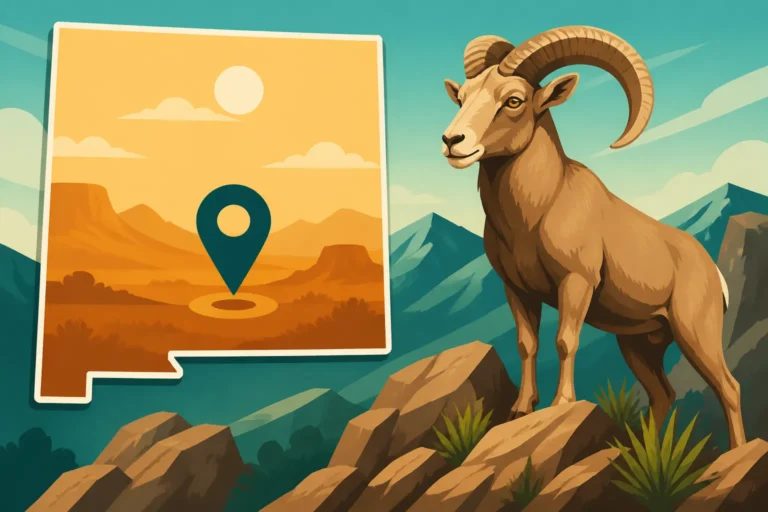
The Florida Mountains, an isolated range near Deming in southwestern New Mexico, might seem like an odd choice for an animal from the mountains of Iran. But take a closer look, and you’ll see the uncanny similarities. These mountains are steep, rocky, and incredibly rugged, with sparse vegetation, mimicking the harsh, arid environments where Persian ibex naturally thrive. They needed a place where the ibex would face minimal competition from native species, a place where their specialized adaptations for extreme vertical living would be an advantage. The Florida Mountains, with their dramatic elevation changes and lack of dense timber, offered exactly that. The idea was that the ibex wouldn't compete directly with mule deer or bighorn sheep but would instead occupy their own challenging niche, providing a distinct and arduous hunting experience. Understanding this habitat match is crucial for anyone hoping to pursue these animals, as detailed scouting resources can help you identify prime areas, much like you would when Judging an Ibex in the Florida Mountains.
The Journey to the Florida Mountains: Sourcing and Release
The story of the ibex in New Mexico isn't just about vision; it's about the remarkable logistics and dedication required to move a wild species across continents and successfully establish them in a new home. This wasn't a quick process, but a multi-year effort rooted in careful planning and collaboration.
Where the Ibex Came From
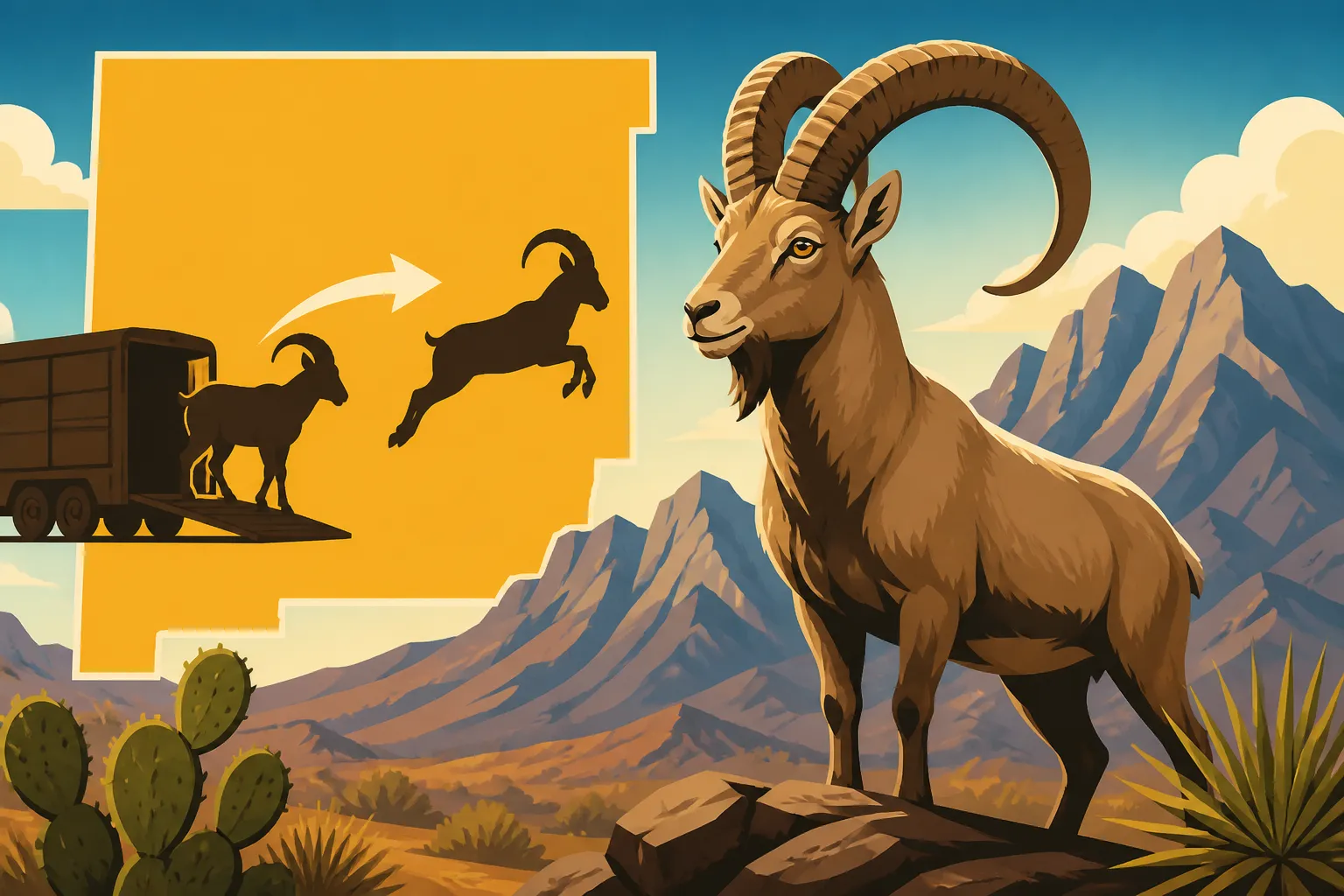
The Persian ibex (Capra aegagrus aegagrus) has its origins in the mountainous regions of Iran, Turkey, and Afghanistan. The specific animals introduced to New Mexico were sourced directly from the rugged Behistun Mountains of Iran. This international effort in the late 1960s and early 1970s was a testament to global conservation partnerships and the desire to expand species populations. These animals were chosen for their hardiness, their adaptability to arid, rocky environments, and their impressive horns, which make them a highly sought-after trophy. The initial captures in Iran were complex, involving skilled teams navigating treacherous terrain to secure animals that would form the foundation of New Mexico's new herd. It's a fascinating example of Transplant Programs That Rebuilt Herds on a grand scale.
The Logistics of a High-Stakes Relocation
Transporting wild animals, especially large, agile ones like ibex, across thousands of miles is no small feat. The process involved multiple stages: capture in Iran, temporary holding, careful health screening, and then the long journey via air cargo to the United States. Once in New Mexico, the ibex were first held in acclimatization pens at the Big Hatchet Mountains Wildlife Area, a crucial step to allow them to adjust to their new climate, forage, and potential diseases before being released into the wild.
This controlled environment allowed biologists to monitor their health and behavior, ensuring they were robust enough to survive independently. The initial release into the Florida Mountains began in 1970, with subsequent releases over the next few years to bolster the population. These efforts involved significant financial investment and the tireless work of wildlife professionals, all with the goal of creating a self-sustaining population. Understanding these challenges can really put into perspective why a species like the ibex has such an iconic status in the state.
Here's a simplified timeline of the ibex introduction:
| Year(s) | Event | Description |
|---|---|---|
| Mid-1960s | Vision & Planning | New Mexico wildlife agencies seek unique big game species for arid mountains. |
| Late 1960s | Sourcing & Capture | Persian Ibex captured from the Behistun Mountains of Iran. |
| 1970-1974 | Transport & Acclimatization | Ibex flown to the US, held in pens for health screening and adjustment. |
| 1970-Early 1970s | Initial Releases | Ibex released into the Florida Mountains, forming the core herd. |
| Present | Population Establishment & Management | Self-sustaining population, managed through hunting permits. |
Early Challenges and Triumphs: Establishing a Wild Population
Introducing any species into a new environment comes with inherent risks and uncertainties. The early years for New Mexico's ibex were critical, marked by both challenges in adapting to their new home and significant triumphs in establishing a thriving population.
Adapting to the New Mexico Landscape
While the Florida Mountains offered a habitat similar to their native lands, there were still unique challenges. Predators like mountain lions and eagles, though present in their native ranges, might have presented different pressures in New Mexico. The specific types of forage, water sources, and seasonal temperature fluctuations also required adaptation. However, the ibex proved incredibly resilient. Their natural instincts for survival in steep, broken country served them well, allowing them to quickly find refuge, access scarce water, and utilize the sparse vegetation. Their impressive climbing ability became their primary defense, allowing them to escape predators and reach otherwise inaccessible areas. Studying their historical movements and preferred habitats can be immensely helpful for hunters, and resources like GoHunt can provide valuable insights into historical harvest data and habitat analysis for these units.
Management Strategies for a Growing Herd
Once the initial releases proved successful and the ibex began to reproduce, the focus shifted to long-term management. The New Mexico Department of Game and Fish (NMDGF) implemented strategies to monitor population growth, assess herd health, and ensure sustainable hunting opportunities. This involved regular surveys, observations, and detailed data collection on herd composition and dynamics. The goal was always to maintain a healthy, free-ranging population that could withstand the pressures of both the environment and regulated hunting.
Part of this management involved carefully allocated hunting tags. Because the ibex is a limited and highly sought-after species, draw odds are extremely challenging, making every tag precious. Understanding the detailed insights found in New Mexico Ibex Draw Odds becomes essential for anyone hoping to participate in this hunt. Effective management also considers external factors, such as How Drought Affects Desert Deer Numbers, recognizing that environmental conditions can impact all desert-dwelling big game. By continuously monitoring the herd and adjusting management plans, the NMDGF ensures the continued success of the ibex in New Mexico.
The Legacy: Ibex Hunting Today and Tomorrow
The successful introduction and establishment of Persian ibex in the Florida Mountains has created one of the most unique and challenging hunting experiences in North America. It’s a testament to the foresight and effort of those who envisioned these majestic animals gracing New Mexico's rugged terrain.
The Unique Appeal of an Ibex Hunt
Hunting Persian ibex in New Mexico is not for the faint of heart. It is widely considered one of the most physically demanding hunts in the state, often described as a true mountain adventure. The Florida Mountains are steep, unforgiving, and require significant physical conditioning, stamina, and mental fortitude. Hunters need to be proficient in spotting game at extreme distances, navigating treacherous terrain, and making accurate shots under challenging conditions. The reward, however, is immense: a beautiful animal, a world-class trophy, and the deep satisfaction of conquering a truly difficult pursuit.
This hunt embodies the spirit of going beyond the ordinary, offering a rare opportunity to pursue a species found almost nowhere else on public land in North America. This singular experience is what draws hunters from across the country, eager to test their limits against these agile mountain dwellers. If you're considering this challenge, learning more about Where Ibex Hunting Happens in New Mexico is your first step. Even preparing physically for the altitude and exertion is critical, similar to Altitude Preparation for a Gila Elk Hunt.
Responsible Stewardship for a Non-Native Species
While the Persian ibex are firmly established in New Mexico, their non-native status means ongoing responsible stewardship is paramount. The NMDGF continues to monitor the population to ensure it remains healthy and localized within its designated range, preventing any potential negative impacts on native ecosystems. This includes careful regulation of hunting pressure, adherence to bag limits, and ensuring hunters understand the unique rules and ethics associated with this species.
For hunters, being part of this legacy means respecting the animal, its habitat, and the regulations. It means understanding that every successful hunt contributes to the management data that informs future decisions. Tools like GoHunt are invaluable for researching specific unit information, success rates, and draw statistics, allowing hunters to apply thoughtfully and ethically. The story of the New Mexico ibex is a living example of how thoughtful wildlife management, combined with a passion for unique hunting opportunities, can create an enduring legacy in the wild. As you plan your hunt, remember that careful preparation, including checking The All-In Cost of a New Mexico Elk Hunt for general big game expenses, will ensure you're ready for the unique financial and physical demands of an ibex pursuit.
Disclaimer
This article is for general informational purposes only and does not constitute professional advice. Laws, prices and regulations vary by location and change over time. Consult a qualified professional for guidance on your specific situation.