The All-In Cost of a New Mexico Elk Hunt
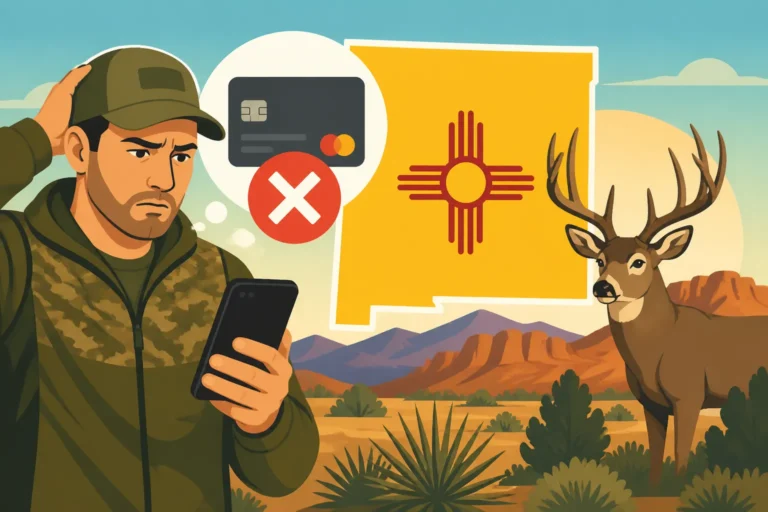
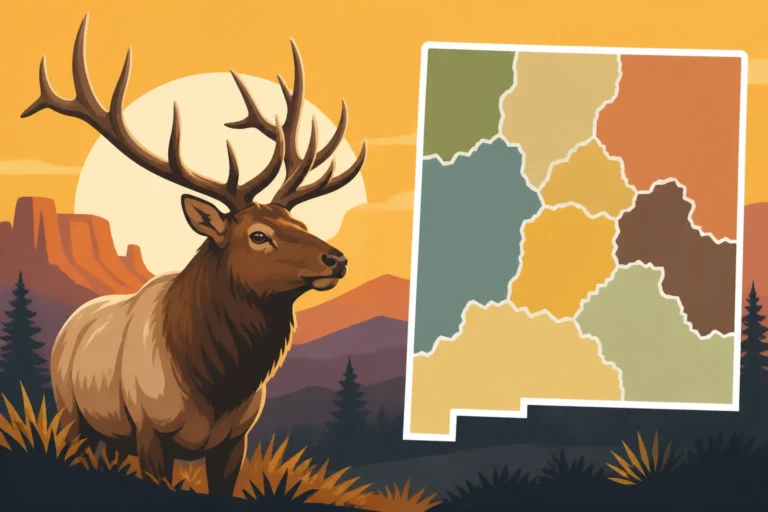
Dreaming of a New Mexico elk hunt? You’re not alone. The vast public lands, diverse terrain, and potential for trophy animals draw hunters from all over. But before you get lost in daydreams of bugling bulls and towering ponderosas, a common question brings many back to reality: just how much does an "all-in" New Mexico elk hunt actually cost? It's a question many hunters face, and the answer isn't always straightforward. This guide will break down the expenses you can expect, from mandatory licenses to overlooked incidentals, helping you budget for your adventure.
Understanding the Mandatory Fees and Licenses
Let's start with the absolute essentials, the non-negotiables you must pay to even have a chance at stepping foot in New Mexico's elk country. These fees are set by the New Mexico Department of Game and Fish (NMDGF) and are subject to change, so always double-check the current regulations booklet. The biggest determining factor here is whether you're a resident or a non-resident.
Non-Refundable Application Fees and Licenses
First up is the application fee. Many folks overlook this because it’s a relatively small amount compared to the tag itself, but it’s crucial. When you apply for a draw hunt, you'll pay a non-refundable application fee for each species you apply for. For elk, this is typically around $7.00. This fee simply covers the cost of processing your application. If you don't draw a tag, you don't get this money back. It’s part of the gamble.
Next, every hunter, resident or non-resident, needs a current New Mexico Game Hunting License. This isn't just for elk; it's your basic permission slip to hunt any game in the state. For non-residents, this license is usually around $65.00. Residents pay significantly less, often in the $30.00 range. You'll also encounter a small, mandatory Conservation Stamp fee, usually $1.00, which supports wildlife conservation efforts. Sometimes this is bundled into your license purchase, but it's worth noting.
Then there’s the Habitat Management & Access Validation (HMAV), which is about $4.00. This helps fund public access to private lands and habitat projects. On top of that, if you plan to hunt on federal lands—and a huge portion of New Mexico's prime elk habitat, especially in areas like the Gila National Forest, falls under federal jurisdiction—you'll need a New Mexico Habitat Stamp, typically $10.00. These are often forgotten but absolutely necessary if your hunt takes you into National Forests or BLM land. You can find more detail on The New Mexico HMAV Validation Explained and The New Mexico Habitat Stamp for Federal Land in our other resources.
The Big One: Your Elk Tag
Now we get to the real chunk of change: the elk tag itself. This is where the resident/non-resident divide really widens.
- Non-Resident Elk Tag: A standard bull or either-sex elk tag for a non-resident typically runs around $660.00. This is the fee you pay if you are successful in the draw. If you apply for a premium unit or a specific trophy hunt, the price could be slightly higher, but this is a good general estimate for most draw tags. It's a significant investment, but for many, it's worth it for the chance to hunt world-class elk.
- Resident Elk Tag: For New Mexico residents, the cost of a bull or either-sex elk tag is considerably lower, usually around $90.00. This is a huge benefit for locals and certainly makes a DIY hunt much more accessible.
Here’s a quick table to summarize the mandatory fees for a hypothetical draw application:
| Fee Type | Non-Resident Cost (Approx.) | Resident Cost (Approx.) | Notes |
|---|---|---|---|
| Application Fee (per species) | $7.00 | $7.00 | Non-refundable, paid upfront |
| General Game Hunting License | $65.00 | $30.00 | Your basic hunting permit |
| Conservation Stamp | $1.00 | $1.00 | Often bundled with license |
| HMAV (Habitat Management & Access Valid.) | $4.00 | $4.00 | Mandatory for all hunters |
| Habitat Stamp (if hunting federal land) | $10.00 | $10.00 | Necessary for National Forest, BLM, etc. |
| Total Upfront (Application) | $87.00 | $52.00 | Paid when you apply (before draw results) |
| Elk Tag (if successful in draw) | $660.00 | $90.00 | Paid only if you draw a tag |
| Total Mandatory Fees (if successful) | $747.00 | $142.00 | Excludes additional permit fees for special hunts/youth |
It’s easy to get caught up in the excitement and only think about the tag price, but all these smaller fees add up, especially for non-residents. Make sure you factor in that initial upfront cost, which is gone whether you draw or not.
Evaluating Travel and Logistics Expenses
Once you've secured that coveted New Mexico elk tag, the next major category of expenses revolves around actually getting to your hunting area, staying there, and getting your elk out. This is where costs can vary wildly depending on your preferred style of hunting and how far you're coming from.
Transportation to and From the Unit
Unless you're lucky enough to live right in your chosen unit, you'll have travel costs. Driving from out of state can easily run into hundreds of dollars for fuel alone, especially with today’s gas prices and the vast distances involved in reaching many of New Mexico’s prime elk units. If you're coming from further afield, flights into Albuquerque (ABQ) or potentially El Paso (ELP) for southern units, can add another $300-$800 per person, depending on your origin and how far in advance you book.
Once you land, you'll need a rental vehicle, often a truck or SUV with decent clearance, which can be another $500-$1000 for a 7-10 day hunt. Don't underestimate the need for a capable vehicle to navigate rough forest roads or even just to get to remote trailheads. Many hunters drive their own rigs, which means factoring in wear and tear, potential mechanical issues, and the cost of hauling all your gear.
Accommodation and Food on the Ground
This is an area where DIY hunters can save a lot of money, but it still represents a significant expense.
- Camping: Most DIY elk hunters embrace camping, whether in a tent, truck camper, or RV. This eliminates lodging fees, but you still need to factor in campground fees if you use developed sites (typically $10-$30/night) or the cost of propane, water, and fuel for generators if you’re boondocking on public land. Even dispersed camping on National Forest or BLM land has its "costs" in terms of time, effort, and gear needed.
- Lodging: If you prefer a roof over your head, small towns near popular units (like Reserve for the Gila, or Chama for northern units) often have motels or cabins. These can range from $80-$200+ per night, quickly adding up to $500-$2000 for a week-long hunt.
- Food: Eating out for every meal is a surefire way to blow your budget. Most savvy elk hunters pack in their own groceries and cook at camp. Plan for at least $10-$20 per person per day for quality, energy-dense hunting food. That's $70-$140 per week, minimum, for groceries. Don't forget snacks, hydration mixes, and coffee!
Meat Processing and Shipping
The moment of truth! If you’re successful, you'll have an elk to process.
- Field Dressing and Pack Out: This is where the physical cost comes in. Packing an elk out of the Gila alone or with a partner is grueling work, but it's "free" if you do it yourself. If you need to hire a packer with horses or mules, expect to pay anywhere from $800-$2,000, depending on the distance and difficulty. Consider how you'll handle Packing an Elk Out of the Gila Alone when planning your hunt.
- Butchering: Local meat processors in New Mexico typically charge $300-$600 for a full elk breakdown, including cutting, wrapping, and freezing. If you process it yourself, you save money but invest considerable time and effort. You'll also need coolers and plenty of ice, which can add another $50-$150.
- Shipping: If you're a non-resident, shipping hundreds of pounds of frozen elk meat home can be a major expense, potentially another $300-$800, depending on the carrier and destination. Some hunters opt to fly with coolers as checked baggage, but weight limits and airline fees apply. You can also look into specialized game shipping services if available.
Considering Gear, Scouting, and Contingency Costs
Beyond the core permits and logistics, a successful elk hunt demands proper gear, preparation, and a buffer for the unexpected. These can be significant investments, especially for new hunters.
Essential Hunting Gear
If you're new to elk hunting or need to upgrade, this category can quickly add thousands to your "all-in" cost.
- Optics: Good binoculars and a spotting scope are non-negotiable for glassing vast New Mexico landscapes. Brands like Vortex, Leupold, and Zeiss offer a range of options. A solid set of binoculars might run $300-$1000+, while a spotting scope can be $500-$2000+. Don't skimp here; quality optics are your eyes in the field.
- Weapon: Whether rifle or bow, ensure your weapon is dialed in. Rifles, scopes, and ammunition can range from $1000 to several thousand. For bowhunters, a quality setup including bow, arrows, broadheads, and release can be $800-$2000+. Factor in practice ammo and range time.
- Clothing & Footwear: Layering is key for New Mexico's unpredictable weather, from scorching September days to freezing October nights. Quality base layers, insulation, waterproof outer shells, and durable, comfortable hiking boots designed for rocky terrain are essential. Expect to spend $500-$1500+ for a complete system from brands like Kuiu or Sitka. Boots alone can be $200-$400.
- Pack: A reliable backpack capable of carrying heavy loads, including meat, is crucial. Brands like Mystery Ranch or Stone Glacier offer packs designed for backcountry hunting, ranging from $300-$800.
- Camping Gear: Tent, sleeping bag rated for cold nights, sleeping pad, camp stove, water filtration system—these are all significant investments if you don't already own them. A solid backcountry camping setup can be $500-$1500.
While you don't need the absolute top-tier gear, investing in quality, durable items that won't fail you miles from the trailhead is highly recommended. Many veteran hunters advise a "buy once, cry once" philosophy, especially for critical items.
Pre-Season Scouting and E-Scouting Tools
Preparation is paramount, and it comes with its own costs.
- Physical Scouting Trips: Many serious elk hunters make one or more trips to their unit before the season to scout. This means additional fuel, lodging, and food costs, easily adding $200-$1000 per trip. Walking the terrain, locating water sources, and finding game trails can be invaluable.
- E-Scouting Subscriptions: In today’s world, e-scouting is a game-changer. Subscriptions to mapping apps like onX Hunt or GoHunt provide crucial intel on public land boundaries, terrain features, water sources, and roads. A premium subscription to a service like GoHunt for their Insiders tool can cost around $150-$200 annually, but the value in research and planning is immense. They also offer detailed draw odds and harvest data. You can learn more about E-Scouting a New Mexico Unit Before the Season in our other articles.
- Other Digital Tools: Weather apps, satellite communication devices (like Garmin inReach or Zoleo) for safety in remote areas ($300-$500 device, plus monthly subscription), and GPS units all contribute to your overall investment in preparation.
Contingency Funds and Miscellaneous Expenses
No matter how well you plan, unexpected costs can arise. It's always wise to have a contingency fund.
- Vehicle Repairs: A flat tire on a remote road, minor mechanical issues, or even just unexpected fuel stops.
- Emergency Supplies: First-aid kits, extra batteries, headlamps, and other safety items are crucial.
- Tip for Packers/Outfitter (if applicable): If you decide to hire a packer or even a semi-guided service, tipping is customary and expected. This isn't a mandatory fee, but it's an important part of the ethical and social contract in the hunting world. For a DIY hunter who hires a packer, expect to budget 10-20% of the packing fee. While this article focuses on DIY, if you ever consider a guided trip, understanding What a Guided New Mexico Elk Hunt Costs is a separate, much higher, budget discussion.
- Taxidermy/Butcher Upgrades: If you harvest a trophy, mounting it will be a significant cost ($1000-$3000+). Specialty cuts or processing like making jerky or sausage will also add to your butcher bill.
- Physical Preparation: While not a direct monetary cost, the time and effort invested in Preparing Physically for a High Elevation Hunt is critical. If you need a gym membership, specialized training, or even just proper nutrition, these might be indirect costs.
The "all-in" cost of a New Mexico elk hunt for a non-resident DIY hunter can realistically range from $2,000 to $5,000+, not including initial gear purchases, while a resident might spend $500-$2,000. These figures can easily go higher depending on how much gear you need to buy and how extensive your scouting and luxury preferences are. Using resources like GoHunt to research units and plan can help you optimize your spend, but always build in a buffer for the unexpected.
Disclaimer
Please note: The information provided in this article is for general guidance only and is based on current regulations and typical costs. Hunting regulations, license fees, and other expenses are subject to change by the New Mexico Department of Game and Fish. Always consult the most recent NMDGF official regulations booklet and pricing schedules before planning your hunt. While efforts have been made to ensure accuracy, specific costs may vary based on individual choices, market fluctuations, and unforeseen circumstances.