Why New Mexico’s Gila Grows Big Bulls
It’s a dream many of us share: drawing that coveted New Mexico elk tag, especially one for the legendary Gila National Forest. But for those who haven't experienced it firsthand, the question often lingers – what exactly makes the Gila such a powerhouse for growing those massive, heavy-horned bulls we see in magazines and online? This isn't just a stroke of luck; it's a complex interplay of geography, climate, thoughtful management, and the very nature of the land itself. This guide will dive deep into the specific factors that converge to create one of North America's premier trophy elk destinations.
The Gila's Ancient Landscape and Rich Ecosystem
The Gila National Forest isn't just a patch of trees; it's a vast, intricate ecosystem carved by millennia of geological forces and shaped by a unique blend of climates. This rugged, wild country provides the foundational elements necessary for elk to not just survive, but to truly thrive and reach their maximum genetic potential. Understanding this landscape is the first step to appreciating its bounty.
Geographical Features and Elevation Swings
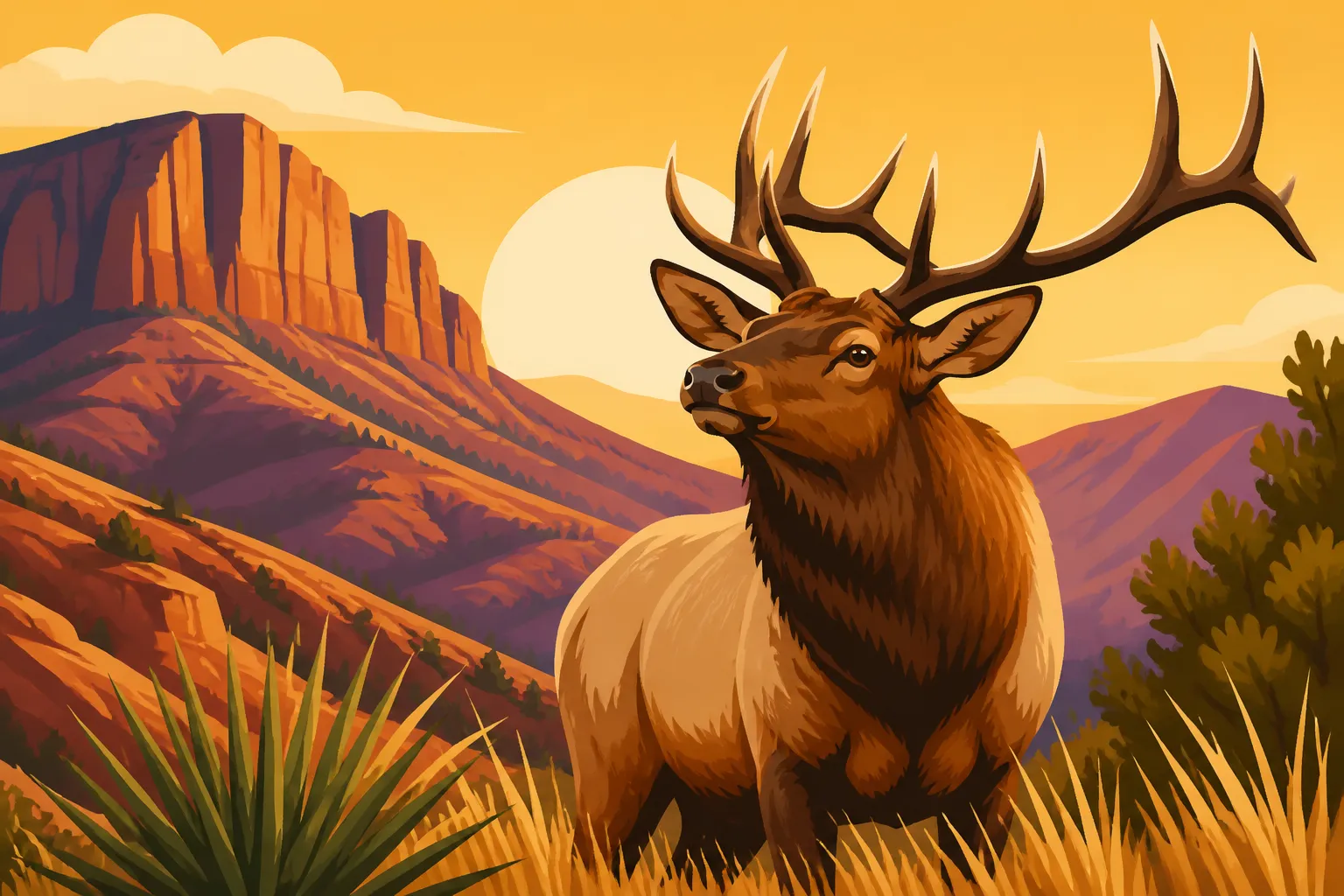
Imagine traversing an area larger than some small states, where elevations climb from arid desert fringes around 4,000 feet to towering peaks well over 10,000 feet. The Gila encompasses a dramatic range, from the deep, broken canyons of the Mogollon Mountains and the Black Range to expansive mesas and rolling hills. This incredible vertical relief means diverse microclimates and habitats packed into a single region. The constant undulations and sheer ruggedness create countless hiding spots for mature bulls, allowing them to escape detection and grow old. These older bulls, as any seasoned hunter knows, are the ones that carry the impressive headgear.
The deep canyons act as natural thermal refuges, offering cooler temperatures in the scorching early season and protection from harsh winter winds. The higher elevations, blanketed in dense timber, provide security and prime bedding areas. This complexity isn't just beautiful; it's a strategic advantage for elk. It creates a mosaic of terrain that supports elk through all four seasons, providing everything from calving grounds in secluded bottoms to high-country summer ranges where bulls can feed undisturbed, packing on pounds and inches of antler. It’s no wonder many consider New Mexico Elk Are Why the Gila Draws Everyone.
Diverse Flora and Fauna Contributing to Health
Beyond the rock and dirt, it’s the plant life that truly fuels the Gila’s big bulls. The forest is a patchwork of ecological zones, each contributing to a rich and varied diet for elk. At mid-elevations, vast stands of ponderosa pine dominate, often interspersed with open parks and meadows. As you climb, you encounter mixed conifer forests—Douglas fir, white fir, and Engelmann spruce—along with pockets of aspen. Lower down, especially in the transition zones and canyons, you find oak brush, juniper, and piñon-juniper woodlands.
Each of these vegetation types offers different nutritional benefits. The broadleaf plants like oak brush, aspens, and various forbs provide crucial protein and minerals, especially during the spring and summer antler-growing periods. The grasses in the meadows and open parks offer carbohydrates, helping elk build fat reserves for the lean winter months. This diversity ensures a balanced diet throughout the year, a key factor in growing large, healthy animals with robust antler development. The varied plant life also supports a healthy prey base for predators, maintaining a natural balance within the ecosystem.
Nutritional Bounty: Forage, Water, and Mineral Resources
Just like a champion athlete needs a top-notch diet, trophy elk depend on an abundance of high-quality nutrition. The Gila delivers this in spades, providing the fuel necessary for incredible body mass and impressive antler growth. It’s not just about having food; it’s about having the right food at the right time.
Abundant and Diverse Forage Availability
The sheer variety of forage in the Gila is a major contributor to its trophy potential. Elk are ruminants, meaning they have a four-chambered stomach designed to digest a wide array of plant material. They are both grazers (eating grasses) and browsers (eating shrubs and forbs). The Gila offers a smorgasbord of both. In the spring and early summer, new growth on grasses, tender forbs, and succulent shoots of woody plants like oak and aspen provide a huge influx of protein and digestible energy. This is precisely when bulls are growing their antlers at an astonishing rate.
Consider the rich meadows of Unit 16A or the diverse canyon bottoms of Unit 15. These areas are veritable buffets for elk. During the summer, these forage-rich environments allow bulls to put on significant body weight, which directly correlates to antler size. A healthy elk with sufficient nutritional intake can dedicate more resources to antler growth. This consistent, high-quality nutrition year after year builds the foundation for impressive racks, showcasing New Mexico Units 16A and 16D Elk Reputation. Companies like GoHunt provide valuable mapping tools that can help hunters identify areas with prime forage by utilizing satellite imagery and habitat overlays, giving them a distinct advantage in scouting.
Critical Water Sources and Their Impact
In an arid state like New Mexico, water is life, and the Gila is relatively blessed with it. The Gila River, the San Francisco River, and their numerous tributaries crisscross the landscape, providing perennial water sources. Beyond the major rivers, countless springs, seeps, and stock tanks (often built by ranchers or wildlife agencies) are scattered throughout the forest. These natural and man-made water points are absolute magnets for elk, especially during the drier periods.
The availability of water allows elk to utilize more of the available forage, as they don't have to travel as far to drink. This reduces energy expenditure and stress, allowing them to dedicate more energy to growth. In years with good monsoonal rains, these water sources are replenished, leading to an explosion of new forage growth. This cycle is critical; healthy forage means healthy elk, and healthy elk mean bigger antlers. Knowing where these critical water sources are located is often key to finding elk, particularly during early archery seasons when temperatures can still be high.
Essential Mineral Access for Antler Growth
Antlers are essentially bone, and bone requires minerals, especially calcium and phosphorus. The geological makeup of the Gila region provides natural mineral licks and soil compositions rich in these vital elements. Elk instinctively seek out these mineral sources, which are crucial for hardening antlers after the velvet sheds and for overall skeletal health.
These mineral deposits are often found near specific rock formations or along particular drainages. Elk will frequent these sites, sometimes digging up the soil to ingest the mineral-rich earth. Adequate mineral intake, coupled with high-quality forage and consistent water, ensures that bulls have all the building blocks needed to develop strong, dense, and large antlers. Without these critical minerals, even with good protein and energy, antler growth would be stunted. This hidden aspect of the Gila’s ecosystem plays an unsung role in producing its trophy bulls.
Smart Herd Management and Genetic Potential
It takes more than just great habitat; it takes thoughtful human intervention—or often, the lack thereof—to allow a herd to reach its full potential. New Mexico's Game and Fish Department has implemented strategies that, whether by design or happy accident, foster the growth of exceptional bulls in the Gila.
New Mexico's Conservative Tag Allocation
One of the most significant factors in the Gila's reputation for big bulls is the New Mexico Department of Game and Fish's (NMDGF) conservative approach to tag allocation. Unlike some states with over-the-counter tags or very high quotas, New Mexico utilizes a draw system with limited tags for specific units and hunt codes. This means that hunting pressure is carefully regulated, especially in prime units within the Gila.
By issuing a limited number of tags, the NMDGF ensures that a healthy population of bulls, particularly mature bulls, survives each hunting season. This translates directly to an older age structure within the bull segment of the herd. When bulls live longer, they have more seasons to grow their antlers, year after year, eventually reaching that "trophy" class size. This controlled access is a cornerstone of the Gila's success. It’s also why drawing a Gila elk tag, especially for a prime rifle hunt, can be incredibly challenging, making every successful draw a true prize. If you want to understand the system better, Reading a New Mexico Hunt Code Before You Apply can be a great place to start.
The Role of Genetics in Antler Development
While habitat and age are paramount, you can't overlook the inherent genetic potential of the Gila elk herd. The elk populations in the Gila region descend from various transplants and native populations that historically adapted to the rugged Southwestern mountains. These animals possess a genetic predisposition for large body size and impressive antler growth, passed down through generations.
The combination of a rich environment and genetics creates a positive feedback loop. Bulls that grow large antlers are often more successful in breeding, passing on those superior genes to the next generation. This natural selection, coupled with management strategies that allow these bulls to mature, continuously reinforces the genetic quality of the herd. When you see a truly massive Gila bull, you’re looking at an animal that has won the genetic lottery and then leveraged an ideal environment to realize its full potential.
Age Structure and Trophy Potential
Perhaps the most direct link to trophy bull production is the age structure of the herd. In the Gila, thanks to conservative tag allocations and the difficulty of the terrain, a significant proportion of bulls are allowed to reach older age classes—five, six, seven years old, and beyond. This is crucial because elk antlers generally continue to grow in mass and points until a bull reaches his prime, typically between six and ten years of age.
Younger bulls, while still impressive, simply haven't had the time to develop the sheer mass and complex configurations that define a true trophy. By allowing more bulls to mature, the Gila consistently produces animals that have had several seasons of robust antler growth. The sheer size and remoteness of areas like the Gila Wilderness also contribute; it's simply harder for hunters to access and consistently harvest every mature bull, creating natural sanctuaries where they can grow old. This is a primary reason What Makes Unit 15 the Gila's Finest and other coveted units are so renowned. For hunters applying, GoHunt's Insider service offers detailed draw odds and unit breakdowns, helping applicants strategically choose hunts with the best potential for these older, larger bulls.
Strategic Season Timing and Hunter Pressure
The way hunting seasons are structured and the inherent challenges of the Gila terrain play a huge role in how many bulls survive and how much hunter pressure they experience. New Mexico's staggered season dates and weapon restrictions help distribute pressure and give certain elk populations a break.
Early Archery and Mid-September Rut Hunts
New Mexico's elk seasons are carefully planned to offer diverse opportunities while managing impact. The early archery seasons, particularly those that fall during the mid-September rut, offer hunters a unique experience. During these hunts, elk are vocal and often more visible, but success rates typically remain lower than rifle hunts due to the difficulty of bowhunting. This lower success rate means more bulls survive these early seasons, allowing them to continue growing.
The specific timing of these hunts, when bulls are focused on breeding and less wary, creates incredible hunting opportunities. However, the requirement to get within bow range means a significant number of bulls, even bugling ones, evade hunters. This inherent challenge contributes to more bulls making it through the season. Learning about Bugle Timing Through New Mexico's Rut can be a game-changer for these hunts.
Primitive Weapons and Limited Entry Hunts
Beyond archery, New Mexico offers primitive weapons hunts, primarily muzzleloader seasons. These hunts often occur in windows that are less pressured than the general rifle seasons, or in units specifically designated as primitive weapons only, further reducing overall hunter numbers. Muzzleloaders, while effective, come with their own set of limitations—shorter effective ranges, slower reload times, and often no optics allowed on traditional models.
These restrictions, like those for archery, inherently limit harvest efficiency, again allowing more bulls to survive and contribute to the older age structure. By segmenting the seasons and weapon types, the NMDGF effectively spreads out hunting pressure and provides windows of respite for the elk, particularly for the wary, older bulls that are more apt to survive encounters with hunters. For example, New Mexico Elk Season Structure by Unit reveals how these different weapon types and timings are strategically placed throughout the year.
The Impact of Remote Wilderness Areas
The vastness and ruggedness of the Gila National Forest, particularly within its designated wilderness areas like the Gila Wilderness and the Aldo Leopold Wilderness, are perhaps the greatest protectors of mature bulls. These are areas where motorized travel is largely prohibited, requiring hunters to rely on foot, horse, or mule power. This naturally reduces hunting pressure simply because fewer people are willing or able to venture deep into these remote regions.
Bulls learn quickly where the pressure is, and these vast wilderness tracts provide sanctuaries where they can escape, mature, and grow truly magnificent antlers. Accessing these areas often requires significant physical conditioning and advanced planning, including understanding Trailheads That Open the Gila Wilderness. The challenge of packing out an elk from miles deep in the wilderness also deters some hunters, further contributing to the survival of older bulls in these remote havens. This is where hunters often employ tactics like Glassing New Mexico's Gila for Trophy Bulls from a distance before embarking on a challenging stalk.
Weather Patterns, Drought, and Elk Resilience
New Mexico's climate is characterized by extremes, with scorching summers and sometimes harsh winters, punctuated by the crucial summer monsoon season. These weather patterns, while challenging, also play a significant role in the Gila’s ability to grow trophy elk.
Monsoon Rains and Their Effect on Forage
The late summer monsoon season, typically from July through September, is absolutely vital for New Mexico's ecosystems, and by extension, its elk herds. These intense, localized thunderstorms bring much-needed moisture after a dry spring and early summer. The sudden influx of rain triggers an explosion of growth in grasses, forbs, and browse species. This green-up provides a critical boost in high-quality forage just when bulls are finishing their antler growth cycle and beginning to bulk up for the rut.
A strong monsoon season can directly impact antler quality for the following year and improve the overall health and reproductive success of the herd. Conversely, a weak monsoon can lead to drier conditions, stressed forage, and potentially smaller antlers. The direct correlation between rainfall and forage quality, and thus antler growth, is a topic frequently discussed, and you can delve deeper into How Monsoon Rain Affects Antler Growth.
Drought's Challenges and Wildlife Adaptation
While the monsoons are a blessing, drought is a persistent challenge in the Southwest. Extended periods of low rainfall can severely stress the Gila ecosystem. Forage production declines, water sources dry up, and elk are forced to expend more energy to find food and water. In severe drought years, antler growth can be impacted, and overall herd health may suffer.
However, Gila elk are incredibly resilient. They have evolved in an environment where drought is a natural, albeit challenging, part of the cycle. Their ability to move across diverse landscapes, from high country to lower-elevation riparian areas, allows them to adapt. While drought years present hardships, the underlying quality of the Gila's habitat and the inherent toughness of its elk herd mean they often bounce back remarkably quickly once conditions improve. Tools from GoHunt are incredibly useful for monitoring water sources and drought conditions, helping hunters understand how game might be affected.
Wildfire and Habitat Regeneration
Wildfire, often viewed as destructive, is actually a natural and, at times, beneficial component of the Gila ecosystem. While large, intense fires can be devastating in the short term, burning vast tracts of timber and impacting immediate forage availability, they also play a critical role in long-term habitat regeneration. After a fire, the landscape often undergoes a dramatic transformation. Burnt timber opens up the canopy, allowing sunlight to reach the forest floor. This stimulates the growth of new grasses, forbs, and deciduous shrubs like aspen and oak, which are highly nutritious for elk.
These post-fire "burn scars" can become incredibly productive feeding grounds within a few years, offering a flush of fresh, nutrient-rich forage that is highly attractive to elk. While the immediate aftermath of a fire can displace animals, the long-term ecological benefits contribute to the overall health and productivity of the Gila's elk herd, ultimately aiding in the growth of bigger bulls. Understanding How Wildfire Changes Gila Elk Habitat is key to appreciating this dynamic.
Disclaimer
Always consult the official New Mexico Department of Game and Fish regulations for the most current and accurate hunting information, including dates, licensing requirements, and any emergency closures or changes. Hunting regulations can change annually, and it is the hunter's responsibility to be aware of and comply with all applicable laws.