Transplant Programs That Rebuilt Herds
It’s a tough pill to swallow when you realize that some of our most cherished big game animals in New Mexico weren't always as abundant as they are today. Many species faced devastating declines, pushing them to the brink or even wiping them out from vast parts of their historic ranges. This guide is all about shedding light on the incredible, often unsung efforts that brought these populations back: the vital transplant programs that literally moved animals to re-establish herds across our stunning, wild landscapes.
Why New Mexico Needed Wildlife Transplant Programs
When we talk about the history of wildlife in New Mexico, it's not all tales of endless herds. In fact, for many species, the story involves a severe downturn, often due to a perfect storm of factors that pushed them to critical levels. Understanding why these declines happened is the first step to appreciating the monumental task of rebuilding.
The Impact of Historical Overhunting and Habitat Loss
Back in the late 19th and early 20th centuries, wildlife management as we know it simply didn't exist. There were no seasons, no bag limits, and certainly no draw odds to worry about. Market hunting, coupled with subsistence hunting from a growing human population, put immense pressure on game animals. Species like elk, bighorn sheep, and even pronghorn were severely depleted. Elk, for instance, were virtually extirpated from New Mexico by the early 1900s, meaning they were completely gone from the state. Imagine trying to picture the Gila without elk! It’s almost unthinkable now, but that was the reality.
Beyond hunting pressure, rapid westward expansion brought massive habitat changes. Rangelands were overgrazed by livestock, critical migration corridors were fenced off, and development encroached on wintering grounds and fawning areas. This left fragmented habitats and less available food, making it incredibly difficult for remaining populations to recover naturally. Without intervention, many species faced a bleak future, with some teetering on the edge of extinction within our state's borders. The landscape was changing, and our wildlife was struggling to keep up.
Disease and Natural Barriers to Recovery
Even if hunting pressure eased and habitat issues were addressed, other challenges often prevented natural recovery. Disease outbreaks, which can spread rapidly through stressed or small, isolated populations, could decimate a recovering herd. For bighorn sheep, in particular, diseases transmitted from domestic sheep often proved fatal, preventing their return to historic mountain ranges.
Furthermore, natural barriers, or even newly created human-made barriers, could prevent animals from naturally recolonizing suitable habitat. If a small, struggling group of animals was isolated by a highway, a major river, or simply vast stretches of unsuitable land, they couldn't expand their numbers or introduce new genetics. This created a situation where even excellent habitat might sit empty, simply because animals couldn't get there on their own. This is where transplant programs stepped in, quite literally giving nature a helping hand to overcome these hurdles. The idea was simple but profound: if they can't get there, we'll move them there.
The Intricate Process of Wildlife Transplant Programs
Moving wild animals isn't like moving livestock; it's a highly specialized, challenging, and often dangerous undertaking that requires immense planning, expertise, and resources. These are not casual endeavors, but meticulously planned operations aimed at long-term conservation success.
Identifying Source Populations and Capture Methods
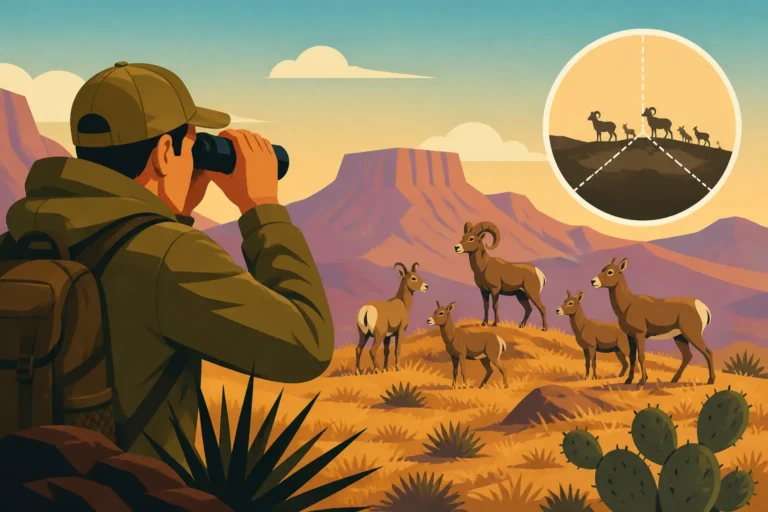
The first critical step in any transplant program is finding a healthy, robust source population that can spare animals without negatively impacting its own numbers. Biologists spend considerable time scouting, surveying, and studying potential donor herds to ensure they are genetically diverse and disease-free. They need to confirm that taking a certain number of animals won't compromise the stability of the original population. For example, if you're trying to reintroduce bighorn sheep to a new mountain range, you need to find a thriving bighorn herd somewhere else in the state or even a neighboring state that can "donate" a few dozen individuals.
Once a source population is identified, the capture operation begins. This is often the most intense phase and requires specialized equipment and highly trained personnel. For bighorn sheep and pronghorn, net-gunning from helicopters is a common and effective method, allowing crews to quickly capture animals with minimal stress. For elk, darting from a helicopter or ground crew, or even using large traps, might be employed. Each method is chosen based on the species, terrain, and the specific goals of the transplant. The safety of both the animals and the capture team is paramount throughout this process, with veterinarians often on-site to ensure immediate care and assessment.
Transport, Release, and Post-Release Monitoring
After capture, animals are often blindfolded and hobbled to reduce stress, then carefully loaded into specialized transport trailers or crates. These vehicles are designed to keep the animals calm, cool, and safe during what can sometimes be a journey of several hours. Veterinary staff continuously monitor the animals' vital signs and well-being. Upon arrival at the designated release site, which has been thoroughly scouted for suitable habitat, water sources, and minimal human disturbance, the animals are gently released. This moment is often quite emotional for the teams involved, marking the culmination of years of planning and effort.
The work doesn't stop once the animals are released. Post-release monitoring is crucial for assessing the success of the transplant. Many animals are fitted with GPS collars before release, allowing biologists to track their movements, habitat use, and survival rates. This data helps answer vital questions: Are the animals staying in the release area? Are they reproducing? Are they encountering unforeseen challenges like disease or predation? This long-term monitoring is expensive and labor-intensive but provides invaluable information for current and future conservation efforts. Understanding movement patterns helps in planning for things like Water development projects built for wildlife or anticipating how new herds might interact with existing game management units.
Success Stories: Species Rebuilt Through Transplants in New Mexico
New Mexico's landscape is a testament to the success of these programs. Many of the iconic big game animals we hunt today owe their presence to diligent, often decades-long, transplant efforts.
Bighorn Sheep: A Triumph in Mountain Recovery
Few stories illustrate the power of transplant programs better than that of New Mexico's bighorn sheep. Both Desert Bighorn and Rocky Mountain Bighorn were once widespread but suffered catastrophic declines. Desert bighorns were reduced to a few isolated populations in the southern ranges, while Rocky Mountain bighorns were entirely eliminated from many of their historic northern habitats.
Through a series of carefully planned transplants starting in the mid-20th century, animals from healthy populations in other states (and within New Mexico) were moved to new mountain ranges. For example, Rocky Mountain bighorns were reintroduced to areas like the Pecos Wilderness, the Sangre de Cristo Mountains, and the Jemez Mountains. Desert bighorns have been reintroduced to ranges like the Big Hatchet Mountains and the Ladron Mountains. These efforts weren't always smooth sailing; some transplants failed due to disease or inability to adapt. However, the persistence of wildlife biologists and conservation groups paid off. Today, hunters can even apply for coveted bighorn tags, a true testament to How New Mexico rebuilt its bighorn herds through these programs. Desert and Rocky Mountain Bighorn in New Mexico are now subjects of careful management, ensuring these magnificent animals continue to thrive.
Elk and Pronghorn: Returning to Their Former Glory
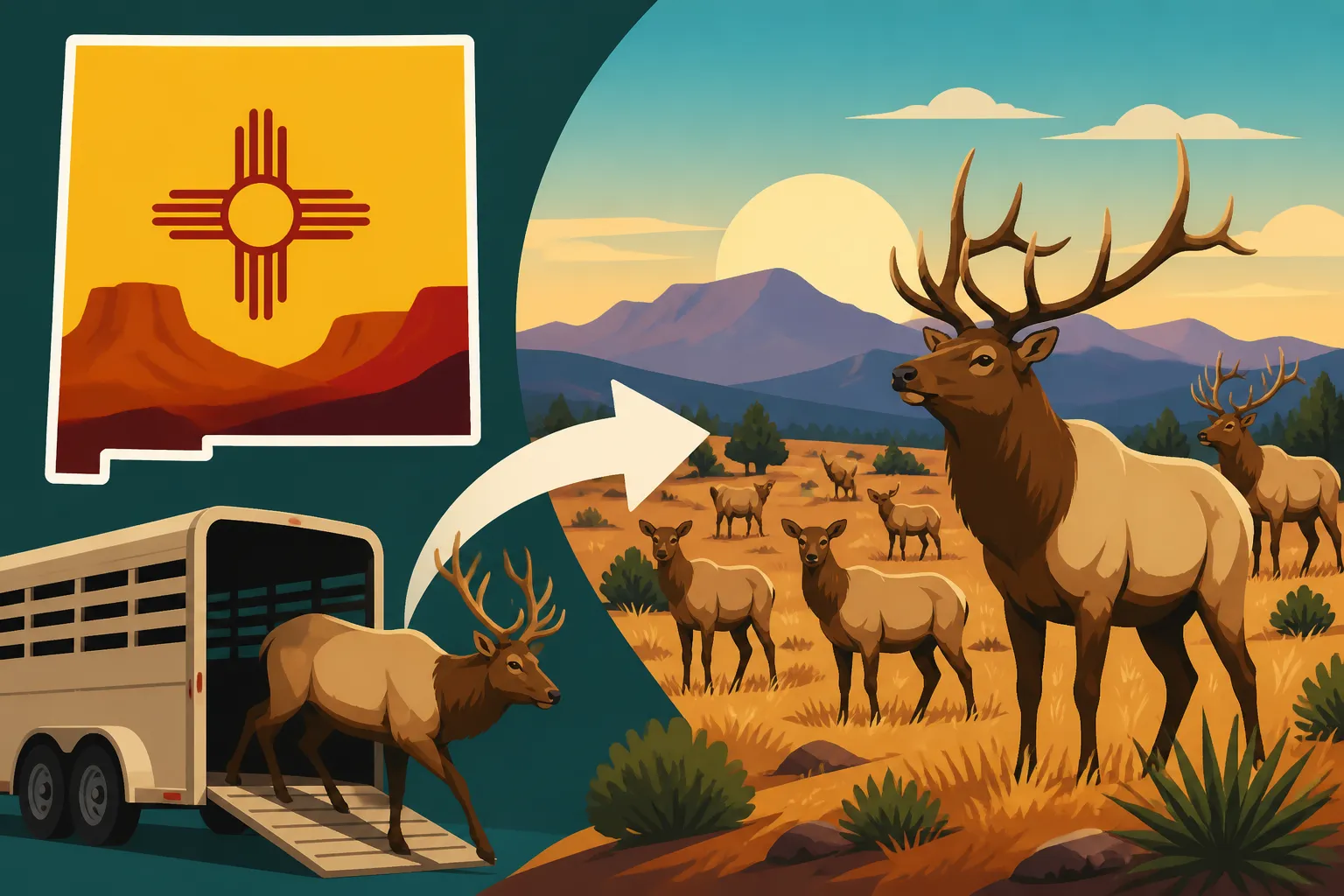
As mentioned, elk were completely gone from New Mexico in the early 1900s. The reintroduction of elk from Yellowstone National Park and other areas, beginning in the 1930s, was a monumental undertaking. These transplants, combined with strict hunting regulations and habitat improvements, allowed elk populations to explode. Today, New Mexico boasts some of the best elk hunting in the West, with robust herds across vast expanses of public land, particularly in the Gila National Forest. New Mexico Elk Are Why the Gila Draws Everyone is a common sentiment, and it's a direct result of these early transplant successes.
Pronghorn, often mistakenly called antelope, also faced significant population declines. Their wide-open prairie habitat was heavily impacted by fencing and agricultural conversion. Transplanting pronghorn from areas of high density to unoccupied but suitable grasslands, particularly on the eastern plains, has helped re-establish healthy herds. Hunters now have opportunities for Pronghorn on New Mexico's Eastern Plains, a species that once struggled to survive. The ability of these animals to rapidly reproduce in good conditions, once re-established, played a key role in their comeback.
Ongoing Efforts and Broader Species Benefits
While bighorn, elk, and pronghorn are prominent examples, transplant methodologies have also benefited other species in more localized or ongoing ways. For instance, wild turkey populations have also been supplemented through trap-and-transfer operations, moving birds to areas where habitat is good but numbers are low. These programs aren't just about restoring populations; they're also about enhancing genetic diversity and ensuring resilience against future challenges.
Sometimes, the efforts even focus on less obvious aspects, like improving genetic vigor within a struggling local herd by introducing individuals from a different, healthy population. Biologists often consult detailed data, perhaps even using tools like GoHunt, to analyze unit-specific herd health metrics and identify where such interventions might be most effective. This proactive management helps maintain overall wildlife health across the state.
The Long-Term Impact and Future of Transplants in New Mexico
The success of past transplant programs has paved the way for current and future wildlife management strategies in New Mexico. It's a continuous effort that relies on scientific data, sustainable funding, and public support.
Sustaining Populations Through Adaptive Management
Rebuilding a herd is one thing; keeping it healthy and thriving for generations is another. This requires adaptive management, where wildlife agencies constantly monitor populations, assess habitat conditions, and adjust strategies as needed. Data collected from ongoing monitoring, including herd health, reproduction rates, and harvest numbers, directly informs management decisions. This might involve adjusting hunt quotas, implementing habitat restoration projects, or even planning for further transplants if a population faces new challenges or opportunities for expansion.
The science behind managing these herds is complex. Biologists spend countless hours analyzing data on Why fawn ratios predict next season and How biologists count a desert big game herd. They also scrutinize New Mexico harvest data to understand population trends and the impact of hunting. Organizations and tools like GoHunt provide resources for hunters to delve into this data, helping them understand the health of the herds they pursue and the reasons behind specific tag allocations or season structures. It’s all interconnected, demonstrating that modern wildlife management is a dynamic and evidence-based field.
The Role of Hunter Funding and Conservation Partnerships
Many hunters might not realize that their license and tag fees play a direct and crucial role in funding these transplant and management programs. Through excise taxes on firearms and ammunition (known as the Pittman-Robertson Act), along with state license sales, significant funds are generated specifically for wildlife conservation and restoration. This "user pays, everyone benefits" model is a cornerstone of American wildlife management. Without these funds, the extensive and expensive operations involved in capture, transport, monitoring, and habitat improvement simply wouldn't be possible.
Beyond direct funding, partnerships between the New Mexico Department of Game and Fish, federal agencies like the US Forest Service and BLM, tribal nations, private landowners, and conservation organizations are vital. These collaborations pool resources, expertise, and land access, enabling projects that would be impossible for any single entity to undertake. When you look at the successful reintroduction of bighorns to a mountain range that spans public and private land, you see the direct result of these partnerships working together for a common goal: healthy, abundant wildlife. Hunters are integral partners in this, not just through fees, but also through advocacy and responsible land use.
| Species | Historical Status (Early 1900s) | Key Transplant Efforts (Examples) | Current Status in NM | Key Challenges/Needs (Ongoing) |
|---|---|---|---|---|
| Elk | Extirpated (gone from state) | Yellowstone, Colorado (1930s-present) | Thriving, widespread | Habitat fragmentation, drought, CWD |
| Bighorn Sheep | Critically low, fragmented | Intra/Inter-state transfers (1950s-present) | Recovering, limited distribution | Disease, habitat encroachment, genetic diversity |
| Pronghorn | Significant decline | Intra-state transfers (1940s-present) | Recovered, strong in plains | Fencing, habitat degradation, drought |
| Wild Turkey | Reduced, localized | Intra-state trap-and-transfer (1950s-present) | Healthy, widespread | Habitat quality, predation, drought |
Looking Ahead: Continuous Conservation and New Challenges
The work of wildlife conservation is never truly finished. As climate patterns shift, human populations grow, and new challenges like Chronic Wasting Disease (CWD) emerge, transplant programs and adaptive management will continue to be essential tools. Understanding Reading a herd unit management plan becomes crucial for hunters who want to contribute to and understand the larger conservation picture.
Future efforts might involve moving animals to enhance genetic diversity in isolated herds, reintroducing species to areas affected by wildfire (like How wildfire changes Gila elk habitat), or even relocating animals from overpopulated areas to underpopulated ones as a management strategy. The lessons learned from a century of successes and failures in transplanting animals provide a robust framework for ensuring that New Mexico's wild heritage endures for all of us, and for generations to come. It’s a powerful reminder that with dedication and scientific backing, we can mend what was once broken in our natural world.
Disclaimer
This article is for general informational purposes only and does not constitute professional advice. Laws, prices and regulations vary by location and change over time. Consult a qualified professional for guidance on your specific situation.