New Mexico Ibex Draw Odds
Applying for a New Mexico ibex tag can feel like stepping into a lottery where the odds are astronomically stacked against you. It's not just a hunt; for many, it's a dream of pursuing one of the continent's most challenging and exotic big game animals. But before you even lace up your boots, you have to conquer the draw. This comprehensive guide will pull back the curtain on the harsh reality of New Mexico ibex draw odds, help you understand the intricate system, and offer strategies to maximize your slim chances.
The Rarity of the New Mexico Ibex Tag: Why Odds Are So Tough
Let's face it: getting an ibex tag in New Mexico is akin to finding a needle in a haystack, and that's not an exaggeration. The sheer scarcity of these tags is the primary driver behind the incredibly low draw odds, creating a fiercely competitive landscape for every aspiring ibex hunter.
Understanding the Ibex's Limited Range
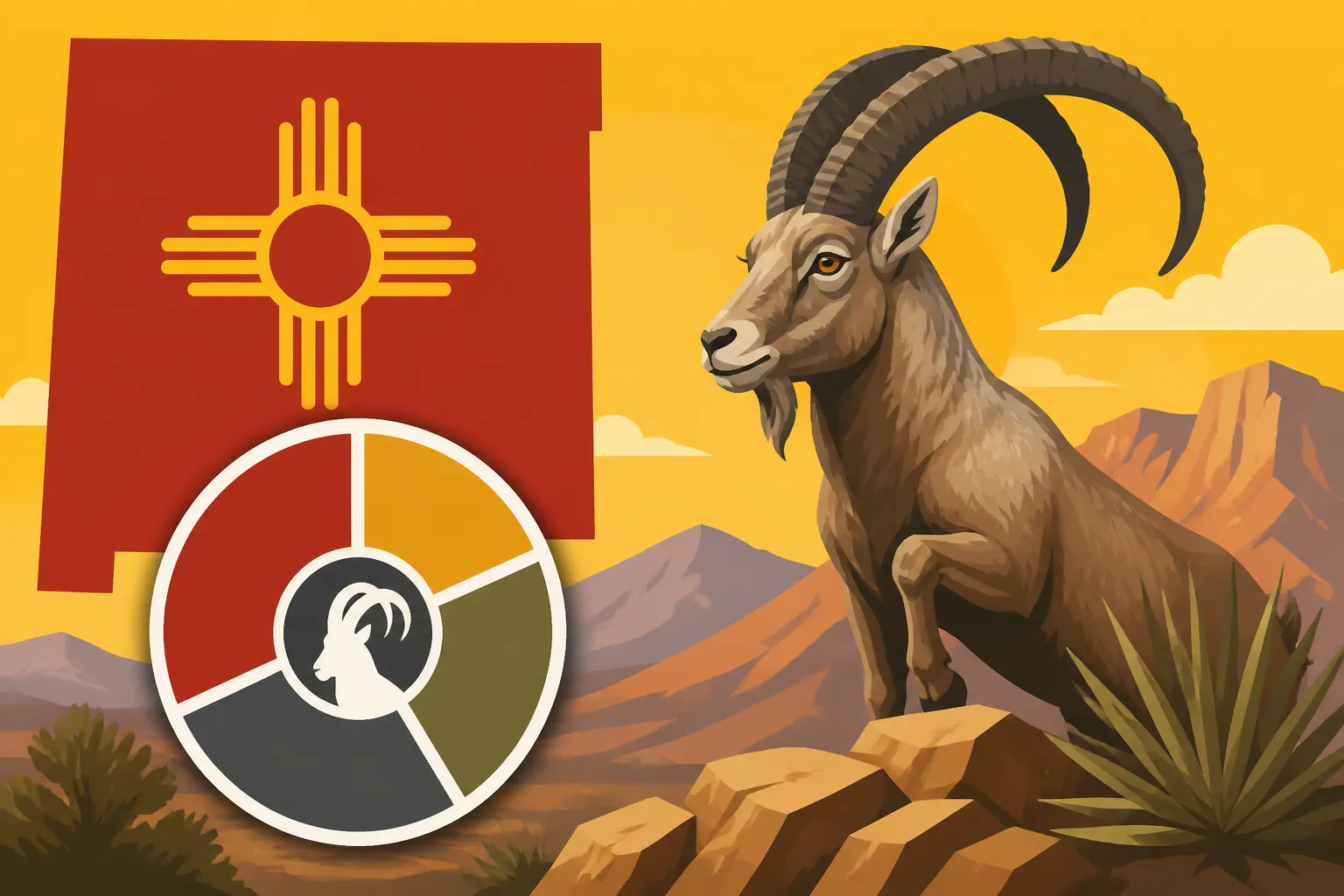
The Persian ibex population in New Mexico is truly unique, confined almost exclusively to the rugged, unforgiving terrain of the Florida Mountains in the southwestern part of the state. This isn't an animal that roams widely across vast forests or plains. Their habitat is a specific, isolated mountain range, which by its very nature limits the number of animals the landscape can sustain. Because the herd is small and localized, the New Mexico Department of Game and Fish (NMDGF) issues an extremely limited number of tags each year to ensure the long-term health and stability of the population. When you have thousands of hopeful applicants vying for perhaps a couple dozen tags, sometimes even fewer, the math quickly tells a tale of long odds. It’s a conservation success story, but it means very few hunters get to experience hunting the Florida Mountains for ibex. For more about this unique species, check out our guide on How Ibex Reached New Mexico.
The Unique Challenge of Hunting Ibex
Beyond their limited numbers, the allure of the ibex also contributes to the draw's competitiveness. These aren't your typical deer or elk; ibex are an incredibly challenging animal to hunt. They inhabit steep, rocky slopes, possess incredible eyesight, and are notoriously wary. The hunt itself is a grueling test of physical endurance, mental fortitude, and precision shooting, often at extreme angles and distances. This extreme challenge, coupled with the prestige of successfully harvesting one, makes an ibex tag a "bucket list" item for many experienced hunters. This intense desire fuels a massive applicant pool, driving the draw odds down even further. It’s not just the rarity of the animal, but the rarity of the opportunity that makes these tags so sought after. A true test of skill, as highlighted in Judging an Ibex in the Florida Mountains.
New Mexico's Once-in-a-Lifetime Rule
To ensure that as many different hunters as possible have a chance to pursue this magnificent animal, New Mexico implemented a "once-in-a-lifetime" rule for ibex. This means that if you are fortunate enough to draw and harvest an ibex, you cannot draw another tag for that species in New Mexico. While this sounds like it might eventually clear out the applicant pool, in practice, it means that every year, a fresh wave of first-time ibex applicants enters the draw, all with equal footing. There's no build-up of "points" that eventually grant you a tag; every single application cycle is a clean slate, perpetuating the extremely low odds for everyone involved. This policy is a double-edged sword: it offers hope to new applicants, but it also ensures the draw remains brutally difficult year after year.
Deciphering the New Mexico Draw System for Ibex
Understanding the mechanics of New Mexico's draw system is crucial, even if the odds for ibex feel insurmountable. Knowing how the tags are allocated and what factors (or lack thereof) influence your chances can help you make the most informed decision possible when you submit your application.
How the Allocation Pools Affect Ibex Odds
New Mexico divides its big game tags into three distinct pools: resident, outfitter, and non-resident. For ibex, this breakdown is particularly impactful given the minuscule number of tags available. Typically, 84% of tags go to New Mexico residents, 10% are allocated to hunters who apply with a registered New Mexico outfitter, and the remaining 6% are set aside for non-residents. This system is comprehensively explained in New Mexico Splits Every Hunt 84, 10 and 6 Percent.
What does this mean for ibex? Even with the highest percentage, resident tags are incredibly scarce. For non-residents, the 6% pool often translates to one, maybe two, tags statewide in a given year – sometimes even zero depending on the total tags issued. Even applying with an outfitter, while it puts you in a separate, smaller pool, doesn't dramatically improve your odds simply because the total number of outfitter-allocated ibex tags is still so tiny. If only 10 tags are issued overall, that's roughly 8 resident, 1 outfitter, and 0-1 non-resident tags. The numbers are truly that tight.
The Lack of Preference Points for Ibex (and All NM Species)
One of the most significant aspects of the New Mexico draw, which often frustrates hunters accustomed to other state systems, is the complete absence of preference or bonus points. For ibex, just like for every other species in New Mexico, every applicant starts fresh each year. There's no reward for years of loyalty or persistence; your application from this year holds the exact same weight as someone applying for the very first time. This system, detailed in Why New Mexico Draw Odds Do Not Improve With Time, means that while it gives everyone an "equal" shot, it also means you could apply for twenty years straight and never draw an ibex tag. It removes the predictability that points systems offer but ensures a level playing field – albeit a very steep one.
Analyzing Historical Draw Data for Ibex
While past performance is no guarantee of future results, looking at historical draw data is the closest thing we have to understanding your chances. The NMDGF publishes draw results each year, detailing the number of applicants for each hunt code and the number of tags issued. You'll typically find this data on their website. Many third-party platforms, like GoHunt, also compile and present this information in user-friendly formats, often with detailed breakdowns by resident/non-resident pools.
When you look at ibex draw data, pay close attention to the number of tags actually issued versus the number of applications received. You'll quickly see that the ratio is highly skewed. For example, you might see 500 resident applications for 5 tags, or 100 non-resident applications for a single tag, or even zero tags for that year. This data isn't meant to discourage, but to ground your expectations in reality. It's an essential step in your application strategy, helping you gauge the competitive landscape and decide whether to commit a portion of your hunting budget to the application fees, which can add up, as discussed in What New Mexico Charges Per Species Application.
Practical Strategies for Improving Your New Mexico Ibex Draw Chances
Even with the incredibly tough odds for New Mexico ibex, there are still strategic choices you can make to optimize your application. While none of these are magic bullets, they can ensure you're playing the draw game as intelligently as possible.
The Power of First Choice Selection
This cannot be stressed enough: for highly coveted, low-tag hunts like ibex, you absolutely must list the ibex hunt as your first choice on your application. New Mexico's draw system heavily favors first-choice applicants. Tags are almost exclusively awarded to those who have listed that specific hunt code as their top preference. Very rarely, if ever, will a second or third choice be drawn for a hunt as competitive as ibex. If you truly want an ibex tag, make it your number one priority. Don't "settle" for an ibex tag as a second choice, thinking you'll get a better elk tag as your first. Your ibex dreams will almost certainly be dashed. We delve deeper into this phenomenon in Does a Second Choice Ever Draw in New Mexico?.
Group Applications: Do They Help or Hurt for Ibex?
New Mexico allows hunters to apply as a group for big game hunts. For ibex, a group application carries both potential advantages and disadvantages. The main benefit is that if your group is drawn, everyone in the group receives a tag. This ensures that if you plan to hunt with a specific partner, you both get to go. However, the downside is that if even one person in the group is ineligible or makes an error on the application, the entire group's application can be rejected. Furthermore, a group application functions as an "all or nothing" proposition; if there aren't enough tags available for the entire group, no one in the group draws. For an extremely limited tag like ibex, applying as a group (especially a larger one) might inadvertently lower your statistical chance compared to applying as an individual if only one tag is available in your pool. Carefully weigh the desire to hunt with a partner against the infinitesimal number of tags issued for this hunt.
Leveraging Resources like GoHunt for Draw Odds Intel
In the complex world of western big game draws, tools that aggregate and analyze data are invaluable. Websites and services like GoHunt provide detailed draw odds for various species and hunt units across multiple states, including New Mexico. While these resources can't magically improve your odds, they empower you to make highly informed decisions. GoHunt's platform, for instance, often breaks down draw odds by specific hunt code, residency status, and even provides historical trends. This allows you to see exactly how many applicants were successful in past years for the specific ibex hunt you're targeting. Using such a tool can help you identify if a particular hunt code had slightly better (or worse) odds in previous seasons, guiding your first-choice selection. It's a smart way to perform your due diligence before you hit submit on your application, ensuring you're not just guessing in the dark.
Realistic Expectations and Alternative Strategies
Given the incredible challenge of drawing a New Mexico ibex tag, it's vital to maintain realistic expectations and, perhaps, explore other avenues if the draw continually proves elusive.
The Long Game: Persistence is Key
For most hunters, drawing a New Mexico ibex tag is a multi-year, if not multi-decade, endeavor. Given the true lottery system and the rarity of the tags, persistence is the absolute key. Many successful ibex hunters will tell you they applied for 10, 15, or even 20+ years before finally seeing their name on the draw list. It requires an unwavering commitment to applying every single year, understanding that each year is a fresh chance, but also accepting that it might take a very, very long time. Don't get discouraged by a few years of rejection; it's part of the process for such a coveted hunt. Mark your calendar for The March Deadline for New Mexico Applications and ensure your application is in.
Considering Off-Range or Other Exotic Opportunities
If the draw continues to be a brick wall, it might be worth exploring other opportunities. While the New Mexico Florida Mountains ibex hunt is incredibly unique, there are other fantastic exotic species hunts available both within New Mexico and elsewhere. New Mexico also offers challenging hunts for Barbary sheep in various canyon countries, or oryx, particularly on the White Sands Missile Range. While these are different animals, they offer similarly challenging pursuits in unique New Mexico landscapes. Think about Spot and Stalk Tactics for Barbary Sheep or Hunting Oryx on an Active Missile Range as potentially more accessible, yet still incredibly rewarding, exotic hunts. It might be a way to fulfill that desire for a truly different hunting experience while you continue to put in for ibex. For more on the specific location of ibex, check out Where Ibex Hunting Happens in New Mexico.
Preparing for the Hunt of a Lifetime, If You Draw
One of the biggest mistakes hunters make when pursuing rare draw tags is waiting until they draw to prepare. For an ibex hunt, this would be a catastrophic error. The Florida Mountains are brutally steep, rocky, and unforgiving. The physical demands of an ibex hunt are extreme, requiring peak cardiovascular fitness, strong legs, and mental toughness. Start training now. Hike with a loaded pack, hit the stair climber, and simulate the rigorous demands of hunting at elevation and on steep terrain. Beyond physical fitness, begin researching the tactics for Ibex Hunting in the Florida Mountains, the gear you'd need, and the logistics involved. By being prepared long before you even draw the tag, you ensure that when that elusive "successful" notification finally comes through, you're not scrambling, but instead ready to embark on the hunt of a lifetime.
| Year (Hypothetical) | Resident Tags Available | Resident Applicants | Est. Resident Draw Odds | Non-Resident Tags Available | Non-Resident Applicants | Est. Non-Resident Draw Odds |
|---|---|---|---|---|---|---|
| Year A | 18 | 2,500 | ~0.7% | 1 | 350 | ~0.3% |
| Year B | 20 | 2,700 | ~0.7% | 1 | 400 | ~0.25% |
| Year C | 15 | 2,300 | ~0.65% | 0 | 300 | 0.0% |
| Year D | 22 | 2,800 | ~0.8% | 2 | 450 | ~0.4% |
Note: These are illustrative numbers to demonstrate the typical scale of ibex draw odds and are not based on live or historical data.
Disclaimer
This article is for general informational purposes only and does not constitute professional advice. Laws, prices and regulations vary by location and change over time. Consult a qualified professional for guidance on your specific situation.