Predator Management and Deer Recovery
The delicate balance of nature in New Mexico can sometimes feel like a high-stakes chess game, especially when it comes to the populations of our cherished big game, like deer. It’s a common frustration for hunters and wildlife enthusiasts alike to see deer numbers fluctuate, and often, the first culprit that comes to mind is predation. While predators certainly play a role, understanding their actual impact on deer recovery, and how New Mexico manages these complex dynamics, is a deeper dive than just pointing fingers. This guide is going to break down how predator management fits into the much larger, intricate picture of ensuring healthy and thriving deer herds across our diverse landscapes.
The Complex Relationship Between Predators and Deer in New Mexico
It’s easy to look at a decline in deer numbers and immediately blame the closest predator, whether it's a mountain lion, a black bear, or a coyote. And yes, predators do, by definition, kill deer. But the relationship is far more nuanced than a simple equation of "more predators equals fewer deer." Our wild places thrive on a natural give-and-take, and predators are an essential part of that ecosystem.
Natural Predator-Prey Dynamics and Their Role
In a healthy ecosystem, predators are nature's quality control, if you will. They often target the weakest, the sickest, or the oldest animals in a deer herd. This isn't just a grim fact of nature; it's actually beneficial for the overall health and genetic strength of the prey population. By removing less fit individuals, predators help ensure that the strongest deer survive to reproduce, passing on robust genes and keeping the herd resilient against disease and environmental stress. Think of it like a natural culling mechanism that prevents overpopulation, which could otherwise lead to habitat degradation and widespread starvation.
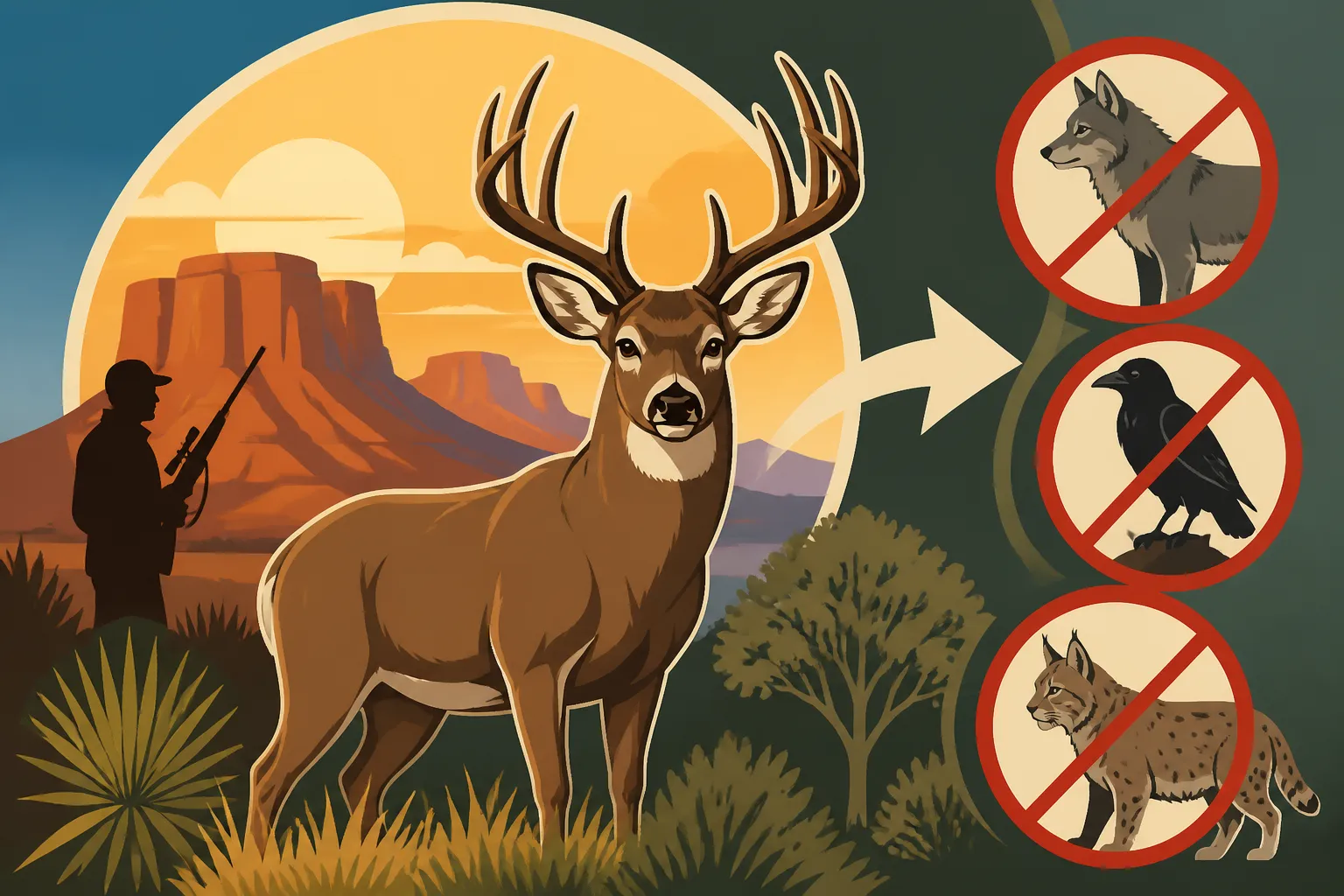
New Mexico is home to several significant deer predators. Mountain lions (also known as cougars) are highly efficient ambush hunters, capable of taking down adult deer. Black bears, especially in certain regions and at specific times of the year, can prey on fawns, and coyotes are notorious for preying on young deer. These species have coexisted with deer for millennia, shaping the very evolution of both predator and prey.
When Predator Populations Impact Deer Recovery
While natural predation is a vital part of the ecosystem, there are indeed times when predator populations can become a significant limiting factor for deer recovery. This typically isn't due to predators alone, but rather a perfect storm of environmental stressors that put deer at a disadvantage. Imagine a prolonged drought, much like some of the dry spells we've experienced across the state, which severely reduces forage and water sources. Deer become weaker, less able to escape predators, and their fawn survival rates plummet. In such scenarios, even a stable predator population can exert disproportionate pressure on an already struggling deer herd. You might be interested in How Drought Affects Desert Deer Numbers for more insight into this challenge.
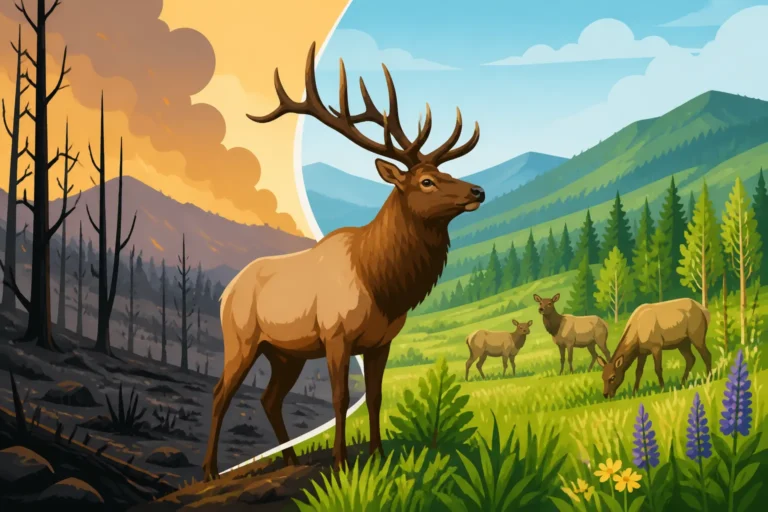
Similarly, events like large-scale wildfires, while eventually beneficial for long-term habitat, can temporarily reduce cover and food, making deer more vulnerable. If you've ever thought about How Wildfire Changes Gila Elk Habitat, you know that these events can drastically alter the landscape. When habitat quality declines, deer become concentrated in smaller areas, or are forced into less secure terrain, making them easier targets. It’s in these fragile conditions that predator numbers can tip the balance, hindering a deer population's ability to bounce back.
New Mexico's Approach to Predator Management
Given these complex dynamics, New Mexico doesn't just sit back and hope for the best. The state's Game and Fish Department employs various strategies to manage predator populations, aiming to strike a balance that supports healthy ecosystems while also allowing prey species like deer to thrive. It’s a challenging job, requiring constant monitoring and adaptability.
Regulated Hunting and Trapping as Management Tools
One of the primary tools in New Mexico's predator management toolbox is regulated hunting and trapping. These activities are not just for sport; they are integral parts of a larger conservation strategy. For species like mountain lions and black bears, the state sets specific hunting seasons, harvest quotas, and unit-specific rules designed to manage their numbers. These regulations are based on scientific data, population surveys, and habitat assessments to ensure sustainable management. For instance, understanding New Mexico Cougar Zones and Limits or the details of New Mexico Black Bear Density Runs Highest shows how targeted these efforts can be.
Hunters, guided by these regulations, play a direct role in keeping predator populations in check where necessary. Trapping, particularly for coyotes and other furbearers, is another mechanism used to reduce localized predator pressure. These activities are carefully monitored, and changes to season dates, bag limits, or allowed methods are made as biological data and herd health necessitate. For hunters looking to understand these regulations, resources like GoHunt can be incredibly helpful for accessing up-to-date information on specific units and species.
Targeted Interventions and Research
Beyond general hunting seasons, New Mexico may also employ more targeted interventions in specific situations where deer populations are critically low, and scientific evidence strongly suggests that predation is a primary limiting factor. These interventions might involve focused efforts to reduce predator numbers in a particular area for a limited time, often coupled with intensive monitoring to assess the impact on deer recovery. Such measures are typically data-driven and aim for precise outcomes rather than broad, indiscriminate control.
Research is a continuous and vital component of predator management. Wildlife biologists constantly study predator-prey relationships, track population movements, and analyze survival rates of deer fawns to understand exactly what's happening on the ground. This scientific understanding helps inform policy decisions, ensuring that management strategies are effective and ecologically sound. For example, tracking Why Fawn Ratios Predict Next Season provides crucial data on how well deer are reproducing and if young deer are surviving past their most vulnerable stages, offering clues about predator impact. These research efforts help fine-tune management plans, sometimes leading to adjustments in hunting regulations or the implementation of other conservation initiatives.
The Role of Habitat and Other Factors in Deer Recovery
It's crucial to understand that predator management, while important, is only one facet of the complex diamond that is deer recovery. You can manage predators perfectly, but if the foundational needs of deer aren't met, herd numbers will still struggle to rebound. Habitat, disease, and environmental conditions often play an even more significant role in the long-term health and abundance of deer populations.
Habitat Quality as a Foundation for Deer Health
Imagine trying to raise a family in a house with no food, no shelter, and no clean water. It wouldn't go well, right? The same applies to deer. Healthy, abundant habitat provides the food, water, and cover that deer need to not only survive but thrive. Good forage ensures deer are healthy and strong, better able to evade predators and survive harsh winters. Ample cover, whether it’s dense thickets or rugged terrain, provides sanctuary for does to fawn and for deer of all ages to escape detection. Access to reliable water sources, especially in New Mexico's often arid landscapes, is non-negotiable. Projects focused on Water Development Projects Built for Wildlife are absolutely vital in this regard, especially in desert units.
When habitat is degraded—perhaps by urban sprawl, invasive species, or overgrazing—deer populations suffer, regardless of predator numbers. Strong, well-nourished deer are more resilient to predation. They can outrun, outmaneuver, and even fight off some threats better than weak, underfed individuals. Therefore, habitat conservation, restoration, and active management are arguably the most critical components of any successful deer recovery strategy.
Other Limiting Factors Beyond Predation
Beyond habitat, numerous other factors can limit deer populations. Disease, for instance, can decimate a herd faster than any predator. Chronic Wasting Disease (CWD) is a persistent concern, and understanding How Chronic Wasting Disease Testing Works and its spread is a constant effort by wildlife agencies. Severe weather events, like exceptionally harsh winters with deep snow or extreme summer droughts, can lead to widespread mortality. These natural events can be particularly devastating when deer are already stressed by other factors.
Human-related impacts also play a role. Vehicle collisions account for a significant number of deer deaths each year. Urban and exurban development encroaches on traditional deer habitat, reducing available land and increasing human-wildlife conflicts. While these factors might not be as dramatic as a lion taking down a buck, their cumulative effect can be substantial. Understanding these interconnected challenges underscores why deer recovery is rarely a simple fix but rather a multifaceted, long-term endeavor.
How Hunters Can Contribute to Deer Recovery Efforts
Hunters are often among the most passionate conservationists, and their involvement is absolutely critical for successful deer recovery efforts in New Mexico. From ethical practices in the field to supporting vital conservation programs, hunters play a direct and meaningful role.
Ethical Hunting and Reporting Practices
One of the most direct ways hunters contribute is by adhering strictly to ethical hunting practices and all state regulations. This means understanding and respecting season dates, bag limits, and legal methods of take. It also means making clean, ethical shots and diligently recovering every animal harvested. Mandatory harvest reporting, like Mandatory Reporting After a New Mexico Harvest, is not just a bureaucratic hoop to jump through; it provides critical data for wildlife biologists. This data helps state agencies accurately assess population numbers, harvest success rates, and monitor trends, which in turn informs future management decisions, including those related to predator control. Without accurate data from hunters, the picture of deer health becomes blurry, making effective management much harder.
Supporting Conservation Initiatives and Data Collection
Beyond individual hunting practices, hunters can make a broader impact by supporting conservation organizations and initiatives that work to improve habitat, conduct research, and advocate for sound wildlife management policies. Financial contributions through license and tag fees are a primary source of funding for state wildlife agencies, directly supporting predator management, habitat projects, and disease monitoring.
Hunters can also be crucial eyes and ears in the field, reporting unusual sightings, sick animals, or significant changes in deer behavior to game and fish officials. Using modern scouting tools and staying informed through platforms like GoHunt can help hunters understand current conditions and contribute to citizen science efforts. For example, knowing where to find and understand the results of surveys on New Mexico Population Management Hunts can provide context to herd health. The more informed and engaged the hunting community is, the more effectively New Mexico can manage its wildlife, ensuring robust deer populations for generations to come. GoHunt can be a great resource for hunters looking to dive deep into unit-specific data, draw odds, and even historical harvest reports, which all contribute to a better understanding of the ecosystem.
Here's a look at how different management tools factor into the recovery picture:
| Management Tool | Primary Objective | Direct Impact on Deer Recovery | Complementary Factors |
|---|---|---|---|
| Regulated Predator Hunts | Control predator populations, reduce localized pressure | Reduces immediate predation pressure, increases fawn survival | Habitat quality, deer health, weather conditions |
| Habitat Restoration | Improve food, water, and cover for deer | Increases deer health, resilience, and carrying capacity | Predator levels, disease prevalence, climate stability |
| Disease Monitoring/Control | Prevent and manage disease outbreaks | Reduces mortality from illness, maintains herd health | Predator levels (weakened deer are more vulnerable) |
| Research & Population Surveys | Understand wildlife dynamics, inform decisions | Provides data for effective, adaptive management | All other factors; ensures actions are scientifically sound |
| Hunter Participation | Data collection, funding, ethical harvest | Supports agency efforts, provides crucial data | Public support, legislative actions, habitat protection |
Disclaimer
This article is for general informational purposes only and does not constitute professional advice. Laws, prices and regulations vary by location and change over time. Consult a qualified professional for guidance on your specific situation.