New Mexico Bighorn Recovery
Getting a bighorn sheep tag in New Mexico feels like winning the lottery, and for good reason—these magnificent animals are one of North America's most challenging and sought-after big game species. But what many don't realize is that just a few decades ago, bighorns were on the brink of vanishing from the Land of Enchantment entirely. This guide will delve deep into the remarkable journey of New Mexico's bighorn recovery, detailing the historical challenges, the tireless conservation efforts, and the critical role hunters play in ensuring their future.
The Historical Plight of New Mexico's Bighorn Sheep
It’s easy to look at a majestic bighorn ram perched on a New Mexico cliff face today and assume they’ve always been a vibrant part of the landscape. The reality, however, is far more sobering. These iconic symbols of the American West once roamed New Mexico in impressive numbers, their keen eyes and agile hooves perfectly adapted to the rugged terrain. Indigenous peoples revered them, and early explorers noted their abundance across various mountain ranges.
From Abundance to Near Extinction
Before widespread European settlement, historical accounts and archaeological evidence suggest bighorn sheep populations were robust, especially in the southern desert ranges and the higher elevations of the north. They were a consistent presence, a testament to the wildness and health of New Mexico's ecosystems. However, with the arrival of settlers, prospectors, and ranchers in the 19th and early 20th centuries, a cascade of devastating factors began to unravel their existence. Unregulated market hunting, driven by the need for sustenance and the burgeoning meat markets, took an unsustainable toll on herds. Simultaneously, diseases introduced by domestic livestock, particularly pneumonia from domestic sheep, proved catastrophic for bighorn, which lacked natural immunities. Their populations, once thriving, plummeted at an alarming rate.
The Vanishing Herds and Early Conservation Attempts
By the mid-20th century, the situation for bighorn sheep in New Mexico was dire. The Rocky Mountain bighorn, which historically ranged in the northern mountains, was completely extirpated, meaning they were wiped out from the state. The Desert bighorn, though still present in a few isolated pockets in the southern part of the state, was clinging to survival by a thread. Entire mountain ranges that once echoed with the clash of horns stood silent. Realizing the gravity of the situation, early conservationists and state wildlife agencies began to take notice, but resources were scarce, and the task at hand seemed insurmountable. These initial efforts, though often limited in scope and funding, laid the groundwork for the more organized and scientifically driven recovery programs that would eventually follow. It was a stark reminder that even the most resilient species can be pushed to the brink without careful stewardship.
Understanding New Mexico's Bighorn Subspecies
New Mexico is unique in that it is home to two distinct subspecies of bighorn sheep, each perfectly adapted to its specific environment. Understanding these differences is crucial to appreciating the state’s recovery efforts and the diverse habitats they now occupy.
Desert Bighorn: Resilience in Arid Lands
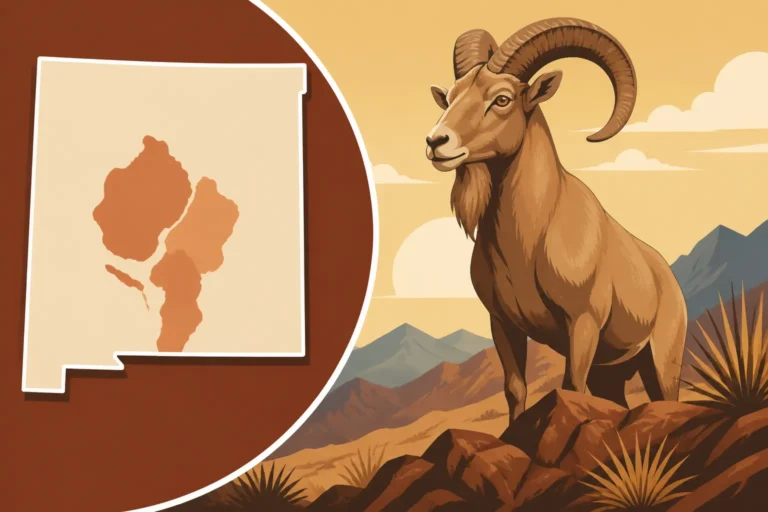
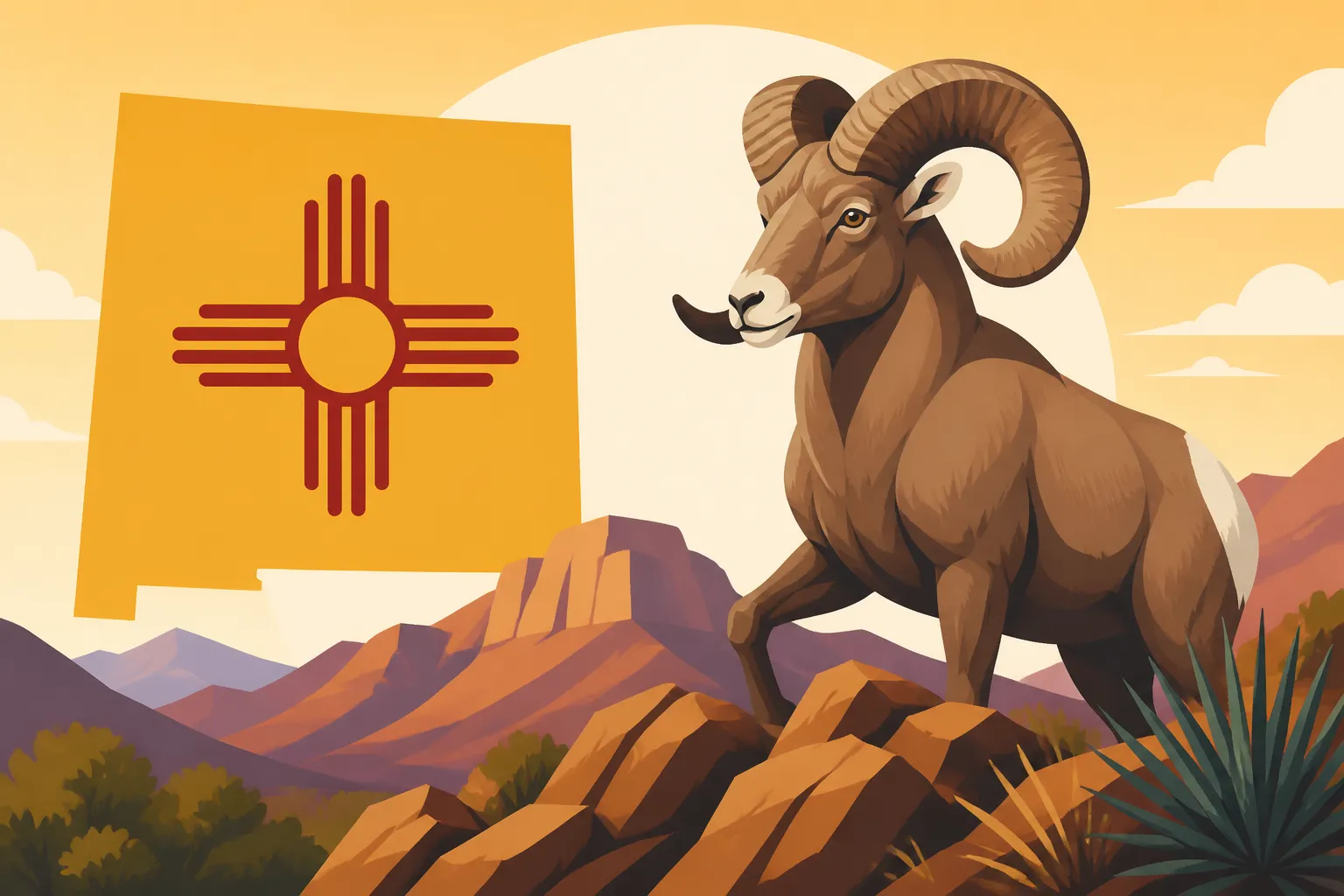
The Desert bighorn (Ovis canadensis nelsoni), as its name suggests, is a master of survival in some of New Mexico's most unforgiving landscapes. These incredible animals inhabit the rugged, arid mountain ranges of southern New Mexico, such as the Hatchet Mountains, the Peloncillo Mountains, and the Fra Cristobal range. They thrive in environments characterized by extreme heat, limited water, and sparse vegetation, demonstrating an astonishing ability to conserve water and navigate treacherous, rocky slopes with ease. Their coats are typically lighter in color, ranging from a tan to a brownish-grey, which helps them blend into the sun-baked desert terrain. Males, or rams, can grow impressive horns that curl back and then up, forming a tight spiral that can be quite heavy and massive. If you're looking to understand these incredible animals better, learning about where Desert Bighorn in New Mexico Ranges provides invaluable insight.
Rocky Mountain Bighorn: High-Altitude Specialists
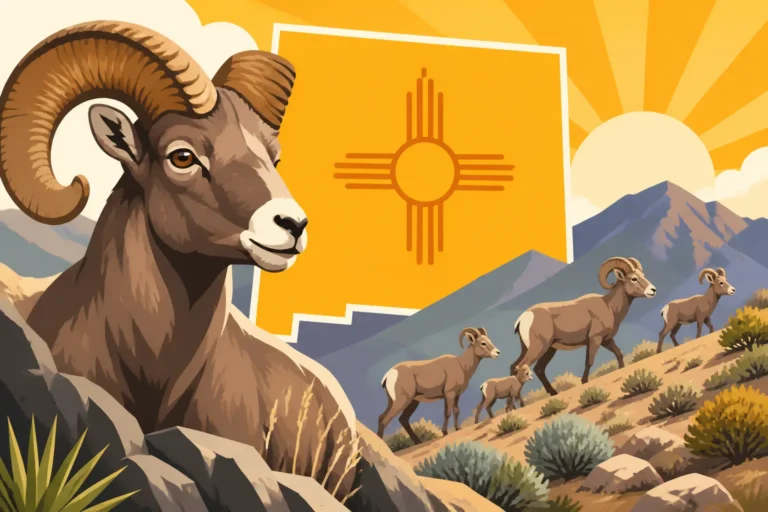
In stark contrast to their desert cousins, the Rocky Mountain bighorn (Ovis canadensis canadensis) are creatures of the high country. These bighorns prefer the cooler, timbered, and alpine environments of northern New Mexico, making their home in ranges like the Pecos Wilderness and parts of the Sangre de Cristo Mountains. They are larger and generally darker in color than Desert bighorns, often sporting a rich brown coat that provides camouflage against the pines and granite of their mountainous domain. Their horns, while still massive, tend to have a wider, more open curl compared to the Desert bighorn. These high-elevation strongholds offer different challenges, including deep snows and colder temperatures, which the Rocky Mountain bighorn are perfectly equipped to handle. Exploring Rocky Mountain Bighorn in the North can give you a better grasp of their specific needs and habitats.
Key Differences and Habitat Preferences
While both are impressive species of bighorn, their habitat preferences dictate much of their physical and behavioral adaptations. Desert bighorns are often found near permanent water sources in their harsh environments, but they can go longer without water than many animals, relying on succulent plants for hydration. They utilize steep, broken terrain for escape from predators and for bedding, often venturing into lower elevations to feed. Rocky Mountain bighorns, on the other hand, are adapted to colder climates and more abundant water sources in their northern ranges. They often graze in open mountain meadows and utilize rocky outcrops for security and vantage points. The distinction between these two subspecies underscores the ecological diversity of New Mexico and highlights the unique challenges and triumphs in their respective recovery journeys. Understanding these nuanced differences is essential for effective conservation strategies tailored to each subspecies.
| Feature | Desert Bighorn Sheep (Ovis canadensis nelsoni) | Rocky Mountain Bighorn Sheep (Ovis canadensis canadensis) |
|---|---|---|
| Primary Habitat | Arid, rocky desert mountains (Southern NM) | High-elevation mountains, alpine, timbered (Northern NM) |
| Coat Color | Lighter tan to brownish-grey | Darker brown |
| Body Size | Smaller and more compact | Larger, more robust |
| Horn Shape (Rams) | Tighter, more inward curling spiral | Wider, more open curl |
| Water Reliance | Highly adapted to arid conditions, can go longer | More consistent access to water, less arid adaptation |
| Vegetation | Sparse desert shrubs, grasses | Mountain grasses, forbs, some browse |
The Pillars of Bighorn Recovery in New Mexico
The incredible comeback of bighorn sheep in New Mexico isn't a stroke of luck; it's the result of decades of strategic, painstaking work by the New Mexico Department of Game and Fish (NMDGF), tribal nations, and numerous conservation partners. These efforts have focused on several key areas, creating a multi-faceted approach to restoring these magnificent animals to their ancestral ranges.
Strategic Translocations and Reintroductions
One of the most critical components of bighorn recovery has been the systematic process of translocating animals from thriving source herds to suitable, unoccupied historical ranges. This is a complex undertaking, involving careful selection of animals, veterinary checks, precise capture techniques, and often helicopter transport to new release sites. For Rocky Mountain bighorn, this meant bringing animals from other states like Colorado and establishing new herds in areas like the Pecos Wilderness and the Wheeler Peak area. For Desert bighorn, animals from healthier New Mexico herds or from neighboring states have been moved to reinforce existing populations or establish new ones in ranges like the Fra Cristobal, Little Hatchet, and San Andres Mountains. These efforts are not just about moving sheep; they are about carefully re-establishing genetic diversity and viable populations in habitats where they can thrive, a true testament to the dedication behind New Mexico Bighorn Recovery.
Habitat Enhancement and Water Source Development
Even with sheep in place, if the habitat isn't up to par, recovery won't succeed. A significant aspect of the recovery program involves assessing and improving bighorn habitat. For Desert bighorn, this often means developing and maintaining crucial water sources in arid environments. Water catchments, guzzlers, and other artificial water developments are strategically placed to ensure bighorns have access to this life-sustaining resource, particularly during drought conditions. You can read more about how Water Development Projects Built for Wildlife play a crucial role across the state. For both subspecies, habitat improvement can also involve prescribed burns to enhance forage quality, remove encroaching vegetation, and restore open vistas vital for their survival and predator detection. These initiatives are carefully planned to ensure they align with the bighorns' specific ecological needs, making the landscape more hospitable for growth and expansion.
Proactive Disease Management and Research
The devastating impact of disease, particularly pneumonia, was a primary factor in the historical decline of bighorn sheep. Therefore, a cornerstone of New Mexico's recovery efforts has been rigorous disease management and ongoing research. Biologists regularly monitor bighorn herds for signs of illness, conducting health assessments and testing when necessary. A key challenge is mitigating the risk of disease transmission from domestic sheep and goats, which carry pathogens that can be lethal to bighorns. This often involves maintaining buffer zones between wild and domestic herds and working with private landowners. Research into bighorn genetics, disease resistance, and population dynamics further informs management decisions, helping the NMDGF adapt its strategies to ensure herd health and resilience. This proactive approach is vital, preventing historical mistakes from being repeated and safeguarding against future outbreaks.
Ongoing Challenges and Threats to Bighorn Success
Despite the remarkable progress, the journey to full bighorn recovery in New Mexico is far from over. These magnificent animals continue to face a gauntlet of challenges that require constant vigilance and adaptive management strategies.
The Ever-Present Threat of Disease Transmission
Even with dedicated disease management protocols, the specter of disease transmission remains perhaps the most significant threat to bighorn populations. Domestic sheep and goats, which carry pathogens like Mycoplasma ovipneumoniae (M.ovi), can easily transmit these diseases to wild bighorn sheep. While domestic animals often show no symptoms, bighorns can suffer severe respiratory illnesses, including pneumonia, which can lead to mass die-offs and long-term reproductive failure within a herd. A single interaction between a domestic and a wild sheep can decimate a bighorn herd. Preventing contact between these groups is a monumental task, especially in areas where private lands border public bighorn habitat. This ongoing challenge necessitates careful planning, public education, and collaboration with ranchers to ensure the hard-won gains in bighorn numbers aren't undone by a single, tragic disease event. It's a complex issue, similar to how agencies approach How Chronic Wasting Disease Testing Works for deer and elk, requiring constant monitoring and intervention.
Habitat Fragmentation and Human-Wildlife Conflicts
As human populations expand, so too does development and infrastructure, leading to habitat fragmentation. Roads, fences, towns, and energy development can break up traditional bighorn ranges, isolating herds and restricting their movement to critical resources like water and forage. This fragmentation also makes natural expansion difficult, forcing bighorns into smaller, less resilient populations. Human activities, such as recreational use in prime bighorn habitat, can also lead to disturbance, altering their behavior and stress levels. Furthermore, competition for forage with other ungulates, both wild and domestic, can become an issue in certain areas. Balancing the needs of a growing human population with the space and solitude required by bighorn sheep is a constant management challenge, requiring careful land-use planning and education initiatives.
Predator Dynamics and Climate Change Impacts
While natural predation by mountain lions and coyotes is a normal part of any ecosystem, an imbalance can sometimes pose a threat to recovering bighorn populations, especially smaller, newly established herds. Agencies often monitor predator numbers in critical bighorn areas and may implement targeted management actions if predation rates become unsustainable. Beyond immediate predator threats, the overarching challenge of climate change looms large. Shifting weather patterns, prolonged droughts, and increased frequency of extreme heat events directly impact the availability of water and forage, particularly for Desert bighorn. These changes can stress animals, making them more susceptible to disease and reducing reproductive success. Managing Predator Management and Deer Recovery is a concept that applies across many species, and for bighorn, it's about maintaining a healthy balance within a changing environment. These long-term environmental shifts demand adaptive management strategies that consider future conditions, not just current ones.
The Hunter's Role in Bighorn Conservation
For many, the idea of hunting bighorn sheep evokes images of pristine wilderness and a deeply challenging pursuit. What often gets overlooked, however, is the absolutely critical role that hunters play in the funding and continued success of bighorn conservation efforts in New Mexico and across the West.
High-Value Tags and Funding Conservation Efforts
New Mexico bighorn sheep tags are among the most difficult to draw, and for good reason—they are incredibly rare and highly prized. However, the financial contribution from these tags is substantial. The fees associated with applying for and purchasing a bighorn tag, particularly the non-resident costs, funnel significant funds directly into wildlife management and conservation programs. These funds are vital, supporting everything from habitat improvement projects and water development to disease research, translocations, and ongoing monitoring of bighorn herds. Hunters are, in essence, directly investing in the future of the very animals they seek to pursue. Without the financial backing provided by hunting licenses and tags, many of the successful recovery initiatives we see today simply would not be possible. It's a clear example of how The HMAV and Habitat Stamp Every New Mexico Hunter Needs contributes to the broader conservation picture.
Ethical Harvest and Ram Curl Regulations
Hunting bighorn sheep in New Mexico is strictly regulated to ensure ethical harvest and to contribute positively to herd health. One of the primary regulations revolves around "ram curl," requiring hunters to only harvest mature rams with horns that meet specific criteria, often a 3/4 curl or full curl. This regulation is designed to ensure that younger rams have the opportunity to mature and contribute to the breeding population, while older, post-reproductive rams are available for harvest. This selective harvest strategy helps maintain a healthy age structure within the herd, preventing over-competition among younger males and allowing the most robust genetics to continue. Guides and hunters alike take great pride in adhering to these ethical standards, understanding that their pursuit is not just about the trophy, but about responsible wildlife management. This also makes Ram Curl Requirements New Mexico Enforces a critical piece of hunting knowledge.
Navigating the New Mexico Bighorn Draw
Drawing a bighorn tag in New Mexico is a long shot for most, but the dream keeps many hunters applying year after year. The draw system is fair, offering everyone, including first-time applicants, an equal chance, as New Mexico does not use a preference point system. However, the sheer number of applicants for a handful of tags means success rates are incredibly low. This is where resources like GoHunt become invaluable. Hunters often spend countless hours researching units, historical draw odds, and herd data to maximize their chances. Using platforms like GoHunt helps applicants analyze New Mexico Bighorn Sheep Draw Odds and make informed choices when filling out their applications. Understanding Reading a New Mexico Hunt Code Before You Apply is also essential for correctly navigating the choices. While the odds are stacked, the opportunity to participate in a hunt that directly supports such a successful conservation story makes the annual application a ritual for many dedicated hunters.
A Look to the Future: Sustaining New Mexico's Bighorn Herds
The bighorn recovery story in New Mexico is undeniably a conservation success, but the work is far from finished. Sustaining these magnificent animals for future generations requires ongoing commitment, adaptive management, and the continued support of all stakeholders.
Current Population Status and Expansion
Today, New Mexico boasts healthy and growing populations of both Desert and Rocky Mountain bighorn sheep. Through concerted efforts of translocations, habitat work, and disease management, herds have been re-established in many of their historical ranges. The populations have rebounded from near extirpation to numbers that allow for limited, highly sought-after hunting opportunities. This expansion isn't just about more sheep; it's about creating robust, genetically diverse herds that are resilient to environmental fluctuations and disease. The success stories can be seen across the state, from the rugged ranges near Silver City where Desert bighorns thrive, to the high peaks north of Taos where Rocky Mountain bighorns roam. This positive trend demonstrates the effectiveness of sustained conservation efforts and is a huge win for New Mexico's wildlife. To further understand these numbers, checking Where New Mexico Publishes Harvest Data can provide insights into herd health and growth.
Collaborative Management and Public Involvement
The continued success of bighorn recovery hinges on collaborative management, involving state agencies, federal partners like the Bureau of Land Management (BLM) and the Forest Service, tribal nations, private landowners, and conservation organizations. Effective management plans are developed through extensive research, monitoring, and input from various groups. Public involvement, through forums, volunteer opportunities, and adherence to regulations, is also paramount. Educating the public about bighorn ecology, the threats they face, and the importance of minimizing human disturbance in their habitats ensures a broader base of support for conservation. Organizations like the Wild Sheep Foundation also play a crucial role in advocating for bighorn and raising funds for specific projects. The shared vision of healthy bighorn populations unites these diverse groups, fostering a collective responsibility for their future. Understanding Reading a Herd Unit Management Plan provides insight into how these collaborations translate into actionable strategies.
The Long-Term Vision for Bighorn in New Mexico
The long-term vision for bighorn sheep in New Mexico is one of continued growth, resilience, and expansion into all suitable historical habitats. This involves ongoing monitoring of herd health, population dynamics, and genetic viability using techniques similar to How Biologists Count a Desert Big Game Herd. It means staying ahead of emerging threats like new diseases or the accelerating impacts of climate change. It also includes identifying new areas for potential reintroduction, where habitat is optimal and human-wildlife conflicts can be minimized. The goal is not just to maintain current numbers, but to ensure that bighorn sheep populations are self-sustaining, vibrant, and a permanent fixture in the Land of Enchantment's wild places. For hunters, this means the continuation of a legacy, knowing that their contributions help ensure the opportunity to pursue these majestic animals for generations to come, a testament to the power of dedicated conservation. GoHunt, among other resources, will continue to track these herds and provide data for those interested in their long-term health.
Disclaimer
The information provided in this guide is for general informational purposes only and is not intended as legal advice. Hunting regulations and requirements in New Mexico can change frequently. Always consult the most current New Mexico Department of Game and Fish regulations booklet and official sources before planning any hunting trip or making any decisions related to hunting or wildlife management.