Desert Bighorn in New Mexico Ranges
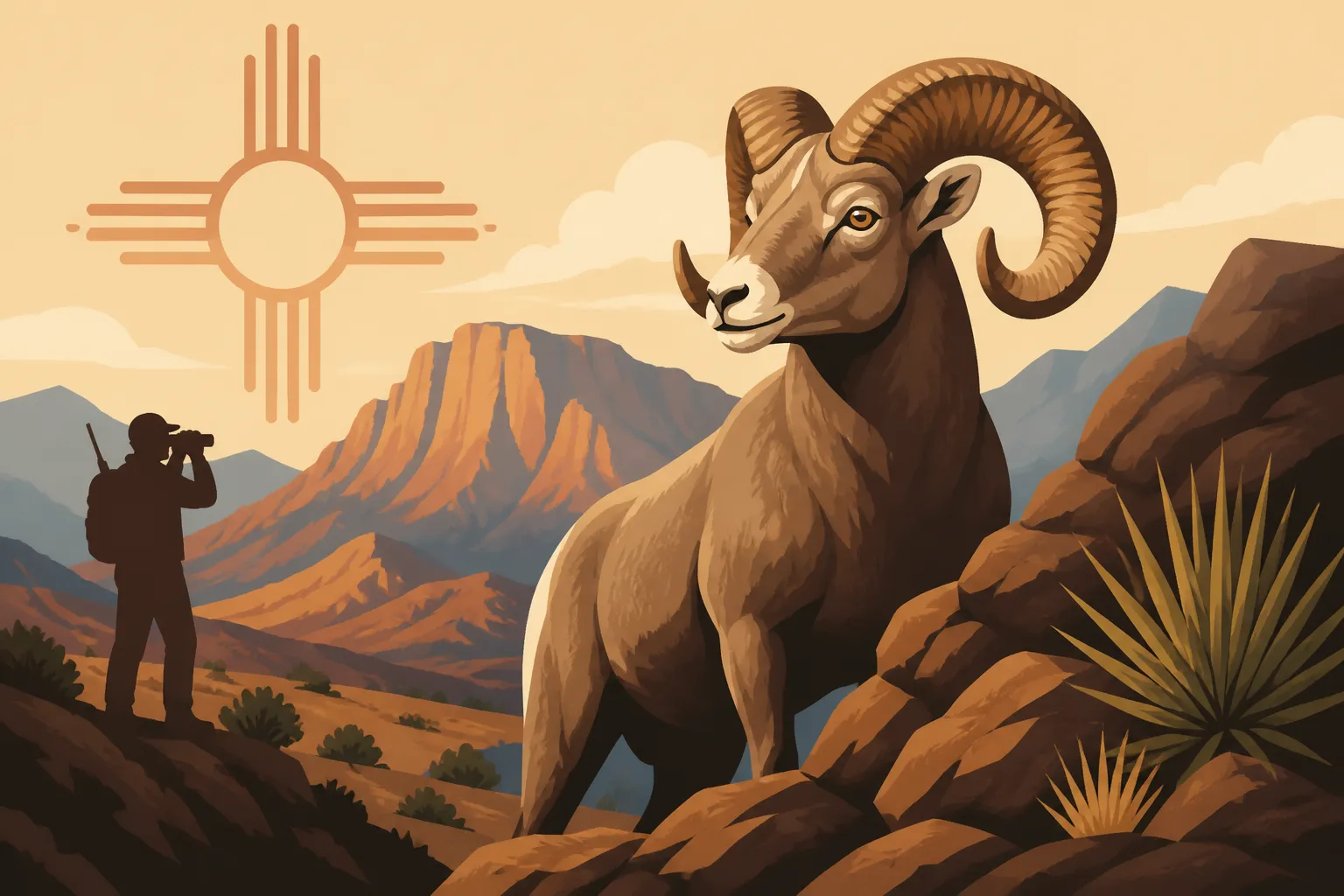
Heading into New Mexico's rugged, unforgiving mountain ranges, you quickly realize that pursuing desert bighorn sheep is a challenge unlike any other. This isn't just a hunt; it's a test of physical endurance, mental fortitude, and an understanding of an animal that calls some of the harshest landscapes home. If you've ever dreamt of experiencing this incredible pursuit, or simply want to understand the majesty of these incredible creatures, this guide will walk you through everything from their history and habitat to the rare opportunity of drawing a tag and the tactics required for success.
The Storied Past and Present of New Mexico's Desert Bighorn
The story of desert bighorn sheep in New Mexico is a powerful testament to both their resilience and the dedicated efforts of wildlife conservationists. These magnificent animals, once abundant across the state's rugged southern ranges, faced a dramatic decline that brought them to the brink. Today, thanks to tireless work, their populations are slowly but surely making a comeback, painting a hopeful picture for the future.
Tracing the Decline of Native Herds
Imagine New Mexico centuries ago, before extensive settlement. Bighorn sheep, both the desert and Rocky Mountain subspecies, roamed freely, their cloven hooves perfectly adapted to the steep, rocky terrain. They were a vital part of the ecosystem, thriving in numbers that would be astonishing to see today. However, the arrival of European settlers brought profound changes to the landscape and the wildlife within it. The introduction of domestic livestock, particularly domestic sheep, proved to be a catastrophic turning point for bighorn.
Domestic sheep carried diseases like pasteurellosis, for which wild bighorn had no natural immunity. When wild herds encountered domestic flocks, even briefly, the transmission rates were devastating, wiping out entire bighorn populations with alarming speed. On top of disease, unchecked market hunting in the late 19th and early 20th centuries, coupled with habitat encroachment and fragmentation, pushed the desert bighorn to near extinction in New Mexico. By the mid-20th century, only a handful of fragmented, struggling herds remained, primarily isolated in remote, impenetrable areas. It was a bleak time, with many fearing these iconic animals would vanish from the state forever.
Decades of Dedicated Reintroduction Efforts
Recognizing the dire situation, the New Mexico Department of Game and Fish (NMDGF), along with various conservation partners, embarked on an ambitious journey to bring desert bighorn back. This wasn't a quick fix; it involved decades of painstaking effort, often with heartbreaking setbacks. The first modern reintroduction efforts began in the 1950s, but it was in the late 1970s and 1980s that more substantial programs took root.
One of the most significant successes has been in the San Andres Mountains, where the population has flourished thanks to sustained management. Bighorn were carefully trapped from healthy herds in other states, primarily Arizona, and transplanted into suitable, protected habitats in New Mexico. These initial transplants were incredibly delicate operations, with biologists working tirelessly to ensure the animals' survival in their new homes. Over the years, continued translocations have helped establish or augment populations in other key ranges, including the Peloncillo Mountains, the Ladron Peak area, the Fra Cristobal Mountains, and the Caballos. Each reintroduction project comes with its own set of challenges, from capturing and transporting the animals safely to mitigating disease risks and ensuring adequate habitat. These efforts highlight a commitment to New Mexico Bighorn Recovery, a truly inspiring story for anyone passionate about wildlife.
Prime Habitats: Where Desert Bighorn Roam in New Mexico
When you think of "desert," you might picture flat, sandy plains. But New Mexico's desert bighorn live in anything but. Their chosen domains are some of the most dramatic and rugged landscapes in the state, offering both the essential resources for survival and the crucial escape terrain they need.
Iconic Mountain Ranges and Their Bighorn Populations
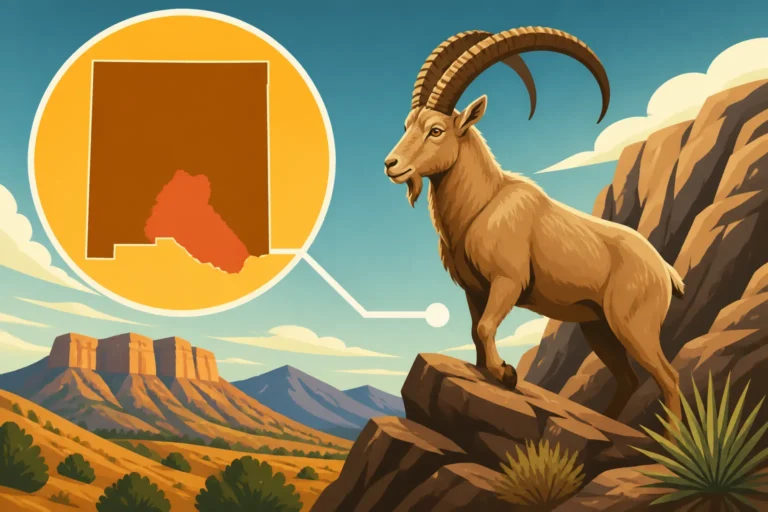
New Mexico's desert bighorn populations are concentrated in a few key mountain ranges, each presenting its own unique character and challenges. The San Andres Mountains stand out as the stronghold for desert bighorn in New Mexico. This range, primarily within the confines of White Sands Missile Range, offers vast, undisturbed habitat and critical escape terrain. The controlled access on the military range has, in a paradoxical way, provided a sanctuary, limiting human disturbance and allowing the herd to thrive. Hunting opportunities here are extremely limited and highly coveted, making it one of the most exclusive tags in the state.
Beyond the San Andres, you'll find smaller, but equally important, populations in the Peloncillo Mountains in the southwestern corner of the state, bordering Arizona. These mountains are characterized by steep, broken canyons and rocky outcrops. The Ladron Peak area, near the Rio Grande, also hosts a growing herd, as do the Fra Cristobal and Caballo Mountains in the south-central part of the state. These ranges, while sometimes smaller in scale than the San Andres, are crucial for expanding the bighorn's range and ensuring genetic diversity across the state. Each of these areas provides the necessary ingredients: steep, rocky slopes for escape, scattered water sources, and diverse vegetation for forage.
Understanding the Unique Desert Environment
The life of a desert bighorn is intrinsically linked to the harsh, arid environment it inhabits. Unlike their Rocky Mountain cousins, these bighorn thrive in incredibly hot, dry conditions, where water can be scarce for extended periods. Their survival hinges on their ability to navigate and exploit this challenging landscape. They gravitate towards steep, rocky, precipitous terrain – the kind of places that would give most humans pause. This "escape terrain" is their primary defense mechanism against predators like mountain lions and coyotes, allowing them to quickly ascend to safety where larger predators cannot follow.
Water sources, even small seeps or temporary pools, become vital focal points, especially during the scorching summer months. You'll often find bighorn trails leading directly to these precious resources. The vegetation in these areas is typically sparse, consisting of hardy grasses, desert shrubs, and various forbs that can withstand drought conditions. These animals are incredibly efficient at extracting moisture from their diet, and their physiology is finely tuned to conserve water, allowing them to go for longer periods without a direct drink than many other desert dwellers. Understanding these intricate environmental dependencies is key to locating and appreciating these elusive animals.
The Intricacies of Desert Bighorn Behavior and Survival
Desert bighorn sheep are masterpieces of adaptation, creatures perfectly sculpted by the extreme environments they inhabit. Observing their behaviors reveals a fascinating blueprint for survival in some of the most challenging landscapes.
Adapting to Arid Landscapes
One of the most remarkable aspects of desert bighorn is their physiological ability to thrive where many other large mammals would perish. They possess specialized kidneys that can concentrate urine, allowing them to conserve precious water. They can also tolerate significant fluctuations in body temperature, which helps them survive the intense heat of New Mexico's summer days. Their internal thermostat is finely tuned to cope with desert extremes.
Their social structure is also a clever adaptation. Rams often form bachelor groups, sometimes quite large, that roam independently of the ewe and lamb bands. These ram groups are typically found in more exposed, higher elevation areas, constantly testing their dominance. Ewes, lambs, and younger rams, on the other hand, form smaller, more cohesive groups that stick closer to water sources and more secure escape terrain, particularly when lambs are young and vulnerable. Their daily routine is largely dictated by temperature and water availability; they'll often feed during the cooler morning and late afternoon hours, bedding down in shaded, defensible positions during the midday heat. It’s a rhythmic existence, a constant dance with the sun and the rocks.
Mastering Their Environment: Evasion and Foraging
To truly appreciate desert bighorn, you need to understand their "home field advantage" in the mountains. They are masters of evasion, utilizing their incredible agility and keen senses to avoid detection and escape danger. Their eyesight is legendary, rivaling that of any raptor, allowing them to spot potential threats from astonishing distances. When startled, they can scramble up sheer rock faces with breathtaking speed and confidence, vanishing into the broken terrain in seconds. This inherent ability makes them an incredibly challenging animal to pursue, demanding patience and a careful approach from any hunter.
Their diet is varied but adapted to the sparse resources of their habitat. They are primarily grazers and browsers, consuming a wide array of grasses, forbs (flowering plants), and the tender shoots of desert shrubs. While they are opportunistic feeders, they are also selective, seeking out the most nutritious plants available, often influenced by seasonal rains that bring new growth. During dry periods, they might even consume cacti for moisture. You'll often find them grazing on sunny slopes in the cooler months, moving to shadier, higher elevations as temperatures rise. Understanding these patterns, combined with knowledge of Reading a New Mexico Hunt Code Before You Apply and terrain, is crucial for anyone hoping to even catch a glimpse.
Pursuing a Desert Bighorn: The Ultimate New Mexico Challenge
Drawing a New Mexico desert bighorn tag is, for many, the pinnacle of Western hunting. It's a once-in-a-lifetime opportunity that few are ever granted, demanding not just luck in the draw but an unwavering commitment to preparation.
Navigating the Application and Draw Process
Let's be blunt: obtaining a New Mexico desert bighorn tag is incredibly difficult. These are among the rarest tags in North America, often with success rates measured in fractions of a percent. New Mexico doesn't operate on a preference point system, meaning every applicant, from first-timers to those who have applied for decades, theoretically has an equal chance in the draw each year. This is a double-edged sword; it means you're never "building" toward a guaranteed tag, but it also means that lightning could strike on your very first application. You can explore the intricacies of New Mexico Draw Odds Do Not Improve With Time to get a better grasp of the system.
The application period typically closes in mid-March, and it's absolutely vital to have all your ducks in a row well before that deadline. You'll need a current New Mexico Game Hunting License to apply. Many hopefuls use resources like GoHunt to meticulously research draw odds, historical harvest data, and unit breakdowns for specific bighorn hunts. Tools like their Insider membership offer invaluable insights, helping you understand which limited opportunities might offer the slightly less astronomical odds, or at least help you pick your hunt choices strategically. Given the incredible expense of the non-resident license and application fees, careful research is not just recommended; it's essential. For a non-resident, the tag itself is a significant investment, costing upwards of $1,600, not including the hunting license and application fees. This isn't a casual application; it's a dedicated pursuit.
Essential Tactics for Spot and Stalk Hunting
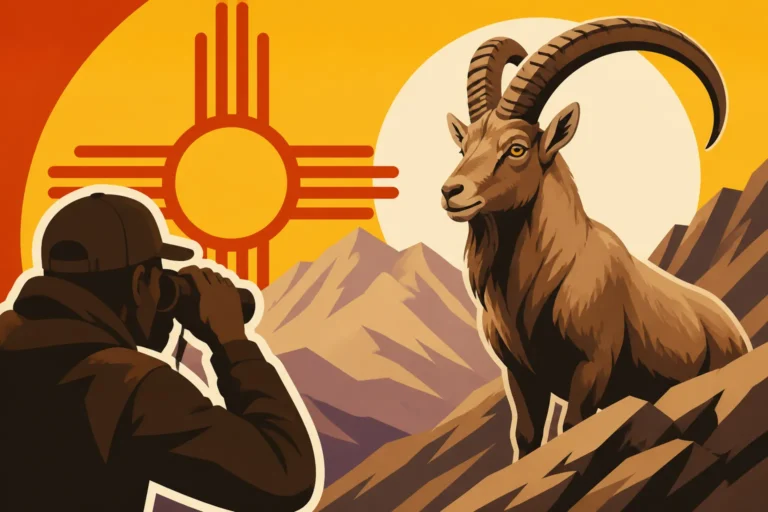
Once you've beaten the odds and drawn a tag, the real work begins. Hunting desert bighorn is almost exclusively a spot-and-stalk affair, conducted in some of the most vertical and unforgiving terrain imaginable. Your primary tools will be high-quality optics. A good pair of 10x or 12x binoculars is essential for covering vast expanses of broken country, but a high-powered spotting scope, like those discussed in Spotting Scope Power for Open Country, becomes critical for discerning sheep from rocks and judging horn size from long distances. For hours on end, you'll be glassing steep hillsides, rocky canyons, and hidden benches. The patience required is immense. Choosing the right Binocular Size That Survives an All-Day Session is also key, as you'll be glued to them.
Once sheep are located, the stalk itself is a monumental undertaking. It often involves navigating treacherous terrain, scrambling up and down steep slopes, and making long, circuitous routes to stay out of sight. You’ll need to be incredibly mindful of the wind, especially in the swirly canyons. Tactics for Reading Wind in a Deep Gila Canyon can be directly applied here, as thermals and cross-currents can easily betray your position. These animals have an uncanny ability to detect movement and sound, so a slow, deliberate, and silent approach is paramount. This isn't a game of speed; it's a game of stealth and meticulous planning, often requiring multiple hours, or even days, to get into a shooting position.
Physical Demands and Gear Considerations
A desert bighorn hunt is not for the faint of heart, or for the out of shape. The physical demands are extreme, testing even the most seasoned mountain hunters. You'll be climbing thousands of vertical feet daily, often in high temperatures, across unstable scree slopes and sharp, unforgiving rock. Preparing your body for this arduous task is non-negotiable; consider reading up on Preparing Physically for a High Elevation Hunt even if you're not at extreme altitudes, as the effort required is similar.
Your gear selection is just as critical as your physical conditioning. Footwear is paramount: you need rugged, supportive boots that can withstand endless miles of rocky abuse while providing superior ankle support. Insights from Choosing Boots for Rocky Desert Ground are highly relevant. Hydration is another major concern. Depending on the season, temperatures can soar, and water sources are few and far between. Carrying sufficient water, and knowing how to resupply if necessary, is vital – consider advice from Water You Must Carry on a Desert Day Hunt. A lightweight pack capable of carrying optics, water, emergency supplies, and potentially meat and a cape is also essential. This is a hunt where every ounce in your pack feels like a pound after a few hours of climbing, so prioritize lightweight, durable, and functional gear. Don't forget a first-aid kit, as help can be a long way off in these remote areas.
| Mountain Range | Primary Bighorn Subspecies | Est. Population Size | Access Notes | Draw Difficulty |
|---|---|---|---|---|
| San Andres Mountains | Desert Bighorn | Largest in NM | White Sands Missile Range (restricted) | Extremely High |
| Peloncillo Mountains | Desert Bighorn | Moderate | Public land (BLM, National Forest) | Very High |
| Ladron Peak | Desert Bighorn | Growing | Public land (BLM, State Trust) | Very High |
| Fra Cristobal Mountains | Desert Bighorn | Small but Stable | Primarily private, some BLM/State Trust | Very High |
| Caballo Mountains | Desert Bighorn | Small | Public land (BLM, State Trust) | Very High |
| Big Hatchet Mountains | Desert Bighorn | Small | Public land (BLM), very remote | Extremely High |
Protecting the Future: Conservation of Desert Bighorn in New Mexico
The journey of the desert bighorn in New Mexico is far from over. Their recovery is a fragile success story that requires ongoing dedication, and thankfully, hunters play a crucial role in securing their future.
Ongoing Management and Research Initiatives
The NMDGF, in collaboration with federal agencies and private organizations, continuously monitors New Mexico's bighorn populations. This involves annual surveys, often conducted by helicopter, to estimate herd sizes, lamb-to-ewe ratios, and overall health. Such efforts help biologists understand How Biologists Count a Desert Big Game Herd. A significant part of management focuses on preventing disease transmission. Biologists meticulously track bighorn movements and work to minimize contact between wild sheep and domestic herds, often through coordinated grazing plans or fencing projects.
Habitat restoration and enhancement are also key. This can involve improving forage quality, developing or maintaining critical water sources, and removing invasive plant species that compete with native vegetation. Efforts like Water Development Projects Built for Wildlife are paramount in arid environments, providing stability during droughts. Research initiatives delve into genetics, disease pathology, and behavioral patterns to refine management strategies and ensure the long-term viability of these unique populations. This scientific, adaptive approach is essential for species recovery in a changing landscape.
The Role of Hunters and Conservation Organizations
It might seem counterintuitive to some, but hunters are, in fact, some of the most dedicated and significant contributors to bighorn conservation. The extremely high cost of a desert bighorn tag, particularly for non-residents, generates substantial revenue. These funds, along with dedicated conservation stamp fees, are directly channeled back into bighorn research, habitat improvement projects, and reintroduction programs. Organizations like the Wild Sheep Foundation also play a monumental role, raising millions of dollars annually through auctions and donations to support bighorn conservation across North America, including in New Mexico.
When a hunter is fortunate enough to draw one of these rare tags, their commitment extends beyond the hunt itself. Hunters are often required to provide biological samples from their harvested animal, contributing valuable data to ongoing research. Furthermore, the ethical harvest of mature rams helps to maintain healthy population dynamics. These efforts, combined with the hard work of agencies and the use of tools like GoHunt for data analysis, demonstrate a powerful partnership that ensures the desert bighorn will continue to roam the craggy peaks and canyons of New Mexico for generations to come. Understanding New Mexico Bighorn Sheep Draw Odds only highlights how much each tag contributes to the species' survival.
Disclaimer
Please note that hunting regulations, season dates, and fees are subject to change. Always consult the most current New Mexico Department of Game and Fish regulations booklet or website before planning any hunting trip. This content is for informational purposes only and should not be considered legal advice.