Getting Written Permission in New Mexico
The vast landscapes of New Mexico call to so many of us, promising incredible hunting experiences, but they also present a unique challenge: navigating the checkerboard of public and private land. It's a common frustration to scout a promising area, only to realize the prime bedding or watering holes sit just across a fence on private ground. This guide is here to walk you through the essential steps for respectfully and legally securing written permission to hunt or even just cross private property in New Mexico.
Why Written Permission Isn't Just a Good Idea, It's Essential in New Mexico
Let’s be honest, no one wants to find themselves in a sticky situation out in the field, facing a landowner or, worse yet, a game warden, because of a misunderstanding about property lines. In New Mexico, having explicit permission, especially in writing, isn't just a courtesy; it's a critical component of responsible and legal hunting.
The Legal Ramifications of Trespass
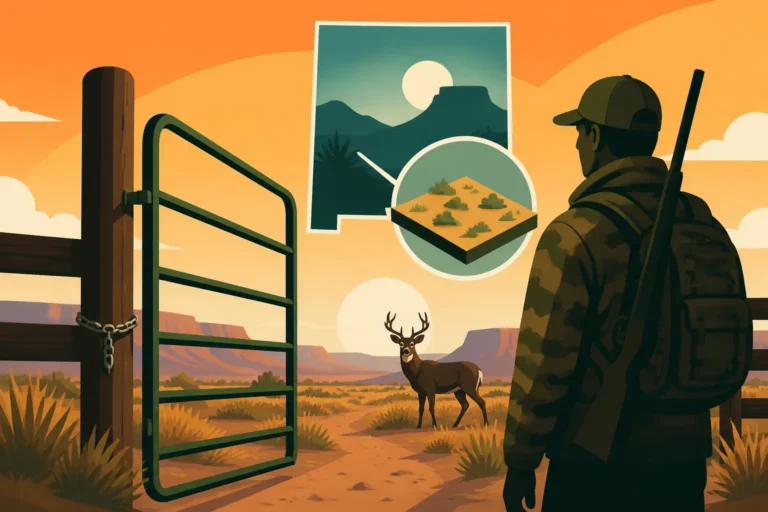
New Mexico takes trespass seriously. Even if you don't intend to hunt on private land, simply crossing it to access public ground without permission can lead to fines, confiscation of your hunting license, and even more severe legal consequences. Imagine getting a hard-earned tag, driving hundreds of miles, only to have your hunt derailed because you didn't dot your i's and cross your t's with a landowner. It’s not just a hypothetical scenario; it happens. This state has a long history of private land ownership intertwined with public access, and respecting those boundaries is paramount. A clear, written agreement serves as your legal protection, proving that you have the landowner’s consent to be there. This isn't just about avoiding trouble; it's about building a foundation of trust that benefits all hunters.
Building Positive Landowner Relations
Think about it from a landowner's perspective. Their property is their livelihood, their home, often a place they've poured generations of sweat and tears into. The last thing they want is unexpected visitors, especially armed ones, wandering around. Approaching them with respect and a clear request demonstrates that you value their property and their rights. A positive interaction can open doors, not just for you, but potentially for other ethical hunters in the future. Conversely, a negative encounter due to unauthorized access can sour a landowner on all hunters, leading to more "No Trespassing" signs and less access for everyone. Building these relationships, even if it starts with a simple request, is part of being a good steward of the land and the sport. They're often worried about fences being cut, gates left open, or trash being left behind. Addressing these concerns upfront can make a huge difference.
Protecting Access for Future Generations
Every time a hunter disrespects private property, it chips away at the already dwindling access opportunities. Landowners who have bad experiences are far less likely to grant permission in the future, often posting their land more restrictively. This means fewer places for us to hunt, which impacts everyone, from seasoned veterans to those just starting with the New Mexico Mentored Youth Program Explained. By diligently seeking and respecting written permission, we contribute to a culture of responsibility that helps preserve hunting access for years to come. It’s about ensuring that the next generation of hunters has as many, if not more, opportunities than we do today. This collective effort is what keeps the wild places open and the hunting heritage alive in New Mexico.
Finding the Landowner: Your First Step to Getting Permission
So, you’ve found that perfect ridge, that hidden spring, or a promising travel corridor, only to realize it's on private land. Now what? Your next move is to figure out who actually owns that piece of ground. This can feel like detective work, but with the right tools, it's totally manageable.
Utilizing Digital Mapping Tools
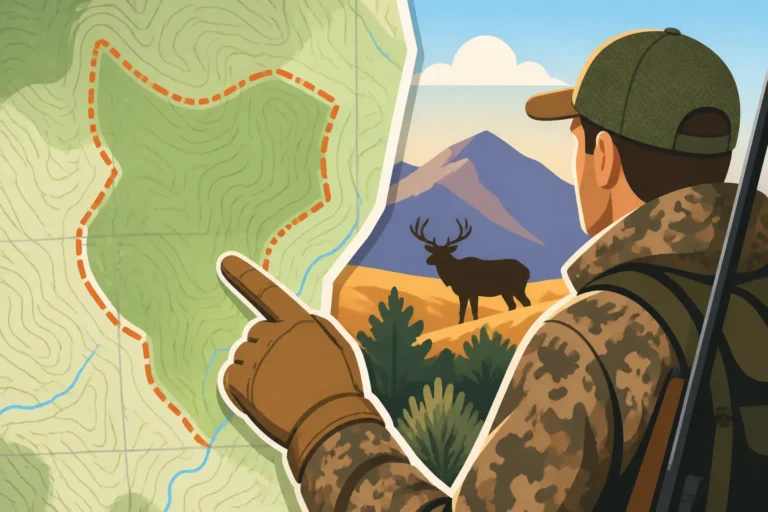
In this day and age, technology is your best friend when it comes to identifying land ownership. Tools like onX Hunt have revolutionized this process. With a few taps on your phone or clicks on your computer, you can see property lines, landowner names, and often even contact information. I remember the old days, poring over paper plat maps at the county courthouse, trying to match up squiggly lines with actual fence posts. Digital maps cut out so much of that guesswork. You can zoom in on a specific parcel, identify the owner, and even see if it borders public land that you might already have access to, like a stretch of the Gila National Forest as New Mexico Elk Country. This allows you to plan your approach with confidence, knowing exactly whose land you're looking at. Always double-check digital information with official county records if there's any doubt, as technology isn't infallible.
County Assessor and Clerk Offices
Even with the best digital tools, sometimes you need to go to the source. The county assessor's office or county clerk’s office is where all official land records are kept. Each county in New Mexico will have its own system, but generally, you can search by parcel number, address, or sometimes even by simply describing the location on a map. These offices maintain detailed plat maps and records that show exact property boundaries, ownership history, and tax information. While it might take a bit more time than an app, this method provides the most accurate and up-to-date information. It’s also a good place to start if the digital map apps don't yield contact information, as the assessor's office often has mailing addresses for property owners for tax purposes. Don't be shy; the folks working there are usually happy to help you navigate their system.
Other Avenues: Local Knowledge and Online Resources
Beyond official records, don't underestimate the power of local knowledge. Sometimes, asking around at the nearest general store, feed shop, or even a local diner can point you in the right direction. Locals often know who owns what and might even be able to offer insights into their willingness to grant permission. Just remember to be respectful and not intrusive.
There are also various online databases and property lookup sites. While many of these compile public record data, some may require a small fee for detailed reports. When considering a unit for your application, say for New Mexico Elk Season Structure by Unit, it's smart to do some of this research beforehand. Another valuable resource is the New Mexico Game and Fish website itself, which might have maps or information on programs like "Open Gate" that facilitate public access across private lands, giving you alternative options if direct permission isn't granted. Researching New Mexico State Trust Land Access Rules is also important, as it sometimes offers a pathway for hunters without needing individual landowner permission, provided you have a valid license.
The Art of the Ask: Approaching Landowners for Permission
Once you know who owns the land, the next crucial step is how you approach them. This isn't just about asking; it’s about making a positive impression and building trust. Remember, they don't owe you anything, so politeness, respect, and preparedness are your best assets.
Making a Good First Impression
First impressions matter more than you might think. When you contact a landowner, whether by phone, email, or in person, present yourself as a responsible, respectful individual. If you're going in person, dress neatly – you don’t need a suit, but don’t show up in dirty hunting clothes straight from the field. Be polite, introduce yourself clearly, and state your purpose upfront. Explain that you're a hunter who is meticulous about respecting property rights and that you're specifically looking for permission for a particular area.
Avoid calling at odd hours or showing up unannounced at dinner time. Mornings or early afternoons during the week are generally best. Have your license information handy, be prepared to discuss dates, species, and your specific intentions. If you've done your homework with tools like onX Hunt, you can even show them the exact parcel you're interested in, demonstrating your preparedness and respect for their boundaries. Offering to share some wild game if you're successful can also be a nice gesture, though never make it a condition of your request.
What to Include in Your Request
Your request should be clear, concise, and comprehensive. Don't just ask, "Can I hunt your land?" Provide details.
Consider including:
- Your Name and Contact Information: Make it easy for them to get back to you.
- The Specifics of Your Hunt: What species are you after? What weapon will you use (e.g., archery, muzzleloader, rifle)? What dates are you hoping to hunt? Being precise shows you've thought this through.
- Why Their Property: Explain what drew you to their land (e.g., proximity to public land, sign you've seen). This shows genuine interest, not just a random request.
- Your Commitment to Respectful Behavior: Assure them you will close all gates, pack out all trash, avoid disturbing livestock, and report any issues you observe (like cut fences or suspicious activity). Offering to walk the fence line or help with a small chore can go a long way in establishing good faith.
- Proof of Insurance (Optional but Recommended): Some landowners appreciate knowing you have liability insurance, often covered by hunter's groups.
Be prepared for a "no." If they decline, thank them politely for their time and move on. Don't argue or try to persuade them. Their land, their rules. Sometimes, a "no" today might be a "yes" next year if you leave a good impression.
Persistence and Patience
Getting permission can sometimes be a lengthy process. Landowners are busy, and they might not get back to you immediately. Be persistent, but not pushy. Follow up with a polite call or email after a reasonable amount of time. If you don't hear back, try again in a few weeks or months. Sometimes, it just takes finding them at the right time.
Don't limit yourself to just one landowner. The more requests you make, the higher your chances of success. Each "no" brings you closer to a "yes." Remember that some areas, particularly around places known for New Mexico Elk Are Why the Gila Draws Everyone or Mule Deer Across New Mexico's High Country and Desert, might be leased by outfitters or used by family, making access tougher. However, less prominent areas might be overlooked.
Even if you only get permission to cross a small corner of their property to access public land, that’s a win! Crossing Private Ground to Reach New Mexico Public Land is a common challenge, and any permission helps. Remember to check Motorized Travel Rules on New Mexico Public Land so you know what is permissible once you reach public ground.
What a Good Written Permission Agreement Looks Like
Okay, you've done the hard work, made a great impression, and the landowner has agreed to let you hunt! That's fantastic! But the conversation shouldn't end there. To protect both you and the landowner, it's absolutely crucial to formalize that permission in writing. This document doesn't need to be a legal novel, but it does need to be clear and comprehensive.
Key Elements of a Written Agreement
A solid written permission agreement should cover all the important details discussed during your conversation. Here’s a rundown of what to include:
- Date of Agreement: When was this permission granted?
- Landowner Information: Full name, address, and contact number of the property owner.
- Hunter Information: Your full name, address, phone number, and hunting license number.
- Property Description: Clearly identify the specific land being accessed. This should include the legal description (section, township, range), parcel number, and/or a common description (e.g., "the 100-acre pasture west of County Road 42 and north of the old homestead"). An attached map with the permitted area clearly marked is a fantastic addition. Using a tool like onX Hunt to generate a map can be incredibly helpful here.
- Purpose of Access: State clearly that permission is granted for "hunting" (and specify species if limited, e.g., "hunting mule deer") or "accessing public land."
- Dates of Access: Specify the exact dates or seasons during which permission is valid (e.g., "September 1-30," or "during the 2024 archery deer season"). This avoids any ambiguity about how long you're allowed to be there.
- Permitted Activities: List what you are allowed to do (e.g., "foot travel only," "use of ATV on designated trails," "erect a temporary blind").
- Prohibited Activities: List what you are not allowed to do (e.g., "no motorized vehicles off established roads," "no camping," "no fires," "no hunting near livestock or buildings").
- Weapon Type: Specify if there are limitations (e.g., "archery only," "muzzleloader only," "any legal weapon").
- Game Retrieval: Discuss how game retrieval will be handled, especially if it involves driving off-road.
- Guest Policy: If you plan to hunt with a partner, clarify if they are also covered by this permission or if they need their own.
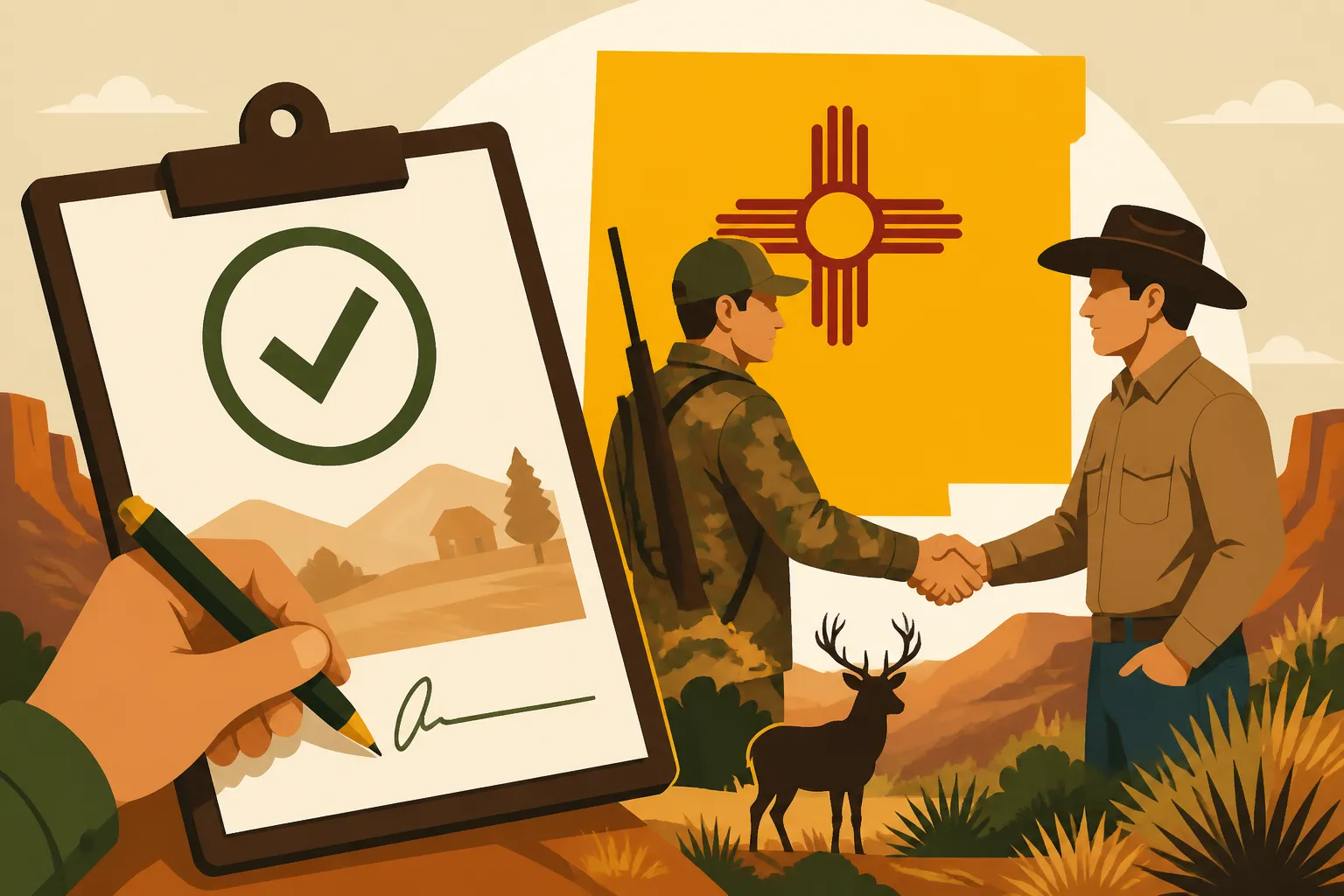
- Signatures: Both the landowner and you should sign and date the agreement. This signifies mutual understanding and agreement.
Here's a simple table illustrating these key components:
| Element | Description | Why It's Important |
|---|---|---|
| Date & Parties | When agreement was made, Landowner's & Hunter's full contact info. | Establishes validity and identifies who is involved. |
| Property ID | Legal description, parcel number, common landmarks, attached map. | Precisely defines the area where permission is granted, preventing confusion. |
| Purpose | "Hunting Species", "Access to Public Land", "Scouting". | Clarifies why you are on the property. |
| Dates/Season | Specific start/end dates, or reference to official hunting season. | Defines the duration of permission, avoiding year-round or extended access assumptions. |
| Activities | Permitted (foot travel, designated roads) & Prohibited (fires, camping). | Sets clear boundaries on behavior, protecting the landowner's property. |
| Weapon Type | Archery, Muzzleloader, Rifle, Any Legal Weapon. | Addresses safety concerns and landowner preferences. |
| Signatures | Landowner's & Hunter's signatures and dates. | Makes the agreement legally binding and confirms mutual understanding. |
The Importance of a Physical Copy
Once signed, make at least two copies: one for the landowner and one for you. Always carry your copy with you when on their property. This acts as immediate proof of your permission if you encounter other individuals, such as curious neighbors, ranch hands, or even law enforcement. A paper copy is robust; it doesn't run out of battery or lose signal, unlike your phone. Keep a digital backup on your phone or in your email for emergencies, but always have that physical piece of paper. You'll thank yourself for it if the situation ever arises where you need to quickly verify your presence.
What Happens if Things Change?
Life happens, and sometimes situations change for either the landowner or the hunter. A written agreement provides a framework for addressing these changes. If the landowner sells the property, your agreement might become void. If you decide not to hunt the property, a courtesy call to let them know is always appreciated.
A written agreement often includes a clause that allows either party to revoke permission with reasonable notice. This protects both sides. Always respect the landowner’s decision if they need to revoke permission, even if it's mid-season. Maintain that positive relationship for future possibilities.
Understanding and respecting these private land boundaries, whether you're looking at Hunting New Mexico From 4,000 Feet to 10,000 or scouting lower desert units, is key to being a responsible hunter and ensuring continued access for everyone.
Disclaimer
This article is for general informational purposes only and does not constitute professional advice. Laws, prices and regulations vary by location and change over time. Consult a qualified professional for guidance on your specific situation.